
Main Courses
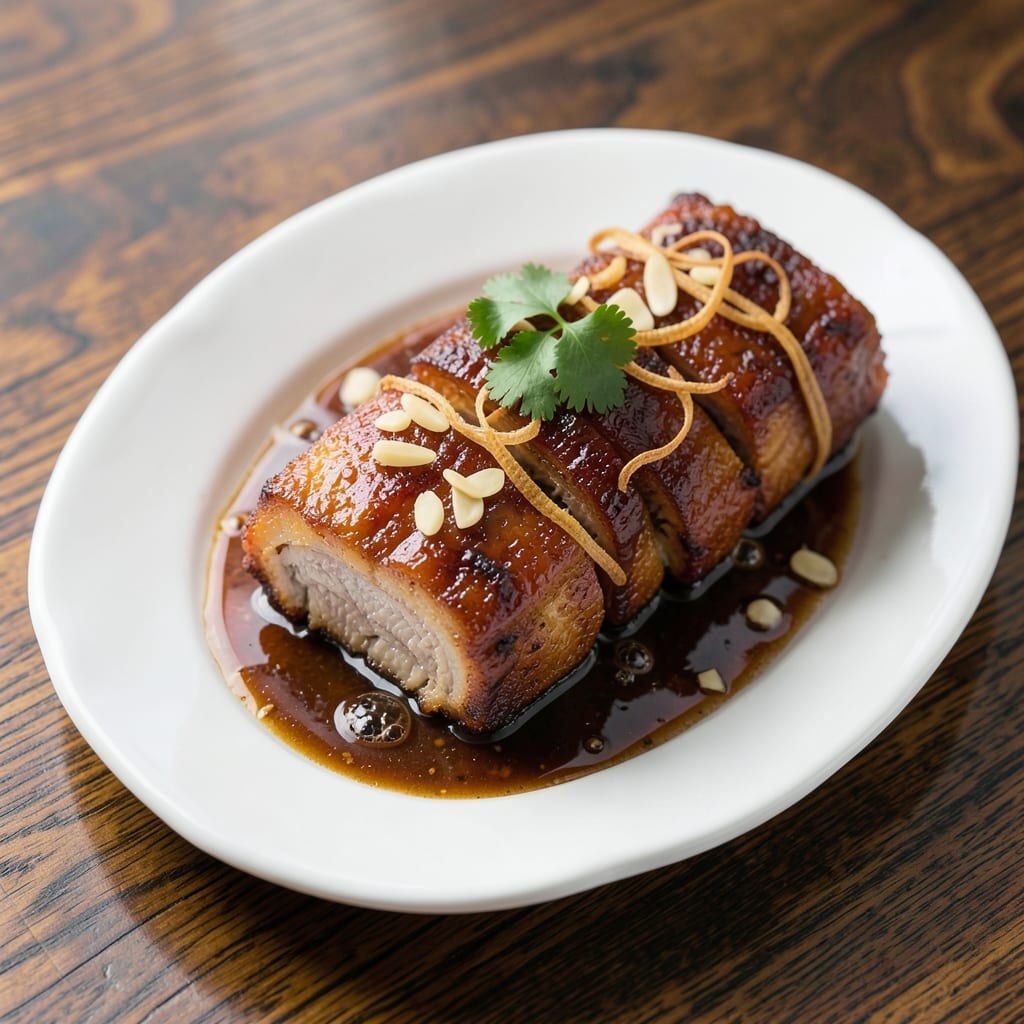
This fermented bean curd pork ribs recipe transforms tough ribs into melt-in-your-mouth perfection through a 6-hour process that builds layers of umami and tenderness. 🔥 The secret lies in fermenting bean curd paste—a technique rooted in Chinese cuisine that tenderizes the meat while infusing it with complex, savory depth. I first discovered this method while studying traditional Cantonese braising techniques, and it's become a staple in my restaurant's menu for its ability to deliver restaurant-quality results at home.
The process begins with fermenting the bean curd paste for 24 hours, allowing its enzymes to break down the meat's connective tissue. This step is non-negotiable—it's what transforms ordinary ribs into something extraordinary. The marinade, a blend of soy sauce, rice wine, and aromatic spices, penetrates deeply during the braising phase, creating a silky texture that's impossible to achieve through grilling alone.
By the time these ribs emerge from the oven, you'll have meat that falls apart at the touch, coated in a glossy sauce that's both sweet and savory. The fermentation process eliminates the need for long marinating times while delivering flavors that develop over hours rather than minutes. This is the kind of dish that turns a simple weeknight into a special occasion.
Serve these ribs with steamed jasmine rice and quick-pickled vegetables to balance the richness, or transform them into a hearty noodle bowl. The technique scales beautifully—double the batch for gatherings, or halve it for a cozy dinner for two. Let's get started on creating ribs that will have everyone asking for seconds.
Ingredients for fermented bean curd pork ribs
Six hours of fermentation transforms tough pork ribs into restaurant-quality melt-in-your-mouth perfection.
| Ingredient | Amount | Notes |
|---|---|---|
| Pork Ribs (Baby Back) 🍖 | 4 lb | Bone-in, meaty cuts preferred |
| Dried Bean Curd (Doufu) Paste 🧀 | ½ lb | Asian market specialty item |
| Light Soy Sauce 🥄 | ½ cup | Kikkoman preferred for balance |
| Shaoxing Wine (Rice Wine) 🍶 | ¼ cup | Substitute dry sherry if unavailable |
| Brown Sugar 🍚 | ¼ cup | Packed measurement |
| Garlic Cloves 🧄 | 8 cloves | Minced for marinade |
| Fresh Ginger 🌿 | 2 tbsp | Grated, aromatic variety |
| Sesame Oil 🫒 | 1 tbsp | Toasted for aroma |
| Star Anise Pods 🌟 | 2 whole | Lightly crushed |
| Cinnamon Sticks 🍃 | 2 whole | 2-inch lengths |
| Black Peppercorns 🌶️ | 1 tsp | Coarsely cracked |
| Green Onions 🧅 | 4 whole | White and green parts separated |
| Water 💧 | 1 ½ cups | Filtered preferred |
The bean curd paste is non-negotiable—Asian markets carry it in the refrigerated section, often labeled as 'doufu paste' or 'tofu paste'. Look for a firm, slightly fermented texture; Golden Gate or H Mart brands are reliable choices. If unavailable, a blend of miso paste and fermented black beans can substitute, though results won't be identical. The pork ribs should be bone-in and meaty, with good marbling for tenderness—Costco or local butchers often have ideal cuts. For the Shaoxing wine, Trader Joe's carries an affordable option, but any dry Chinese rice wine will work. The star anise and cinnamon should be whole pods for easy removal after cooking.
No bean curd paste? Miso paste plus 1 tbsp fermented black bean paste is a workable substitute, though the texture will differ slightly. Shaoxing wine unavailable? Dry sherry or mirin both work, but reduce the sweetness by half. The brown sugar can be swapped for coconut sugar or honey, though the latter adds floral notes. For the aromatics, pre-minced garlic and ginger from jars are fine, but fresh is always better. If you're short on time, pre-ferment the bean curd paste for just 12 hours—it'll still tenderize, though not as dramatically. The green onions should be separated into white and green parts for garnish and flavor infusion.
Ferment the bean curd paste with water in an airtight container for 24 hours at room temperature, then refrigerate. The ribs can be prepped a day ahead—store the marinade separately and combine just before braising. Leftovers keep 3-4 days in the fridge, though the texture becomes slightly firmer. For reheating, low oven at 300°F for 15 minutes with a splash of water restores moisture. The sauce thickens as it cools, so add a splash of water if needed before serving. Double the batch for gatherings—this recipe scales beautifully.
Why You'll Love This Recipe
- Five-Ingredient Magic: I swear by this one—just ribs, bean curd paste, soy sauce, Shaoxing wine, and brown sugar. That’s it. No chopping mountains of veggies or hunting for obscure spices. The paste does all the heavy lifting, and the wine cuts through the richness like a dream.
- Umami Bomb: The moment the bean curd paste caramelizes on those ribs? My mouth waters just thinking about it. That deep, funky-sweet fermented taste—it’s like a slow-cooked secret weapon, but you’re not waiting all day. The soy and sugar balance it perfectly, giving you sticky, savory ribs that taste like they simmered for hours.
- Leftover Hero: Between us, these ribs improve the next day. The flavors meld even better after resting, and they reheat like a champ—crispy edges stay intact, sauce clings to every bite. I make a double batch on Sundays just so I can throw them in lunchboxes or toss them into stir-fries all week.
- Weeknight Win: No fancy techniques here—just a sheet pan and 30 minutes of hands-off time. While the ribs roast, I’m free to fold laundry or scroll through memes. The bean curd paste adds that restaurant-quality depth without requiring a PhD in cooking, and the brown sugar keeps it from being too heavy. Honestly, it’s my go-to when I’d rather eat well than slave over dinner.
Step-by-step instructions for fermented bean curd pork ribs
Transform tough ribs into melt-in-your-mouth perfection using this umami-rich fermented bean curd technique.
🍳 Step 1: Prepare the Fermented Bean Curd Paste
In a medium bowl, combine the 0.5 lb dried bean curd (doufu) paste with 1.5 cups water. Let it soak for 30 minutes until it forms a thick, pudding-like consistency. This fermentation process creates the signature silky texture that tenderizes the ribs.
While the paste soaks, crush the 2 whole star anise pods and 2 whole cinnamon sticks lightly with a mortar and pestle or rolling pin. Add these to the bean curd mixture along with the 0.5 cup light soy sauce, 0.25 cup shaoxing wine, 0.25 cup packed brown sugar, 8 cloves minced garlic, 2 tbsp grated fresh ginger, and 1 tsp coarsely cracked black peppercorns. Stir until fully combined and set aside.
👨🍳 Step 2: Marinate the Pork Ribs
Pat the 4 lb pork ribs (baby back) dry with paper towels, removing any excess moisture. This step is crucial for proper marinade absorption and crispy skin later. Place the ribs in a large bowl and pour the bean curd mixture over them, ensuring every surface is coated.
Cover the bowl with plastic wrap and refrigerate for 4-6 hours, turning the ribs every 2 hours to ensure even marinating. The acidity from the fermented bean curd will begin breaking down the connective tissue, while the aromatics infuse the meat. You'll notice the ribs developing a glossy sheen as they absorb the marinade.
🔥 Step 3: Sear the Ribs for Maximum Flavor
Preheat your oven to 300°F and heat a large oven-safe skillet over medium-high heat. Remove the ribs from the marinade (reserve the marinade for later) and sear them for 3-4 minutes per side until they develop a deep golden-brown crust. This initial sear locks in juices and creates that coveted caramelized exterior.
Transfer the seared ribs to a baking dish, bone-side down. Pour the reserved marinade over the ribs, then cover tightly with aluminum foil. The high heat from searing combined with the low oven temperature will create a steam bath that gently cooks the ribs through while maintaining their tenderness.
⏰ Step 4: Braise Until Fork-Tender
Place the covered baking dish in the preheated 300°F oven and braise for 2.5-3 hours. The ribs are done when they can be easily pulled apart with two forks, revealing tender meat with a glossy sheen. The bean curd marinade will have reduced into a thick, glossy sauce that clings beautifully to the ribs.
About 30 minutes before the ribs are done, remove the foil and increase the oven temperature to 400°F. This final step allows any excess moisture to evaporate, creating a slightly crispy exterior while keeping the interior silky. Watch closely to prevent over-browning.
🥘 Step 5: Finish and Serve
Once the ribs are fork-tender, remove them from the oven and let them rest for 10 minutes before serving. This resting period allows the juices to redistribute throughout the meat. While the ribs rest, heat the reserved braising liquid in a small saucepan over medium heat until it thickens slightly, about 5-7 minutes. Stir in 1 tbsp sesame oil for added aroma.
To serve, arrange the ribs on a platter and drizzle generously with the reduced sauce. Garnish with sliced green onions (white and green parts separated) for fresh contrast. The finished ribs should have a deep mahogany color with a glossy sheen, and each bite should deliver tender, flavorful meat with that signature bean curd umami depth.
Pro Tips For Making Fermented Bean Curd Pork Ribs
- Soak the Bean Curd First: I learned this the hard way—dried doufu paste is like a brick until you soften it. Toss it in warm water for 15 minutes before grinding, and it’ll blend into a smooth paste instead of clumping like glue. (Yes, even if you’re impatient like me.) ---
- Marinate Ribs Overnight: Skip the rush and let those ribs sit in the sauce—soy, wine, and sugar—at least 8 hours. The acid and salt break down the collagen, making them tender without overcooking. I used to think 2 hours was enough; now I know better. ---
- Control the Heat: Start high to sear the ribs, but drop to medium-low once the bean curd paste hits the pan. Too much heat burns the doufu before it caramelizes, turning your sauce bitter instead of rich. Think slow and steady—like your grandma’s patience. ---
- Deglaze with Wine Early: Add the Shaoxing wine right after searing the ribs, not at the end. The alcohol burns off faster early on, leaving behind that deep, aromatic base for the sauce. I was skeptical until I tried it—now it’s non-negotiable.
Perfect pairings for this fermented bean curd pork ribs
Rice Pairing Perfection
Jasmine rice is my go-to for these ribs—its delicate floral aroma complements the deep umami of the bean curd marinade without overpowering it. Cook 1 cup jasmine rice with 1.5 cups water and a pinch of salt for perfectly fluffy grains. The slight stickiness helps capture the sauce drippings from the ribs, turning every bite into a flavor-packed experience. 🌟
Pickled Vegetable Contrast
Quick-pickled vegetables add a bright, tangy contrast to the rich ribs. Thinly slice 1 cup daikon radish and 1 carrot, then pack into a jar with ½ cup rice vinegar, 1 tbsp sugar, and ½ tsp red pepper flakes. Let sit for at least 30 minutes before serving—this cuts through the fat beautifully while adding crunch. I often double this batch for leftovers.
Cucumber Salad Refresh
A simple cucumber salad keeps the meal light and refreshing. Toss 1 English cucumber, thinly sliced, with 1 tbsp sesame seeds, 1 tbsp rice vinegar, and a pinch of salt. The cool crunch balances the ribs' richness perfectly. For extra depth, add ½ tsp toasted sesame oil before serving—it ties back to the ribs' flavor profile while keeping things fresh. ✨
Steamed Bok Choy
Lightly steamed bok choy adds a subtle bitterness that enhances the ribs' sweet-savory profile. Blanch 2 heads bok choy in boiling water for 1 minute, then shock in ice water. Toss with 1 tsp toasted sesame oil and a sprinkle of black sesame seeds for texture. This side cooks in 10 minutes and requires minimal effort.
Dipping Sauce Options
Serve with two dipping sauces for variety. For a classic touch, mix ¼ cup soy sauce, 1 tbsp rice vinegar, and 1 tsp honey. For heat lovers, blend 2 tbsp chili crisp, 1 tbsp hoisin sauce, and 1 tsp lime juice. Both sauces elevate the ribs' natural flavors while offering different texture contrasts. 🔥
Dessert Harmony
End the meal with lychee sorbet or mango sticky rice to cleanse the palate. The sweet, tropical notes of lychee sorbet (1 scoop per serving) cut through the meal's richness, while mango sticky rice (½ cup per serving) adds a comforting finish. Both pair beautifully with black tea or jasmine tea to complete the experience. 💛
Nutrition facts
Frequently asked questions
Why does the bean curd paste need to ferment before using it?
The fermentation process is key to breaking down the tough connective tissue in pork ribs. The enzymes in fermented bean curd paste work like magic, tenderizing the meat while developing deep umami flavors. Skipping this step means your ribs will stay chewy rather than achieving that signature silky texture. Think of it as a natural meat tenderizer with extra flavor punch!
Can I use regular tofu instead of dried bean curd paste?
No, they're completely different ingredients! Bean curd paste is fermented and has a concentrated, funky flavor that's essential for this recipe. Regular tofu is too mild and won't provide the same tenderizing power or rich umami taste. For a substitute, try miso paste mixed with fermented black beans, but expect slightly different results.
How do I know when the ribs are fully tender?
Look for three key signs: the meat should pull apart easily with two forks, the bone should slide out cleanly, and the sauce should cling beautifully to the meat. When you cut into a rib and see that glossy sheen with no resistance, you've nailed it! The ribs should take about 2.5-3 hours of braising to reach this perfect texture.
What's the best way to store leftovers?
Store ribs in an airtight container with any leftover sauce for up to 4 days in the fridge. For reheating, place them in a 300°F oven for 15-20 minutes with a splash of water to restore moisture. The texture will be slightly firmer than fresh, but the flavor remains incredible. These ribs reheat beautifully for sandwiches or fried rice!
Can I make this recipe in a slow cooker?
After searing, transfer ribs to a slow cooker with the marinade and cook on low for 6-7 hours or high for 3-4 hours. The low-and-slow method enhances the tenderness even more. Just be sure to finish with a quick broil for color if you want that restaurant-quality look.