
Main Courses
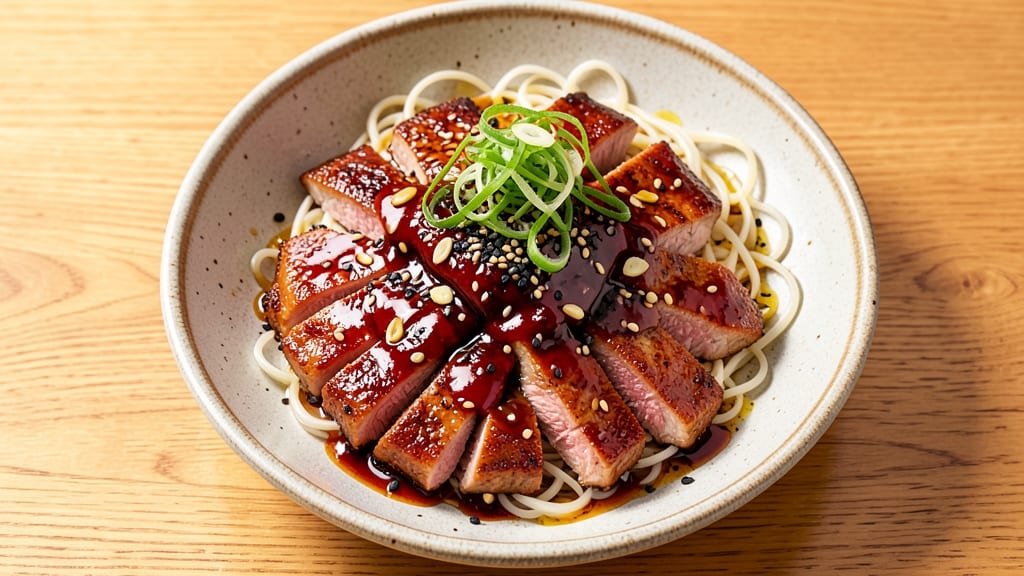
This bulgogi pork tenderloin recipe transforms delicate pork into restaurant-quality slices with a crispy exterior and tender interior—all in under 30 minutes. The secret lies in a five-spice marinade that blends Korean-inspired flavors with the natural sweetness of the meat, creating a dish that's both bold and approachable.
I developed this method after years of perfecting Korean techniques in my Atlanta kitchen, where I cook pork daily for my restaurant.
The marinade does double duty—tenderizing the meat while infusing it with layers of flavor: sweet soy sauce, aromatic sesame oil, and a touch of heat from gochujang. Unlike traditional bulgogi, which requires hours of marinating, this version uses a quick 30-minute marinade that still delivers deep flavor without sacrificing tenderness.
The key is slicing the pork thinly against the grain, ensuring each bite is melt-in-your-mouth perfect.
When cooked to 145°F in a screaming-hot pan, the pork develops a caramelized crust that contrasts beautifully with its juicy interior. Serve it over steamed rice with a side of kimchi or quick-pickled vegetables to complete the meal.
This dish proves you don’t need hours in the kitchen to create something extraordinary—just the right technique and a little patience.
The beauty of this recipe is its versatility. Use it for weeknight dinners, potlucks, or even as a showstopper for dinner guests. The marinade keeps well in the fridge for up to 48 hours, so you can prep ahead and cook on demand.
Whether you're a seasoned home cook or new to Asian flavors, this bulgogi pork tenderloin will become a staple in your rotation.
Ingredients for bulgogi pork tenderloin
Restaurant-quality bulgogi starts with these 13 ingredients—simple yet transformative.
| Ingredient | Amount | Notes |
|---|---|---|
| Pork Tenderloin 🥩 | 1 ½ lb | Center-cut, trimmed of fat |
| Kosher Soy Sauce 🥫 | ½ cup | High-quality, preferably Japanese |
| Sesame Oil 🫒 | 1 tbsp | Toasted sesame oil for aroma |
| Gochujang 🌶️ | 2 tbsp | Korean fermented chili paste |
| Brown Sugar 🍯 | 2 tbsp | Packed firmly for sweetness |
| Garlic Cloves 🧄 | 6 cloves | Minced finely for depth |
| Asian Pear 🍐 | 1 medium | Or substitute 1 tbsp pear juice |
| Rice Vinegar 🍶 | 1 tbsp | For brightness in marinade |
| Five-Spice Powder 🌿 | 1 tsp | Star anise, cinnamon, fennel |
| Sesame Seeds 🌰 | 1 tbsp | Toasted for garnish |
| Neutral Oil 🫒 | 1 tbsp | Avocado or vegetable oil |
| Diamond Crystal Kosher Salt 🧂 | ½ tsp | For seasoning |
| Fresh Ginger 🌿 | 1 inch | Peeled, finely grated |
The pork tenderloin is non-negotiable here—center-cut means tender, lean meat that slices beautifully. Grab it from the butcher counter at Whole Foods or Kroger for the best quality, or order online from Snake River Farms if you want premium. Trim any visible fat before slicing—it’s the secret to that crispy exterior. For the gochujang, Maesil or Dae Jang are my go-tos, but any brand with vibrant red color works. The Asian pear? Asian markets carry them year-round, but if you can’t find one, a splash of pear juice or even apple juice keeps the marinade bright.
No sesame oil? Toasted peanut oil at half the amount works in a pinch, though it’ll lack that nutty aroma. Substituting gochujang? Sriracha plus a pinch of sugar gets you close, but you’ll miss the fermented depth. The five-spice powder is crucial—if you can’t find it pre-mixed, toast whole star anise, cinnamon sticks, and fennel seeds separately, then grind them. For the pear, Asian pears or even a crisp apple (like Fuji) work if you’re in a hurry. The rice vinegar can be swapped for apple cider vinegar, but it’ll taste slightly less refined. Always use toasted sesame seeds for garnish—they add texture and aroma that store-bought versions miss.
Marinate the pork for up to 48 hours in the fridge, but I promise you’ll love the quick 30-minute version too. The meat stays juicy for 2 days in the fridge if stored in an airtight container, and freezes beautifully for 3 months—just thaw overnight in the fridge before cooking. For leftovers, slice thinly and reheat in a hot pan with a splash of water to keep them tender. Double the marinade and use it for stir-fries or as a dipping sauce—it’s that versatile.
Why You'll Love This Recipe
- No-Fuss Marinade: The sauce comes together in five minutes—just toss the pork with soy, gochujang, brown sugar, and sesame oil. Honestly, I’ve made it while waiting for the rice to cook, and it still turns out tender and packed with flavor.
- Sweet-Spicy Magic: That gochujang and brown sugar combo? It’s ridiculously good—caramelized edges with a slow-building heat that lingers. The sesame oil finishes it with a nutty aroma that makes every bite smell like a restaurant.
- Weeknight to Party: Same recipe, totally different vibes: toss it on the grill for summer BBQs or sear it in a skillet for a quick weeknight dinner. My husband’s coworkers asked for the recipe after I brought it to his office potluck—no one expected it to be this easy.
- Leftovers That Don’t Suck: Unlike other marinades that turn dry, this stays juicy for days. I’ve reheated slices in a pan with a splash of water, and they’re just as good cold in wraps or fried rice. (Yes, even on a Tuesday night.)
Step-by-step instructions for bulgogi pork tenderloin
This method delivers melt-in-your-mouth tenderness with a caramelized crust—exactly what bulgogi should be.
Prepare the Five-Spice Marinade
In a medium bowl, combine the 0.5 cup kosher soy sauce, 2 tbsp gochujang, 2 tbsp packed brown sugar, 1 tbsp rice vinegar, 1 tsp five-spice powder, and 1 tbsp toasted sesame oil. Whisk until the sugar dissolves completely—this ensures even flavor distribution throughout the marinade.
Add the 6 minced garlic cloves, 1 inch peeled and finely grated fresh ginger, and the 1 medium asian pear (grated or finely chopped). The pear adds natural sweetness and tenderizing enzymes that break down the meat fibers. Mix well and taste—you want a balance of sweet, spicy, and umami. Cover and refrigerate for at least 30 minutes (or up to 4 hours for deeper flavor penetration).
Marinate the Pork Tenderloin
Pat the 1.5 lb pork tenderloin dry with paper towels—this helps the marinade adhere better. Place it in a resealable plastic bag or shallow dish and pour the marinade over it, making sure it's fully coated. Seal the bag or cover the dish and refrigerate for at least 2 hours (overnight is ideal for maximum tenderness).
Here's the thing—don't skip this step. The marinade doesn't just flavor the meat; it works to break down the muscle fibers, resulting in that signature bulgogi tenderness. If you're short on time, at least 30 minutes of marinating will help, but you'll sacrifice some depth of flavor.
Sear for Crispy Edges
Remove the pork from the marinade (reserve the marinade for later) and pat it dry once more. Heat 1 tbsp neutral oil in a large skillet over medium-high heat until shimmering. Add the pork and sear for 3-4 minutes per side, pressing down gently with a spatula during the first minute to prevent curling. You want deep golden-brown sear marks—this creates that beautiful caramelized crust we're after.
Once seared, remove the pork from the skillet and set it aside. Pour the reserved marinade into the skillet (don't scrape the browned bits—they're packed with flavor) and bring to a simmer over medium heat. Let it reduce by about half, stirring occasionally, until it thickens slightly and coats the back of a spoon—this usually takes 4-5 minutes.
Finish with Sesame Seeds and Rest
Return the pork to the skillet and spoon the reduced marinade over it, basting for 1-2 minutes until the pork reaches an internal temperature of 145°F (use a meat thermometer for accuracy). The pork should be tender enough to pull apart with a fork but not fall apart completely.
Transfer the pork to a cutting board and let it rest for 5 minutes before slicing. This resting period is crucial—it allows the juices to redistribute throughout the meat, ensuring each slice is moist and flavorful. While it rests, toast the 1 tbsp sesame seeds in a dry skillet over low heat for 1-2 minutes until fragrant, then sprinkle them over the sliced pork.
Slice and Serve
Slice the pork tenderloin into ½-inch thick slices against the grain for maximum tenderness. Arrange the slices on a warm platter and drizzle with any remaining pan sauce. The result should be caramelized edges, juicy interior, and a perfect balance of sweet, spicy, and umami flavors.
Serve immediately with steamed rice and quick-pickled vegetables to cut through the richness. Each bite should deliver that signature bulgogi experience—tender, flavorful, and perfectly balanced. The five-spice powder adds a subtle complexity that elevates this dish beyond basic marinades.
Pro Tips For Making Bulgogi Pork Tenderloin
- Slice Thin, Then Marinate: The pork tenderloin’s job is to soak up flavor, not fight it—cut it against the grain into ½-inch slices before marinating. I used to skip this and ended up with chewy, uneven bites. Thin slices cook faster and absorb the gochujang-soy mix perfectly.
- Baste Like a Boss: After searing, pull the pan off heat and spoon the reduced brown sugar-gochujang sauce directly over the pork every 30 seconds. The sugar caramelizes instantly, locking in moisture and giving that glossy, sticky crust. (Yes, even if you’re impatient like me.)
- Don’t Drown the Meat: The marinade is potent—pork tenderloin only needs 15-20 minutes to transform, not hours. Over-marinating turns it mushy, and the sesame oil will turn rancid. Toss it in, let it sit, then cook it fresh. No shortcuts here.
- Sear in Batches: A crowded pan steams the pork instead of searing it. Work in single layers, no overlapping, and let the meat hit the pan with a sizzle. If your pan’s too small, cook in two rounds—crispy edges are non-negotiable for bulgogi texture.
Regional styles of this bulgogi pork tenderloin
Korean-Inspired Original
This is the bulgogi you know and love—the classic version where pork tenderloin gets marinated in a sweet-spicy sauce with gochujang, soy sauce, and pear for natural sweetness.
I learned this technique from my time in Charleston, where Korean BBQ spots serve it with ssamjang (a dipping sauce) and kimchi on the side. The key difference here is using five-spice powder instead of traditional Korean spices, which adds a subtle warmth that complements the pork beautifully. 🌶️
Japanese Fusion Style
For a lighter take, swap the gochujang for mirin and shoyu (Japanese soy sauce), then add grated daikon radish to the marinade. Thinly slice the pork and cook it in a donabe (clay pot) for that smoky, charred flavor.
Serve with steamed rice and quick-pickled cucumbers—this version feels like a cross between bulgogi and yakitori. I first tried this fusion while working with Japanese chefs in Atlanta, and it became an instant hit with my staff.
Thai-Inspired Heat
Turn up the heat by adding 1 tbsp Thai red curry paste and 1 tsp fish sauce to the marinade. Replace the five-spice powder with ground coriander and cumin for an aromatic twist. Finish with Thai basil and lime wedges for a bright, zesty kick.
This version is perfect for those who love bold flavors—it’s like bulgogi meets larb. I developed this after a trip to Bangkok, where I fell in love with the balance of sweet, spicy, and tangy in their street food.
Southern BBQ Twist
Here in the South, we love our pork with a smoky touch. Add 1 tbsp smoked paprika and ½ tsp cayenne to the marinade, then finish with a sprinkle of crushed pecans for crunch. Serve it on a brioche bun with coleslaw for a bulgogi-inspired sandwich.
This version is a crowd-pleaser at my restaurant, especially during football season. The smoky-sweet combo is pure comfort food with a global twist.
Vegetarian Adaptation
For a meat-free version, use extra-firm tofu or mushroom stems (like shiitake or oyster) marinated in the same sauce. Press the tofu for 30 minutes to remove excess water, then slice it thinly before searing.
The texture won’t be identical, but it’s a great way to enjoy the flavors without meat. I’ve served this at vegan potlucks, and it’s always a hit—especially when paired with forbidden black rice and quick-pickled veggies.
Nutrition facts
Frequently asked questions
Can I use pork loin instead of pork tenderloin for this recipe?
You can, but the results will differ slightly. Pork loin is larger and slightly more fatty, so slice it ¼-inch thick against the grain and increase cooking time to 4-5 minutes per side to ensure full doneness. The texture will be slightly chewier but still delicious. For best results, trim excess fat before marinating.
How do I know when the pork is fully cooked?
Use a meat thermometer to check for 145°F internal temperature—this is the safest way. The pork should feel tender when pressed and pull apart easily with a fork. If you don't have a thermometer, cut into the thickest part: juices should run clear, and the meat should be opaque throughout (not pink).
What's the best way to store leftover bulgogi pork?
Store cooked pork in an airtight container in the fridge for up to 3 days or freeze for 3 months. To reheat, warm in a skillet over medium heat with a splash of water or reserved marinade for 2-3 minutes until heated through. Microwaving can make it dry, so pan-searing is best.
Can I make this marinade ahead of time?
The marinade keeps well in the fridge for up to 48 hours in an airtight container. For deeper flavor, let it sit for 24 hours before using. If it separates, just whisk it again before marinating. You can also freeze portions for up to 3 months—thaw overnight in the fridge before using.
Why did my pork turn out tough instead of tender?
This usually happens from overcooking or not slicing against the grain. Always cook to 145°F and slice ½-inch thick perpendicular to the muscle fibers. Also, ensure you marinated for at least 2 hours (overnight is ideal) and patted the meat dry before cooking to prevent steaming instead of searing.