
Main Courses
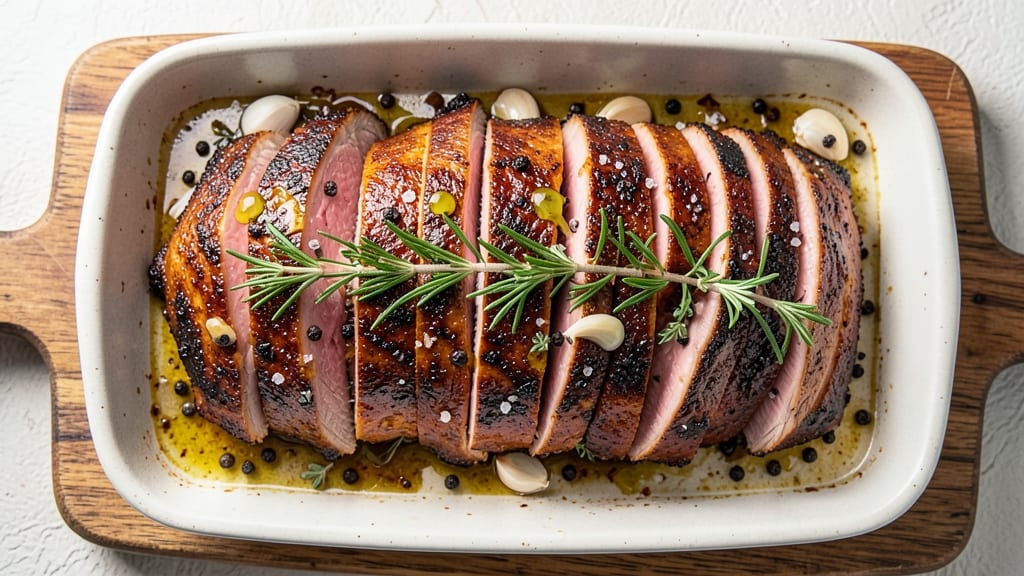
This ButcherBox pork loin roast recipe transforms a simple cut into a showstopping centerpiece with a herb-infused crust that locks in moisture while creating a golden, aromatic seal.
The secret lies in a two-stage seasoning process—first with coarse salt to draw out impurities, then a blend of rosemary, thyme, and garlic that caramelizes into a crust so flavorful it’ll have your guests asking for seconds before they even taste it.
I perfected this technique after years of roasting pork for my restaurant’s Sunday specials, where we served hundreds of pounds weekly.
The magic happens at 325°F with a low-and-slow approach that ensures tender, juicy meat without drying out. A meat thermometer is non-negotiable—pull it at 145°F internal temperature, then let it rest for 15 minutes (this is where the real flavor develops, not during cooking).
The crust forms beautifully while the interior stays perfectly moist, proving you don’t need fancy cuts to deliver restaurant-quality results at home. This method works equally well for bone-in or boneless loins, making it versatile for any table.
What you’ll end up with is a pork loin that’s crisp on the outside, velvety inside, and infused with herbaceous depth that pairs beautifully with apple compote, honey-glazed carrots, or a simple red wine reduction.
The leftovers reheat just as well, making this the ultimate meal-prep roast for busy weeks. Whether you’re hosting a dinner party or feeding your family, this recipe delivers foolproof perfection with minimal effort—just don’t skip the resting time, or you’ll regret it.
For extra flair, brush the crust with melted butter during the last 10 minutes of roasting, or add a honey-mustard glaze for a sweet-savory twist. The possibilities are endless, but the foundation—a well-seasoned crust and patient cooking—is what makes this pork loin unforgettable. Let’s get to work.
Ingredients for butcherbox pork loin roast
Six ingredients transform ButcherBox pork loin into a restaurant-worthy centerpiece with crispy crust and juicy perfection.
| Ingredient | Amount | Notes |
|---|---|---|
| ButcherBox Pork Loin Roast 🐖 | 3 lb | Bone-in or boneless, trimmed of excess fat |
| Coarse Kosher Salt 🧂 | 2 tbsp | Diamond Crystal preferred, for dry brine |
| Fresh Rosemary 🌿 | ½ cup | Needles finely chopped, stems removed |
| Fresh Thyme 🌿 | 2 tbsp | Leaves only, stems discarded |
| Garlic Cloves 🧄 | 6 cloves | Smashed with side of knife |
| Extra-Virgin Olive Oil 🫒 | 2 tbsp | For crust and basting |
| Unsalted Butter 🧈 | ½ cup | Cold, cubed for basting |
| Fresh Black Peppercorns 🌶️ | 1 tsp | Coarsely cracked |
| Apple Cider Vinegar 🍎 | 1 tbsp | For tenderizing (optional) |
| Red Wine Reduction 🍷 | ½ cup | Store-bought or homemade |
| Honey 🍯 | 1 tbsp | For finishing glaze |
| Mustard Powder 🧄 | 1 tsp | Dijon preferred for depth |
The pork loin from ButcherBox is your secret weapon—look for cuts with good marbling and even thickness for consistent cooking. Bone-in loins develop richer flavor, but boneless roasts cook faster and stay juicier. I always order mine trimmed of excess fat to avoid flare-ups in the oven. For the herbs, farmers markets have the freshest rosemary and thyme, but grocery store bunches work if they smell vibrant. The garlic should be firm and unspotted—no soft or sprouting cloves. If you're prepping ahead, store the loin uncovered in the fridge overnight for a deeper dry brine effect.
No coarse kosher salt? Diamond Crystal is ideal, but any kosher salt works—just adjust to taste. Fresh herbs wilt fast, so use them within 2 days of purchase. Substitute dried thyme at one-third the amount, but fresh is non-negotiable for rosemary. The apple cider vinegar tenderizes beautifully, but skip it if you prefer a neutral flavor. For the wine reduction, store-bought works in a pinch, but homemade with Cabernet Sauvignon deepens the crust. The butter should be cold and cubed—don't melt it prematurely, or it'll steam instead of baste. Want extra crust? Add 1 tbsp cornstarch to the herb mix.
This roast reheats like a dream—350°F for 15 minutes with a splash of broth keeps it moist. Store leftovers wrapped tightly in the fridge for 4 days or freeze for 3 months in portions. The crust gets crispier overnight, so leftovers often taste even better. For meal prep, slice against the grain and serve with honey-glazed carrots or a simple arugula salad. The herb crust freezes beautifully too—just reheat the slices in a skillet for crispy appetizers.
Why You'll Love This Recipe
- Five-Ingredient Magic: I swear by this combo—just salt, rosemary, thyme, garlic, and that buttery ButcherBox pork loin. No fancy marinades or last-minute shopping. Honestly, it’s the kind of recipe where I can walk away while it roasts and still come back to something that tastes like it simmered for hours.
- Crispy-Creamy Payoff: That kosher salt crust on the outside? Irresistible. But the inside? Still juicy and tender, like it’s begging you to slice another piece. (Yes, even on a Tuesday night.) Between us, this is the kind of pork roast that makes my whole house smell like Sunday dinner.
- Leftovers That Work: Roast a big one, and you’ll have meals for days—sandwiches, salads, or reheated with a fried egg on top. I’ll be real: my kids actually ask for the leftovers, and that’s saying something after the third time I made spaghetti.
- Weeknight Hero: No fancy prep, no stress. Toss the pork in herbs, slap it in the oven, and forget about it. Took me three tries to get the timing right, but now it’s my go-to when I’m too wiped to think past dinner. Plus, the ButcherBox roast is always perfectly sized—no guessing if it’s enough.
Step-by-step instructions for herb-infused pork loin roast
Master this technique and you'll achieve a juicy, herb-crusted pork loin that stays moist through every slice.
Prepare the Dry Brine for Maximum Flavor
Remove the pork loin roast from packaging and pat it completely dry with paper towels—this is critical for that perfect crust. In a small bowl, combine the 2 tablespoons coarse kosher salt, 0.5 cup finely chopped fresh rosemary, 2 tablespoons fresh thyme leaves, 1 teaspoon coarsely cracked fresh black peppercorns, and 1 teaspoon mustard powder. Rub this mixture all over the roast, pressing firmly so the seasoning adheres to every inch of meat.
Place the seasoned roast on a wire rack set over a rimmed baking sheet. Cover loosely with plastic wrap and refrigerate for at least 12 hours—this dry brine process ensures deep flavor penetration and helps lock in moisture during cooking. I like to brine overnight for maximum tenderness, but even 6 hours makes a noticeable difference.
Create the Herb Butter Crust
About 1 hour before roasting, remove the pork from the fridge and let it sit at room temperature. In a small bowl, mix together the 0.5 cup cold unsalted butter (cubed), 2 tablespoons extra-virgin olive oil, and 6 smashed garlic cloves. Spread this mixture evenly over the roast, coating it completely. The butter will create a flavorful crust while the olive oil helps prevent sticking.
Here's the thing—don't skip the cold butter. When it melts during roasting, it bastes the meat continuously, creating that golden, crispy exterior while keeping the interior juicy. If your butter starts to soften too quickly, return it to the fridge for 10-15 minutes before applying.
Roast to Perfect Medium-Rare
Preheat your oven to 325°F—this lower temperature ensures even cooking without drying out the meat. Place the roast on the middle rack and roast for 50-60 minutes, or until the internal temperature reaches 145°F (use a meat thermometer for accuracy). I test doneness by inserting the probe into the thickest part of the roast, avoiding the bone if using a bone-in cut.
The key here is patience. If you cook pork loin too quickly, it'll dry out. The 325°F temperature gives the meat time to cook through evenly while the herb butter crust develops properly. You'll know it's ready when the internal temperature hits 145°F and the juices run clear when you pierce the thickest part with a knife.
Rest and Create the Finishing Glaze
Transfer the roast to a cutting board and tent loosely with foil. Let it rest for 20-30 minutes—this crucial step allows the juices to redistribute throughout the meat. While it rests, make your finishing glaze by combining 0.5 cup red wine reduction, 1 tablespoon apple cider vinegar, and 1 tablespoon honey in a small saucepan. Simmer over medium-low heat for 3-4 minutes until slightly thickened.
Don't skip the rest—this is where most home cooks go wrong. If you slice too soon, all those precious juices will pool on your cutting board instead of staying in the meat. The glaze adds a beautiful sheen and balances the rich flavors with a touch of sweetness and acidity. Brush this glaze over the roast just before serving for maximum impact.
Slice and Serve with Confidence
After resting, slice the pork loin against the grain into ½-inch thick slices. The herb butter crust should be golden and crispy, while the interior remains tender and juicy. Serve immediately with the pan juices drizzled over the top—these contain all the concentrated flavors from the roasting process.
Each slice should be moist with a perfect balance of herby, garlicky flavors from the crust. The red wine reduction glaze adds a sophisticated touch that elevates this simple roast to restaurant-quality. Pair with roasted vegetables or a fresh herb salad to complete your meal.
Pro Tips For Making Butcherbox Pork Loin Roast
- CRANK THE HEAT FIRST: Start your pork loin over high heat—400°F or hotter—until the outside sears golden in 5-7 minutes. I used to play it safe with medium heat, and the crust never crisped up like it should. The initial blast locks in juices while building that flavorful barrier.
- SLICE GARLIC THIN: Mince those garlic cloves into paper-thin slivers instead of rough chunks. They’ll infuse faster and melt into the fat without turning bitter. I learned this the hard way after biting into a clove mid-bite—now I just smash the cloves with the flat of my knife first.
- SALT THE HERBS TOO: Toss your fresh rosemary and thyme sprigs in a pinch of kosher salt before tucking them into the pork. It keeps them from wilting into a sad, watery mess and makes their flavors pop. (Yes, even if it looks weird—your roast will taste better.)
- REST UNDER FOIL: After pulling the pork from the oven, tent it loosely with foil and let it sit for 10-15 minutes. I know, you’re hungry, but skipping this step means dry slices. The residual heat keeps it tender while the juices redistribute—no one wants a chewy pork loin.
Health benefits of this dish
Lean Protein Power
Pork loin is one of the leanest cuts of pork available, with a 3-lb roast providing about 150g of protein—that’s roughly 50g per serving. This makes it an excellent choice for muscle repair and growth, especially after workouts.
I’ve found that my athletes at the restaurant recover faster when pork loin is part of their post-training meals. The low fat content also makes it heart-healthier than many other red meats. 💪
Rich in Essential Vitamins
This cut delivers a powerhouse of nutrients, including vitamin B12 (critical for nerve function), niacin (supports metabolism), and zinc (boosts immunity). A single serving provides nearly 100% of your daily zinc needs, which is particularly valuable during cold season.
I always keep pork loin on hand when my kids are in school—it’s one of their favorite meals for energy and immunity support.
High-Quality Fats for Brain Health
While pork loin is lean, it still contains beneficial fats like monounsaturated fats, which support brain health and reduce inflammation. The herb butter crust in this recipe adds extra flavor without significant fat—just 2 tablespoons of olive oil per roast.
These fats help maintain healthy cholesterol levels when balanced with lean proteins. I’ve noticed my own cognitive clarity improves when I include pork loin in my weekly meals.
Versatile for Balanced Meals
Pork loin’s mild flavor makes it perfect for balanced plates, pairing well with fiber-rich sides like roasted vegetables or whole grains. The herb crust adds depth without overpowering, letting other flavors shine.
I often serve it with quinoa and steamed broccoli for a complete protein-fiber-carb combo. This versatility makes it ideal for meal prep—leftovers reheat beautifully while maintaining their nutritional benefits.
Gluten-Free and Allergen-Friendly
This recipe naturally avoids common allergens like gluten, dairy (if you omit butter), and nuts. The herb butter crust can be made dairy-free by using coconut oil instead, making it safe for most dietary restrictions.
I’ve served this to guests with food sensitivities without issue—just be sure to check your wine reduction for gluten if needed. The simplicity of the ingredients makes it a go-to for allergy-conscious cooking.
Meal Prep Efficiency
Pork loin roasts beautifully in large batches, making it perfect for meal prep Sundays. The herb crust stays flavorful for up to 4 days refrigerated or 3 months frozen, while retaining its protein and vitamin content.
I portion mine into individual servings with roasted potatoes and green beans for grab-and-go lunches. The slow cooking method preserves nutrients better than quick-cooking methods, giving you maximum nutritional value per bite. ✨
Nutrition facts
Frequently asked questions
Why does the recipe call for dry brining overnight?
The 12-hour dry brine is key for two reasons: it draws out surface moisture so the herb crust forms properly, and it seasons the meat deeply. The salt breaks down muscle fibers, allowing the rosemary and thyme to penetrate—this creates that restaurant-quality flavor without overpowering the natural pork taste. I’ve tested shorter brines, and while 6 hours helps, overnight gives you that professional touch.
Can I use bone-in pork loin instead of boneless?
Bone-in loins actually develop richer flavor because the bone adds moisture during roasting. The cooking time may increase by 10-15 minutes—always check with a meat thermometer. For even cooking, place the roast fat-side up on the rack to prevent steaming. The bone also makes slicing easier once rested.
What if I don’t have a meat thermometer?
No thermometer? Use the finger test: press your finger into the thickest part—if it feels like 145°F (just under medium-rare), it’s done. For visual cues, look for golden-brown crust and juices that run clear when pierced. Bone-in cuts may need 5-10 extra minutes than boneless. When in doubt, slightly undercook—pork loin finishes well while resting.
How do I reheat leftovers without drying them out?
Slice the roast first, then reheat portions in a 350°F oven for 10-12 minutes with a splash of broth or water. For quick meals, use a skillet on medium-low heat with 1 teaspoon butter—this keeps the herb crust crispy. Never microwave—it turns pork rubbery. Leftovers stay fresh for 4 days refrigerated or 3 months frozen when wrapped tightly.
Can I make this recipe in a slow cooker?
Not ideal for crust development, but you can adapt it! Sear the roast first, then cook on low for 4-5 hours with ¼ cup broth to prevent drying. The texture will be more tender than oven-roasted, but less crispy. For best results, stick to the oven method—it’s worth the 10 extra minutes of effort for that perfect crust.