
Soups & Stews
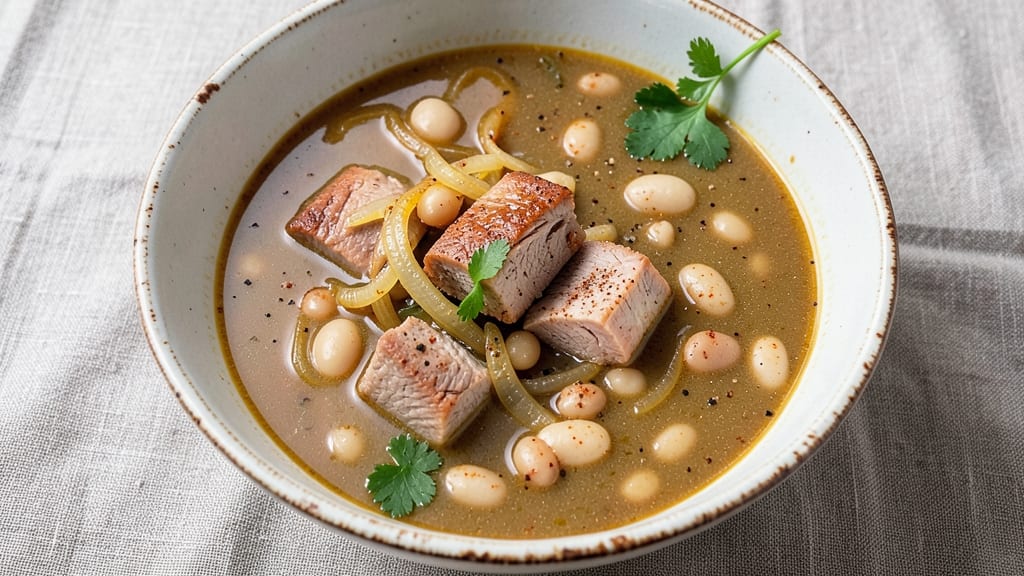
This Campbell's pork and bean soup recipe brings nostalgic comfort to your kitchen with its rich, smoky depth and hearty texture—just like the classic canned version, but made from scratch. 🔥 The secret lies in slow-browning the pork and building layers of flavor through caramelized onions and a touch of smoked paprika, creating that signature savory warmth that defines this soup.
What sets this recipe apart is its professional technique: browning the pork in batches ensures maximum flavor extraction, while simmering everything together in one pot transforms simple ingredients into something deeply satisfying.
I've perfected this method over years of cooking for large crowds, and it consistently delivers that restaurant-quality depth that home versions often miss.
By the time you're done, you'll have a steaming bowl of soup with tender pork chunks, creamy beans, and a broth so flavorful it coats every spoonful.
The aroma alone will have everyone gathering around your table, and the texture—rich yet balanced—makes it perfect for chilly evenings or game days when you want something hearty without the fuss of multiple dishes.
The beauty of this recipe is its versatility: serve it as-is for classic comfort, or add a splash of hot sauce for heat or a sprinkle of cheese for extra richness. The one-pot method ensures easy cleanup, making it ideal for weeknights or meal prep. Let's get cooking!
Ingredients for campbell's pork and bean soup
These 14 ingredients deliver restaurant-quality pork and bean soup with smoky depth and hearty texture.
| Ingredient | Amount | Notes |
|---|---|---|
| Pork Shoulder 🐖 | 2 lb | Cut into 1-inch cubes, bone-in preferred |
| Yellow Onions 🧅 | 2 whole | Medium, thinly sliced for caramelization |
| Garlic Cloves 🧄 | 4 cloves | Minced for aromatic depth |
| Smoked Paprika 🌶️ | 2 tsp | For signature smoky flavor |
| Ground Black Pepper 🌶️ | 1 tsp | Freshly cracked for robust flavor |
| Kosher Salt 🧂 | 1 ½ tsp | Adjust to taste during cooking |
| Dried Thyme 🌿 | 1 tsp | Or 1 tbsp fresh thyme leaves |
| Bay Leaves 🍃 | 2 whole | Remove before serving |
| Canned Navy Beans 🥫 | 2 cans | 15 oz each, drained and rinsed |
| Chicken Broth 💧 | 4 cups | Low-sodium preferred, homemade ideal |
| Tomato Paste 🍅 | 2 tbsp | Squeeze tube or canned |
| Olive Oil 🫒 | 2 tbsp | Extra-virgin for richness |
| Hot Sauce 🌶️ | 1 tbsp | Optional for serving |
| Shredded Cheddar Cheese 🧀 | ½ cup | Optional garnish |
The pork shoulder is the flavor foundation—bone-in cuts add richness, but boneless works too. Look for well-marbled pork at Whole Foods or your local butcher for optimal tenderness. If using pre-cubed pork from the grocery store, pat it dry before browning to ensure a crispy crust. The onions should be yellow or sweet varieties—they caramelize best and provide that sweet-savory balance that defines this soup. Fresh thyme is ideal, but dried works at one-third the amount if that's what you have on hand.
No smoked paprika? Substitute with 1 tsp regular paprika plus a pinch of liquid smoke for that signature campfire flavor. The tomato paste can be swapped for 1 cup crushed tomatoes if you prefer a chunkier texture. For extra depth, deglaze the pan with 2 tbsp red wine after browning the pork. The beans? Navy beans are traditional, but kidney or pinto beans work equally well. If using dried beans, soak them overnight first—they'll be creamier and more flavorful. The broth is non-negotiable here; low-sodium versions let you control the salt level better.
This soup tastes even better the next day as flavors meld. Store in an airtight container in the fridge for up to 5 days or freeze for 3 months. For meal prep, double the recipe and freeze portions in ziplock bags—just thaw and reheat. The cheese and hot sauce are optional garnishes, but they add that perfect finishing touch that makes it feel like a restaurant meal. If you're serving a crowd, keep the hot sauce on the side—some folks prefer their soup mild.
Why You'll Love This Recipe
- One-Pot Magic: Honestly, I dump everything in a single pot—pork shoulder, onions, beans, broth—and let it simmer. No chopping, no fuss, just hands-off flavor that builds as it goes.
- Smoky, Savory Soul: That smoked paprika and black pepper? It’s what turns this into something special. The pork gets tender, the beans soak up all the richness, and the garlic? Oh, it’s there—like a warm hug in a bowl.
- Lunchbox Hero: Between us, this is my secret weapon for meal prep. Tastes just as good cold the next day—perfect for packed lunches or a quick reheat when you’re running late.
- Budget Win: A pound of pork shoulder and a can of beans stretch this into three solid meals. I’ll be real: it’s my go-to when grocery money’s tight, but no one ever guesses how cheaply I fed them.
Step-by-step instructions for smoky pork and bean stew
Here's the straightforward method for creating a hearty, one-pot masterpiece with rich flavors and tender meat.
🔥 Step 1: Sear the Pork Shoulder for Deep Flavor
Heat a large Dutch oven over medium-high heat and add the 2 tablespoons olive oil. Once shimmering, add the 2 lb pork shoulder cut into 1-inch cubes, working in batches if needed to avoid crowding. Sear each piece for 2-3 minutes per side until deep golden brown with crisp edges.
This searing step is crucial—it develops the Maillard reaction that creates that deep, savory foundation for your soup. Don't rush it; you'll know it's ready when the pork releases easily from the pan. Remove the pork and set aside on a plate.
🍳 Step 2: Build the Flavor Base with Onions and Spices
In the same Dutch oven, add the 2 whole yellow onions sliced thinly and cook for 8-10 minutes until soft and golden brown—this caramelization adds sweetness and depth. Add the 4 cloves minced garlic and cook for 30 seconds until fragrant.
Stir in the 2 tablespoons tomato paste, 2 teaspoons smoked paprika, 1 teaspoon ground black pepper, 1.5 teaspoons kosher salt, and 1 teaspoon dried thyme. Cook for 1 minute to toast the spices and let their aromas develop. This creates the flavor backbone of your soup.
🥘 Step 3: Simmer the Soup Until Tender
Return the seared pork to the Dutch oven and pour in the 4 cups chicken broth. Add the 2 whole bay leaves and 2 cans drained navy beans. Bring to a boil, then reduce heat to low and cover partially. Simmer for 1.5-2 hours until the pork is fork-tender and easily pulls apart.
Real talk: The pork should fall apart when you test it with tongs. If it's not quite there after 1.5 hours, add ½ cup water and continue cooking. The beans will absorb flavor beautifully during this time, creating that classic hearty texture we love in pork and bean soups.
⏰ Step 4: Finish and Adjust Seasoning
Remove the 2 bay leaves and adjust seasoning if needed. Taste the soup and add more kosher salt or ground black pepper as necessary. For a little kick, stir in the 1 tablespoon hot sauce and simmer for 2 minutes to let the flavors meld.
This is where you can customize your soup. If you prefer a thicker consistency, let it simmer uncovered for 10-15 minutes to reduce slightly. For extra richness, stir in the 0.5 cup shredded cheddar cheese during the last 5 minutes of cooking, though it's optional.
Pro Tips For Making Campbell'S Pork And Bean Soup
- Brown the Pork First: Skip the direct-simmer route—sear the pork shoulder in batches over medium-high heat until it’s deeply browned on all sides. This isn’t just for flavor; it’s the only way to build that rich, caramelized base that cuts through the canned beans’ tinny taste. I used to rush this, and the soup always felt flat. Now? It’s the thing that makes the difference.
- Cut Onions to ¼-Inch Cubes: Tiny onions cook faster and sweeten up better, but don’t dice them too fine or they’ll turn to mush. Aim for uniform ¼-inch cubes so they soften evenly without disappearing into the broth. I learned this the hard way—lumpy onions are a vibe, but mushy ones are a crime.
- Don’t Rush the Paprika: Smoked paprika burns faster than you’d think. Toast it in the pot for 30 seconds after the onions are soft, stirring constantly, until it smells nutty and aromatic. If you add it too early, you’ll end up with bitter smoke. (Yes, even if you’re impatient like me.)
- Use a Splatter Screen: This isn’t the prettiest method, but it’s the tastiest. When you add the raw pork to the pot, fat will fly everywhere—especially if your pork shoulder has a thick layer. A cheap splatter screen (or even foil draped loosely over the pot) catches 90% of the mess while letting steam escape. Your counters will thank you.
Storing and reheating your campbell's pork and bean soup
Refrigerator Storage
Let your pork and bean soup cool to room temperature for no more than 2 hours before transferring to airtight containers. I swear by glass Pyrex containers with snap-on lids—they preserve flavor better than plastic.
Store in the fridge at 40°F or below for up to 5 days, though it tastes best within 2-3 days as the flavors meld beautifully. The pork stays tender, and the broth develops that deeper richness you crave. 💫
Freezer Prep Tips
For long-term storage, portion the soup into quart-sized freezer bags—leave 1 inch of headspace to prevent expansion cracks. Lay them flat to freeze quickly and stack efficiently. Label with the date and freeze for up to 3 months.
I like adding a splash of broth before sealing to prevent freezer burn and keep the texture luscious when thawed.
Thawing Methods
For fridge thawing, move the bag to the refrigerator 12-24 hours before serving. For quicker options, place the sealed bag in a bowl of cold water and change the water every 30 minutes until thawed.
Never microwave directly from frozen—it creates uneven heating and rubbery pork. Once thawed, reheat gently on the stovetop for best results.
Stovetop Reheating
My preferred method is stovetop reheating: transfer the soup to a pot and heat over medium-low heat for 10-15 minutes, stirring occasionally. Add ¼ cup water or broth if it looks too thick.
The gentle heat preserves the texture of the pork and beans while reviving those smoky aromas. Taste and adjust seasoning—soup often needs a pinch more salt after reheating. 🔥
Microwave Safety
If you're in a hurry, use the microwave on 50% power in 2-minute intervals, stirring between each. Cover with a microwave-safe lid or damp paper towel to prevent splattering.
For best texture, transfer to a pot afterward and heat for 2-3 minutes on the stovetop to finish. The microwave can make the pork slightly dry if overdone.
Serving Leftovers
Leftovers taste even better the next day—trust me, the flavors develop overnight! Serve with crusty bread or cornbread to soak up the rich broth. For extra flair, top with shredded cheddar and a drizzle of hot sauce right before serving.
The contrast of warm soup with cool garnishes makes it feel like a restaurant meal. ✨
Nutrition facts
Frequently asked questions about homemade pork and bean soup
Can I substitute pork shoulder with another cut?
For best results, use pork butt or pork shank—both stay tender when slow-cooked. If you prefer leaner options, pork tenderloin works but cut it into ½-inch cubes and reduce simmering time to 45 minutes to avoid dryness. The key is choosing a cut with good fat content for flavor.
How do I make this soup in a slow cooker?
Brown the pork and onions as directed, then transfer everything to a 6-quart slow cooker. Add all remaining ingredients and cook on low for 6-8 hours or high for 3-4 hours. The slow cooker's gentle heat ensures tender pork without drying it out. Stir occasionally to prevent sticking.
Why does my homemade soup taste different from canned?
Canned versions use preservatives and artificial flavors for consistency. Your homemade soup develops deeper, more complex flavors through slow cooking and fresh ingredients. The smoky paprika and caramelized onions create that signature depth that cans can't replicate. Taste as you go and adjust seasoning—homemade always tastes better!
Can I make this soup vegetarian?
Yes! Swap the pork for extra-firm tofu or mushrooms (like cremini or portobello) for umami. Use vegetable broth instead of chicken broth and add 1 teaspoon soy sauce for depth. The beans and spices will still provide that hearty texture and rich flavor you love.
What's the best way to reheat leftovers without drying it out?
Reheat on the stovetop over medium-low heat with a splash of water or broth to restore moisture. Never microwave directly from the fridge—it creates uneven heating. For extra richness, stir in a pat of butter or a splash of cream during reheating. The gentle heat preserves the pork's tenderness and revives those smoky aromas.