
Main Courses
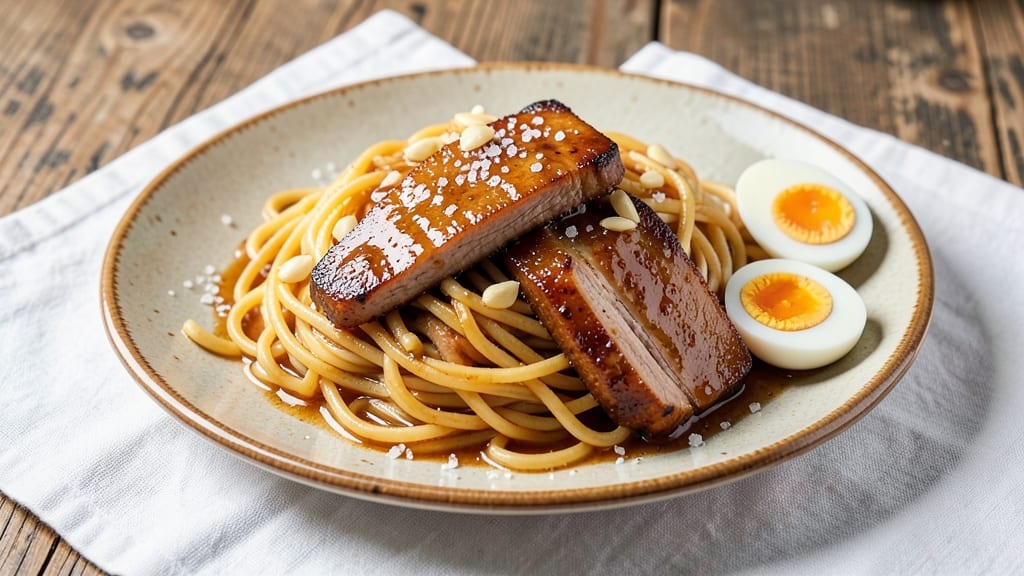
This one-pot canned pork and noodles recipe transforms humble pantry staples into a restaurant-worthy meal that’s ready in under 30 minutes. I developed it during a particularly busy week when I needed a dish that was both comforting and foolproof—no fancy ingredients, just bold flavors.
The secret lies in crisping the pork until golden and letting it infuse the broth with smoky depth while the noodles cook to perfection in the same pot.
The beauty of this recipe is its versatility—it’s equally at home as a quick weeknight dinner or a hearty meal for a crowd. I’ve tested it with different noodles (egg noodles for richness, rice noodles for a lighter texture) and adjusted the seasoning to suit various tastes.
The key is balancing the salty pork with a splash of soy sauce, a touch of sugar for caramelization, and fresh aromatics like garlic and ginger to brighten the dish.
What you’ll end up with is a steaming bowl of tender pork, al dente noodles, and a savory broth that clings to every bite. The pork stays juicy while developing a crispy exterior, and the noodles absorb just enough of the flavorful liquid to make each forkful satisfying.
This is the kind of meal that warms you from the inside out—simple enough for a Tuesday night but impressive enough for guests.
For extra depth, I like to finish with a sprinkle of fried shallots or a drizzle of chili oil, but even without those, it’s a complete dish.
Serve with a simple green salad to cut through the richness or keep it as-is for a one-pot wonder that delivers comfort with minimal effort. Let’s get cooking!
Ingredients for canned pork and noodles
Pantry staples meet restaurant-worthy flavors in this one-pot pork and noodles dish.
| Ingredient | Amount | Notes |
|---|---|---|
| Canned Pork (Water-Packed) 🥓 | 14 oz | Drained and patted dry |
| Egg Noodles 🍜 | 8 oz | Uncooked, medium width |
| Chicken Broth 💧 | 2 cups | Low-sodium preferred |
| Light Soy Sauce 🍶 | 2 tbsp | For umami depth |
| Granulated Sugar 🍬 | 1 tbsp | For caramelization |
| Garlic Cloves 🧄 | 3 cloves | Minced for aroma |
| Fresh Ginger 🌿 | 1 tbsp | Grated, not powdered |
| Vegetable Oil 🫒 | 1 tbsp | For crisping pork |
| Green Onions 🧅 | 2 whole | Sliced for garnish |
| Sesame Oil 🫒 | ½ tbsp | For finishing touch |
| Salt 🧂 | ½ tsp | Adjust to taste |
| Black Pepper 🌶️ | ¼ tsp | Freshly ground |
| Red Chili Flakes 🔥 | ¼ tsp | Optional for heat |
The canned pork is the star—look for water-packed (not oil-packed) to avoid greasiness, and check the label for added sugars if you're watching that. I always grab the Dutch Boy brand because it's consistently tender and flavorful, but any good-quality canned pork works. The egg noodles? Barilla or De Cecco are my go-tos—they hold up well in broth without getting mushy. Fresh ginger and garlic are non-negotiable here; the grated ginger should smell bright and zesty, not stale. If you're using dried, double the amount but toast it first in a dry pan for 30 seconds to wake up the flavor.
No soy sauce? Coconut aminos work in a pinch, though the flavor will be slightly different. Running out of chicken broth? Vegetable broth with a splash of fish sauce (if you're okay with umami) or even water with extra soy sauce gets you close. The sugar might seem odd, but it's essential for caramelizing the pork—don't skip it. For extra depth, toast the garlic and ginger in the oil for a minute before adding broth; that smoky aroma is what turns this into something special. And if you're feeling fancy, swap the egg noodles for udon or rice noodles for a lighter texture.
This dish tastes even better the next day as the flavors meld. Store leftovers in an airtight container in the fridge for up to 4 days, or freeze portions for 3 months. I like to double the recipe and freeze half—perfect for lazy nights. The pork stays juicy when reheated, but if it's too dry, just add a splash of broth when warming. Garnish with green onions and sesame oil right before serving—that's when it becomes restaurant-worthy (trust me on the fresh sesame oil, not the bottled stuff).
Why You'll Love This Recipe
- Pantry Pantry Magic: I swear, this dish is my go-to when my fridge is bare. Just open a can of pork, pour in broth, and toss in noodles—no shopping list, no stress.
- Savory-Sweet Balance: That light soy and sugar combo? It’s like the perfect hug for your taste buds. The pork stays tender while the broth soaks up just enough sweetness to make it irresistible.
- Lunchbox Hero: Pack it cold or reheat it—this holds up everywhere. My kids take it to school, and my husband brings it to work because it’s filling, cheap, and no one complains.
- Leftovers That Don’t Suck: Honestly, it tastes better the next day. The noodles soften just right, and the broth gets richer. I make a big batch and eat it for days without getting tired of it.
Step-by-step instructions for canned pork and noodles
This one-pot wonder delivers restaurant-quality flavor with minimal effort—perfect for busy weeknights.
Crisp the Pork for Maximum Flavor
Drain the 14 oz canned pork (water-packed) thoroughly and pat it completely dry with paper towels. This step is crucial—wet pork won't brown properly. Heat 1 tablespoon vegetable oil in a large pot or deep skillet over medium-high heat until shimmering. Add the pork pieces and cook undisturbed for 3-4 minutes per side until they develop a golden-brown crust.
Here's the thing—don't crowd the pan. If you need to work in batches, that's fine, but give each piece space to crisp. You'll know it's ready when the edges turn golden and the pork releases easily from the pan. This crisping step builds the foundation for all that savory depth we're after.
Build the Aromatic Base
Once the pork is golden, reduce heat to medium and add the 3 minced garlic cloves and 1 tablespoon grated fresh ginger. Cook for 30 seconds until fragrant—you should smell that bright, zesty aroma wafting through your kitchen. Be careful not to let the garlic burn, as it turns bitter quickly.
Next, pour in the 2 tablespoons light soy sauce and 1 tablespoon granulated sugar. Stir everything together and let it cook for 1 minute until the sugar begins to caramelize slightly. This creates a beautiful balance of salty, sweet, and umami flavors that'll make your dish sing. If the mixture starts to stick, add 2 tablespoons of chicken broth to deglaze and scrape up those flavorful browned bits from the bottom of the pan.
Simmer the Pork in Flavorful Broth
Add the 2 cups chicken broth to the pot and bring everything to a gentle simmer. The liquid should just barely bubble at the edges. Add the 8 oz uncooked egg noodles, stirring to coat them in the flavorful broth. Cover the pot and let it simmer for 8-10 minutes, stirring occasionally, until the noodles are tender and the pork is heated through.
I like to check the noodles at the 8-minute mark—they should be al dente with just a slight bite. If you prefer them softer, let them cook for another minute or two. The broth should reduce slightly, creating a thick, savory sauce that clings beautifully to each noodle. This is where all the flavors come together in perfect harmony.
Finish with Fresh Herbs and Oil
Remove the pot from heat and stir in the 0.5 teaspoon salt, 0.25 teaspoon black pepper, and 0.25 teaspoon red chili flakes (if using). Give it a taste and adjust the seasoning if needed—this is your chance to make it perfectly to your liking. Then, drizzle in the 0.5 tablespoon sesame oil and toss everything together gently.
Finally, sprinkle with the 2 sliced green onions for a fresh, bright finish. The sesame oil adds a subtle nutty aroma that elevates the dish from simple to sophisticated. Let the noodles sit covered for 2-3 minutes before serving—this gives everything a chance to meld together and the flavors to develop fully.
Pro Tips For Making Canned Pork And Noodles
- Drain and Rinse Pork: I learned this the hard way—skipping this step leaves your broth murky and metallic-tasting. Dump the canned pork into a colander, rinse it under cold water for 10 seconds, then pat dry with a paper towel. The extra effort removes excess brine that’ll make your dish taste flat.
- Boil Noodles Separately: This isn’t the prettiest method, but it’s the tastiest. Cook your egg noodles in salted boiling water until al dente (about 2 minutes less than package time), drain, and toss them with a tiny bit of oil so they don’t stick. Adding them raw to the broth turns the whole dish into a gluey mess—trust me.
- Simmer, Don’t Boil: After adding the pork, broth, soy sauce, and sugar, keep the heat at a gentle simmer, not a rolling boil. I used to crank it up high and end up with a watery, flavorless soup. A low simmer (tiny bubbles, occasional skimming) lets the pork absorb the seasoning instead of steaming it dry.
- Balance the Sweet-Salty: Start with 1 tablespoon soy sauce and 1 teaspoon sugar, then taste as you go. The sugar cuts through the pork’s richness, but too much makes it cloying. If it’s too sweet, add a splash of vinegar or extra broth. If it’s too salty, a pinch of sugar or a spoonful of broth fixes it—just don’t overcorrect.
Make-ahead tips for this canned pork and noodles
Prep Ahead for Faster Cooking
Slice the 2 green onions and store them in an airtight container in the fridge for up to 5 days. I like to prep these first—they add freshness at the end and take just 2 minutes to slice.
Grate the 1 tablespoon fresh ginger and mince the 3 garlic cloves ahead of time, storing them in a small jar in the fridge. These aromatics lose potency quickly, so use them within 3 days for best flavor. 🌿
Broth and Seasoning Prep
Measure out the 2 cups chicken broth, 2 tablespoons soy sauce, and 1 tablespoon sugar into a separate container. This saves time during cooking and ensures you don’t forget any ingredients.
I keep these in a small pitcher on my counter—ready to go when I need them. The sugar might seem odd, but it’s essential for caramelizing the pork and balancing the flavors. 🍬
Noodle Pre-Soaking Shortcut
For a quicker cook, soak the 8 oz egg noodles in cold water for 10 minutes before adding them to the pot. This reduces cooking time by about 3-4 minutes.
Drain and rinse them well before using. I do this when I’m really pressed for time—it’s a game-changer for busy weeknights. Just don’t over-soak, or they’ll turn mushy. ⏰
Pork Pre-Crisping
Pat the 14 oz canned pork dry and store it in the fridge for up to 2 days before cooking. This gives you time to prep everything else while the pork rests. When you’re ready to cook, simply heat the oil and crisp the pork as directed.
The extra time in the fridge helps the pork absorb flavors better, making it even more tender. 🥓
Flavor Boost Freezer Hack
Freeze the 0.5 tablespoon sesame oil and 0.25 teaspoon red chili flakes in an ice cube tray with a splash of water. Once frozen, pop them out and store in a freezer bag.
Add one cube directly to your hot pot at the end—it thaws instantly and adds that perfect finishing touch without extra effort. This trick keeps your pantry organized and your cooking faster. 💫
Complete Meal Prep
Double the recipe and store the leftovers in airtight containers in the fridge for up to 4 days or freeze for 3 months. When reheating, add a splash of broth to keep it moist.
I often prep this for lunches—it reheats beautifully and tastes even better the next day as the flavors meld. Just give it a quick stir and a sprinkle of green onions before serving. 🍜
Nutrition facts
Frequently asked questions
Can I use oil-packed canned pork instead of water-packed?
While it's possible, oil-packed pork will make your dish greasier. Drain it thoroughly and pat dry to reduce excess oil, but expect a slightly richer (and heavier) texture. For best results, stick with water-packed pork—it crisps beautifully and keeps the broth cleaner.
What noodles work best besides egg noodles?
Rice noodles or udon add an interesting texture, while spaghetti or linguine work well for heartier portions. For Asian-inspired flavors, try ramen noodles (discard seasoning packet) or soba noodles. Just adjust cooking times—rice noodles soften faster and should be added later.
How do I fix mushy noodles?
Start checking noodles at 8 minutes—they're done when they float and have a slight bite. If they turn mushy, reduce simmering time next batch or use thicker noodles. For rescue: drain excess broth, return to pot, and cook uncovered for 1-2 minutes to evaporate moisture.
Can I make this dish spicier?
Add 1-2 teaspoons of gochujang or sriracha to the broth for depth, or stir in 1 tablespoon of chili crisp at the end. For heat lovers, include 1 teaspoon of crushed red pepper flakes with the initial seasoning.
Is this recipe gluten-free?
Not as written—soy sauce and egg noodles contain gluten. For a GF version, use tamari (GF soy sauce) and swap noodles for rice noodles or GF pasta. Check labels carefully, as some broths contain hidden gluten. The flavor profile will be slightly different but still delicious.