
Main Courses
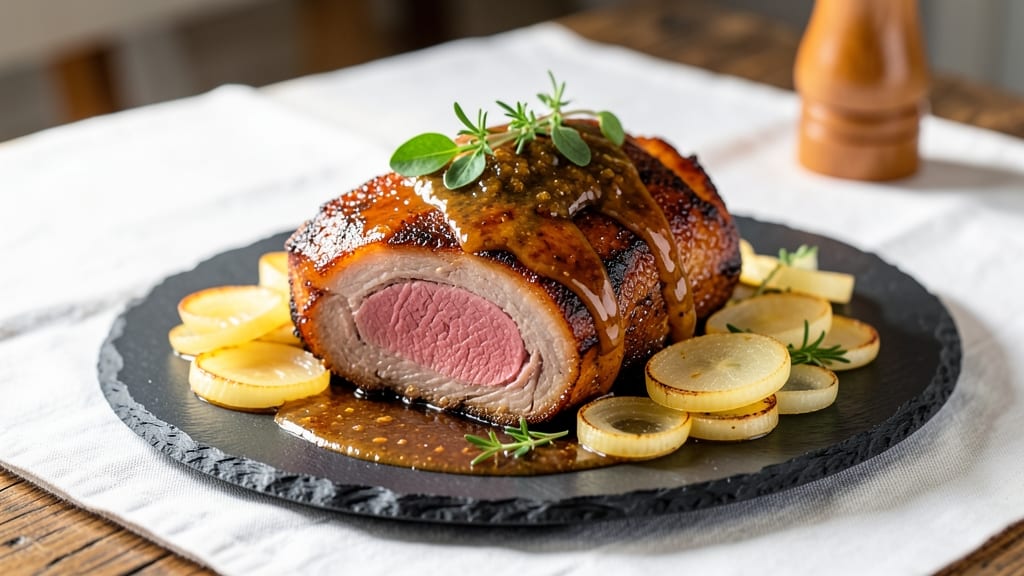
This caramelised pork recipe delivers the kind of smoky-sweet perfection that transforms a simple cut into a showstopping centerpiece. ✨ After years of perfecting the balance between tender meat and rich glaze, I've developed a method that delivers restaurant-quality results with minimal effort—just a few key techniques and patience.
The secret lies in slow cooking to render fat, then finishing with high heat to create that signature caramelized crust.
What sets this recipe apart is the two-stage cooking process: first searing the pork to lock in juices, then braising until fork-tender before the final caramelization. This approach ensures deep flavor penetration while maintaining a juicy interior that never dries out.
The glaze—made from reduced brown sugar, mustard, and a splash of bourbon—adds layers of complexity that elevate ordinary pork chops or shoulder into something extraordinary.
By the time you serve this dish, you'll have golden, glossy pork with a crackling crust that gives way to tender, melt-in-your-mouth meat beneath. The glaze clings beautifully, offering sweet, tangy, and slightly smoky notes in every bite.
This is the kind of recipe that makes your table the center of attention—whether you're hosting a dinner party or treating yourself to a special weeknight meal.
The best part? This method works equally well with pork chops, tenderloin, or even a whole shoulder. Pair it with roasted root vegetables, creamy mashed potatoes, or a simple arugula salad to round out the plate. Let's get started on creating your own showstopping centerpiece.
Ingredients for caramelised pork
Pork shoulder, bourbon, and brown sugar—these are the stars of a showstopping caramelized masterpiece.
| Ingredient | Amount | Notes |
|---|---|---|
| Pork Shoulder (Bone-in) 🍖 | 3 lb | Cut into 2-inch chunks, skin-on preferred |
| Light Brown Sugar 🍯 | ¾ cup | Packed firmly, no substitutes |
| Dijon Mustard 🍯 | 2 tbsp | High-quality, smooth variety |
| Bourbon 🍷 | ½ cup | 80-proof or higher for depth |
| Apple Cider Vinegar 🍏 | ¼ cup | For tangy balance |
| Yellow Onion 🧅 | 1 whole | Large, roughly chopped |
| Garlic Cloves 🧄 | 6 cloves | Peeled, smashed for flavor |
| Fresh Thyme 🌿 | ¼ cup | Stems removed, chopped |
| Fresh Rosemary 🌿 | ¼ cup | Needles only, finely chopped |
| Unsalted Butter 🧈 | 4 tbsp | Cold, cubed for searing |
| Kosher Salt 🧂 | 1 ½ tsp | Diamond Crystal preferred |
| Ground Black Pepper 🌶️ | 1 tsp | Freshly cracked |
| Vegetable Oil 🫒 | ½ cup | High smoke point for searing |
| Beef Broth 💧 | 1 ½ cups | Low-sodium preferred |
The pork shoulder is where it all begins. Bone-in cuts stay juicier, and the skin adds crispy texture when seared. Look for well-marbled pieces at Whole Foods or your local butcher—they'll thank you later. If you can't find bone-in, pork butt works just as well. The key is to cut it into even 2-inch chunks so everything cooks at the same rate. Fresh herbs matter too—Trader Joe's has great bundles of thyme and rosemary, but if yours are wilting, skip them entirely and double the garlic for depth.
Bourbon is non-negotiable here—it's what gives that smoky-sweet complexity. No bourbon? Swap for apple brandy or even extra balsamic vinegar, though the flavor won't be identical. Brown sugar packs the caramelized punch, but muscovado sugar adds molasses notes if you're feeling fancy. The Dijon mustard might seem small, but it's what ties the sweet and smoky flavors together. No mustard? A dash of smoked paprika can mimic some of that depth. And if you're worried about the vinegar making the pork tough, don't be—it actually helps tenderize the meat during the braising process.
This dish tastes even better the next day, so make it ahead if you can. Store the cooked pork in its juices in the fridge for up to 5 days, or freeze for 3 months in an airtight container. The glaze will thicken when chilled, so just reheat it gently with a splash of water or broth. For serving, I like to slice against the grain and arrange on a platter with extra glaze drizzled over the top—garnish with fresh thyme sprigs for that restaurant touch. The pork reheats beautifully in the oven at 300°F until warmed through.
Why You'll Love This Recipe
- One-Pan Magic: I swear by this for lazy Sundays—just toss the pork, sugar, and bourbon in one pan, let it slow-cook, and walk away. No chopping, no fussing, no extra pots. The bone-in shoulder stays juicy while the caramel clings like a sweet, sticky hug.
- Sweet-Savory Balance: That brown sugar and Dijon mustard glaze? It’s where the magic happens—deep, smoky pork with a crispy edge, cut through by the vinegar’s tang. Honestly, the first bite makes you question why you’ve ever bought pre-made sauces.
- Leftovers That Win: This recipe actually improves the next day. Cold slices on toast with a fried egg? Heaven. Or shred it for tacos—suddenly, your grocery money stretches further than ever. My freezer’s always stocked with it.
- Budget Crowd-Pleaser: Bone-in pork shoulder is cheaper than you think, and it feeds four for dinner, six for leftovers. The bourbon and vinegar add depth without breaking the bank—plus, everyone at the table will ask for seconds. (Yes, even the picky eaters.)
Step-by-step instructions for caramelised pork with smoky sweet glaze
Here's how to transform tough pork shoulder into melt-in-your-mouth perfection with a glossy, sticky-sweet caramel glaze.
🔥 Step 1: Sear the Pork Shoulder for Deep Flavor
Pat the 3 lb pork shoulder completely dry with paper towels—this is non-negotiable for crispy skin. Heat 0.5 cup vegetable oil in a heavy Dutch oven over medium-high heat until shimmering. Working in batches, add the pork chunks and sear for 4-5 minutes per side until deeply golden brown. You want that Maillard reaction happening—those beautiful brown spots mean flavor development.
Don't crowd the pan or the temperature will drop. I like to press down gently on the pork with a spatula during the first minute—this prevents curling and ensures even contact with the oil. Transfer the seared pork to a plate and set aside. Here's the thing—this initial sear builds the flavor foundation for your glaze, so don't skip it.
👨🍳 Step 2: Build the Glaze Base with Aromatics and Liquids
In the same Dutch oven (no need to wipe it clean—those browned bits are pure flavor), add 4 tbsp cold cubed unsalted butter and let it melt over medium heat. Add the 1 whole yellow onion and 6 smashed garlic cloves, cooking for 5-6 minutes until softened and golden. You'll smell that sweet onion aroma—this is where the glaze starts developing its depth.
Pour in the 0.5 cup bourbon and scrape up any browned bits from the bottom. Let it simmer for 2 minutes until the alcohol burns off completely. Then add the 0.25 cup apple cider vinegar and 1.5 cups beef broth, scraping again to incorporate all those flavorful bits. This liquid base will reduce and caramelize beautifully as we cook.
🥘 Step 3: Layer in Sweet and Herbal Elements
Return the seared pork to the pot. Stir in the 0.75 cup packed light brown sugar, 2 tbsp dijon mustard, 0.25 cup chopped fresh thyme, and 0.25 cup chopped fresh rosemary. The sugar will start dissolving immediately as the liquid simmers. Sprinkle with 1.5 tsp kosher salt and 1 tsp ground black pepper, then give everything a good stir to coat the pork evenly.
Here's where the magic happens: the sugar will caramelize as it cooks, creating that glossy, sticky glaze we're after. I like to give the pork a gentle shake every few minutes to ensure all pieces get coated with the developing sauce. The herbs will infuse their aromatic qualities into both the meat and the glaze.
⏰ Step 4: Slow Cook Until Fork-Tender
Cover the Dutch oven and transfer to a 300°F oven. Cook for 2.5-3 hours, turning the pork occasionally, until it's fork-tender and the glaze has thickened to a syrupy consistency. You'll know it's ready when a knife slides in easily and the pork pulls apart with minimal resistance. If the glaze starts looking too thin before the pork is done, uncover and simmer for 10-15 minutes to reduce it.
Real talk: this is where patience pays off. The slow cooking breaks down the collagen in the pork, transforming it into tender, juicy meat. The glaze should coat the pork completely, with a beautiful caramelized sheen. If you peek and see the glaze is too thin, just let it cook uncovered for a bit longer—it'll thicken as it reduces.
🍽️ Step 5: Rest and Serve with Glossy Perfection
Transfer the pork to a serving platter and let it rest for 15 minutes before slicing. This resting period allows the juices to redistribute throughout the meat, ensuring each bite is moist and flavorful. During this time, you can skim off any excess fat from the glaze if you prefer a cleaner presentation, though I like to leave some for extra richness.
Slice the pork against the grain into ¼-inch thick pieces and serve immediately with the caramelized glaze spooned generously over the top. The contrast of tender pork with that sticky-sweet, herby glaze is what makes this dish truly special. Pair it with roasted vegetables or crusty bread to soak up every last drop of that glorious sauce.
Pro Tips For Making Caramelised Pork
- CRUSH THE SUGAR FIRST: Light brown sugar clumps like a stubborn guest at a dinner party—don’t let it ruin your glaze. Pulse it in a food processor (or smash it with a rolling pin) until it’s fine and free-flowing. This ensures your caramelized coating melts evenly instead of clinging in stubborn lumps, especially when you’re basting that pork shoulder.
- SALT THE PORK TWICE: Generously coat the pork with kosher salt before searing, then again after it rests—yes, even if it’s bone-in. The first layer seasons the meat, the second helps the crust form properly. I used to skip the second round, and the exterior always tasted bland compared to the juicy interior.
- BASTE WITH BOURBON MID-COOK: Pour that bourbon in when the pork’s halfway through cooking, not just at the end. The alcohol will burn off early, leaving behind deeper flavor that clings to the meat as it renders. If you wait too long, you’ll just end up with a boozy glaze instead of infused pork.
- USE VINEGAR LAST: Hold off on adding the apple cider vinegar until the final 30 minutes of cooking. It’s acidic enough to break down the sugar too early, turning your glossy caramel into a sticky mess. Save it for when you want that bright, tangy punch at the finish.
Flavor customization for this recipe
Sweet Heat Balance
Adjust the sweet-to-spicy ratio by adding 1-2 tsp smoked paprika or ½ tsp cayenne pepper to the glaze for heat lovers. I often test the balance by tasting the sauce mid-cook—start with ½ tsp cayenne and adjust up to 1 tsp if you prefer more kick.
For a smoky depth without heat, swap cayenne for ½ tsp chipotle powder in adobo sauce. 🌶️
Bourbon Variations
Swap bourbon for apple brandy or rum for a different depth of flavor. I've used dark rum in Caribbean-inspired versions, which adds molasses notes that pair beautifully with the caramelized pork.
For a non-alcoholic version, use extra apple cider vinegar (add 2 tbsp) and a splash of molasses to mimic the sweetness and complexity.
Herb Swaps
Fresh thyme and rosemary are my go-tos, but fresh sage or oregano work beautifully too. For a Mediterranean twist, add 1 tsp dried oregano and ½ tsp cinnamon to the glaze.
If you're short on fresh herbs, use 1 tsp dried thyme and ½ tsp dried rosemary, but remember dried herbs are more concentrated—start with half the amount and adjust to taste.
Glaze Thickness Control
Want a thicker glaze? Reduce the beef broth by ½ cup and add 1 tbsp cornstarch mixed with 2 tbsp water at the end of cooking. For a thinner, more sauce-like consistency, increase the broth by ½ cup.
I've also used orange juice (½ cup) instead of broth for a brighter, citrusy glaze that cuts through the richness of the pork.
Pork Cut Alternatives
This recipe works beautifully with pork chops (bone-in, 1-inch thick) or pork tenderloin (cut into 2-inch chunks). For chops, reduce cooking time to 1.5-2 hours and sear them skin-side down first for extra crispiness. If using tenderloin, add ½ cup extra beef broth to prevent drying out.
I've also made this with pork belly for a richer, fattier result—just reduce the sugar by ¼ cup since the fat already adds richness.
Flavor Boosters
Add 1 tsp ground cinnamon or ½ tsp allspice to the glaze for warmth and depth. A splash of soy sauce (1 tbsp) adds umami, while 1 tbsp honey replaces some of the brown sugar for a lighter sweetness.
For a tangy twist, stir in 1 tbsp balsamic vinegar at the end of cooking. These tweaks let you customize the dish to your taste while keeping the caramelized magic intact.
Nutrition facts
Frequently asked questions
Can I use pork chops instead of pork shoulder for this recipe?
Bone-in pork chops (about 1-inch thick) work beautifully. Sear them skin-side down first for extra crispiness, then reduce the cooking time to 1.5-2 hours at 300°F. Use the same glaze recipe, but add ½ cup extra beef broth to prevent drying out.
What if my glaze isn't caramelizing properly?
If the glaze stays too thin, uncover the pot and simmer uncovered for 10-15 minutes to reduce it. For extra caramelization, add 1 tbsp cornstarch mixed with 2 tbsp water at the end and simmer until thickened. Make sure your sugar is packed tightly—lightly packed sugar won't dissolve as well.
How do I store leftovers to keep the pork tender?
Store cooked pork in its juices in an airtight container for up to 5 days in the fridge. To reheat, warm in a 300°F oven until heated through (about 20-30 minutes). The glaze will thicken when chilled, so add a splash of water or broth when reheating if it's too stiff.
Can I make this recipe without bourbon?
Yes! Swap bourbon for apple brandy or dark rum for depth. For a non-alcoholic version, use 2 extra tbsp apple cider vinegar plus 1 tbsp molasses to mimic the sweetness and complexity. The flavor won't be identical, but it'll still be delicious!
What's the best way to serve this caramelised pork?
Slice against the grain for maximum tenderness, then arrange on a platter with extra glaze spooned over the top. Garnish with fresh thyme sprigs for a restaurant-worthy touch. Pair with roasted root vegetables, creamy mashed potatoes, or crusty bread to soak up the glaze.