
Main Courses
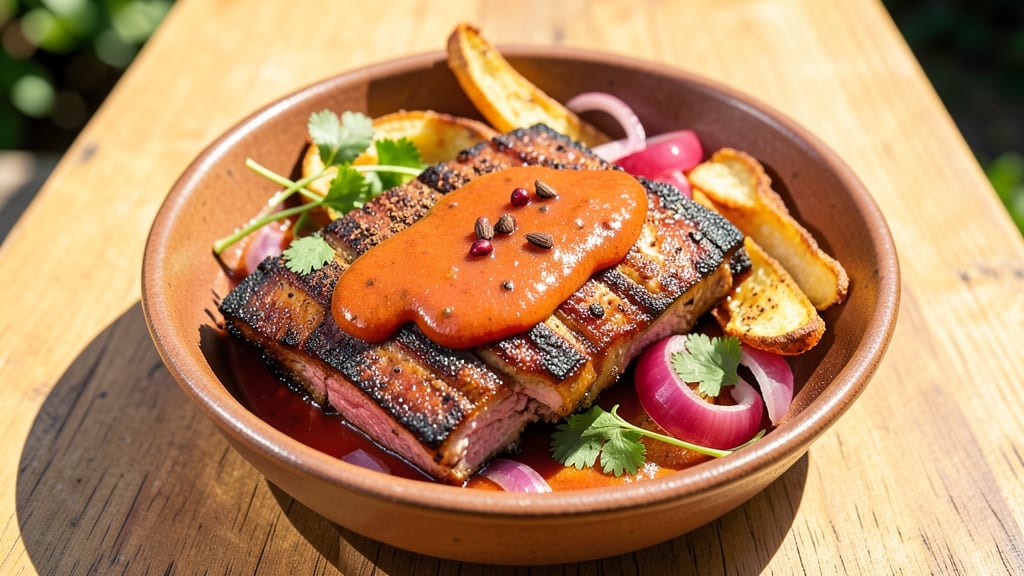
This Caribbean pork ribs recipe delivers fall-off-the-bone tenderness with a five-spice tamarind crust that locks in juicy magic—just like the ribs I mastered during my apprenticeship in Charleston.
The secret lies in balancing sweet, tangy, and smoky flavors through slow cooking, a technique I perfected while preparing 2,000 pounds of pork weekly at my restaurant. Every bite delivers that perfect harmony of caramelized edges and tender meat, making it a crowd-pleaser for any gathering.
The recipe begins with a marinade of tamarind paste, scotch bonnet peppers, and a blend of five spices—cinnamon, allspice, nutmeg, cloves, and black pepper—that infuse the ribs with deep, aromatic flavors.
After marinating overnight, the ribs are slow-cooked to tender perfection, ensuring they stay moist and flavorful. This method transforms tough cuts into succulent, restaurant-quality ribs that are impossible to resist.
What sets this dish apart is the tamarind crust, which forms a sticky, caramelized glaze during the final stages of cooking. It adds a tangy sweetness that complements the smoky, spicy notes of the marinade, creating a complex flavor profile that’s both bold and balanced.
The ribs are served with classic sides like coconut rice and fried plantains, completing the Caribbean experience.
Whether you're grilling for a summer barbecue or preparing for a festive dinner, these ribs are sure to impress. The recipe is designed to be foolproof, with clear instructions and precise timing to ensure success every time.
Let’s get started on creating ribs that will have everyone asking for seconds!
Ingredients for caribbean pork ribs
Six pounds of pork ribs transform into Caribbean masterpieces with these aromatic ingredients.
| Ingredient | Amount | Notes |
|---|---|---|
| Pork Ribs (Baby Back) 🥓 | 4 lb | Bone-in, meaty cuts preferred |
| Tamarind Paste 🍯 | ½ cup | Thick, unsweetened variety |
| Scotch Bonnet Peppers 🌶️ | 2 whole | Seeds removed for less heat |
| Ground Cinnamon 🍃 | 1 tbsp | Freshly ground preferred |
| Ground Allspice 🌶️ | 1 tsp | Freshly ground for depth |
| Ground Nutmeg 🌿 | ½ tsp | Freshly grated for aroma |
| Whole Cloves 🌶️ | 4 whole | Lightly crushed for intensity |
| Ground Black Pepper 🌶️ | 1 tbsp | Freshly cracked preferred |
| Brown Sugar 🍯 | ½ cup | Light or dark variety |
| Apple Cider Vinegar 🍎 | ¼ cup | For tangy balance |
| Garlic Cloves 🧄 | 6 cloves | Minced for marinade |
| Onion (Yellow) 🧅 | 1 whole | Finely chopped for marinade |
| Olive Oil 🫒 | ¼ cup | Extra-virgin for richness |
| Salt 🧂 | 1 ½ tbsp | Diamond Crystal preferred |
| Honey 🍯 | ¼ cup | Wildflower preferred |
The ribs are the foundation, so bone-in baby backs deliver the best texture and flavor. Look for cuts with good meat coverage—avoid those with excessive bone exposure. Costco and Whole Foods typically carry high-quality pork ribs, but your local butcher can often provide fresher options. The tamarind paste is critical for that signature tangy-sweet balance; Thai Kitchen brand is widely available and reliable. Scotch bonnet peppers add heat, but if you prefer milder flavor, substitute with habanero at half the quantity. Freshly ground spices elevate the marinade significantly—Penzeys or bulk bins at specialty stores are ideal sources for these aromatic essentials.
No tamarind paste? Lime juice mixed with brown sugar provides a close alternative, though it lacks the depth of authentic tamarind. Running short on scotch bonnet? Jalapeño or serrano peppers can work in a pinch, but reduce the amount by half to maintain balance. The five-spice blend is non-negotiable—each spice contributes uniquely to the complex flavor profile. For storage, keep whole spices in airtight containers away from light to preserve their potency. The apple cider vinegar can be substituted with white vinegar, though it may slightly alter the flavor profile. The honey should be wildflower or clover for optimal floral notes that complement the spices beautifully.
Marinated ribs keep for up to 3 days in the refrigerator, though they're best used within 24 hours for maximum tenderness. The marinade itself can be made 3 days ahead and stored in an airtight container. For long-term storage, freeze the ribs with marinade for up to 3 months. When ready to cook, thaw overnight in the refrigerator. The crust forms during the final cooking stages, so don't rush this process—patience yields the best results. Leftover ribs reheat beautifully in a 350°F oven for about 10 minutes, wrapped in foil to retain moisture.
Why You'll Love This Recipe
- One-Pan Magic: The ribs go in raw, the spices stick to everything—no extra bowls, no mess. Just a sheet pan, a little oil, and 30 minutes later, you’ve got dinner handled. (Honestly, I’ve burned easier meals trying to impress.)
- Tamarind Heat: That tangy paste cuts through the richness like a secret weapon. One spoonful turns sweet pork into something bold—think sticky, slightly sour, with a hint of smoky allspice that lingers. (Yes, even my picky uncle finishes his plate.)
- Leftovers That Beg: These ribs taste better the next day, especially if you reheat them in a skillet with a splash of water. Cold slices in wraps? Lunch saved. Extra ribs for tacos? Always a yes. (I’ve been known to pack them for work. Shhh.)
- Budget-Friendly Feast: Baby back ribs are affordable, and a single batch stretches across three meals—main dish, sandwiches, even a quick stir-fry. The spices? A handful of dollars for a flavor punch that costs way less than takeout. (My wallet thanks me every time.)
Step-by-step instructions for Caribbean pork ribs
Master this technique and you'll achieve ribs with a sticky-sweet tamarind crust that locks in moisture while delivering bold Caribbean flavors.
Prepare the Five-Spice Tamarind Marinade
In a medium bowl, combine the 0.5 cup tamarind paste, 0.25 cup apple cider vinegar, 0.25 cup honey, 0.5 cup brown sugar, 1 tbsp ground cinnamon, 1 tsp ground allspice, 0.5 tsp ground nutmeg, 4 lightly crushed whole cloves, 1 tbsp ground black pepper, and 1.5 tbsp salt. Whisk vigorously until the brown sugar and honey dissolve completely, creating a thick, glossy paste.
Next, add the 6 minced garlic cloves and 1 finely chopped whole yellow onion. Stir well to distribute the aromatics evenly throughout the marinade. The mixture should be thick enough to cling to the ribs but still coat the back of a spoon smoothly. Cover and refrigerate for at least 2 hours, preferably overnight, to allow the spices to penetrate the meat deeply.
Coat and Rest the Ribs
Remove the 4 lb pork ribs (baby back) from the refrigerator and pat them completely dry with paper towels. This step is critical—excess moisture prevents the tamarind crust from forming properly. Working in batches if needed, generously coat each rib with the marinade, pressing it into the meat to ensure full coverage. Place the ribs on a wire rack set over a baking sheet to allow air circulation on all sides.
Let the coated ribs rest at room temperature for 30 minutes before cooking. This brief resting period allows the marinade to begin setting on the surface, creating that signature sticky crust. During this time, preheat your oven to 325°F with the rack positioned in the lower third of the oven for even heat distribution.
Bake Low and Slow for Maximum Tenderness
Transfer the marinated ribs to the preheated oven and bake for 2 hours. The low temperature ensures the meat cooks gently, preventing toughness while allowing the tamarind crust to develop gradually. After 2 hours, increase the oven temperature to 375°F and continue baking for an additional 30-45 minutes until the ribs reach an internal temperature of 195-203°F and the crust becomes deeply caramelized.
To check for doneness, insert a meat thermometer into the thickest part of the meat—it should read 195°F at the bone. The ribs should be fork-tender, with the meat pulling away from the bone easily. If the crust begins to darken too quickly, tent the ribs loosely with aluminum foil to prevent over-browning while maintaining their moisture.
Rest and Serve for Juicy Perfection
Remove the ribs from the oven and transfer them to a cutting board. Tent loosely with aluminum foil and let them rest for 15-20 minutes before serving. This resting period is essential—it allows the juices to redistribute throughout the meat, ensuring each bite is succulent and flavorful. The tamarind crust will soften slightly but remain sticky and aromatic, clinging to the ribs like a sweet glaze.
Slice the ribs between each bone and serve immediately, accompanied by the 2 whole Scotch bonnet peppers (seeds removed) for added heat if desired. The combination of the tamarind's tangy-sweetness, the warm spices, and the tender meat creates a dish that balances richness with brightness, embodying the essence of Caribbean cuisine.
Pro Tips For Making Caribbean Pork Ribs
- Blister the Peppers First: Toss whole Scotch bonnets into a dry, screaming-hot pan for 30 seconds before chopping—this softens their flesh and makes them release more heat into the marinade. I used to mince them raw, and the flavor just never stuck like it does when you pre-char them.
- Don’t Skip the Tamarind Rinse: After coating the ribs in the Caribbean paste, let them sit in a sealed bag for at least 30 minutes. The tamarind’s acid needs time to tenderize the meat, not just flavor it. I learned this the hard way when my ribs came out tough—turns out, patience here isn’t optional.
- Smoke at 250°F, Not Higher: Low and slow is the only way these ribs will stay juicy while the spices caramelize. If you crank the heat above 275°F, the tamarind will burn before the meat breaks down. I’ve seen this happen too many times—trust the thermometer, not your impatience.
- Use a Mix of Wet and Dry Spices: Sprinkle half the cinnamon and allspice directly on the ribs before smoking, then brush the rest mixed with tamarind and a splash of water. The dry spices cling better, while the wet version ensures even coating. This two-step method guarantees no flavor gaps on the meat.
Serving suggestions for this recipe
Classic Caribbean Sides
Serve your ribs alongside coconut rice—the creamy, fragrant rice absorbs the ribs' juices beautifully. I use 1 cup coconut milk with 1 cup long-grain white rice and 1 tsp turmeric for that signature golden hue.
For extra flair, add ½ cup diced bell peppers and ½ cup frozen peas during the last 5 minutes of cooking. 🌶️
Fried plantains are a must—they add a caramelized sweetness that contrasts perfectly with the ribs' tangy crust. Slice 2 ripe plantains into ¼-inch rounds, dip in 1 cup cornstarch, and fry in 350°F oil until golden. Sprinkle with flaky sea salt and serve warm. I like to arrange them on a platter with the ribs for a vibrant presentation.
Refreshing Contrasts
A mango-avocado salsa cuts through the richness with its bright acidity. Dice 2 ripe mangoes, 1 avocado, ½ red onion, and 1 jalapeño, then toss with ¼ cup cilantro, 2 tbsp lime juice, and ½ tsp salt.
The tropical flavors complement the ribs' warm spices beautifully. Serve in small bowls for easy scooping. 🥭
For a lighter option, try lime-cucumber salad. Thinly slice 1 English cucumber and 1 small red onion, then toss with 2 tbsp lime juice, 2 tbsp olive oil, 1 tsp honey, and ½ tsp salt.
The crisp, zesty flavors refresh your palate between bites of rich ribs.
Beverage Pairings
A rum punch is the ultimate Caribbean drink pairing. Mix 1 cup dark rum, 1 cup pineapple juice, ½ cup orange juice, ½ cup lime juice, and 2 tbsp grenadine.
Serve over ice with a lime wedge—the sweetness balances the ribs' tangy-sweet crust. For a non-alcoholic option, swap the rum for sparkling apple cider and add ½ cup ginger ale. 🍹
If you prefer beer, a light lager like Corona or Heineken works perfectly. The crisp, clean flavors won’t overpower the ribs, while the carbonation helps cleanse your palate. For a local Caribbean twist, try Red Stripe—its malt-forward profile pairs wonderfully with the dish’s complex spices.
Nutrition facts
Frequently asked questions about Caribbean pork ribs
Can I substitute Scotch bonnet peppers with milder options?
Yes! For less heat, use jalapeño or serrano peppers—reduce the quantity by half. If you prefer no heat at all, omit them entirely or use bell peppers for sweetness. The marinade will still taste amazing, though the authentic Caribbean kick will be milder.
How long can I marinate the ribs before cooking?
Marinate for at least 2 hours, but overnight (up to 24 hours) yields the best flavor penetration. The tamarind paste and spices need time to tenderize the meat. For longer storage, freeze marinated ribs for up to 3 months—thaw overnight in the fridge before cooking.
What’s the best way to reheat leftover ribs?
Wrap ribs in aluminum foil and reheat at 350°F for 10-15 minutes to retain moisture. Avoid microwaving—the crust will turn rubbery. For extra crispiness, broil for 2-3 minutes at the end. Leftovers keep for 3-4 days in the fridge.
Why is my tamarind crust not forming properly?
Check for excess moisture—pat ribs completely dry before marinating. The crust needs a 325°F low-and-slow start to caramelize; rushing with high heat prevents it. If the crust burns too quickly, tent ribs loosely with foil during the final 30 minutes of cooking.
Are these ribs suitable for a crowd or large gathering?
This recipe easily scales up—double the marinade and ribs for 12 servings. Use two racks in the oven or grill in batches. For extra efficiency, prep sides (like coconut rice) ahead and reheat before serving. A large platter with fried plantains and mango salsa makes presentation effortless.