
Main Courses
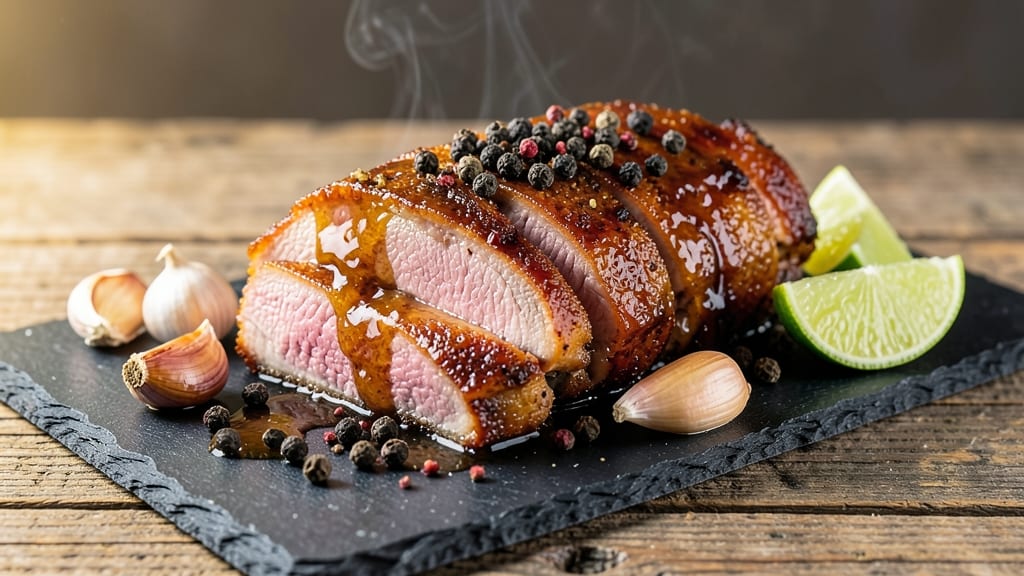
Caribbean pork souse transforms tough pork into melt-in-your-mouth perfection through a slow vinegar braise that tenderizes while building rich, complex flavors. 🌟 As someone who's spent years mastering pork preservation techniques—from my CIA training to running a pitmaster's kitchen—I can tell you this dish is where tradition meets technique in its purest form. The key lies in the balance of acidity and spice, which breaks down collagen while preserving moisture.
What makes this recipe special is the dual-texture magic: fork-tender pork that's been gently braised in a tangy, spiced vinegar bath, contrasted by the crisp bite of citrus peel.
The process begins with curing the pork—whether you choose the traditional salt rub or a quick vinegar brine—before it simmers for hours until it practically falls apart. This isn't just about cooking; it's about transforming humble pork into something restaurant-worthy.
The result is a dish that's equally at home on a Caribbean feast table or a Southern Sunday supper. The pork develops a deep, caramelized crust from the slow cooking, while the citrus peel adds a bright, aromatic crunch that cuts through the richness.
Each bite delivers layers of flavor—savory, slightly sweet, with just enough heat to linger. This is the kind of dish that earns second helpings without asking.
Perfect for gatherings where you want to showcase both skill and hospitality, this recipe scales beautifully while maintaining its integrity. The vinegar braise keeps well, so you can prepare it ahead and let the flavors deepen overnight. Trust me—once you master this technique, you'll never buy pre-packaged souse again.
Ingredients for caribbean pork souse
Six ingredients transform tough pork into restaurant-quality souse with Caribbean flair.
| Ingredient | Amount | Notes |
|---|---|---|
| Pork Shoulder (Boston Butt) 🐖 | 3 lb | Bone-in for maximum flavor |
| White Vinegar 💧 | 2 cups | Distilled white vinegar preferred |
| Brown Sugar 🍚 | ½ cup | Light or dark variety works |
| Garlic Cloves 🧄 | 8 cloves | Freshly smashed for intense flavor |
| Allspice Berries 🌶️ | 1 tbsp | Crushed for aromatic depth |
| Ground Black Peppercorns 🌶️ | 1 tbsp | Freshly cracked preferred |
| Dried Thyme 🌿 | 1 tbsp | Or 2 tbsp fresh thyme leaves |
| Bay Leaves 🍃 | 2 whole | Fresh or dried, removed before serving |
| Orange Peel 🍊 | 1 whole | Unwaxed orange, peel only |
| Salt 🧂 | ½ cup | Kosher salt for curing |
| Olive Oil 🫒 | ¼ cup | Extra-virgin for basting |
| Scotch Bonnet Peppers 🌶️ | 1 whole | Seeds removed for less heat |
| Fresh Cilantro 🌿 | ¼ cup | Chopped for garnish |
The pork shoulder is non-negotiable here—bone-in cuts develop deeper flavor during the long braise. Look for marbled cuts at your butcher or the meat department at Whole Foods or Costco—they often carry pre-cut pork shoulders perfect for this. If you're buying a whole shoulder, ask for it to be trimmed of excess fat but left with a good layer of fat cap. The fat renders down during cooking, creating a rich, glossy sauce. For the vinegar, distilled white vinegar is key—it's more consistent in flavor and won't add any off-tastes that cheap vinegars sometimes bring. The orange peel should be unwaxed—the wax on conventional oranges can leave a bitter aftertaste that ruins the delicate citrus notes in this dish.
No allspice berries? Ground allspice at half the amount works in a pinch, but trust me, whole berries are worth hunting down at Latin markets or specialty spice shops. The Scotch bonnet is optional but adds that signature Caribbean heat—substitute habanero if you can't find it, but reduce to 1/2 pepper. For the citrus, grapefruit peel adds a lovely complexity if you want to get fancy. The thyme can be fresh or dried, but fresh thyme leaves have a bright, almost floral quality that really shines in this dish. If you're using dried, make sure it's culinary-grade thyme—not the kind from the baking aisle that's been sitting on the shelf for months. The garlic should be freshly smashed—not minced, not pre-minced from a jar. The texture difference is night and day.
This dish tastes even better the next day, so make it ahead if you can. The pork keeps for 5-6 days in the fridge, and the braising liquid can be frozen for up to 3 months—just thaw and reheat gently. I like to portion the pork into individual serving containers with some of the braising liquid so it stays moist. The citrus peel can be stored in a sealed bag in the freezer for up to 6 months—perfect for adding to other braises or marinades later. The scotch bonnet peppers? Store them in the fridge, and if they start to soften, freeze them whole—they'll keep for months and you can just toss them into dishes without thawing.
Why You'll Love This Recipe
- One-Pot Magic: I swear by this—just slice the pork, toss it in a pot with vinegar and spices, and let it simmer. No chopping, no fussing, and the kitchen stays cleaner than my usual braised pork attempts.
- Tangy-Sweet Crunch: That vinegar cut with brown sugar? It’s chef’s kiss—sharp enough to wake you up, sweet enough to keep you coming back. The allspice berries add this warm, earthy depth that makes it taste like a Caribbean sunset in a bowl.
- Party in a Pan: Serve it cold in tacos for a Sunday brunch, warm it up in sandwiches for a quick lunch, or pile it on rice for dinner. My kids ask for it at potlucks, and honestly? It’s the one dish that never gets leftovers.
- Budget Stretch: A whole pork shoulder costs less than takeout for two, and this recipe stretches it further than anything else I’ve tried. Plus, the leftovers? Even better the next day—crispier edges, deeper flavor, zero waste.
Step-by-step instructions for Caribbean pork souse
Here's how to transform tough pork shoulder into fork-tender souse with vibrant citrus notes.
🍳 Step 1: Cure the Pork Shoulder for Maximum Flavor
In a large bowl, combine the 2 cups white vinegar, 0.5 cup brown sugar, 0.5 cup salt, 8 cloves garlic cloves, 1 tbsp allspice berries, 1 tbsp ground black peppercorns, 1 tbsp dried thyme, 2 whole bay leaves, and 1 whole orange peel. Stir until the brown sugar and salt dissolve completely—this creates the curing brine.
Place the 3 lb pork shoulder (Boston Butt) in a large resealable plastic bag and pour the brine mixture over it. Seal the bag, squeezing out as much air as possible to fully submerge the meat. Refrigerate for 24 hours, turning the bag occasionally to ensure even curing. The acid in the vinegar will begin breaking down the muscle fibers, while the spices penetrate deeply for maximum flavor infusion.
🔥 Step 2: Sear the Cured Pork for Depth of Flavor
After curing, remove the pork from the brine and rinse it thoroughly under cold water to remove excess acid. Pat it completely dry with paper towels—this step is crucial for developing a crispy exterior. Heat 0.25 cup olive oil in a large Dutch oven over medium-high heat until shimmering.
Sear the pork shoulder on all sides until deeply golden brown, about 8-10 minutes per side. The goal is to create a flavorful crust while maintaining moisture inside. Don't rush this step—you'll know it's ready when the exterior releases easily from the pan. Remove the pork and set it aside on a plate, reserving the browned oil in the Dutch oven.
🍳 Step 3: Build the Spiced Vinegar Braising Liquid
In the same Dutch oven with the reserved oil, add the 1 whole Scotch Bonnet peppers (seeds removed) and cook for 1 minute until fragrant. Add the 8 cloves garlic cloves (smashed) and cook for another 30 seconds until golden. Pour in the remaining curing brine (strain out the bay leaves and orange peel) and bring to a simmer over medium heat.
Return the seared pork shoulder to the Dutch oven, submerging it completely in the braising liquid. The liquid should cover the pork by at least 1 inch. If not, add a splash of water. Bring to a gentle boil, then reduce heat to low to maintain a barely simmering state. This slow cook will transform tough meat into tender, melting slices.
⏰ Step 4: Braise Until Fork-Tender
Cover the Dutch oven and let the pork braise for 3-4 hours, maintaining a gentle simmer. Check occasionally to ensure there's enough liquid—add a splash of water if needed to keep the pork submerged. The pork is done when it reaches an internal temperature of 195-205°F and a fork slides in easily.
Here's the thing—pork souse benefits from the long, slow cook because the connective tissue breaks down into gelatin, creating that signature tender texture. The vinegar and spices infuse the meat, while the citrus peel adds a bright, aromatic note. Don't rush this step; patience is key to perfect souse.
🥘 Step 5: Rest and Serve with Fresh Garnishes
Once the pork is fork-tender, remove it from the braising liquid and transfer to a cutting board. Tent loosely with foil and let it rest for 15-20 minutes. This resting period allows the juices to redistribute throughout the meat, ensuring every slice is moist and flavorful.
While the pork rests, strain the braising liquid through a fine-mesh sieve to remove any remaining solids. Skim off any excess fat if desired. To serve, slice the pork against the grain into ¼-inch thick slices and arrange on a platter. Drizzle with the reduced braising liquid and garnish with 0.25 cup chopped fresh cilantro. The contrast of tender pork with the tangy, spiced vinegar sauce creates a truly Caribbean-inspired dish.
Pro Tips For Making Caribbean Pork Souse
- SMASH THE GARLIC: Crush those cloves with the flat side of your knife first—no chopping, just a few hard whacks. I learned this the hard way after burning my fingers trying to mince tiny allspice berries at the same time. The crushed garlic releases more flavor into the vinegar, and you won’t waste time dealing with uneven bits.
- LOW AND SLOW AFTER BOIL: Once the pork shoulder hits a simmer in the vinegar-braising liquid, drop the heat to the lowest setting you can tolerate. I used to rush this, and the souse would turn rubbery instead of tender. Let it bubble gently for at least 3 hours—yes, even if you’re impatient like me.
- STRAIN THE VINEGAR: After the initial boil, pour the pork into a colander and let it drain for 5 minutes. That vinegar’s sharpness lingers, and if you skip this, your souse will taste like pickled pork instead of the balanced, caramelized dish you want. (Your future self will thank you.)
- BROWN THE SUGAR FIRST: Heat the brown sugar in a dry pan for 2-3 minutes until it darkens slightly—this deepens the flavor way more than just tossing it in raw. I was skeptical until I tried it; now I never skip it. Add it to the vinegar mixture when you’re ready to braise, and the souse gets that rich, molasses-like edge.
Wine and beer pairings for this recipe
Tropical Rum Pairings
For a true Caribbean experience, pair your pork souse with a smooth dark rum like Appleton Estate Reserve or Diplomático Reserva Exclusiva. The caramel and spice notes in these rums complement the allspice and brown sugar in the souse beautifully.
I like to serve it slightly chilled—42-45°F—to balance the dish's richness. 🍹
If you prefer a lighter option, try a rum punch made with Bacardi Superior, fresh lime juice, and a splash of grapefruit juice. The citrus brightness mirrors the orange peel in the recipe, creating a harmonious flavor connection.
For a non-alcoholic twist, serve ginger beer with a lime wedge—it cuts through the pork's richness while echoing the spiced vinegar's tang.
Crisp White Wine Contrasts
A dry Riesling from Germany or Sauvignon Blanc from New Zealand brings acidity that cleanses your palate between bites. I recommend Dr. Loosen Blue Slate Riesling—its mineral notes and subtle sweetness balance the souse's vinegar and spice. Serve it well-chilled (45-50°F) to enhance its crispness.
For a local Caribbean option, try Trinidadian rum-based wines like Angostura Wine Company's Rum Wine. The blend of rum and grapes creates a unique profile that stands up to the dish's bold flavors. The slight sweetness in these wines helps soften the vinegar's sharpness, making each sip refreshing.
Beer Pairings for Bold Flavors
A Belgian-style witbier like Hoegaarden or Stella Artois works surprisingly well. The coriander and citrus notes in these beers echo the orange peel and allspice in the souse, while their effervescence cuts through the dish's richness. Serve at 40-45°F to maintain crispness.
For a darker option, try a lightly hopped amber ale such as Fat Tire. The caramel maltiness complements the brown sugar in the braise, while the subtle hop bitterness balances the dish's acidity.
I often pair this with a smoked gouda cheese board to round out the meal—it's a crowd-pleaser at my BBQ gatherings.
Cocktail Pairing Perfection
Create a Spiced Rum Old Fashioned using Havana Club 7 Year rum, orange bitters, and a grapefruit twist. The grapefruit's bitterness mirrors the orange peel in the souse, while the rum's depth enhances the pork's caramelized crust.
Garnish with a dried orange wheel for an elegant touch that ties back to the recipe.
For a refreshing twist, make a Mojito with a Caribbean kick by adding muddled Scotch bonnet pepper (the same pepper used in the recipe) to your mint and lime. The heat from the pepper bridges the gap between the souse and the cocktail, creating a cohesive flavor experience.
Serve over crushed ice with a lime wedge for that classic Caribbean vibe. 🌴
Nutrition facts
Frequently asked questions about Caribbean pork souse
Can I use regular white vinegar instead of distilled white vinegar?
While you can use regular white vinegar, distilled is preferred because it has a cleaner, milder flavor that won't overpower the delicate spices. If you only have regular vinegar, opt for a high-quality brand like Apple Cider Vinegar—just use 1.5 cups instead of 2 cups to avoid excessive acidity. The citrus notes will still shine through, but the overall balance might be slightly sharper.
How do I adjust the heat level if Scotch bonnet peppers aren't available?
For a milder heat, substitute 1/2 habanero pepper (seeds removed) or 1/4 teaspoon cayenne pepper. If you want to keep the Caribbean kick without the heat, use 1/2 teaspoon smoked paprika instead—it adds depth without spiciness. The allspice and thyme will still provide that signature warm, earthy flavor.
Can I make pork souse in a slow cooker instead of a Dutch oven?
Transfer the seared pork and braising liquid to a 6-quart slow cooker and cook on LOW for 8-10 hours or HIGH for 5-6 hours. The key is maintaining a gentle simmer—if the liquid reduces too much, add 1/4 cup water or vinegar every 2 hours. The slow cooker method works especially well for busy days, as you can prep it in the morning and return to perfectly tender pork in the evening.
What's the best way to reheat leftover pork souse?
Reheat gently in a skillet over medium-low heat with a splash of the braising liquid to keep it moist. Alternatively, warm in a 350°F oven for 15-20 minutes covered with foil. For microwave reheating, place slices on a plate with a damp paper towel and cook in 30-second intervals until heated through. Never reheat in the microwave without moisture—it'll dry out the pork completely.
Can I substitute pork shoulder with another cut?
While pork shoulder (Boston Butt) is ideal, you can use pork butt (picnic roast) or pork neck bones for extra richness. Avoid lean cuts like tenderloin—they lack the connective tissue needed for the tenderizing process. If using neck bones, increase cooking time to 4-5 hours to ensure complete tenderness. The bone-in cuts develop deeper flavor during the long braise.