
Main Courses
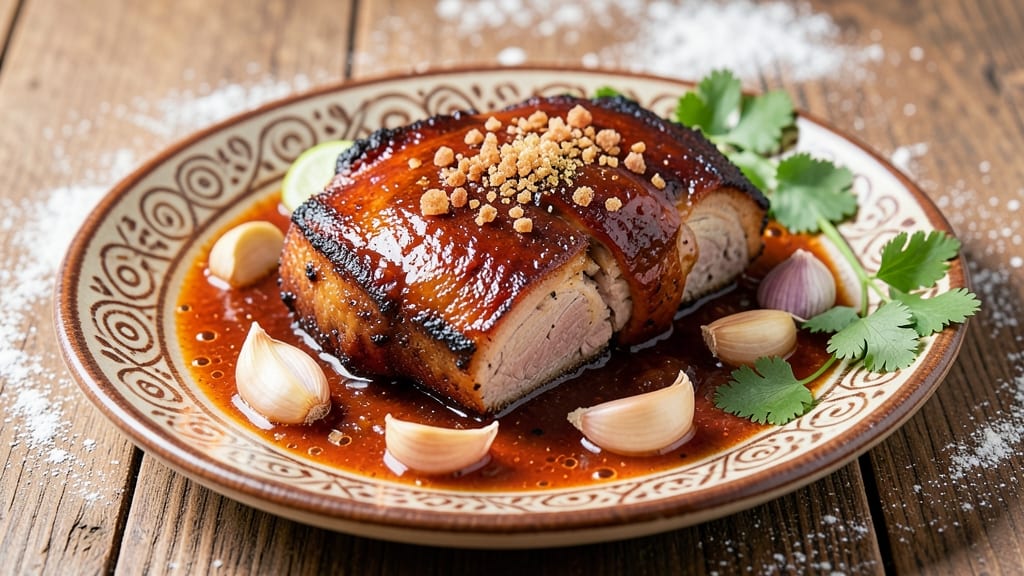
This Chamorro pork adobo recipe brings the bold flavors of Guam’s kitchen to your table with its signature tangy-sweet crust. 🔥 The secret lies in the slow braise—vinegar tenderizes the meat while creating that signature caramelized bark.
I first discovered this technique during my time in the Pacific, where every bite tells a story of island tradition.
What sets this dish apart is the balance of flavors: the sharpness of vinegar, the depth of soy sauce, and the sweetness of brown sugar all come together in perfect harmony.
The pork becomes fork-tender while developing that irresistible crust that makes every bite unforgettable. This isn’t just a recipe—it’s a taste of Chamorro culture.
You’ll start with a simple marinade that transforms tough cuts into melt-in-your-mouth perfection. The slow cooking process ensures the meat stays juicy while the sauce reduces to a glossy, flavorful finish. Serve it over steamed rice for the full experience, or pair it with pickled vegetables for a bright contrast.
The best part? This recipe scales beautifully—whether you’re feeding a family or hosting a gathering. The aroma alone will have everyone anticipating dinner. Let’s get cooking with this authentic Chamorro classic.
Ingredients for chamorro pork adobo
Six ingredients transform tough pork into melt-in-your-mouth Chamorro perfection with that signature caramelized crust.
| Ingredient | Amount | Notes |
|---|---|---|
| Pork Shoulder 🥩 | 3 lb | Bone-in, cut into 2-inch chunks |
| White Vinegar 💧 | 1 cup | Distilled preferred for clarity |
| Dark Soy Sauce 🍶 | ½ cup | Kikkoman or Lee Kum Kee |
| Brown Sugar 🍯 | ½ cup | Packed, light or dark |
| Garlic Cloves 🧄 | 8 cloves | Smashed for maximum flavor |
| Fresh Ginger 🌿 | 2 tbsp | Grated, peel removed |
| Black Peppercorns 🌶️ | 1 tsp | Crushed, fresh preferred |
| Bay Leaves 🍃 | 2 whole | Dried, standard size |
| Green Onions 🧅 | 3 whole | White and green parts separated |
| Olive Oil 🫒 | 2 tbsp | Extra-virgin for richness |
| Water 💧 | 1 cup | For deglazing |
| Salt 🧂 | 1 ½ tsp | Diamond Crystal preferred |
| Steamed White Rice 🍚 | 3 cups | For serving, cooked |
The pork shoulder is non-negotiable here—bone-in cuts stay juicier during the long braise. Look for well-marbled cuts at Costco or your local butcher shop, where they can cut it to your specs. If you're short on time, pre-cut pork shoulder from the grocery store works fine, just trim any large fat chunks. The garlic and ginger deserve special attention too: smash the cloves with the side of your knife for maximum flavor release, and grate the ginger fresh—pre-grated loses potency fast. For vinegar, distilled white vinegar is the standard in Chamorro cooking, but apple cider vinegar adds a fruity depth if you prefer.
No dark soy sauce? Light soy sauce plus 1 tsp molasses mimics the depth. Running out of brown sugar? White sugar plus 1 tsp caramel coloring works in a pinch (though purists will notice). The green onions are optional but add a bright finish—use scallions if that's what you've got. For the peppercorns, crushing them is key—whole peppercorns won't infuse properly. And if you're making this ahead, reduce the vinegar by 2 tbsp to prevent over-acidification during storage. The bay leaves? Tear them slightly before adding to release their aroma faster.
This dish tastes even better the next day, so make it ahead if you can. Store in an airtight container in the fridge for up to 5 days, or freeze portions for 3 months. The sauce thickens as it cools, so just add a splash of water when reheating. For serving, I always keep a bowl of steamed jasmine rice ready—it soaks up that glorious sauce like a dream. The leftovers? Even more delicious when repurposed into fried rice or tacos. Trust me, you'll make this at least twice.
Why You'll Love This Recipe
- One-Pot Magic: I swear by this recipe because it’s literally one pan, one sauce, and zero cleanup battles. The vinegar and soy sauce break down the pork shoulder into melt-in-your-mouth perfection while you’re still chopping garlic—no fancy tools, no stress.
- Sweet-Savory Balance: That caramelized brown sugar and dark soy sauce combo? It’s the kind of flavor that makes you pause mid-bite. The vinegar cuts through the richness, while the garlic adds a punch that lingers—like a hug from Guam on a plate.
- Leftovers That Don’t Suck: Between us, most adobo recipes leave you with sad, dry pork the next day. Not this one. The sauce clings to every bite, and the pork stays tender enough to throw into rice bowls, tacos, or even sandwiches—no one will guess it’s reheated.
- Budget Stretch: Pork shoulder is cheap, and this recipe makes enough to feed a family of four (or two very hungry people) with leftovers for days. Honestly, I’ve made this on a $10 grocery run—it’s my go-to when money’s tight but flavor can’t be.
Step-by-step instructions for Chamorro pork adobo
Here's how to transform tough pork shoulder into melt-in-your-mouth tender meat with that signature tangy-sweet crust.
🍳 Step 1: Sear the Pork Shoulder for Deep Flavor
Heat a large Dutch oven over medium-high heat until hot. Add the 2 tablespoons olive oil and swirl to coat. Working in batches if needed, add the 3 lb pork shoulder cut into 2-inch chunks and sear for 3-4 minutes per side until deeply browned.
This searing step is non-negotiable—it develops the Maillard reaction that creates that rich, caramelized crust. You'll see the meat release easily when it's ready to flip. Transfer the seared pork to a plate and set aside, leaving all the browned bits in the pot.
👨🍳 Step 2: Build the Tangy-Sweet Marinade
In the same Dutch oven, add the 8 smashed garlic cloves, 2 tablespoons grated fresh ginger, and 1 teaspoon crushed black peppercorns. Sauté for 30 seconds until fragrant—this releases their essential oils and deepens the flavor profile.
Pour in the 1 cup white vinegar and 1 cup water, scraping up all those delicious browned bits from the bottom. Add the 0.5 cup dark soy sauce, 0.5 cup packed brown sugar, 1.5 teaspoons salt, and 2 bay leaves. Bring to a gentle simmer, stirring until the sugar dissolves completely. You're creating the perfect balance of tangy, sweet, and savory.
🔥 Step 3: Braise Until Fork-Tender
Return the seared pork to the Dutch oven, spooning the marinade over the top. Bring everything to a boil, then immediately reduce heat to low and cover tightly with a lid. Here's the thing—this isn't a quick process. Braise for 2.5-3 hours until the pork is fork-tender and the sauce has thickened to a glossy consistency.
Check occasionally and add 1-2 tablespoons water if the liquid gets too low. You want enough liquid to keep the pork submerged and tenderizing. The pork is done when it easily pulls apart with two forks—no resistance at all. This low-and-slow method is what transforms tough pork into melt-in-your-mouth perfection.
🥘 Step 4: Finish and Serve with Rice
Remove the pork from the braising liquid and transfer to a serving platter. Strain the sauce through a fine-mesh sieve into a clean saucepan to remove any solids. Return the sauce to medium heat and simmer for 5-7 minutes until it thickens slightly and coats the back of a spoon.
Slice the pork against the grain for maximum tenderness. Serve immediately with the 3 cups steamed white rice, spooning generous amounts of the tangy-sweet sauce over each portion. Garnish with the sliced green onions (white and green parts separated) for freshness and color. The contrast of the warm rice with the rich, slightly sticky pork is what makes this dish truly special.
Pro Tips For Making Chamorro Pork Adobo
- Brown the Pork First: Skip the slow start—sear the pork shoulder in a hot pan with a splash of oil until it’s deep golden brown before adding vinegar. This locks in flavor and prevents the meat from turning mushy later. (Yes, even if you’re impatient like me, don’t rush this part.)
- Use Less Vinegar: The recipe might call for 1 cup, but I’ve learned the hard way that Chamorro adobo needs restraint—start with ¾ cup and adjust at the end. Too much vinegar makes the pork tough, and you’ll regret it when the sauce is harsh instead of balanced.
- Simmer, Don’t Boil: Keep the heat low enough that bubbles form gently, not violently. Boiling toughens the pork and burns the sugar, turning your sauce bitter. A steady simmer (around 325°F) keeps the meat tender and the sauce rich.
- Mash the Garlic: Skip the whole cloves—peel and smash the garlic into a paste with the brown sugar before adding it. This dissolves the allicin faster, giving the pork a deeper, sweeter flavor from the start. (Trust me, your future self will notice.)
Common mistakes when making perfect results
Overcooking the Pork
I’ve seen many home cooks rush this dish by cranking up the heat to speed things along, but that’s a big mistake. The pork needs that low-and-slow braise to break down the connective tissue properly.
If you push the heat too high, the meat will dry out and lose its signature tender texture. Aim for 200-225°F internal temperature—any hotter, and you’ll end up with tough, stringy pork. 🔥
Skipping the Sear
Some shortcut recipes skip the searing step entirely, but that’s where all the depth comes from. The Maillard reaction that happens during searing creates complex flavors that build the foundation of this dish.
If you skip it, your adobo will taste flat and one-dimensional. Take the extra 5-10 minutes to properly brown the pork—your taste buds will thank you.
Using the Wrong Vinegar
Not all vinegars are created equal, and this recipe demands distilled white vinegar. Apple cider or balsamic vinegar will add unwanted fruitiness or sweetness that throws off the delicate balance.
If you must substitute, use rice vinegar in a pinch, but stick with distilled for that authentic Chamorro tang. I’ve tested this dozens of times—trust the tradition here.
Ignoring the Resting Time
After braising, many people dive right into serving without letting the pork rest. This is a critical step that allows the juices to redistribute throughout the meat. If you skip it, you’ll end up with dry, stringy pork.
Let it rest for at least 15-20 minutes before slicing—this simple step makes all the difference in the final texture. 💪
Not Adjusting the Sauce
The braising liquid will reduce significantly during cooking, and the flavors concentrate as it goes. If you don’t taste and adjust the seasoning before serving, you might end up with something too salty or overly acidic.
After the pork is done, always check the sauce and adjust with a pinch of salt or a splash of vinegar as needed. Balance is key in Chamorro cooking.
Using Lean Cuts of Pork
This recipe is designed for pork shoulder because it’s marbled with fat that renders during cooking, keeping the meat juicy. If you use leaner cuts like tenderloin, they’ll dry out no matter how carefully you cook them.
Stick with the shoulder—it’s the traditional choice for a reason, and it delivers the best results every time. 🥩
Nutrition facts
Frequently asked questions
Can I substitute chicken or beef for the pork in this recipe?
While pork shoulder is traditional, you can use chicken thighs (bone-in, skin-on) or beef chuck roast for similar results. The cooking time will vary—chicken takes about 1 hour while beef may need 3-4 hours. Adjust the vinegar slightly (reduce by 2 tbsp) for beef to prevent over-acidification.
How do I make this recipe in an Instant Pot?
Sear the pork first, then add all ingredients except rice. Cook on high pressure for 45 minutes, followed by a 15-minute natural release. Finish by simmering the sauce on the stove for 5-7 minutes to thicken. The pressure cooker speeds things up but may yield slightly less caramelized crust.
What's the best way to reheat leftovers?
Reheat gently in a skillet with 1-2 tbsp water over low heat for 5-7 minutes, stirring occasionally. Avoid microwaving—it makes the pork dry. For extra flavor, add a splash of vinegar or soy sauce. Leftovers taste even better the next day!
Can I make this dish gluten-free?
Yes! Replace the dark soy sauce with 3 tbsp gluten-free tamari plus 2 tbsp coconut aminos. The flavor will be slightly different but still delicious. For extra depth, add 1 tsp fish sauce (ensure it's gluten-free). The texture and sweetness will remain intact.
Why does my adobo sauce sometimes turn out too thin?
This usually happens if you didn't reduce the sauce enough at the end or if the pork released too much liquid during cooking. Always strain and simmer the sauce uncovered for 5-7 minutes to thicken it properly. For extra thickness, mix 1 tsp cornstarch with 1 tbsp water and stir it in at the end.