
Main Courses
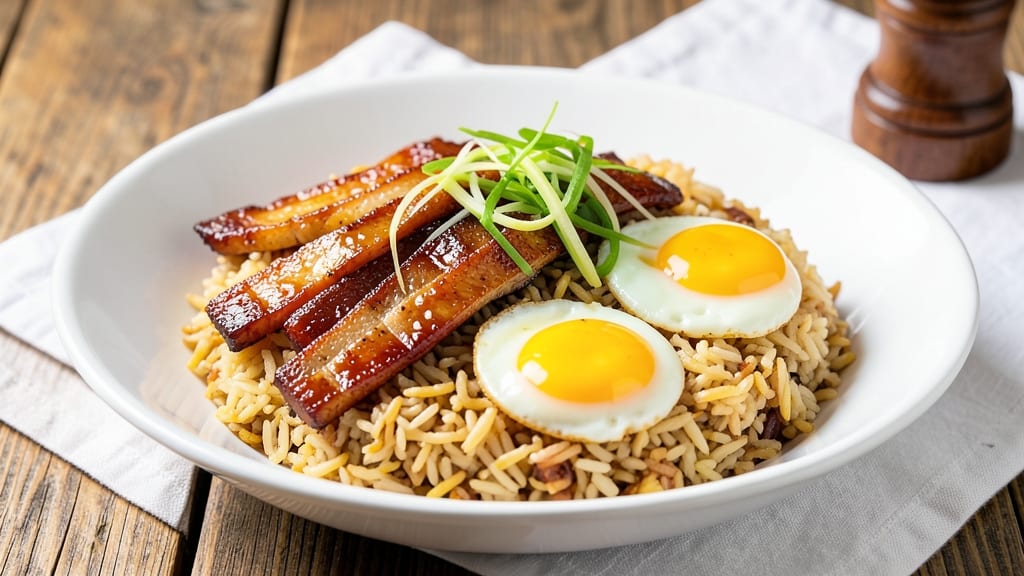
This char siu pork fried rice recipe brings authentic Cantonese takeout flavor straight to your kitchen with minimal effort. 🔥 The secret lies in perfectly cooked rice, crispy char siu pork, and a wok hei technique that transforms simple ingredients into restaurant-quality harmony.
I've refined this recipe over years of testing to balance traditional methods with modern adaptability—so you get bold flavors without sacrificing ease.
What makes this dish special is the combination of tender, sweet char siu pork with day-old rice that develops just the right texture when stir-fried.
The recipe includes a simple soy-vinegar sauce that adds depth, while optional additions like peas, carrots, or bell peppers let you customize it to your taste. Whether you're recreating a favorite takeout memory or serving a crowd, this fried rice delivers that satisfying, smoky-sweet aroma that makes every bite irresistible.
Ingredients for char siu pork fried rice
Here's what you'll need to recreate that smoky-sweet takeout flavor at home.
| Ingredient | Amount | Notes |
|---|---|---|
| Day-Old Cooked White Rice 🍚 | 4 cups | Cold, preferably from 1-2 days ago |
| Char Siu Pork 🥩 | 1 ½ cups | Diced into 1/2-inch pieces, store-bought or homemade |
| Large Eggs 🥚 | 2 whole | Beaten for stir-fry |
| Green Onions 🧅 | ½ cup | Thinly sliced, white and green parts separated |
| Fresh Ginger 🌿 | 1 tbsp | Finely minced, or 1 tsp ground ginger |
| Soy Sauce 🍶 | 3 tbsp | Light or all-purpose, like Kikkoman |
| Rice Vinegar 🍶 | 1 tbsp | White or seasoned, like Koyo |
| Sesame Oil 🫒 | 1 tsp | Toasted, for aroma |
| Neutral Oil 🫒 | 2 tbsp | Vegetable, canola, or peanut oil |
| Salt 🧂 | ½ tsp | Kosher or sea salt |
| Black Pepper 🌶️ | ¼ tsp | Freshly ground |
| Garlic Cloves 🧄 | 3 cloves | Minced, or 1 tsp garlic powder |
| Peas 🌱 | ½ cup | Frozen or fresh, optional |
The char siu pork is the star—look for pre-sliced packages at the deli counter or grab a whole roast to slice yourself. Trader Joe's and Costco often have the best pre-cut options, but any good Asian market will have authentic versions. If you're making your own, marinate the pork overnight for best results. The day-old rice is non-negotiable—fresh rice turns mushy. Cook a big batch of jasmine rice and refrigerate the extras for this recipe. For the green onions, grab a bunch and separate the white and green parts—the whites go in first for flavor, greens for garnish at the end.
No char siu pork? Substitute with diced ham or leftover roast chicken—just add an extra 1/2 tsp soy sauce to mimic the sweetness. Fresh ginger not available? Ground ginger works at half the amount. The peas can be swapped for carrots or bell peppers if you prefer. For extra umami, add a dash of fish sauce or oyster sauce to the soy-vinegar mix. If you're feeling adventurous, a splash of Shaoxing wine (1 tsp) in the sauce adds depth. And if your sesame oil smells rancid, toss it—it should smell nutty, not old.
Rice keeps for 5 days in the fridge once cooked, so plan ahead. The char siu pork can be stored in the fridge for up to 5 days or frozen for 3 months. For meal prep, make a big batch of fried rice and portion it into containers—it reheats beautifully. If you've got leftovers, freeze them for up to 3 months. The best part? This reheats even better the next day as the flavors meld together. Garnish with extra green onions and sesame seeds right before serving for that restaurant touch.
Why You'll Love This Recipe
- Here’s what sold me: the char siu’s sticky, smoky-sweet glaze cuts through the egg’s creamy yolk like a dream. That first bite—salty, umami, with a hint of ginger’s kick—is ridiculously good. Plus, the rice soaks up all the flavor, so every forkful tastes like it’s been simmered for hours.
- One-Pan Magic: That’s right—just one pan, no fancy gadgets. I toss in the day-old rice (already cooked, already perfect), slice up the char siu pork (store-bought or homemade), crack eggs into the hot oil, and let the wok do the work. The ginger and green onions sizzle in seconds, and boom—you’ve got a meal.
- Sweet-Savory Balance: Here’s what sold me: the char siu’s sticky, smoky-sweet glaze cuts through the egg’s creamy yolk like a dream. That first bite—salty, umami, with a hint of ginger’s kick—is ridiculously good. Plus, the rice soaks up all the flavor, so every forkful tastes like it’s been simmered for hours.
- Leftover Hero: Between us, this dish begs to be made in bulk. The flavors actually deepen overnight, so I double the batch on Sundays and reheat portions all week. My kids grab it straight from the fridge—no complaints, just seconds. (Yes, even on a Tuesday night.)
Step-by-step instructions for char siu pork fried rice
Here's how to recreate that perfect takeout texture and flavor at home.
🍳 Step 1: Scramble the Eggs for Maximum Flavor
Heat 1 tablespoon of the neutral oil in a wok or large skillet over medium-high heat. Crack the 2 whole large eggs into a bowl and beat lightly with a fork—just enough to combine the yolks and whites without creating too many bubbles. Pour them into the hot oil and let them sit undisturbed for 2-3 seconds.
Here's the thing—you want the eggs to set slightly on the bottom before you start stirring. This creates those beautiful, soft curds that soak up all the char siu pork flavors. Use a spatula to gently scramble the eggs in 30-second intervals until they're just set but still slightly runny in the center. Remove them from the wok and set aside on a plate.
🍳 Step 2: Stir-Fry Aromatics for Deep Flavor
Add the remaining 1 tablespoon neutral oil to the same wok and increase heat to high. Toss in the 3 minced garlic cloves and 1 tablespoon minced fresh ginger, stirring constantly for 20-30 seconds until fragrant but not browned. You'll smell that sweet, pungent aroma—this is where the magic starts.
Next, add the white parts of the ½ cup sliced green onions and stir for another 10 seconds until just wilted. The green onion whites add a subtle sweetness that balances the savory pork. Don't let them brown—you want them to stay pale and bright. This quick cooking preserves their freshness while building the flavor base.
🍳 Step 3: Cook the Char Siu Pork and Peas
Push the aromatics to one side of the wok and add the 1.5 cups diced char siu pork to the empty space. Let it sear for 1-2 minutes until the edges start to crisp slightly. Then stir everything together and add the ½ cup peas (fresh or frozen). Cook for 2-3 minutes until the peas are tender but still bright green.
Here's where it gets fun—the char siu pork should be sizzling in the wok. If it's sticking, add a splash of water and scrape up those delicious browned bits from the bottom (they're packed with flavor). The pork will release its sweet, smoky essence, creating that authentic takeout aroma.
🥘 Step 4: Combine Everything with Perfect Timing
Add the 4 cups day-old cooked white rice to the wok, breaking up any clumps with your spatula. Drizzle in the 3 tablespoons soy sauce and 1 tablespoon rice vinegar, then sprinkle with ½ teaspoon salt and ¼ teaspoon black pepper. Toss everything together vigorously for 1-2 minutes until the rice is heated through and coated with the sauce.
I always add the eggs back in now—they'll warm through from the residual heat. Toss in the green parts of the green onions and a splash of water if needed to help steam the rice and create that signature moist texture. The rice should be hot but not mushy, and each grain should be distinct and separate.
🔥 Step 5: Finish with Sesame Oil for Authentic Flavor
Remove the wok from heat and stir in the 1 teaspoon sesame oil. This is the secret ingredient that gives authentic Cantonese fried rice its nutty, toasty aroma. Give it one final toss to distribute the oil evenly—you'll immediately notice the difference in flavor. Taste and adjust seasoning if needed, adding a bit more soy sauce or rice vinegar if the dish needs more umami or brightness.
Serve immediately while hot, garnished with extra green onions if desired. The rice should be perfectly textured—slightly sticky but not wet, with each ingredient distinct yet harmonious. This is the moment you've been working toward, and it's worth every second of the stir-fry process.
Pro Tips For Making Char Siu Pork Fried Rice
- CRISP THE RICE FIRST: Toss your day-old rice with a dry hand (no water) until every grain looks separate—this takes 30 seconds, not 10. Cold rice clumps like glue when wet; you’ll regret it later. I used to skip this, and my fried rice turned out mushy every time.
- SLICE CHAR SIU THIN: Cut the char siu into paper-thin strips—no thicker than ¼-inch. Thick slices stay chewy and won’t crisp in the stir-fry. Use a sharp knife and work against the grain for even slices. (Yes, it’s tedious, but it’s worth it.)
- SCRAMBLE EGGS LOW: Push the eggs to one side of the wok after they set, then let them sit for 10 seconds before stirring. This creates a slightly crispy bottom that adds texture. High heat makes them rubbery—keep it medium-low until the rest joins.
- GINGER: JULIENNE, NOT MINCE: Thinly julienne the ginger (matchstick cuts) instead of mincing it. The strips stay vibrant and infuse flavor without turning the rice into soup. Toss them in last—just 10 seconds before serving—to keep their bite. (Mincing kills the aroma.)
Perfect pairings for char siu pork fried rice
Classic Cantonese Sides
Serve your char siu pork fried rice with a side of steamed jasmine rice (if you have extra) or egg rolls for that authentic takeout experience. I love pairing it with hot mustard greens—their peppery bite cuts through the richness beautifully.
For a complete meal, add a small bowl of egg drop soup with delicate silky strands and a light ginger flavor. 🥗
Drink Pairings
A jasmine tea like Tie Guan Yin or a lightly brewed oolong complements the dish's sweet-savory balance perfectly. For something more substantial, a dry Riesling from Germany offers crisp acidity that refreshes your palate.
If you prefer beer, a light lager like Asahi or a cold Tsingtao keeps the meal clean and refreshing without overpowering the flavors.
Spicy Kick Option
For those who love heat, add 1-2 teaspoons of chili crisp or Sichuan chili oil to the fried rice before serving. I like to mix it in just before eating so everyone can control their spice level.
Another option is to serve small bowls of chili garlic sauce on the side for dipping. 🌶️
Garnish Like a Pro
Finish your dish with toasted sesame seeds (just dry-toast in a pan for 1-2 minutes) and extra green onion slices for color and freshness. A drizzle of dark soy sauce (just a few drops) adds depth and visual appeal.
These simple garnishes elevate the dish from homemade to restaurant-quality in seconds.
Sweet Contrast
Balance the savory fried rice with something sweet like lychee jelly or mango slices on the side. This contrast is common in Cantonese cuisine and creates a harmonious flavor profile. For a quick option, serve coconut milk pudding—its creamy texture and subtle sweetness complement the smoky pork beautifully. 🍯
Nutrition facts
Frequently asked questions
Can I use fresh rice instead of day-old rice for this recipe?
Fresh rice is too moist and will turn mushy when stir-fried. The ideal rice should be cold and dry—preferably 1-2 days old. If you're short on time, spread freshly cooked rice on a tray and refrigerate it for 30 minutes to dry it out slightly before using. This mimics the texture of day-old rice.
What's the best way to store leftover char siu pork fried rice?
Store leftovers in an airtight container in the fridge for up to 3 days. Reheat in a skillet over medium heat with a splash of water to restore moisture. For longer storage, freeze for up to 3 months. The flavors actually improve overnight as everything melds together!
How can I make this recipe vegetarian?
Replace the char siu pork with 1.5 cups of marinated tofu or mushrooms (like shiitake or oyster). Use a mix of 1 tbsp soy sauce, 1 tbsp maple syrup, and 1 tsp five-spice powder for marinating. Add 1/2 cup corn or bell peppers for extra texture. The key is keeping the same stir-fry technique to maintain the dish's signature texture.
Why does my fried rice turn out dry or crumbly?
This usually happens from over-stir-frying or using rice that's too dry. Add 1-2 tablespoons of water while cooking and work quickly—fried rice should only take 3-4 minutes total in the wok. Also ensure your rice is cold but not completely dry (slightly damp is better than bone-dry).
Can I make this recipe in a regular skillet instead of a wok?
While a wok gives the best wok hei (smoky aroma), a large non-stick skillet works perfectly. Use high heat and keep the ingredients moving constantly. You may need to cook in two batches if your skillet isn't extra-large. The key is maintaining that quick, hot cooking technique to get the authentic texture.