
Main Courses
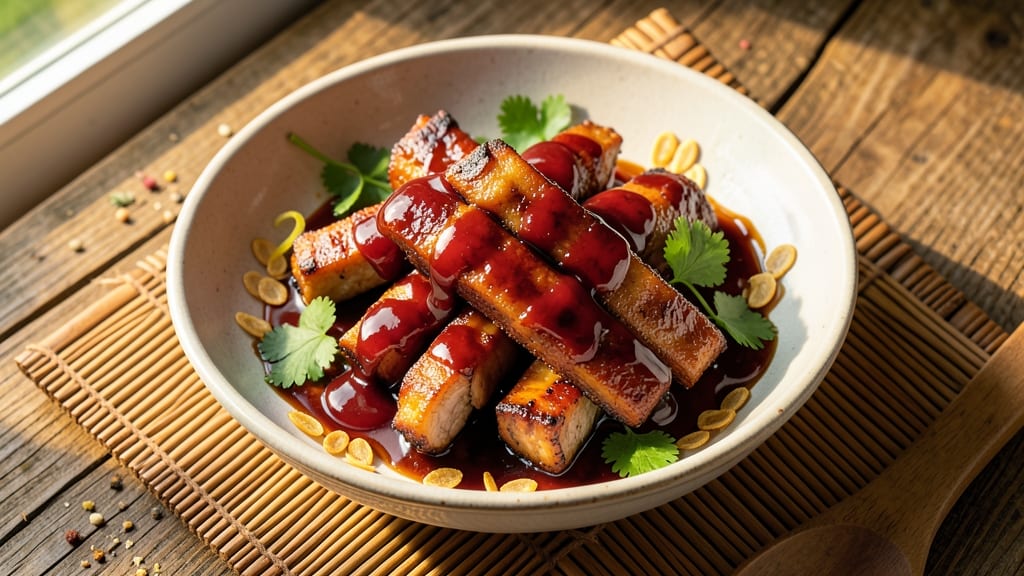
Chinese barbecue pork ribs recipe transforms humble pork into a sticky-sweet masterpiece that crackles with every bite. The secret lies in a marinade of five-spice powder and tamarind, which infuses the meat with aromatic warmth and tangy depth during hours of slow cooking.
I first discovered this technique while traveling through Taiwan's night markets, where sizzling grills filled the air with intoxicating smoke and caramelized aromas.
What sets these ribs apart is the dual cooking process—first a gentle braise to tenderize the meat, then a high-heat char to create that signature bark. The tamarind-based sauce, simmered until thick and glossy, becomes irresistibly sticky when basted over the ribs during the final minutes.
This method delivers restaurant-quality results at home, with just a few simple ingredients and patience.
By the time you serve these ribs, they'll be glazed with caramelized sauce, their edges charred from basting, and their centers tender enough to fall apart. The aroma alone will draw everyone to the table, while the perfect balance of sweet, spicy, and umami flavors makes each bite unforgettable.
Serve with steamed bok choy, jasmine rice, and quick-pickled vegetables for an authentic Chinese feast.
The best part? These ribs reheat beautifully, making them perfect for meal prep or leftovers. Whether you're hosting a dinner party or craving takeout flavors at home, this recipe delivers professional-quality results with minimal fuss. Let's get cooking!
Ingredients for chinese barbecue pork ribs
Six ingredients transform ordinary ribs into sticky-sweet, aromatic perfection—just like Taiwan's night markets.
| Ingredient | Amount | Notes |
|---|---|---|
| Pork Ribs 🥓 | 4 lb | Baby back or spare ribs, meaty bones preferred |
| Five-Spice Powder 🌶️ | 2 tbsp | Authentic Chinese blend, not pre-mixed spice |
| Tamarind Paste 🍯 | ½ cup | Unsweetened, thick consistency |
| Hoisin Sauce 🍶 | ⅓ cup | High-quality, not sweetened |
| Soy Sauce 🥫 | ¼ cup | Dark soy preferred for color |
| Brown Sugar 🍚 | ½ cup | Packed, light or dark |
| Garlic Cloves 🧄 | 8 cloves | Minced, fresh for best flavor |
| Ginger Root 🌿 | 1 tbsp | Freshly grated, aromatic |
| Sesame Oil 🫒 | 1 tbsp | Toasted, for aroma |
| Green Onions 🧅 | ¼ cup | Sliced, for garnish |
| Vegetable Oil 🫒 | ½ cup | High smoke point for searing |
| Red Chili Flakes 🌶️ | 1 tsp | Optional, adjust to taste |
| Salt 🧂 | 1 ½ tsp | Kosher or sea salt |
| Black Pepper 🌶️ | 1 tsp | Freshly ground |
The ribs are non-negotiable—baby back or spare ribs with meaty bones ensure that signature crackle and tenderness. I always grab mine from Costco when they're on sale, but any reputable butcher will have them. Look for ribs with good marbling—the fat renders down during cooking, keeping the meat juicy. The five-spice powder is the soul of this dish; don't substitute with generic Chinese seasoning blends. Penzeys or bulk bins at Asian markets are your best bets for authentic flavor. And tamarind? Skip the jarred stuff—unsweetened tamarind paste from the international aisle delivers that tangy depth.
No hoisin sauce? Substitute with 2 tbsp soy sauce plus 1 tbsp molasses—it won't be identical, but it'll get you close. Fresh ginger is ideal, but dried works at half the amount if you're in a pinch. The sesame oil is purely for aroma—use the toasted variety for that nutty punch. If you're avoiding gluten, swap soy sauce for coconut aminos. For extra heat, add 1 tbsp of chili paste to the marinade. And if your ribs are bone-in, don't trim the membrane—it adds flavor as it cooks.
These ribs reheat like a dream—just warm in the oven with a splash of water for 10-15 minutes. Store leftovers in an airtight container with the sauce for up to 5 days or freeze for 3 months. I like to portion them into individual containers so they're ready for quick lunches. The sauce thickens as it cools, so if it seems too thin when reheating, just warm it longer. And trust me, the aroma alone will have everyone gathering around the table.
Why You'll Love This Recipe
- One-Pan Magic: I swear by this—just ribs, a splash of soy, and that sticky-sweet tamarind glaze. No chopping veggies, no extra bowls, no stress. The five-spice powder does all the work while you sip tea.
- Sweet-Savory Crunch: That first bite? The hoisin caramelizes into a glossy shell while the tamarind keeps it tangy—not too sweet, not too salty. My kids fight over the crispy edges, and I don’t blame them.
- Leftover Goldmine: Make a double batch and thank me later. These ribs stay tender for days, perfect for quick lunches or last-minute dinner guests. I’ve reheated them three times, and they’re still better than takeout.
- Budget Crowd-Pleaser: Pork ribs are cheaper than you think, and this recipe stretches them far. A handful of spices and a jar of hoisin turn a simple protein into something everyone begs for—even picky eaters.
Step-by-step instructions for Chinese barbecue pork ribs
Here's how to transform simple pork ribs into sticky, aromatic Chinese barbecue perfection.
Prepare the Ribs and Dry Rub
Remove the pork ribs from the package and rinse them thoroughly under cold water. Pat them completely dry with paper towels—this is crucial for developing that beautiful caramelized bark. In a small bowl, combine the 2 tbsp five-spice powder, 1.5 tsp salt, and 1 tsp black pepper. Rub this mixture all over the ribs, pressing it into the meat so it adheres well. Let them sit uncovered on a wire rack for 30 minutes at room temperature. This drying step ensures the rub sticks and creates that signature crispy exterior.
While the ribs dry, prepare the marinade by mixing the 0.5 cup tamarind paste, 0.33 cup hoisin sauce, 0.25 cup soy sauce, 0.5 cup brown sugar, 8 cloves minced garlic, and 1 tbsp freshly grated ginger. Stir until the brown sugar dissolves completely and the mixture is smooth. Here's the thing—tamarind paste can be thick, so if it's too stiff, warm it slightly in a microwave-safe bowl for 10-15 seconds to make it easier to mix.
Sear the Ribs for Maximum Flavor
Heat a large oven-safe skillet or Dutch oven over medium-high heat and add 0.5 cup vegetable oil. Once the oil is shimmering (around 375°F), carefully add the ribs in a single layer. Don't crowd the pan—this ensures even browning. Sear the ribs for 4-5 minutes per side until they develop a deep golden-brown crust. You'll know they're ready when they release easily from the pan and the edges look crispy.
Real talk: If you see the oil smoking excessively, reduce the heat slightly to prevent burning. The goal is a good sear, not a fire. Once seared, remove the ribs from the skillet and set them aside on a plate. Pour out most of the oil, leaving about 2 tablespoons in the pan—this residual fat will help build flavor in the sauce.
Braise the Ribs Low and Slow
Return the skillet to the heat and add the prepared marinade. Stir to scrape up any browned bits from the bottom of the pan—this is where all the flavor hides. Place the ribs back in the skillet, spooning the marinade over them completely. Cover the skillet tightly with a lid or foil and transfer it to a preheated 300°F oven. Braise the ribs for 2 hours, flipping them halfway through the cooking time. This slow cooking ensures the meat becomes tender and the sauce thickens to a glossy, sticky consistency.
Here's the moment that matters: Check the ribs after 1.5 hours to ensure the sauce isn't reducing too quickly. If it's getting too thick, add 2-3 tablespoons of water to keep it balanced. The ribs should be fork-tender by the end of the braising time, with a sauce that clings to them like syrup. If the sauce isn't sticky enough, return the skillet to the stovetop and simmer uncovered for 5-10 minutes to thicken it further.
Glaze and Finish with Sesame Oil
Remove the ribs from the oven and increase the heat to medium-high. Stir in the 1 tbsp sesame oil and 1 tsp red chili flakes (if using) into the sauce. The sesame oil will add a nutty aroma and depth of flavor, while the chili flakes introduce a subtle heat. Spoon the sauce over the ribs one last time, making sure every surface is coated. Return the skillet to the oven and broil for 2-3 minutes to caramelize the sauce and give it that glossy, sticky finish you're after.
Watch the ribs closely during broiling—they can go from perfect to burnt in seconds. You want the sauce to bubble and thicken, not burn. Once the sauce is glossy and the ribs are deeply caramelized, remove them from the oven. Let them rest for 5 minutes before serving. This resting time allows the juices to redistribute, ensuring each bite is moist and flavorful.
Serve with Garnish and Style
Transfer the ribs to a serving platter and drizzle any remaining sauce from the skillet over the top. Garnish with the 0.25 cup sliced green onions for a pop of color and freshness. Serve immediately while the ribs are hot and the sauce is still sticky. These ribs are best enjoyed straight from the oven, with the sauce clinging to every bite and the meat falling off the bone.
Don't skip the garnish—those green onions not only look beautiful but also add a bright, fresh contrast to the rich, sweet, and spicy flavors. Pair with steamed jasmine rice or crusty bread to soak up every last bit of that delicious sauce. The combination of the five-spice rub, tamarind stickiness, and hoisin depth makes this dish unforgettable—trust me, you'll want to make it again and again.
Pro Tips For Making Chinese Barbecue Pork Ribs
- Trim the Membrane: That thin, papery membrane on the back of pork ribs is the enemy of tenderness. Use a butter knife to slide it off before cooking—it’s tough and won’t soften, no matter how long you slow-cook. I learned this the hard way after biting into a chewy, unyielding bite in the middle of a supposedly perfect batch.
- Marinate Overnight: Five-spice powder and tamarind paste need time to penetrate the ribs. Toss them in a mix of soy sauce, hoisin, and a splash of water at least 8 hours ahead—preferably overnight. The ribs stay juicier, and the flavors meld instead of just clinging to the surface. (Yes, even if you’re impatient like me.)
- Watch the Tamarind: Tamarind paste is sour, sticky, and easy to overdo. Start with 1 tablespoon and adjust—it’s the glue holding the sauce together, but too much turns your ribs into a sweet-and-sour puddle. Taste as you go; you can always add more hoisin to balance it.
- Double-Batch the Sauce: The sauce thickens as it cooks, and you’ll want extra for basting. Make a full ¼ cup of the tamarind-soy-hoisin mix, then simmer it down to 2 tablespoons for glaze. The rest? Save it for next time or toss it with rice. No wasted effort here.
Regional styles of this recipe
Taiwanese Night Market Style
This is how I first fell in love with Chinese barbecue ribs—sizzling on open grills at Taiwan's night markets. The key difference here is the charcoal grill technique: ribs are cooked over high heat until deeply charred on all sides, then basted with a tamarind-hoisin glaze while still smoking.
For home cooks, use a grill pan or cast iron skillet over high heat—I like my Lodge cast iron for that authentic sear. The ribs should develop blackened edges from the grill, which adds smoky depth.
Serve with pickled mustard greens and steamed rice for the full street food experience. 🔥
Cantonese Braised Version
In Cantonese cuisine, these ribs are often braised longer—up to 3 hours—until they're fall-apart tender. The marinade here focuses more on soy sauce and star anise rather than tamarind, creating a deeper umami flavor.
I swap the five-spice powder for 1 tbsp star anise and 1 cinnamon stick in the dry rub, then braise in a Dutch oven with just ½ cup water to create a rich, reduced sauce.
The result is more like a sticky braised pork than barbecue, but equally delicious with egg noodles or congee.
Hong Kong-Style Char Siu Ribs
For a sweeter, glossier finish, this Hong Kong-inspired version uses a honey-hoisin glaze instead of tamarind. Replace the tamarind paste with ¼ cup honey and reduce the brown sugar to ¼ cup.
The ribs are roasted at 375°F for 1.5 hours with the glaze, then basted with extra sauce until caramelized. The secret? Double-basting: brush the ribs with sauce every 15 minutes during the last 30 minutes of cooking. Garnish with crispy fried shallots for texture.
These ribs are perfect for dim sum-style feasts or as a centerpiece for celebrations. 🌟
Sichuan Spicy Fire Ribs
If you love heat, this Sichuan variation adds dried chili pods and Sichuan peppercorns to the marinade. Start with the same dry rub, then mix 1 tbsp chili oil and 1 tsp Sichuan peppercorns into the tamarind sauce.
The ribs are grilled over indirect heat (like a smoker or oven at 275°F) for 2.5 hours, basted frequently with the spicy sauce. The numbing-spicy kick from Sichuan peppercorns makes these ribs unforgettable. Serve with chili crisp and cucumber salad to balance the heat. ⚡
Modern Oven Adaptation
No grill? No problem. For oven-cooked ribs, follow the braising method but use a wire rack over a baking sheet to prevent sogginess. After searing, transfer ribs to a 400°F oven for 1 hour, then reduce to 300°F for another 1.5 hours.
Baste with sauce every 30 minutes. The broiler finish is crucial—turn on high for 2-3 minutes at the end to caramelize. I swear by this method when I'm short on time but still want that restaurant-quality bark. 💡
Nutrition facts
Frequently asked questions
Can I use spare ribs instead of baby back ribs?
Spare ribs work perfectly—they're meatier and more flavorful, though they may take 10-15 extra minutes to become tender. The key difference is that spare ribs have more connective tissue, so they benefit from the longer braising time. Just be patient and check for tenderness after 2 hours and 15 minutes in the oven.
What's the best way to store leftovers?
Store ribs in an airtight container with the sauce for up to 5 days in the fridge. For longer storage, freeze for 3 months. To reheat, warm in a skillet with a splash of water over medium heat for 5-7 minutes, basting with extra sauce until heated through. The sauce will thicken slightly when cooled, so add a little water if it seems too stiff.
Can I make this recipe in a slow cooker?
Yes! Sear the ribs first, then transfer to a slow cooker with the marinade. Cook on low for 6-7 hours or high for 3-4 hours. In the last 30 minutes, increase to high heat and broil for 2 minutes to caramelize. The sauce may be thinner, so reduce it on the stovetop before serving. For best results, use a 6-quart slow cooker to prevent overflow.
Why did my ribs turn out dry?
Overcooking is the most common cause. Ribs should be fork-tender but still slightly springy—2 hours is ideal for most ovens. If yours were dry, try this fix: Braise for 1 hour and 45 minutes next time, then check for doneness. Also, ensure your oven isn't running hotter than 300°F—use an oven thermometer to verify. The sauce should be the main moisture source, so keep it thick and sticky.
How can I make these ribs gluten-free?
Replace the hoisin sauce with 2 tbsp coconut aminos plus 1 tbsp molasses, and use tamari instead of regular soy sauce. For the dry rub, ensure your five-spice powder is gluten-free (check labels). The tamarind paste and brown sugar are naturally gluten-free. This adjustment keeps the sticky, savory flavor while eliminating gluten.