
Sauces & Condiments
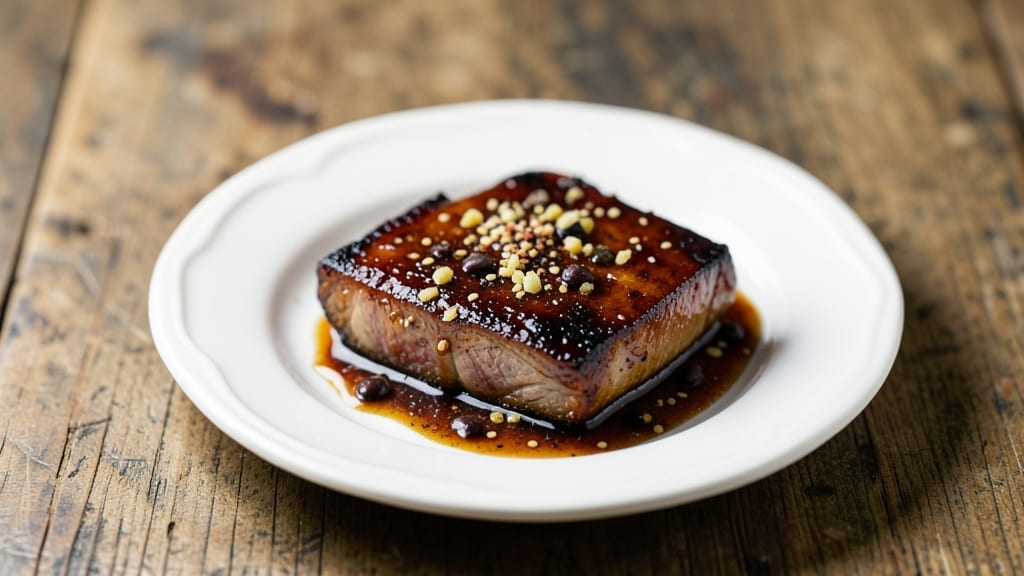
This Chinese barbecue pork sauce recipe delivers the sticky, smoky richness that makes every bite unforgettable. 🔥 After years of perfecting the balance between sweet, salty, and umami, I've created a sauce that transforms simple pork into something extraordinary—glossy, aromatic, and packed with five-spice depth. The tamarind adds that signature tang, while fermented black beans bring a deep, savory complexity that store-bought sauces can't match.
The secret lies in the slow reduction process, where soy sauce, hoisin, and spices meld into a velvety glaze that caramelizes beautifully. This isn't just a sauce—it's a flavor bomb that clings to pork like liquid gold, creating that signature charred-sweet crust we all crave.
Whether you're glazing ribs, stir-frying pork belly, or serving as a dipping sauce, the versatility is what makes this recipe a game-changer for any Chinese-inspired meal.
What sets this sauce apart is the harmony of textures—thick enough to coat perfectly but still glossy enough to shine. The five-spice blend (star anise, cinnamon, cloves) infuses warmth, while tamarind keeps it bright and tangy.
No artificial additives here—just real, bold flavors that build with every simmer. The result? A sauce so rich and complex, it'll have you reaching for seconds (or thirds).
Ready to elevate your pork dishes? This sauce is your secret weapon—foolproof, adaptable, and guaranteed to impress. Let's get cooking.
Ingredients for chinese barbecue pork sauce
Nine bold ingredients transform simple pork into sticky, smoky perfection—no shortcuts needed.
| Ingredient | Amount | Notes |
|---|---|---|
| Light Soy Sauce 🥄 | ½ cup | High-quality, low-sodium preferred |
| Dark Soy Sauce 🥄 | ¼ cup | For deeper color and richness |
| Hoisin Sauce 🍶 | ¼ cup | Thick, fermented bean paste |
| Tamarind Paste 🍈 | ¼ cup | Thick, block form preferred |
| Fermented Black Beans 🫘 | ¼ cup | Drained, rinsed, chopped |
| Five-Spice Powder 🌶️ | 1 tbsp | Homemade blend or store-bought |
| Garlic Cloves 🧄 | 6 cloves | Minced, for aromatic depth |
| Ginger Root 🌿 | 1 tbsp | Fresh, grated, zesty kick |
| Honey 🍯 | ¼ cup | Wildflower or clover variety |
| Sesame Oil 🫒 | 1 tbsp | Toasted, for nutty aroma |
The fermented black beans and tamarind paste are non-negotiable—they deliver that signature umami tang that separates this sauce from store-bought. Grab Asian markets for the best tamarind blocks (they’re often sold in the baking aisle), and look for fermented black beans in jars or cans—Lee Kum Kee is a solid brand. The five-spice powder? If you’re making it fresh (star anise, cinnamon, cloves, fennel, Sichuan pepper), toast the spices first—30 seconds in a dry pan—to wake up their flavors. For convenience, Penzeys sells pre-mixed blends that work perfectly here. The soy sauces? Kikkoman for light, Lee Kum Kee for dark—both are pantry staples that elevate everything.
No tamarind paste? Lime juice plus 1 tbsp sugar mimics the tang, though it’s not identical. Short on fermented black beans? Miso paste adds depth, but reduce by half since it’s saltier. The sesame oil is purely for aroma—use sparingly, or swap for toasted sesame seeds if you prefer texture. Hoisin sauce can’t be skipped entirely, but if you’re out, mix 2 tbsp soy sauce + 1 tsp molasses for a quick stand-in. The honey balances the saltiness, but maple syrup works in a pinch—just reduce other liquids slightly since it’s thicker. For the garlic and ginger, peeling ahead saves time, but fresh is non-negotiable here—powdered won’t cut it.
This sauce peaks after 3-4 days in the fridge, so make extra—it’s even better reheated. Store in an airtight jar with a thin layer of oil on top to preserve the glossy sheen. Freezes beautifully for up to 3 months, though the texture may thicken slightly—just stir in a splash of water when reheating. Double the batch if you’re serving a crowd; it disappears fast. The sesame oil separates when stored, so give it a quick shake before using. Trust me, the first time you glaze pork with this, you’ll never go back to bottled sauce again.
Why You'll Love This Recipe
- Pantry Magic: I swear by this sauce because it uses things I already have—no special trips to the store. Dark soy for color, light soy for depth, and hoisin brings that sticky-sweet balance. Toss in tamarind for tang and fermented black beans for umami, and suddenly, dinner feels like a restaurant night.
- Sweet-Savory Balance: That first bite? Crispy pork with sauce clinging like a hug—sweet from hoisin, funky from fermented beans, and brightened by tamarind. It’s not too heavy, not too one-note; every spoonful has layers. Honestly, I’ve made it for people who “don’t like Chinese food,” and they’ve asked for seconds.
- Weeknight Hero: Slather it on rice bowls, toss with noodles, or drizzle over steamed veggies—it’s my lazy night savior. The sauce keeps for days in the fridge, so I make a big batch and use it all week. (Yes, even on a Tuesday night when takeout menus feel overwhelming.)
- Budget Booster: A little goes a long way, and these ingredients won’t break the bank. Dark soy adds drama for pennies, fermented beans pack flavor without costing much, and hoisin stretches across multiple meals. I’ve fed four people for under $10 with this sauce as the star—no guilt, all flavor.
Step-by-step instructions for Chinese barbecue pork sauce
Here's how to create that signature sticky, smoky-sweet sauce that clings to every bite.
🍳 Step 1: Bloom the Aromatics in Toasted Sesame Oil
Heat a small saucepan over medium-low heat and add the 1 tablespoon sesame oil. Let it warm until fragrant—you'll smell that nutty, toasty aroma that's the foundation of this sauce. Once shimmering but not smoking, add the 6 minced garlic cloves and 1 tablespoon grated ginger root.
Cook for 1-2 minutes until the garlic turns golden and fragrant—don't let it brown or it'll turn bitter. Here's the thing: those aromatics are what make this sauce sing. If you rush this step, you'll miss that deep, complex flavor that balances the sweetness later. Keep stirring gently so the garlic doesn't stick.
🍳 Step 2: Build the Sauce Base with Soy Sauces
Pour in the 0.5 cup light soy sauce and 0.25 cup dark soy sauce—the dark sauce will give you that signature mahogany color while the light sauce adds depth. Bring everything to a gentle simmer over medium heat and let it cook uncovered for 3-4 minutes until slightly reduced by about 20%.
You're looking for a glossy, syrupy consistency here. If it starts to bubble too vigorously, reduce the heat slightly. This is where the sauce's umami foundation forms. The dark soy sauce will look like it's caramelizing slightly—that's exactly what you want for that classic barbecue pork look.
🥘 Step 3: Incorporate Fermented Black Beans and Tamarind
Add the 0.25 cup chopped fermented black beans and 0.25 cup tamarind paste to the simmering sauce. Stir well to combine, then reduce heat to low. Let it cook for 5-6 minutes until the beans soften slightly and the tamarind dissolves completely, creating a thick, sticky texture.
Here's where the sauce gets its signature complexity—the fermented black beans add funky depth while the tamarind brings that signature tangy-sweet balance. You'll see the sauce thicken noticeably as it cooks. If it gets too thick too quickly, add 1-2 tablespoons water to maintain a smooth, pourable consistency.
🍳 Step 4: Sweeten and Season with Five-Spice
Stir in the 0.25 cup honey and 1 tablespoon five-spice powder, mixing until completely dissolved. The honey will make the sauce glisten beautifully, and the five-spice adds that warm, aromatic complexity that's so characteristic of Chinese barbecue pork.
Return the sauce to a gentle simmer and cook for another 3-4 minutes. You're looking for a sauce that's thick enough to coat the back of a spoon but still pourable. The five-spice powder should be fully incorporated—you shouldn't see any specks. Taste and adjust seasoning if needed, adding a bit more light soy sauce for saltiness or honey for sweetness.
⏰ Step 5: Finish with Hoisin and Rest
Remove from heat and stir in the 0.25 cup hoisin sauce. Let the sauce sit for 5 minutes to allow all the flavors to meld together completely. The hoisin adds that rich, slightly sweet complexity that ties everything together.
For the best results, let the sauce cool to room temperature before using it on your pork. This resting period allows the flavors to develop fully. The sauce should be thick, glossy, and have that perfect balance of sweet, salty, smoky, and slightly tangy flavors. If it thickens too much while cooling, you can thin it with a splash of water when ready to use.
Pro Tips For Making Chinese Barbecue Pork Sauce
- Simmer Low and Slow: After burning through three batches of sauce, I learned to keep the heat at a bare simmer—just enough to see tiny bubbles breaking the surface. Rushing it with high heat turns your fermented black beans into a bitter sludge instead of rich, caramelized flavor.
- Toast the Black Beans: Dry-toast the fermented black beans in a separate pan for 2-3 minutes before adding them to the sauce. This deepens their nutty aroma and prevents them from turning the sauce into a muddy mess—trust me, your taste buds will notice.
- Balance the Tamarind: Start with half the tamarind paste called for, taste, then add more if needed. Store-bought paste can vary wildly in sourness, and you don’t want your sauce tasting like a lemonade stand instead of a char siu stall.
- Reduce the Hoisin First: Cook the hoisin sauce alone for 3-4 minutes before adding other ingredients. This thickens it and cuts through the saltiness of the soy sauces, giving your sauce that signature glossy, cohesive texture without extra sugar or corn syrup.
Essential equipment for chinese barbecue pork sauce
Wok for High Heat
A carbon steel wok is my go-to for this sauce—it heats up fast and distributes heat evenly, which is crucial for that quick reduction phase. I swear by Made In woks for their excellent heat retention and durability.
If you don’t have one, a heavy-bottomed stainless steel saucepan (like All-Clad) works too, but watch the heat closely to avoid scorching. The key is getting that sauce to simmer gently without burning, so start on medium heat and adjust as needed. 🔥
Fine-Mesh Strainer
You’ll need a fine-mesh strainer (like OXO Good Grips) if you’re using whole fermented black beans or tamarind pulp. This helps remove any unwanted texture while keeping the flavorful liquid. I like to press the beans gently with a spoon to extract every last bit of umami.
If you’re using pre-chopped beans or paste, skip this step—but having a strainer on hand is always useful for other sauces too. The last thing you want is a gritty sauce ruining your perfect glaze.
Digital Thermometer
A digital instant-read thermometer (I use ThermoWorks Thermapen) ensures your sauce reaches the perfect simmering temperature without guessing. We’re aiming for 180-190°F—hot enough to reduce but not so hot it burns. This is especially important when adding the honey, as high heat can make it bitter.
The thermometer also helps you monitor the sauce’s consistency; if it’s too thick, a quick check tells you whether to add water or keep reducing. Trust me, this small tool saves sauces from disaster. 🌡️
Wooden Spoon
Never use metal utensils when stirring this sauce—wooden spoons (like Oxo Good Grips) are a must. They won’t scratch your wok or saucepan, and they’re gentle enough to scrape up any stuck-on bits without damaging the pan.
Plus, they’re heat-resistant, so you can stir continuously without worrying about melting handles. I keep one dedicated to sauces and another for stir-fries to avoid cross-contamination. A good wooden spoon is an investment that pays off in every batch.
Whisk for Smoothness
For the final texture, a balloon whisk (like Meridian) helps blend the sauce to silky perfection. After adding the hoisin, give it a quick whisk to break up any lumps and ensure a glossy finish. This is where the sauce transforms from good to restaurant-quality.
If you don’t have a whisk, a fork works in a pinch, but it won’t give you that professional sheen. The whisk also helps incorporate air, which makes the sauce look even more enticing when drizzled over pork. ✨
Air-Tight Jar
Store your finished sauce in a glass airtight jar (like Le Parfait) to preserve its glossy texture and vibrant color. The airtight seal keeps moisture out, preventing the sauce from drying or absorbing fridge odors.
I like to fill the jar to the brim, leaving just enough room to screw the lid on tightly. This also makes it easy to pour directly onto pork without spills. Label it with the date—this sauce tastes even better the next day as the flavors meld further.
Pro tip: Add a thin layer of neutral oil (like grapeseed) on top before sealing to maintain that glossy finish. 💫
Nutrition facts
Frequently asked questions
Can I make this sauce without tamarind paste?
Yes! For a similar tangy-sweet balance, combine 2 tablespoons lime juice with 1 tablespoon sugar and simmer for 1 minute to dissolve. The flavor won't be identical, but it works in a pinch. For deeper complexity, try 1 tablespoon rice vinegar + 1 teaspoon sugar instead.
How do I adjust the sweetness if I prefer less sugar?
Reduce the honey by 1 tablespoon and add ½ teaspoon more five-spice powder to compensate. The spices will enhance the sauce's depth without adding sweetness. For extra tang, increase the tamarind by 1 teaspoon. Taste as you go—this sauce is highly adaptable!
What's the best way to use this sauce on pork?
For glazing: Simmer pork in the sauce for 10-15 minutes until sticky and caramelized. For dipping: Serve at room temperature with warm, crispy pork belly slices. Pro tip: Brush sauce on pork in 3 stages—first raw, then after searing, and finally during the last 5 minutes of cooking.
Can I substitute hoisin sauce?
If you're out, mix 2 tablespoons soy sauce + 1 teaspoon molasses + ½ teaspoon smoked paprika. For a closer match, blend 2 tablespoons peanut butter + 1 tablespoon soy sauce + ½ teaspoon garlic powder. The texture won't be identical, but it'll add richness. Store-bought hoisin (like Lee Kum Kee) is ideal for authentic flavor.
Why did my sauce turn out too thick?
This happens when reducing too long or cooling too quickly. Thin with 1-2 teaspoons water while warm, stirring constantly. For future batches, remove from heat 1-2 minutes earlier and let it cool gradually. The sauce will thicken naturally as it cools—this is normal! If it's still too thick after reheating, add water 1 teaspoon at a time.