
Main Courses
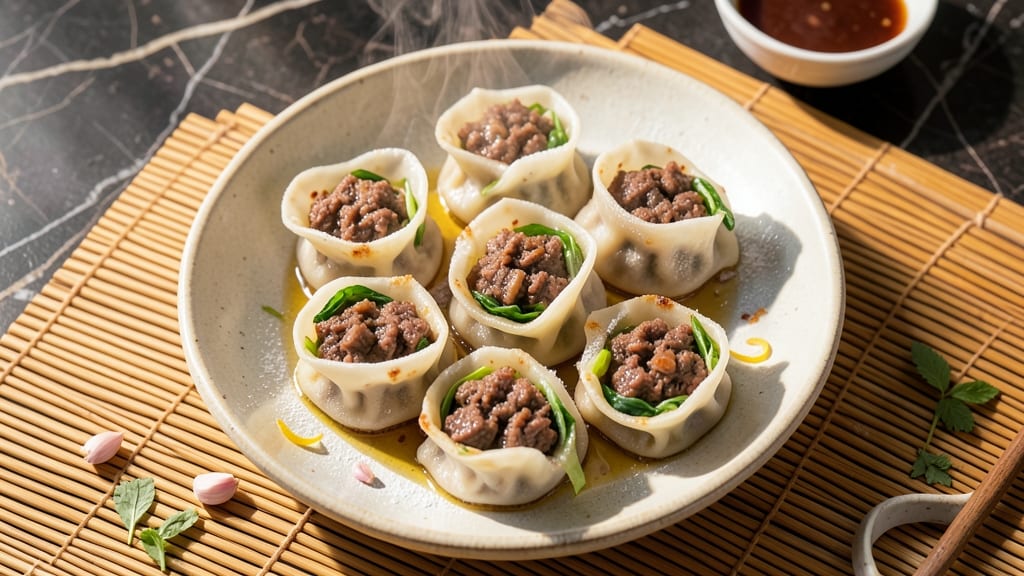
This Chinese pork and cabbage dumpling recipe delivers the perfect balance of crispy edges and juicy centers—just like your favorite restaurant. I learned the art of folding and pan-frying from my grandmother's handwritten notes, which always promised "golden-bottomed dumplings with tender meat."
The secret lies in the dough's elasticity and a precise folding technique that seals in all those savory flavors.
What sets these dumplings apart is the combination of finely ground pork, shredded cabbage, and aromatic seasonings wrapped in delicate dough. The filling stays moist while the edges achieve that signature crispiness when pan-fried.
I've simplified the process without sacrificing authenticity—no special equipment required, just patience and a steady hand for folding. This recipe serves as a comforting reminder of home-cooked meals that feel special without being complicated.
By the time you're done, you'll have a plate of dumplings with golden-brown bottoms that shatter slightly when you bite in, followed by tender pork and cabbage bursting with flavor. The aroma alone will have everyone gathering around the table.
Serve with a simple vinegar-chili dipping sauce or soy-ginger sauce for the full experience—this is the kind of meal that transforms a regular weeknight into something memorable.
Whether you're making them for a family dinner or a special occasion, these dumplings are worth the effort. The technique might seem intimidating at first, but once you master the fold, you'll be making them regularly.
Let's get started on creating your own batch of restaurant-quality jiaozi right in your home kitchen.
Ingredients for chinese dumpling recipe pork cabbage
Fourteen ingredients, two hands, and a lifetime of crispy perfection waiting to happen.
| Ingredient | Amount | Notes |
|---|---|---|
| Ground Pork 🥩 | 1 lb | Finely ground, lean preferred |
| Napa Cabbage 🥬 | 4 cups | Shredded, finely chopped |
| All-Purpose Flour 🌾 | 2 cups | Plus 1 tsp for dusting |
| Water 💧 | ¾ cup | Room temperature preferred |
| Vegetable Oil 🫒 | 1 tbsp | For dough elasticity |
| Garlic Cloves 🧄 | 4 cloves | Minced, finely chopped |
| Ginger Root 🌿 | 1 ½ tbsp | Freshly grated, finely minced |
| Soy Sauce 🍶 | 2 tbsp | Light or all-purpose |
| Sesame Oil 🫒 | 1 tsp | For aroma, not cooking |
| Green Onions 🧅 | 3 whole | Thinly sliced, white and green |
| Salt 🧂 | 1 tsp | Diamond Crystal preferred |
| White Pepper 🌶️ | ½ tsp | Freshly ground preferred |
| Neutral Oil 🫒 | ½ cup | For pan-frying, high smoke point |
The pork and cabbage are the heart of these dumplings—fresh Napa cabbage from the grocery store's produce section is ideal, but any green cabbage works in a pinch. Look for ground pork with good marbling (the supermarket's butcher counter usually has it pre-ground) for that juicy texture. Whole Foods or Trader Joe's often carry pre-shredded cabbage if you're short on time, but I always chop mine myself for better texture. For the dough, King Arthur flour or Pillsbury all-purpose both work well—they're reliable for dumpling dough. The secret to tender filling is finely mincing the garlic and ginger—a microplane makes this job effortless, but a sharp knife works too.
No Napa cabbage? Green cabbage or bok choy are decent substitutes, though texture will differ slightly. Running low on sesame oil? A pinch of toasted sesame seeds can mimic the aroma. The soy sauce can be swapped for coconut aminos if you're avoiding soy, but the color will be lighter. For the dough, if you don't have vegetable oil, melted butter works too (just let it cool before mixing). The green onions can be omitted entirely if you prefer—this is one of those recipes where you can adjust based on what you have. The key is keeping everything finely chopped so the filling stays cohesive when folded.
Store the dough between parchment paper in an airtight container for up to 3 days—it keeps better than the filling. The filling itself can be prepped a day ahead and stored in the fridge for 24 hours. For freezing, wrap individual dumplings in plastic wrap before placing them in a freezer bag—they'll keep for 3 months. When ready to cook, pan-fry from frozen (add 1-2 extra minutes). The dough gets stiffer when cold, so let it sit at room temperature for 10 minutes before rolling. These dumplings reheat beautifully—steam them for 5 minutes after pan-frying to revive crispiness.
Why You'll Love This Recipe
- No Fuss Filling: I swear by the simplicity of this—just mix the ground pork with finely chopped cabbage, a pinch of salt, and a splash of oil. No fancy ratios, no stressing over measurements. Honestly, I’ve made it with my eyes closed (and once with my phone in hand).
- Crispy-Tender Magic: That first bite? The flour wrapper gets a golden crisp while the inside stays juicy and packed with cabbage’s fresh bite. Between us, it’s the kind of contrast that makes you reach for seconds without thinking.
- Leftover Reinvention: Freeze half the batch raw, and boom—you’ve got emergency dumplings for another night. Pan-fry them straight from frozen, or steam them for a quick lunch. I’ll be real: They’re my go-to for lazy days when I can’t be bothered to cook.
- Budget-Friendly Staple: Ground pork stretches far, cabbage lasts forever, and flour’s the cheapest pantry staple. For under $10, I feed my family a meal that feels special without breaking the bank. (Yes, even on a Tuesday night.)
Step-by-step instructions for pan-fried pork and cabbage dumplings
Here's how to achieve that perfect balance of crispy edges and juicy centers in every dumpling.
Prepare the Filling with Perfect Texture
In a large bowl, combine the 1 lb ground pork with the 4 cups shredded napa cabbage. Using your hands, gently mix until the cabbage begins to soften slightly—this helps release moisture that will create steam during cooking. Add the 4 cloves minced garlic, 1.5 tbsp finely grated ginger, 2 tbsp soy sauce, 1 tsp salt, and 0.5 tsp white pepper. Mix well, then fold in the 3 whole thinly sliced green onions and 1 tsp sesame oil. The filling should be moist but not wet—if it's too dry, add 1-2 teaspoons of water to help bind it.
This step is crucial for achieving juicy centers. The cabbage needs to release its moisture, but too much liquid will make your dumplings soggy. I like to press the mixture gently in the bowl to test consistency—it should hold together when shaped but still be pliable.
Make the Dough with Ideal Elasticity
In a separate bowl, whisk together the 2 cups all-purpose flour and 1 tsp additional flour for dusting. Make a well in the center and add the 0.75 cup room temperature water and 1 tbsp vegetable oil. Using a fork, gradually mix the ingredients until a shaggy dough forms. Turn it out onto a lightly floured surface and knead for 5-7 minutes until smooth and elastic.
The dough should be soft but not sticky—if it feels too dry, add 1 teaspoon water at a time; if too sticky, add 1 teaspoon flour. Wrap the dough in plastic wrap and let it rest for 30 minutes at room temperature. This resting period relaxes the gluten, making it easier to roll out thin wrappers that crisp beautifully when pan-fried.
Roll and Fill the Dumplings
Divide the rested dough into 16 equal pieces (about 1.5 ounces each). Roll each piece between your palms into a ball, then use a rolling pin to flatten into 3-inch circles about 1/16-inch thick. Keep the remaining dough covered to prevent drying. Place 1 tablespoon of filling in the center of each wrapper, then fold in half and pinch the edges tightly to seal. I like to use a pleating technique for decorative edges—press gently along the folded edge with my thumb to create a classic dumpling shape.
For crispy edges, keep the wrappers as thin as possible without tearing. If the filling leaks during sealing, pat it back inside—this ensures even cooking and prevents messy wrappers. Arrange the sealed dumplings on a floured tray, cover with a damp towel, and let them rest for 15 minutes before cooking. This short rest helps them maintain their shape when hitting the hot pan.
Pan-Fry to Golden Perfection
Heat 0.5 cup neutral oil in a large nonstick skillet over medium-high heat until shimmering but not smoking. Add the dumplings in a single layer, leaving 1/2-inch gaps between them. Cook undisturbed for 2-3 minutes until the bottoms turn deep golden brown and crispy. This is the moment that matters—they should develop a beautiful caramelized crust while staying tender inside.
Carefully flip each dumpling using a pair of tongs and cook for another 2-3 minutes on the second side until equally golden. If the oil isn't hot enough, the dumplings will steam instead of crisp. You'll know it's ready when the edges are crisp and slightly blistered, and the filling is just beginning to peek through in spots. Remove from the pan and drain on a wire rack or paper towels to keep them crisp.
Serve Immediately with Classic Pairings
Transfer the hot dumplings to a serving platter and drizzle with any remaining oil from the pan. The crispy edges should contrast beautifully with the juicy, flavorful filling. Serve immediately while still hot—these dumplings are best enjoyed right out of the pan. Pair with a side of black vinegar dipping sauce (mix 2 tbsp vinegar, 1 tbsp soy sauce, and a pinch of sugar) or a simple garlic chili oil for dipping.
Each bite should deliver that satisfying crunch from the wrapper, followed by the juicy pork and cabbage filling. The secret to perfect dumplings lies in the balance of technique—properly hydrated filling, elastic dough, and high heat for crisping. Don't skip the resting periods; they make all the difference in the final texture. Enjoy your homemade dumplings while they're still warm and crispy!
Pro Tips For Making Chinese Dumpling Recipe Pork Cabbage
- Boil Cabbage First: I used to chop the raw Napa cabbage and toss it straight into the filling mix—big mistake. Blanch the leaves in boiling water for 30 seconds first, then shock in ice water. This softens them just enough to handle without turning the filling into mush, and they’ll hold their shape when steamed. (Yes, even if you’re impatient like me, this step makes a real difference.)
- Chill the Dough: After mixing flour and water, resist the urge to roll out those dumplings immediately. Wrap the dough in plastic and refrigerate for at least 20 minutes. Cold dough is less sticky, easier to work with, and won’t stick to your hands or the rolling pin. I learned this the hard way—warm dough turns into a gluey nightmare.
- Don’t Overfill: Crowded dumplings burst like overstuffed sausages. Use about 1 teaspoon of filling per wrapper—press it into a flat disc, not a mound. If your cabbage is extra juicy, squeeze out excess moisture before filling. Trust me, you’ll thank yourself when every dumpling seals properly.
- Steam in Batches: Pile all dumplings into one steamer basket, and you’re asking for soggy bottoms. Arrange them in a single layer, leaving a tiny gap between each. Steam for 8 minutes, then flip—this guarantees even cooking without a single sad, underdone dumpling. (And no, you don’t need a fancy bamboo steamer; a colander over boiling water works fine.)
Perfect pairings for this recipe
Dipping Sauce Essentials
No dumpling is complete without its perfect dipping sauce. My go-to is a simple black vinegar-chili oil blend—just 2 tbsp black vinegar, 1 tbsp soy sauce, and a pinch of sugar.
For heat lovers, add 1 tsp chili crisp (like Laoganma) or a dash of Sichuan peppercorn powder. This tangy, slightly spicy sauce cuts through the richness of the pork filling beautifully. 🌶️
For a milder option, try a soy-ginger sauce: mix 2 tbsp soy sauce, 1 tbsp rice vinegar, 1 tsp grated ginger, and a drizzle of honey.
The sweetness balances the savory dumplings while adding a bright finish. I keep a small bowl of sauce on the table so everyone can customize their dipping experience.
Side Dish Harmony
A light, crisp side dish keeps the meal balanced. Quick-pickled cucumbers add refreshing acidity—slice 1 English cucumber into thin rounds and toss with 2 tbsp rice vinegar, 1 tsp sugar, and a pinch of salt.
Let sit for 15 minutes before serving. The crunch contrasts perfectly with the soft dumplings.
For something heartier, serve with steamed bok choy—toss 2 baby bok choy with 1 tsp sesame oil and a sprinkle of toasted sesame seeds. Steam for 3-4 minutes until tender.
The earthy greens complement the pork filling without overpowering it. I often make extra dumplings to pair with this side for a full, satisfying meal.
Beverage Pairings
A jasmine green tea or oolong tea cleanses the palate between bites. The floral notes of jasmine tea highlight the dumplings' savory flavors, while oolong's toasty undertones pair beautifully with the crispy edges.
I keep a thermos of hot tea on the table during dumpling feasts—it's a comforting tradition from my grandmother's kitchen.
For something more substantial, a light lager like Asahi Super Dry or Sapporo works wonders. The crisp, clean finish cuts through the richness of the pork and cabbage filling.
If you prefer red wine, a dry Riesling offers enough acidity to balance the meal without competing with the dumplings' flavors. 🍷
Make-Ahead Serving Tips
If serving a crowd, assemble the dumplings ahead and refrigerate them on a floured tray. When ready to cook, let them sit at room temperature for 10 minutes before pan-frying—they'll crisp up more evenly.
For a steamier option, boil or steam the dumplings instead of pan-frying, then reheat in a skillet with a splash of water to revive crispiness.
Presentation matters! Arrange dumplings on a large platter with the dipping sauces in small bowls at each place. Garnish with extra green onion slices or a sprinkle of toasted sesame seeds for a restaurant-worthy touch.
The aroma alone will have everyone eager to dig in—trust me, it's worth the effort. ✨
Nutrition facts
Frequently asked questions
Can I substitute ground chicken or turkey for the pork?
Yes, but expect a slightly different texture and flavor. Ground chicken or turkey works well, but add 1 extra tablespoon of water to the filling to compensate for their lower fat content. For best results, use 93% lean ground turkey—the fat helps keep the filling juicy. The dumplings will still be delicious, just lighter in flavor.
What if my dumpling dough cracks when rolling?
This usually happens when the dough is too dry or too cold. First, make sure your rolling surface is lightly floured. If the dough feels stiff, add 1 teaspoon of water at a time until pliable. Let the dough rest for 10 extra minutes if it feels tight—this helps relax the gluten. Roll gently in one direction, then turn and repeat to prevent cracking.
How do I prevent the filling from leaking during cooking?
Proper sealing is key! Make sure your filling is moist but not wet—if it's too loose, add 1 teaspoon of water and mix well. Press the edges firmly with your thumb as you fold, creating a tight seal. For extra security, pleat the edges by pinching them in a crisscross pattern. If filling leaks during cooking, pat it back inside before serving.
Can I make these dumplings ahead and freeze them?
Assemble the dumplings, then freeze them on a floured tray until solid. Transfer to a freezer bag with parchment paper between layers. Cook from frozen—add 1-2 extra minutes to pan-frying time. For steamed dumplings, freeze them raw and steam directly from frozen (add 2 extra minutes). The texture holds up beautifully when reheated.
What's the best way to reheat leftover dumplings?
For pan-fried dumplings, reheat in a dry skillet over medium heat for 2-3 minutes per side until crispy again. For steamed dumplings, steam for 5 minutes in a steamer basket. To revive crispiness, add 1 teaspoon of oil to the pan and cover for 1 minute to steam, then uncover to crisp. Never microwave—it makes them soggy!