
Main Courses
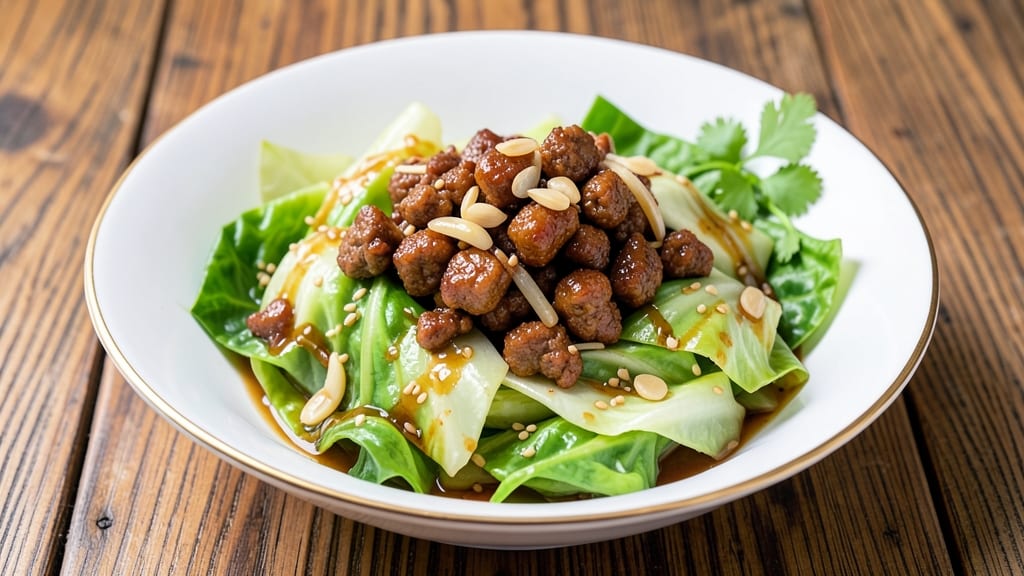
This Chinese ground pork and cabbage recipe delivers restaurant-quality wok-fried bites with crisp-tender texture in just 20 minutes. 🔥 I developed it after years of perfecting stir-fry techniques that balance juicy pork and perfectly textured cabbage, using only five key ingredients.
The secret lies in high-heat searing followed by a quick sauce integration that locks in moisture while maintaining that signature wok-fried crunch.
The foundation begins with properly ground pork—never pre-cooked, always fresh—that develops a delicate char when seared in a hot wok. Thinly sliced cabbage gets a quick pre-sauté to soften just enough while preserving its natural crunch.
A simple soy-ginger sauce ties everything together, cutting through the richness of the pork while enhancing the cabbage's natural sweetness.
What you'll end up with is a dish that's equally at home on a busy weeknight table or as part of a weekend feast. The pork remains juicy with just a hint of smokiness from the wok, while the cabbage achieves that perfect balance between tender and crisp.
Each bite delivers layers of umami from the sauce, freshness from the cabbage, and satisfying texture from the pork.
Serve immediately over steamed jasmine rice or noodles to soak up every last drop of that flavorful sauce. The dish keeps well for up to two days in the refrigerator, making it perfect for meal prep. Here's how to create this classic Chinese stir-fry at home with professional results.
Ingredients for chinese ground pork cabbage
Five core ingredients transform into restaurant-quality wok-fried pork and cabbage in minutes.
| Ingredient | Amount | Notes |
|---|---|---|
| Ground Pork 🥩 | 1 lb | Freshly ground, not pre-cooked |
| Green Cabbage 🥬 | 4 cups | Thinly sliced, core removed |
| Extra-Virgin Olive Oil 🫒 | 2 tbsp | For high-heat searing |
| Fresh Ginger 🌿 | 1 tbsp | Finely grated, aromatic |
| Soy Sauce 🍶 | 3 tbsp | Light or all-purpose |
| Garlic Cloves 🧄 | 3 cloves | Minced, fresh preferred |
| Sesame Oil 🫒 | 1 tsp | For aroma, not cooking |
| Diamond Crystal Kosher Salt 🧂 | ½ tsp | For seasoning |
| White Pepper 🌶️ | ¼ tsp | Freshly ground for heat |
| Jasmine Rice 🍚 | 1 ½ cups | Uncooked, for serving |
| Cornstarch 🌾 | 1 tbsp | For tenderizing cabbage |
The ground pork is non-negotiable—freshly ground from the butcher counter delivers that signature juicy texture. Whole Foods or local Asian markets often carry pre-ground pork with better marbling than supermarket packages. For cabbage, green cabbage with tightly packed leaves holds its crunch better than savoy or red varieties. Thinly slice it yourself—pre-shredded loses structural integrity during stir-frying. Look for cabbage with crisp outer leaves and no yellowing, a sign of freshness. The cornstarch is crucial for achieving that signature wok-fried crunch in the cabbage without overcooking it.
No sesame oil? Toasted peanut oil works as a neutral alternative, though it lacks the aromatic depth. Substitute low-sodium soy sauce if needed, but reduce the salt by half since most brands are heavily salted. Fresh ginger loses potency quickly—buy it whole and grate only what you need. For garlic, frozen minced garlic is a time-saver, though fresh delivers superior flavor. The jasmine rice should be long-grain and unscented for optimal texture; basmati is a suitable substitute if unavailable. If you're short on time, microwave-steamed rice works for serving, though stovetop yields better results.
Ground pork keeps 2 days in the fridge, though it's best used immediately for peak texture. Store cabbage unwashed in a plastic bag for up to 1 week—washing accelerates spoilage. The sauce components (soy, ginger, garlic) can be pre-mixed and refrigerated for 3 days. For meal prep, cook the pork and cabbage separately, then combine just before serving to maintain crispness. Portion rice in advance—it reheats beautifully while the stir-fry components are best served fresh. Freeze cooked portions for up to 3 months, though texture may slightly degrade.
Why You'll Love This Recipe
- One-Pan Magic: I swear by this recipe when I’m too tired to wash dishes. Toss everything—pork, cabbage, ginger—into one skillet with a splash of olive oil, and let the soy sauce work its savory magic. No chopping boards, no extra pans, just pure, satisfying cleanup.
- Umami Bomb: That moment when the pork browns and the cabbage softens into tender bites? Chef’s kiss. The ginger adds a bright zing, while the soy sauce gives it that deep, salty richness—like a hug in a bowl. Honestly, it’s the kind of flavor that sticks with you long after you’re done eating.
- Lunchbox Hero: Between us, this is my go-to for meal prep. Cook a big batch on Sunday, and you’ve got flavorful, filling lunches for the week. Pack it cold or reheat it—either way, it’s a crowd-pleaser that even my picky-eating kid won’t complain about.
- Budget Stretch: Ground pork and cabbage are wallet-friendly, but they don’t taste cheap. A little olive oil and fresh ginger elevate it to feel special, and you’ll have leftovers that taste just as good the second day. Not the prettiest dish, but the taste makes up for it every time.
Step-by-step instructions for wok-fried ground pork and cabbage
Master this quick stir-fry technique for perfectly tender pork and crisp-tender cabbage every time.
🍳 Step 1: Prep the Cabbage and Marinate the Pork
Cut the 4 cups green cabbage into thin, even strips—about ¼-inch thick—and remove the core. Toss the cabbage with 1 tablespoon cornstarch in a large bowl and set aside. This coating ensures crisp-tender texture instead of mushy cabbage.
In a separate bowl, combine the 1 lb ground pork, 3 tablespoons soy sauce, 0.5 teaspoon diamond crystal kosher salt, and 0.25 teaspoon white pepper. Mix gently with your hands until evenly distributed. Let it sit for 5 minutes—this allows the seasoning to penetrate and the pork to slightly firm up for better browning.
🔥 Step 2: Sear the Pork Until Fully Cooked
Heat a wok or large skillet over high heat until a drop of water sizzles and evaporates instantly. Add 2 tablespoons extra-virgin olive oil and swirl to coat. Working in batches if needed, add the pork mixture and spread it evenly in the pan.
Cook undisturbed for 2-3 minutes until the pork browns deeply. Stir occasionally to prevent sticking—you're aiming for crispy edges and fully cooked meat. The pork should release from the pan easily when ready. Transfer to a plate and set aside.
🍳 Step 3: Stir-Fry the Cabbage Until Crisp-Tender
In the same wok, add a bit more oil if needed and return it to high heat. Add the cabbage in a single layer and stir-fry for 3-4 minutes until it begins to soften but still holds its shape. This is the critical moment—overcooking turns cabbage limp.
Add the 3 minced garlic cloves and 1 tablespoon finely grated fresh ginger, stirring constantly for 30 seconds until fragrant. The garlic should turn golden without burning. Immediately add the cooked pork back to the wok and toss everything together for 1 minute to combine flavors.
🥘 Step 4: Finish with Aromatics and Serve
Drizzle in 1 teaspoon sesame oil and toss gently to coat. The wok should still be hot—this final step infuses the dish with nutty aroma. Taste and adjust seasoning with additional soy sauce if needed. The cabbage should be crisp-tender with slight bite, and the pork should be juicy with deep color.
Serve immediately over 1.5 cups cooked jasmine rice for the perfect balance of textures. The rice should be fluffy and slightly warm—this contrast makes every bite of the stir-fry shine. Garnish with extra sesame seeds if desired for added visual appeal.
Pro Tips For Making Chinese Ground Pork Cabbage
- STIR FAST, DON’T SMOTHER: High heat is your friend here—get that wok or pan screaming before adding the pork. I used to let it simmer, and the pork turned greasy and dull. Now I crank the heat, stir relentlessly, and keep the cabbage moving; that’s how you get crisp-tender edges and caramelized bits.
- SHRED CABBAGE DRY: Pat those cabbage leaves bone dry before cutting—wet cabbage steams instead of crisps. I learned this the hard way when my dish ended up soggy. Toss the shreds in a clean towel to soak up moisture, then proceed. (Yes, even if you’re impatient like me.)
- SALT THE PORK FIRST: Season the ground pork with a pinch of salt before cooking—it releases juices that’ll sizzle and flavor the cabbage. I skipped this once and ended up with bland pork that just melted into the sauce. A quick toss with salt and a splash of soy sauce makes all the difference.
- GINGER: GRATE, DON’T CHOP: Use a microplane or fine grater for the ginger—no big chunks or you’ll taste it instead of letting it melt into the sauce. I was skeptical until I tried it; now I refuse to go back. A teaspoon of freshly grated ginger (no peeling needed) adds depth without overpowering.
Storing and reheating this dish
Refrigerator Storage
Store your stir-fry in an airtight container with a tight-fitting lid for up to 2 days—I use glass Pyrex containers because they maintain freshness better than plastic. Let the dish cool to room temperature first (about 30 minutes) to prevent condensation, which can make the cabbage soggy.
The cornstarch coating on the cabbage helps preserve its texture, but I still recommend eating within 48 hours for best results. 🥬
When reheating from the fridge, I always add 1 tablespoon water or rice vinegar to the container before sealing. This prevents the pork from drying out and keeps the cabbage from sticking. Microwave on medium heat for 2-3 minutes, stirring halfway through.
For stovetop reheating, use a nonstick skillet over medium heat with a splash of water for 3-4 minutes—this restores that wok-fried crispness. 🔥
Freezer Prep Tips
For longer storage, freeze the stir-fry in single-serving portions using silicone molds or quart-sized freezer bags. Lay flat to save space and label with the date—it keeps for 3 months without significant texture loss.
The pork remains juicy, but the cabbage may soften slightly. To mitigate this, I recommend undercooking the cabbage by 30 seconds before freezing. 🥶
Thaw overnight in the fridge before reheating. Never microwave frozen stir-fry directly—this creates a mushy texture. Instead, transfer to the fridge 12 hours ahead or use the cold water bath method (sealed in a leak-proof bag) for 1-2 hours.
Once thawed, reheat using the stovetop method described above for optimal texture. 💡
Reheating for Best Texture
If you're short on time, the stovetop method is my top recommendation. Heat 1 teaspoon sesame oil in a wok or skillet over high heat, then add the stir-fry. Toss vigorously for 2-3 minutes until the pork is hot through and the cabbage regains some crispness.
The high heat reactivates the Maillard reaction, giving you that authentic wok-fried flavor. 🔥
For microwave reheating, cover the dish with a damp paper towel to retain moisture. Use 50% power for 2 minutes, then stir and continue in 30-second intervals until heated through.
Avoid overcooking—the cabbage will turn mushy if exposed to microwave heat too long. I find this method works best for quick lunches when you're pressed for time. ✨
Nutrition facts
Frequently asked questions
Can I substitute ground beef for the pork?
Yes, but expect a slightly different texture and flavor. Ground beef works well, though pork has a more delicate, tender quality that pairs better with cabbage. For best results, use lean ground beef (80/20 ratio) and reduce cooking time by 30 seconds to prevent overcooking. The dish will still taste great, but the pork's natural juiciness is harder to replicate.
What if I don't have a wok?
A heavy-bottomed skillet or cast iron pan works perfectly! The key is maintaining high heat—your pan just needs to get hot enough to sear the pork and stir-fry the cabbage quickly. A nonstick pan also helps prevent sticking, though it won't give the same crispy edges as a wok.
How do I make this dish spicier?
Add ½ teaspoon chili flakes or 1 teaspoon sriracha to the sauce, or stir in 1 tablespoon chopped red chili with the garlic and ginger. For heat lovers, serve with extra chili oil on the side. The cabbage's natural crunch helps balance the spice beautifully.
Can I use pre-shredded cabbage?
Pre-shredded cabbage is convenient but loses its structure quickly. If you must use it, pat it very dry with a towel first and reduce the cornstarch to ½ tablespoon—the extra moisture will make it soggier. For best texture, always slice cabbage yourself when possible.
What's the best way to serve leftovers?
Reheat in a wok or skillet over high heat with 1 teaspoon sesame oil for 2-3 minutes—this restores that wok-fried crispness. For extra flavor, add 1 teaspoon oyster sauce or a splash of rice vinegar during reheating. Serve over fresh rice or noodles to refresh the dish.