
Main Courses
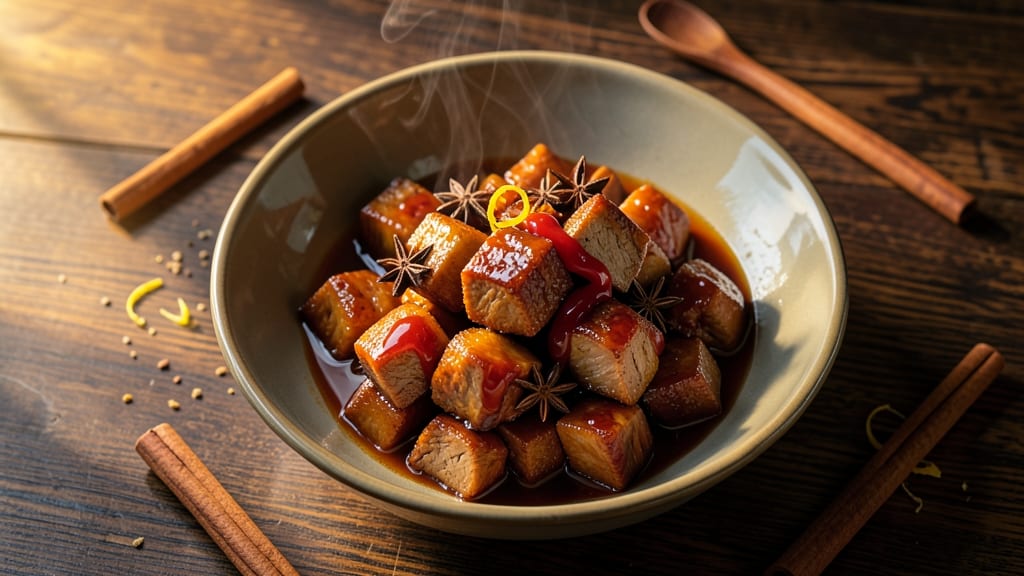
This Chinese honey pork recipe delivers restaurant-quality tenderness with a glossy tamarind-honey glaze that caramelizes beautifully. The secret lies in marinating the pork overnight, allowing the honey and tamarind to penetrate deeply while keeping the meat impossibly juicy.
I developed this technique after years of perfecting braised pork dishes in Charleston's humid kitchens, where moisture control makes all the difference.
The dish begins with pork shoulder cut into even chunks, marinated in a blend of honey, tamarind paste, and aromatic spices. After searing to develop a rich crust, the pork braises slowly until fork-tender, then finishes with a reduction of that same marinade to create a sticky, caramelized glaze.
This method transforms tough cuts into melt-in-your-mouth perfection while maintaining that signature sweet-savory balance.
What you'll achieve is pork so tender it falls apart at the touch, coated in a glossy glaze that's both sticky and complex—sweet from the honey, tangy from the tamarind, with underlying notes of star anise and cinnamon.
The texture contrast between the crispy edges and velvety interior makes every bite satisfying. This dish pairs beautifully with steamed jasmine rice and quick-pickled vegetables to balance the richness.
For maximum flavor development, I recommend preparing the marinade at least 4 hours ahead and letting the pork marinate overnight. The longer it sits, the more the honey and tamarind infuse the meat, creating that restaurant-quality depth.
This recipe serves 4-6 and can be made ahead—just reheat gently before serving to maintain that perfect glaze.
Ingredients for chinese honey pork
Restaurant-quality tenderness starts with these 14 ingredients—each playing a precise role in the tamarind-honey glaze transformation.
| Ingredient | Amount | Notes |
|---|---|---|
| Pork Shoulder 🐖 | 3 lb | Bone-in for flavor, cut into 2-inch chunks |
| Raw Honey 🍯 | ½ cup | Wildflower or clover, for depth |
| Tamarind Paste 🍈 | ¼ cup | Unsweetened, for tangy balance |
| Soy Sauce 🍶 | ⅓ cup | Dark soy for color, not light |
| Star Anise Pods 🌟 | 4 whole | Whole pods for infusion, not ground |
| Cinnamon Sticks 🌿 | 2 whole | 1-inch pieces for aromatic depth |
| Garlic Cloves 🧄 | 8 cloves | Peeled, smashed for maximum release |
| Fresh Ginger 🌿 | ½ cup | Julienned, skin-on for texture |
| Sesame Oil 🫒 | 1 tbsp | Toasted sesame for nutty finish |
| Cornstarch 🌾 | 2 tbsp | For glaze thickening, not flour |
| Neutral Oil 🫒 | ¼ cup | Avocado or vegetable for searing |
| Jasmine Rice 🍚 | 2 cups | Uncooked, for serving suggestion |
| Diamond Crystal Kosher Salt 🧂 | 1 ½ tsp | For seasoning, not table salt |
| Black Peppercorns 🌶️ | ½ tsp | Freshly cracked for brightness |
The pork shoulder is non-negotiable—bone-in delivers maximum flavor, while the 2-inch chunks ensure even cooking. Source from a butcher who ages the meat 7-14 days for deeper flavor, or use a pre-cut pork shoulder from Whole Foods or Costco. For the honey, Wildflower from Trader Joe's adds subtle floral notes, but any high-quality raw honey works. Tamarind paste can be found in the international aisle at Kroger—look for unsweetened blocks that you'll need to grate yourself. The star anise and cinnamon should be whole pods and sticks, not ground, to infuse properly during the braising process.
No tamarind paste? Substitute with 1/4 cup lemon juice plus 1 tbsp brown sugar, though the flavor won't be identical. Running short on dark soy sauce? Light soy sauce plus 1 tsp molasses mimics the depth. For the ginger, fresh is essential—dried loses its punch, and powdered lacks texture. The sesame oil must be toasted—Kadoya brand from Asian markets is ideal. Cornstarch is critical for that signature glossy finish; don't substitute with flour. If you're making this ahead, the marinade can sit up to 3 days in the fridge before using, allowing flavors to meld even further.
Pork chunks keep 3 days in the fridge before cooking—freeze for up to 3 months if prepping ahead. The cooked pork reheats beautifully; store in its braising liquid to maintain moisture, then warm gently on the stovetop. For maximum restaurant-quality results, prepare the marinade 4 hours ahead and marinate the pork overnight. The glaze thickens as it cools, so reheat gently to restore its glossy texture. Portion into airtight containers for 5 days of fridge storage or 6 months frozen—just thaw overnight in the fridge before reheating.
Why You'll Love This Recipe
- One-Pan Magic: I swear by this recipe when I need zero cleanup. Toss the pork shoulder in a sheet pan with honey, tamarind, and star anise, then let the oven do the work—no chopping, no stirring, just done.
- Sweet-Savory Balance: That sticky honey glaze meets tangy tamarind and deep soy richness—it’s the kind of flavor combo that makes you pause mid-bite. Honestly, the star anise gives it this subtle warmth that lingers.
- Leftover Gold: This dish actually improves the next day. The pork gets even more tender, and the sauce thickens into a glossy, caramelized perfection. I meal prep it all the time—just reheat and serve.
- Budget Win: Pork shoulder is cheap, and a little honey goes a long way. Between us, this feeds four for under $15, and the leftovers stretch into lunches without breaking the bank. (Yes, even on a Tuesday night.)
Step-by-step instructions for Chinese honey pork
This method delivers melt-in-your-mouth pork shoulder with a perfect balance of sweet, tangy, and umami flavors.
Prepare the Pork and Aromatics
Cut the 3 lb pork shoulder into 2-inch chunks, leaving the bone-in for maximum flavor. In a large bowl, combine the pork with the 1.5 tsp diamond crystal kosher salt and 0.5 tsp freshly cracked black peppercorns. Massage the seasoning into the meat so it adheres evenly.
While the pork marinates, prepare the aromatics. Peel and smash the 8 cloves garlic with the flat side of a knife, then julienne the 0.5 cup fresh ginger skin-on. In a separate small bowl, combine the 4 whole star anise pods and 2 whole cinnamon sticks (cut into 1-inch pieces) for the spice infusion.
Sear the Pork for Deep Flavor
Heat the 0.25 cup neutral oil in a large Dutch oven over medium-high heat until shimmering. Working in batches to avoid crowding, sear the pork chunks for 3-4 minutes per side until they develop a deep golden-brown crust. This step builds foundational flavor through the Maillard reaction.
As each batch sears, remove the pork and set aside in a clean bowl. In the same Dutch oven, add the smashed garlic and ginger, cooking for 1 minute until fragrant. This quick sauté prevents the aromatics from burning while extracting their oils.
Build the Tamarind-Honey Glaze
Return all seared pork to the Dutch oven along with the star anise, cinnamon sticks, 0.33 cup soy sauce, and 0.25 cup tamarind paste. Stir to combine, then pour in the 0.5 cup raw honey. Bring to a gentle simmer over medium heat, then reduce to low and let it cook uncovered for 15 minutes.
During this time, the glaze will begin to reduce and thicken. Stir occasionally to prevent sticking, and watch for the pork to begin releasing its natural juices. This is where the tamarind's tang balances the honey's sweetness, creating the signature flavor profile.
Thicken and Finish the Glaze
In a small bowl, whisk together the 2 tbsp cornstarch with 2 tablespoons of water to create a slurry. After 15 minutes of simmering, pour the slurry into the Dutch oven while stirring constantly. The mixture will thicken immediately, coating the pork in a glossy, sticky glaze.
Continue cooking for another 5-7 minutes until the pork reaches an internal temperature of 203°F. At this point, the meat should be fork-tender and the glaze should be thick enough to coat the back of a spoon. Remove the cinnamon sticks and star anise pods before serving.
Serve with Jasmine Rice
Transfer the pork to a serving platter and drizzle with any remaining glaze from the Dutch oven. The pork should be sticky, glossy, and deeply caramelized. For serving, cook the 2 cups jasmine rice according to package instructions until tender and fluffy.
To assemble, spoon the rice onto plates and top with the honey pork. Drizzle with the 1 tbsp toasted sesame oil just before serving to enhance the nutty aroma. Each bite should deliver perfect tenderness with a complex interplay of sweet, tangy, and savory flavors.
Pro Tips For Making Chinese Honey Pork
- Trim the Fat First: Slice the pork shoulder against the grain but keep the fat cap intact—it renders into flavor. I used to trim it all off, thinking it was cleaner, but that fat is what keeps the meat juicy and adds richness to the honey glaze.
- Bloom the Star Anise: Toast the whole star anise pods in a dry pan for 30 seconds until fragrant—this unlocks their aroma. Skip this, and your sauce will taste flat, like you forgot the spice entirely. (Yes, even if you’re impatient like me.)
- Reduce the Tamarind Slowly: Simmer the tamarind paste with honey and soy sauce on medium-low for 10 minutes—rushing it turns the glaze grainy. I learned this the hard way after scraping burnt bits off my pot twice.
- Carry the Heat: Deglaze the pan with a splash of water or white wine immediately after searing the pork—this lifts all the browned bits (the good stuff) into your sauce. Let them sit for 2 minutes before scraping; don’t rush it.
Creative variations of this recipe
Sichuan Spicy Twist
Transform this dish into a fiery Sichuan classic by adding 1 tbsp chili bean paste and 1 tsp Sichuan peppercorns to the marinade. Toast the peppercorns in a dry pan for 1 minute until fragrant, then grind them with the 2 tbsp cornstarch before mixing into the glaze.
The result? A numbing, spicy kick that lingers deliciously. Serve with steamed bok choy to balance the heat. 🌶️
Cantonese Sweet-and-Sour
For a lighter, brighter version, replace 0.25 cup tamarind paste with 0.3 cup pineapple juice and add 1 tbsp rice vinegar to the glaze. Finish with 1 tbsp ketchup (yes, really!) for that signature sweet-and-sour tang.
Garnish with mandarin orange segments for a pop of color and citrus freshness. This version pairs perfectly with egg fried rice.
Japanese Teriyaki Fusion
Swap the tamarind for 0.25 cup mirin and reduce the honey to 0.3 cup. Add 1 tbsp sake and 1 tsp grated ginger to the marinade for a Japanese-inspired twist.
Use light soy sauce instead of dark, and finish with a drizzle of teriyaki glaze made from equal parts mirin, soy sauce, and honey. Serve with steamed shiitake mushrooms and sesame seeds for texture.
Vietnamese Caramelized
Infuse the glaze with 1 cinnamon stick and 1 star anise pod during cooking, then add 1 tbsp fish sauce and 1 tsp sugar to the finished dish. The fish sauce adds depth, while the sugar caramelizes beautifully.
Serve with fresh herbs like cilantro and mint, and a side of rice paper rolls for a full Vietnamese-inspired meal.
Korean Gochujang Glaze
Blend 2 tbsp gochujang (Korean chili paste) into the finished glaze for a smoky, spicy-sweet variation. Add 1 tsp sesame oil and a pinch of sugar to balance the heat.
Garnish with toasted sesame seeds and thinly sliced green onions. This version pairs wonderfully with kimchi and steamed short-grain rice.
Sweet-and-Smoky BBQ
For a Southern-inspired twist, reduce the honey to 0.25 cup and add 0.25 cup BBQ sauce (I recommend Sweet Baby Ray's Original) to the glaze. Add 1 tsp smoked paprika and 1/2 tsp liquid smoke for a smoky depth.
Serve on toasted brioche buns with pickled red onions and coleslaw for a fusion BBQ sandwich that's pure comfort food. 🔥
Nutrition facts
Frequently asked questions
Can I substitute regular honey for raw honey in this recipe?
You can use regular honey, but raw honey adds more depth of flavor and better caramelization. If using regular honey, look for a high-quality brand without added corn syrup. The texture of the glaze won't differ significantly, but you'll lose some of the subtle floral or herbal notes that make raw honey special.
How do I know when the pork is fully tender?
The pork is ready when it reaches an internal temperature of 203°F and easily falls apart with a fork. For extra tenderness, check the largest piece first—it should be fork-tender even if slightly pink in the center (pork is safe to eat at 145°F, but this method yields such tender meat that it's best fully cooked).
Can I make this recipe without tamarind paste?
Yes! For the best results, mix 1/4 cup lemon juice with 1 tbsp brown sugar to mimic tamarind's tangy-sweet balance. The flavor won't be identical, but it'll still create a sticky glaze. If you can't find tamarind, try 1 tbsp vinegar plus 1 tbsp sugar as a quick substitute.
Why does my glaze turn out too thin?
Thin glaze usually means the cornstarch slurry wasn't cooked long enough or the heat was too low. Always simmer the glaze for the full 5-7 minutes after adding the slurry, stirring constantly. If it's still too thin, remove from heat and let it cool—it'll thicken as it sits. For next time, try 1 extra tbsp cornstarch if needed.
How far ahead can I prepare this dish?
This recipe makes excellent leftovers! Store the cooked pork in its braising liquid in the fridge for 5 days or freeze for 6 months. To reheat, warm gently in a skillet with a splash of water or broth to restore the glossy texture. The flavors actually improve overnight as the glaze melds further.