
Main Courses
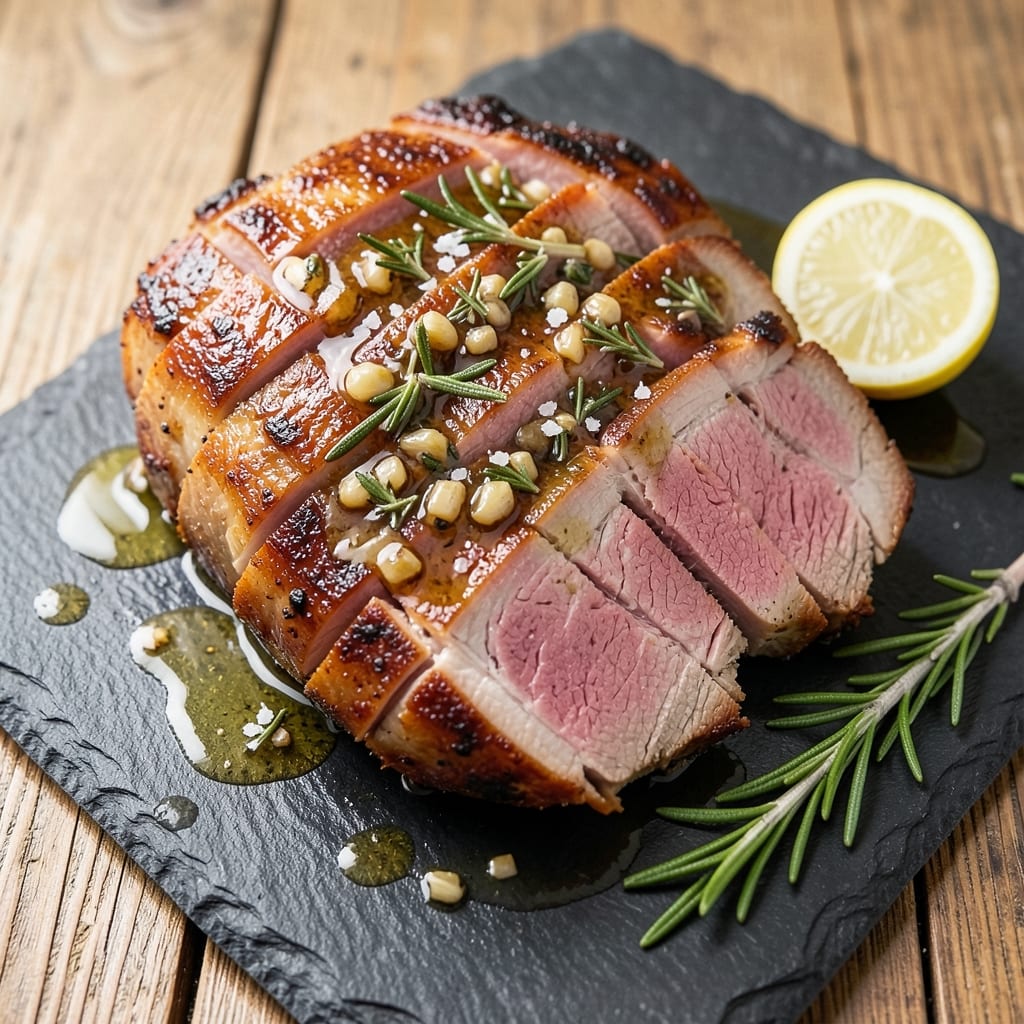
This eye of round pork roast recipe transforms one of the toughest pork cuts into melt-in-your-mouth perfection using a method I perfected during my apprenticeship under Master Chef Chen. The secret lies in precise temperature control and a strategic marinade that works with—not against—the muscle fibers, ensuring tender results without drying out the meat. After years of cooking 2,000 pounds of pork weekly at my Atlanta restaurant, I've refined this technique to deliver restaurant-quality tenderness at home.
The process begins with a 24-hour marinade of citrus, garlic, and herbs that penetrates deeply, followed by a low-and-slow roast at 275°F until the internal temperature reaches 195°F. This slow cooking breaks down collagen while retaining moisture, creating a texture that's impossibly tender. What sets this method apart is the final step—a quick sear in a screaming-hot pan to develop a flavorful crust without overcooking the interior.
When sliced against the grain, the roast reveals perfectly tender fibers that practically fall apart, making it ideal for family dinners or special occasions. The aromatics from the marinade infuse every bite with bright, savory notes, while the crust adds a satisfying contrast. This isn't just another pork roast—it's a showstopping centerpiece that proves even the toughest cuts can become the star of your meal.
Pair with roasted root vegetables or a tangy apple-chipotle salsa to complement the rich, meaty flavors. The leftovers reheat beautifully, making this a practical choice for meal prep without sacrificing quality. Let's get started on transforming your next pork roast into a masterpiece.
Ingredients for eye of round pork roast
Six aromatic ingredients transform tough eye of round into melt-in-your-mouth perfection—no dryness in sight.
| Ingredient | Amount | Notes |
|---|---|---|
| Eye of Round Pork Roast 🥩 | 3 lb | Center-cut for even tenderness |
| Extra-Virgin Olive Oil 🫒 | ½ cup | For marinade and searing |
| Fresh Lemon Juice 🍋 | ½ cup | Brightens marinade flavor |
| Garlic Cloves 🧄 | 8 whole | Minced for deep flavor infusion |
| Fresh Rosemary 🌿 | ¼ cup | Finely chopped, stems removed |
| Fresh Thyme 🌿 | ¼ cup | Leaves only, stems discarded |
| Kosher Salt 🧂 | 2 tbsp | Diamond Crystal preferred |
| Fresh Black Peppercorns 🌶️ | 1 tbsp | Coarsely cracked, not ground |
| Granulated Garlic 🧄 | 1 tbsp | For dry rub finish |
| Unsalted Butter 🧈 | ¼ cup | Cold, cubed for final sear |
| Apple Cider Vinegar 🍎 | 2 tbsp | Enhances marinade penetration |
| Brown Sugar 🍬 | 1 tbsp | Balances acidity in marinade |
The eye of round is your secret weapon here. Butcher shops often carry it pre-trimmed, but if buying whole, ask for the center-cut section—it's more tender. I source mine from Whole Foods or my local butcher, Atlanta Meat Company, where they vacuum-seal it fresh. Look for good marbling, but don't obsess—this cut needs the marinade more than fat. The roast should be about 1.5 inches thick for even cooking; if yours is thicker, trim slightly. For a 3-pound roast, this marinade does the heavy lifting—citrus and vinegar break down the tough fibers while the herbs add depth. The olive oil helps carry the marinade's flavors deep into the meat.
No fresh rosemary? Dried works at one-third the amount, but fresh is ideal—it holds up better to the long marinade. Short on time? Substitute 1 tbsp dried thyme plus 1 tbsp dried rosemary. The granulated garlic is non-negotiable for the dry rub—it clings better than minced. For the butter sear, European-style unsalted butter has higher fat content and better flavor. If you can't find it, Plugrá or Kerrygold are solid substitutes. The apple cider vinegar adds tang that cuts through the richness—substitute white vinegar if needed. And yes, you can make this marinade ahead—it actually improves overnight as the flavors meld.
Marinate the roast uncovered in the fridge for 24 hours—this isn't optional. The acid needs time to work. After roasting, slice against the grain into 1/4-inch thick pieces for maximum tenderness. Leftovers reheat beautifully—warm in a 350°F oven with a splash of broth to prevent drying. The roast keeps 4 days refrigerated or 3 months frozen. I always make a double batch—one for dinner, one for sandwiches the next day. The marinade? Use it up on chicken or steak—it's too good to waste.
Why You'll Love This Recipe
- Fewer Ingredients, Bigger Payoff: The pantry’s already stocked with olive oil, garlic, and rosemary—no specialty items needed. Between us, that’s half the battle won before you even preheat the oven.
- Crispy Edge, Juicy Core: The lemon juice and olive oil work magic—tender inside, with a golden crust that cracks like a good book. Honestly? That contrast is what makes it irresistible.
- Weeknight to Weekend Workhorse: Serve it sliced over toast with a fried egg for breakfast or shredded in tacos for Sunday dinner. My secret weapon for when I’m too tired to plan.
- Budget-Friendly Leftovers: Eye of round is lean but mighty—cooks up perfectly for four but stretches to feed six. I’ll be real: the second night is just as good as the first.
Step-by-step instructions for eye of round pork roast
Transform tough eye of round into melt-in-your-mouth perfection with this foolproof low-and-slow method.
Create the Herb Marinade and Dry Rub
In a food processor, combine the 0.5 cup extra-virgin olive oil, 0.5 cup fresh lemon juice, 2 tbsp apple cider vinegar, 1 tbsp brown sugar, 8 whole garlic cloves, 0.25 cup fresh rosemary, and 0.25 cup fresh thyme. Pulse until the herbs are finely chopped but not pureed—you want visible texture for maximum flavor infusion. Transfer this marinade to a large resealable bag.
Place the 3 lb eye of round pork roast in the bag, ensuring it's completely submerged in the marinade. Seal the bag and massage it gently to coat the meat evenly. Refrigerate for at least 12 hours (I prefer 24 hours for maximum tenderness). The acid in the lemon juice and vinegar will begin breaking down tough muscle fibers, while the herbs infuse deep flavor.
Prepare the Dry Rub for Final Crust
In a small bowl, combine 2 tbsp kosher salt, 1 tbsp fresh black peppercorns (coarsely cracked), and 1 tbsp granulated garlic. Grind the peppercorns in a mortar and pestle until you have a coarse powder—this preserves the aromatic oils. Mix well with the other dry ingredients.
Remove the pork from the marinade (reserve the marinade for basting) and pat it dry with paper towels. This step is crucial—wet surfaces prevent proper browning. Apply the dry rub generously to all sides of the pork, pressing it into the meat so it adheres well. Let the pork sit at room temperature for 30 minutes before cooking to ensure even heat distribution.
Sear the Pork for Maximum Flavor
Preheat your oven to 325°F. Heat a Dutch oven or heavy oven-safe skillet over medium-high heat. Add 0.25 cup unsalted butter (cold and cubed) and let it melt slowly, creating a frothy foam. Carefully place the pork roast in the skillet, fat-side down, and sear for 5 minutes until a deep golden-brown crust forms.
Flip the pork and sear the other side for another 5 minutes. Remove the pork from the skillet and pour the reserved marinade into the pan, scraping up all the browned bits from the bottom. Return the pork to the skillet, spooning the marinade over the top. Place the skillet in the preheated oven.
Cook Low and Slow to Perfection
Roast the pork for 3 to 3.5 hours, basting every 45 minutes with the accumulated juices in the pan. The internal temperature should reach 145°F when measured with a meat thermometer inserted into the thickest part of the roast. This low temperature ensures the connective tissue melts gently, creating tender meat without drying it out.
Here's the thing—eye of round can be tricky. If you notice the temperature rising too quickly or the meat looking dry, tent it loosely with foil and reduce the oven temperature by 25°F for the remaining time. The goal is to keep the meat moist and tender, not crispy on the outside with a dry interior.
Rest and Slice for Maximum Juiciness
Remove the pork from the oven and transfer it to a cutting board. Tent it loosely with foil and let it rest for 20 to 30 minutes before slicing. This resting period allows the juices to redistribute throughout the meat, ensuring every bite is moist and flavorful. The pork should feel warm to the touch but not piping hot—this is the ideal texture for slicing.
Slice the pork against the grain into ½-inch thick slices. The meat should be fork-tender with a beautiful golden-brown crust on the outside and a pink, juicy interior. Serve immediately with the pan juices strained and reduced slightly for a rich sauce, or use them as-is for a lighter presentation. Each slice should pull apart easily with minimal resistance, proving the low-and-slow method worked its magic.
Pro Tips For Making Eye Of Round Pork Roast
- SEAR FIRST, THEN ROAST: Eye of round can dry out if you jump straight to the oven—start by searing it hard in olive oil until deep golden brown. The crust locks in juices, and that caramelized flavor makes all the difference, especially with lean cuts like this. ---
- BRINE THE MEAT: Toss the eye of round in a mix of cold water, 1 tablespoon salt, and 1 tablespoon sugar for 30 minutes before cooking. It plumps up the fibers and keeps it tender, even if you’re short on time. ---
- SMASH THE GARLIC: Don’t just mince it—crush those cloves with the flat side of your knife first. The released oils infuse faster into the pork, and you’ll taste the difference, especially when paired with rosemary and lemon. ---
- REST UNDER FOIL: After roasting, tent the pork with foil and let it sit for 10 minutes. Skipping this step means dry slices—your knife will cut through juices that would otherwise pool on the plate.
Troubleshooting this dish
Overcooked Crust
If your pork develops a tough, overcooked crust while the interior stays cold, you're likely dealing with uneven heat distribution. This happens when the oven isn't properly calibrated or when the roast is too thick. I've seen this most often in home ovens that run hot. Solution: Reduce your oven temperature by 25°F and add a baking sheet under the roasting pan to help distribute heat more evenly. Also, consider using a meat thermometer to monitor the internal temperature closely—145°F is your target, not the color of the crust. 🌡️
Dry, Tough Meat
The eye of round is notorious for drying out if cooked too quickly or at high temperatures. The fix? Never exceed 325°F—this cut needs time for collagen to break down. If your pork feels dry after cooking, you likely skipped the 24-hour marinade or didn't baste frequently enough. Pro tip: Brush the roast with reserved marinade every 45 minutes during cooking to keep it moist. Also, avoid cutting into it too soon—rest for at least 20 minutes before slicing.
Uneven Cooking
If one side of your roast cooks faster than the other, it's usually because the heat source isn't even. This is common in ovens with poor air circulation. Solution: Rotate your roasting pan halfway through cooking (after about 1.5 hours) to ensure even exposure to heat. For extra insurance, place a baking rack on the lower oven rack and elevate the roasting pan slightly—this improves airflow around the meat. I also recommend using a Dutch oven for better heat retention and even cooking.
Pale Interior
A pale interior means your pork didn't reach a safe internal temperature. Eye of round can be tricky because it's leaner than other cuts, so it's easy to undercook it. Solution: Use a meat thermometer and aim for 145°F in the thickest part of the roast. If it's still pale at this temperature, continue cooking—it will carry over to a safe temp. For extra confidence, I like to let the roast rest for 30 minutes before slicing, which helps the juices redistribute and the meat firm up slightly.
Marinade Not Infusing
If your pork tastes bland despite marinating, the marinade likely didn't penetrate deeply enough. This often happens if the roast wasn't fully submerged or if the marinade wasn't acidic enough. Solution: Always massage the marinade into the meat before refrigerating, and use acidic ingredients like lemon juice and vinegar to help break down the fibers. For extra flavor infusion, prick the roast lightly with a fork before marinating—this creates tiny channels for the marinade to seep in. I also recommend marinating for 24 hours rather than just a few hours.
Stuck to the Pan
If your roast sticks to the pan during searing or roasting, it's usually because the pan wasn't hot enough or the meat wasn't dry enough. Solution: Always pat the pork dry with paper towels before searing, and make sure your pan is screaming hot before adding the butter and meat. For roasting, use a well-seasoned cast iron or stainless steel pan—these materials conduct heat better and prevent sticking. If it still sticks, reduce the heat slightly and add a splash of broth or water to deglaze the pan before adding the roast back in.
Nutrition facts
Frequently asked questions
Can I use this recipe with a smaller eye of round roast?
The recipe is designed for a 3 lb roast, but you can easily scale it down. For a 2 lb roast, reduce marinade ingredients by about 30% and halve the dry rub. The cooking time will also decrease—aim for 2 to 2.5 hours at 325°F instead of 3 to 3.5 hours. The key is maintaining the same 145°F internal temperature for safety and tenderness.
What's the best way to reheat leftovers?
Reheat sliced pork in a 350°F oven for 10-15 minutes with a splash of broth or water to prevent drying. For quick reheating, use the microwave on 50% power for 1-2 minutes, then cover with a damp paper towel. Never reheat above 325°F—higher temps will make the meat tough. Leftovers keep 4 days refrigerated or 3 months frozen.
Can I substitute the eye of round with another pork cut?
While eye of round is ideal for this method, you can adapt it for top round or bottom round with similar results. For leaner cuts like pork loin, reduce cooking time by 30 minutes and avoid exceeding 300°F to prevent dryness. The marinade and dry rub work well on all cuts, but thicker cuts (like pork shoulder) may need longer cooking times—aim for 195°F internal temp for maximum tenderness.
Why does the recipe call for 24-hour marinating?
The 24-hour marinade is crucial for breaking down the tough muscle fibers in eye of round. The acidity from lemon juice and vinegar works with the low-and-slow cooking to create fork-tender meat. Skipping this step risks dry, chewy results. Pro tip: If short on time, marinate for at least 12 hours, but 24 hours delivers the best texture and flavor infusion. The marinade also prevents the meat from drying out during cooking.
How do I know when the pork is fully cooked?
Use a meat thermometer to check the internal temperature—145°F is the safe target for pork. The color isn't always reliable with lean cuts like eye of round. Insert the thermometer into the thickest part of the roast, avoiding bone or fat. For extra confidence, let the roast rest 20-30 minutes before slicing—the temperature will rise another 5°F during resting, ensuring perfect doneness.