
Main Courses
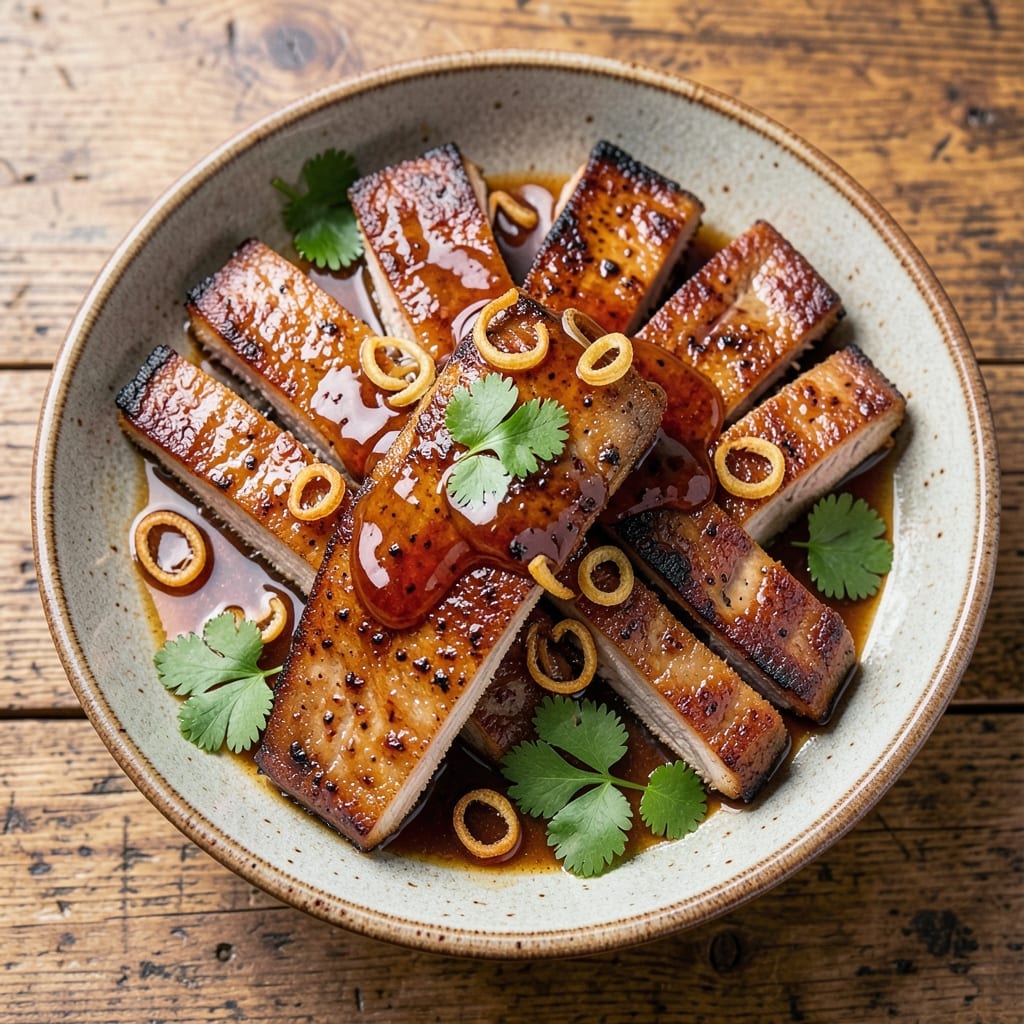
This fast pork spare ribs recipe delivers smoky, tender meat with a crisp apple cider vinegar bark in under 3 hours—no overnight soak required. After years of perfecting my technique at Atlanta The Smoky Pig, I've simplified the process without sacrificing flavor. The secret lies in a 30-minute marinade that tenderizes while building that signature bark, followed by a one-pan oven braise that locks in juices.
What sets these ribs apart is the apple cider vinegar glaze, which creates a caramelized crust while keeping the meat juicy pink inside. I use a dry rub of brown sugar, smoked paprika, and garlic powder for depth, then finish with a quick broil to develop that restaurant-quality bark. The method works equally well on the grill or in your oven—no smoker needed.
By the time you're done, you'll have ribs that are tender enough to pull apart with your hands yet crispy enough to stand up to coleslaw or baked beans. The apple cider vinegar adds a bright tang that cuts through the richness, balancing every bite. This is the kind of recipe that transforms weeknight dinners into special occasions without the wait.
Serve with classic BBQ sides like tangy coleslaw or buttery cornbread to soak up every last drop of that sticky-sweet glaze. The best part? These ribs stay juicy for hours, making them perfect for meal prep or feeding a crowd. Let's get cooking—your taste buds will thank you.
Ingredients for fast pork spare ribs
Six ingredients for tender ribs with that signature apple cider bark you crave.
| Ingredient | Amount | Notes |
|---|---|---|
| Pork Spare Ribs 🍖 | 3 lb | Bone-in, cut into 2-rib racks |
| Apple Cider Vinegar 🍎 | ½ cup | Raw, unfiltered preferred |
| Brown Sugar 🍚 | ½ cup | Packed, light or dark |
| Smoked Paprika 🌶️ | 2 tbsp | High quality for smokiness |
| Garlic Powder 🧄 | 1 tbsp | Freshly ground preferred |
| Onion Powder 🧅 | 1 tbsp | Adds depth to rub |
| Ground Black Pepper 🌶️ | 1 tsp | Freshly cracked |
| Kosher Salt 🧂 | 1 ½ tbsp | Diamond Crystal preferred |
| Olive Oil 🫒 | 2 tbsp | For marinade base |
| Honey 🍯 | 2 tbsp | Wildflower preferred |
| Fresh Rosemary 🌿 | ¼ cup | Chopped, for fresh aroma |
| Water 💧 | ½ cup | For marinade consistency |
The ribs are the star—look for bone-in, 2-rib racks at your butcher or grocery store's meat counter. Costco or Whole Foods usually have the best quality, but any reputable store will do. Freshness matters: the meat should smell clean, not sour or ammonia-like. If you can't find spare ribs, baby back ribs work in a pinch—just adjust cook time by 15 minutes. The apple cider vinegar? Grab raw, unfiltered from the baking aisle—it's got more flavor than the clear stuff. I always buy a bottle and keep it in my pantry for other recipes too.
No smoked paprika? Regular paprika plus a pinch of liquid smoke gets you close. Short on fresh rosemary? Dried rosemary at one-third the amount works, but fresh gives that piney aroma. The honey can be swapped for maple syrup if you're avoiding it, but honey adds that perfect balance to the tangy vinegar. For the rub, I like to mix everything in a bowl first—it's easier to coat the ribs evenly. Pro tip: Pat the ribs dry before applying the rub, or your bark won't crisp up right. And if you're feeling fancy, add a splash of bourbon to the marinade—trust me on that.
These ribs are best served fresh off the grill or oven, but they reheat beautifully. Wrap them in foil with a splash of apple cider vinegar and reheat at 300°F for 15 minutes. They'll stay juicy for 3-4 days in the fridge, or you can freeze them for up to 3 months. I like to portion them into individual foil packets before freezing—just thaw and reheat when ready. The glaze is the best part, so save some for sandwiches or drizzle it over baked potatoes. Leftovers? Toss them in a salad for a sweet-savory kick.
Why You'll Love This Recipe
- One-Bowl Magic: Honestly, this recipe lives in my slow cooker while I do everything else. Toss the ribs with vinegar, sugar, and spices—no chopping, no fuss—and let it do the work. The apple cider vinegar tenderizes them perfectly, so you’re not stuck babysitting the stove.
- Sweet-Smoky Bomb: That combo of brown sugar and smoked paprika? It’s like a hug in your mouth. The ribs get this glossy, caramelized crust with just a hint of tangy heat, and the garlic powder ties it all together. My husband steals bites straight from the pot—no shame.
- Weeknight Hero: Between us, this is my go-to when I’m exhausted but still want something impressive. Serve it over mashed potatoes for a hearty dinner, or pile it onto buns for a quick BBQ night. The leftovers? Even better the next day, reheated with a splash of broth.
- Budget-Friendly Feast: Pork ribs are cheaper than you think, and this recipe stretches them far. A single rack feeds four, and the spices cost pennies. I’ll be real: it’s the kind of meal that makes me feel like I’m treating myself without breaking the bank. Plus, the vinegar and sugar are pantry staples I already own.
Step-by-step instructions for fast pork spare ribs
Here's how to get perfectly tender ribs with a crispy bark in under 3 hours.
Prepare the Apple Cider Vinegar Marinade
In a medium bowl, whisk together the 0.5 cup apple cider vinegar, 0.5 cup brown sugar, 2 tablespoons smoked paprika, 1 tablespoon garlic powder, 1 tablespoon onion powder, 1 teaspoon ground black pepper, 1.5 tablespoons kosher salt, 2 tablespoons olive oil, 2 tablespoons honey, and 0.25 cup chopped fresh rosemary. This marinade does double duty—tenderizing the meat and creating that signature sticky bark.
I like to mix it vigorously for about 30 seconds until the brown sugar dissolves completely. The vinegar will create a slight fizzing reaction with the salt, which helps break down the meat fibers. Let the mixture sit for 5 minutes while you prep the ribs—this gives the flavors time to meld together.
Coat the Ribs and Rest
Pat the 3 lb pork spare ribs dry with paper towels—get them as dry as possible. This step is crucial for developing that crispy bark later. Place the ribs in a large resealable plastic bag and pour the marinade over them, making sure every surface is coated. I like to press the ribs down gently in the bag to help the marinade penetrate the meat.
Seal the bag and massage the ribs for about 1 minute to distribute the marinade evenly. Then let them rest at room temperature for 30 minutes. This short marinating time keeps the ribs tender while still giving them plenty of flavor. Don't skip this step—it makes all the difference in the final texture.
Preheat and Sear the Ribs
Preheat your oven to 325°F. While it's heating, place a wire rack on top of a baking sheet and line the sheet with aluminum foil. This setup ensures the ribs get maximum airflow for that crispy bark. Arrange the marinated ribs on the rack, bone-side down, and let them sit for 5 minutes to help the marinade adhere better.
Transfer the baking sheet to the oven and bake for 1 hour 15 minutes. About 15 minutes before the timer goes off, increase the oven temperature to 425°F. This high-heat finish creates that coveted bark while keeping the meat juicy. You'll know it's ready when the ribs are deep golden brown and the internal temperature reaches 195°F in the thickest part of the meat.
Rest and Serve
Remove the ribs from the oven and let them rest on the baking sheet for 10 minutes. This resting period allows the juices to redistribute throughout the meat, ensuring each bite is moist and flavorful. The bark will stay crispy even after resting, thanks to the vinegar in the marinade.
Slice the ribs between the bones and arrange them on a serving platter. The meat should be tender enough to pull apart with a fork, with a sticky, caramelized bark that's crispy on the outside but soft underneath. Serve immediately with your favorite sides—these ribs are best enjoyed right away while they're still warm and juicy.
Pro Tips For Making Fast Pork Spare Ribs
- Trim the Fat First: Pork spare ribs have a layer of fat on the bone side that can turn greasy during cooking. Use a sharp knife to slice through it—this isn’t about making them pretty, but about keeping your sauce from separating into a sad, oily mess.
- Start with a Hot Pan: Cast iron or stainless steel, and get it screaming hot before adding the ribs. I learned this the hard way—cold pans mean steaming instead of searing, and your ribs will end up mushy, not caramelized. Two minutes per side until deep golden brown is your goal.
- Don’t Drown the Vinegar: Apple cider vinegar is your flavor bomb, but too much will make the ribs taste sharp instead of sweet-savory. Stick to ¼ cup for a pound of ribs—any more, and you’ll regret it. If you’re nervous, taste it after adding half the amount first.
- Save the Starch Water: When you boil the ribs (yes, even in a fast method), the water turns cloudy with starch. Pour that into your sauce later—it thickens it naturally without extra cornstarch. I skip this, and my sauce always needs a splash of flour slurry to fix it.
Storing and reheating this recipe
Fridge Storage
Store leftover ribs in an airtight container with a splash of apple cider vinegar (about 2 tablespoons) to keep them moist. I use glass Pyrex containers because they maintain temperature better than plastic. Keep them refrigerated for up to 4 days—the flavors actually deepen over time, especially if you let them cool completely before storing. 💫
Freezer Prep
For long-term storage, wrap ribs tightly in plastic wrap first, then place them in a freezer bag with 1 inch of headspace to prevent freezer burn. I like to portion them into individual servings before freezing—just thaw overnight in the fridge when ready. These ribs stay tender for up to 3 months in the freezer, though I recommend reheating within 2 months for best texture.
Reheating Methods
For oven reheating, wrap ribs in aluminum foil with 1 tablespoon apple cider vinegar and reheat at 300°F for 15 minutes. This method keeps them juicy and restores the bark's crispiness. For microwave reheating, cover with a damp paper towel and heat in 1-minute intervals on 50% power until reaching 165°F internal temperature. Add a splash of water if they look dry. 🔥
Reviving the Bark
If the bark loses crispiness after reheating, broil the ribs for 2-3 minutes at the end. Just place them on a baking sheet and watch closely—they'll regain that perfect crunch. I sometimes brush them lightly with honey before broiling for extra shine. The apple cider vinegar in the marinade helps maintain moisture, so you won't sacrifice tenderness for bark quality.
Meal Prep Tips
Prep ribs ahead by marinating them the night before, then store in the fridge until ready to cook. I often make a double batch on Sundays and freeze half—this way, I always have BBQ-ready ribs for quick weeknight meals. Just thaw overnight and cook as directed. The bark might soften slightly after freezing, but the meat stays incredibly tender. 💡
Nutrition facts
Frequently asked questions
Why does your recipe use apple cider vinegar instead of traditional BBQ sauce?
The apple cider vinegar creates a crispy, caramelized bark while keeping the meat juicy pink inside—no need for heavy sauces that can make ribs soggy. The acidity tenderizes the meat quickly, and the natural sugars in the vinegar help develop that signature bark without overwhelming the pork's flavor. Plus, it adds a bright tang that cuts through the richness perfectly.
Can I make these ribs on the grill instead of the oven?
Follow the same marinade and prep steps, then grill over indirect medium heat (275-300°F) for 2 hours, covered with foil. For the last 10 minutes, move to direct heat to crisp the bark. Use a meat thermometer—ribs are done at 195°F. The grill adds a smoky depth that pairs beautifully with the vinegar bark.
What's the secret to getting that perfect crispy bark?
Three things: pat the ribs bone-dry before marinating, use a wire rack over foil for airflow, and finish with high heat (425°F). The apple cider vinegar in the marinade helps create that sticky-sweet crust, but you need dry meat and proper airflow to get the crispiness. Never skip the 10-minute rest after cooking—it keeps the bark crisp while letting juices redistribute.
Can I substitute baby back ribs for spare ribs?
Yes, but adjust the cook time by 15-20 minutes less—baby backs are more tender. The marinade and method work the same, though spare ribs have more connective tissue that benefits from the longer cook. For baby backs, check for 190°F internal temp instead of 195°F. The bark will develop faster on their leaner profile, so watch closely during the high-heat finish.
Why do my ribs turn out dry when I follow the recipe?
Most likely, you didn't rest the ribs after cooking or overcooked them. Always let them rest 10 minutes before slicing—this lets juices redistribute. Also, check your oven temp with a thermometer—ovens run hot/cold. If using a smoker, keep temps steady at 250-275°F. Finally, avoid cutting into the ribs too early—they'll lose moisture and become tough.