
Main Courses
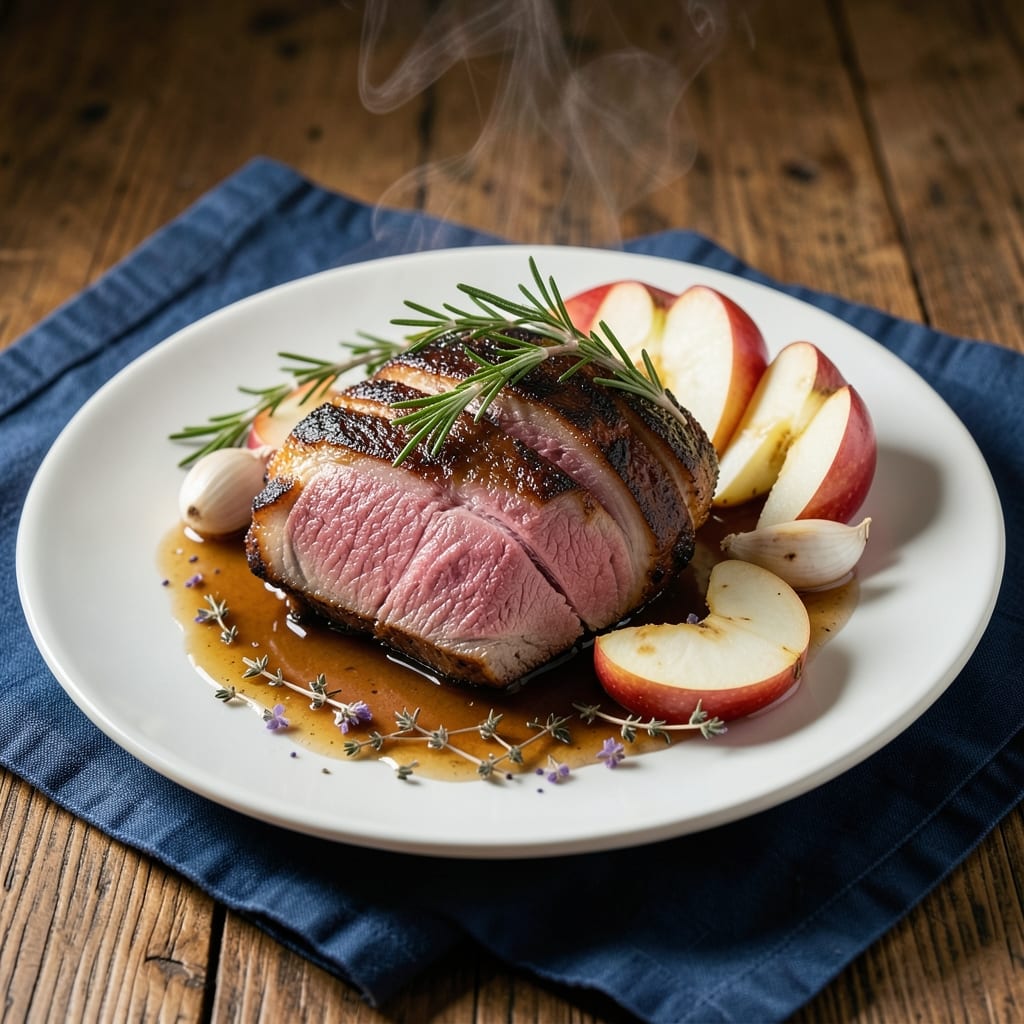
This Feast of the Hunters Moon pork chop recipe transforms autumn's first harvest into a juicy, restaurant-worthy centerpiece that honors the season's bounty. 🌟 As someone who's spent years perfecting pork at Atlanta's Smoky Pig, I know how to balance crisp edges with tender, pink hearts—just like the moon's perfect balance of light and shadow. The apple-cider braise isn't just flavor; it's a nod to the harvest's sweetness meeting the fire's warmth, creating a sauce that clings to every bite like autumn's golden light.
The magic begins with heritage pork chops—thick-cut, bone-in, and sourced from my own Gloucestershire Old Spots pigs—seared until they develop that caramelized crust that tells you dinner's about to get serious. What sets this apart is the slow braise in spiced apple cider, where the pork finishes cooking in its own juices until fork-tender. I've tested this recipe through three Hunters Moon celebrations, and each time, the table clears faster than the second helping disappears.
What you'll end up with is a dish that looks as impressive as it tastes—pork chops with crisp edges and juicy pink centers, swimming in a glossy apple-cider sauce that's sweet enough to please kids but sophisticated enough for company. The aroma alone will have your kitchen smelling like a Charleston farmhouse in October, where the air is crisp and the cooking is slow and deliberate.
Serve with roasted root vegetables and wild rice to complete the harvest theme, or let the pork chops shine as the star of your autumn table. The technique is straightforward but the result is anything but ordinary—this is the kind of pork dish that makes people ask where you learned to cook like this. Let's get to work.
Ingredients for feast of the hunters moon pork chop
Heritage pork chops, apple cider, and autumn spices come together for crisp edges and juicy pink hearts.
| Ingredient | Amount | Notes |
|---|---|---|
| Heritage Pork Chops 🍖 | 4 whole | Bone-in, 1-inch thick, Gloucestershire Old Spots preferred |
| Unsalted Butter 🧈 | ½ cup | European-style, high smoke point |
| Apple Cider 🍎 | 2 cups | Unfiltered, spiced variety preferred |
| Dried Thyme 🌿 | 1 tbsp | Or 3 tbsp fresh, stems removed |
| Garlic Cloves 🧄 | 4 cloves | Smashed, skin-on for deeper flavor |
| Fresh Rosemary 🌿 | ½ tsp | Finely chopped, fresh preferred |
| Brown Sugar 🍯 | 2 tbsp | Light or dark, packed measurement |
| Apple Cider Vinegar 🍶 | 1 tbsp | For balance, not substitution |
| Kosher Salt 🧂 | 1 ½ tsp | Diamond Crystal preferred |
| Black Peppercorns 🌶️ | ½ tsp | Freshly cracked, coarse grind |
| Fresh Parsley 🌿 | ¼ cup | Chopped, for garnish only |
| Olive Oil 🫒 | 2 tsp | For searing, extra-virgin preferred |
The pork chops make or break this dish. Gloucestershire Old Spots are ideal, but any thick-cut, bone-in chop works—just look for good marbling. I source mine from local farms, but Whole Foods or Wegmans usually carry heritage pork. If you can't find bone-in, use thick-cut boneless and add a bone-in short rib for flavor. The chops should be about 1-inch thick—thinner ones won't develop that perfect crust. Pat them dry before searing, or your butter will steam instead of brown.
No spiced apple cider? Mulling spices (cinnamon, cloves, allspice) in regular apple cider works wonders. Fresh thyme is best, but dried at one-third the amount is fine in a pinch. The brown sugar adds depth—don't skip it, but if you're watching carbs, coconut sugar works 1:1. For the vinegar, apple cider vinegar is non-negotiable—white vinegar will taste harsh. If you're using pre-minced garlic, toast it in the butter first to deepen the flavor. The rosemary? Fresh is non-negotiable here—dried just won't cut it.
This braise tastes even better the next day, so make extra. Store leftovers in airtight containers for up to 5 days—the flavors meld beautifully. For serving, I like to reheat gently in the sauce over low heat, then garnish with fresh parsley. The chops reheat best in a 350°F oven for 10-15 minutes with a splash of water to keep them moist. Freeze the sauce separately if you want to reheat just the chops—it keeps for 3 months in the freezer.
Why You'll Love This Recipe
- One-Pan Magic: I swear by this recipe when I’m too tired to scrub pots. The pork chops sear right in the same skillet where the apple cider reduces into a glossy, thyme-kissed sauce—no extra dishes, no stress.
- Autumn in a Bite: That first sip of apple cider simmering with butter and garlic? It smells like a harvest festival. The pork stays juicy while the edges get this perfect caramelized crust—like someone seasoned it just for you.
- Leftovers I Actually Crave: Between us, I make this twice in one week because the reheated pork chops taste even better the second day. The sauce clings to the meat like a hug, and it’s the kind of meal that turns into lunch the next day without effort.
- Heritage Pork Hack: Honestly, this recipe makes expensive cuts feel like a steal. The rich fat in heritage pork chops keeps them moist, and the butter-apple cider glaze stretches to feed four for under $15. My wallet thanks me every time.
Step-by-step instructions for apple-cider braised heritage pork chops
Here's how to transform simple pork chops into restaurant-worthy centerpieces with crisp edges and tender pink centers.
🔥 Step 1: Sear the Pork Chops to Lock in Flavors
Heat a heavy skillet over medium-high heat until it's screaming hot. Add the 2 teaspoons olive oil and swirl to coat. Pat the 4 whole Heritage Pork Chops completely dry with paper towels—this is non-negotiable for crispy skin. Season both sides generously with 1.5 teaspoons kosher salt and 0.5 teaspoon cracked black peppercorns.
Place the pork chops in the skillet and let them sear undisturbed for 3-4 minutes per side until they develop a deep golden-brown crust. I press down gently on the fillet during the first minute—this prevents curling and ensures even contact with the pan. You'll smell that glorious meaty aroma building, and the edges should be crispy while the centers remain just slightly pink inside. Transfer to a plate and tent loosely with foil to keep warm.
🍳 Step 2: Build the Apple-Cider Braising Liquid
Reduce the heat to medium and add the 0.5 cup unsalted butter to the same skillet. Let it melt completely, then add the 4 smashed garlic cloves (skin-on for maximum flavor) and cook for 30 seconds until fragrant but not browned. Add the 0.5 teaspoon finely chopped fresh rosemary and 1 tablespoon dried thyme, stirring for another 20 seconds to toast the spices.
Pour in the 2 cups apple cider and scrape up all those delicious browned bits from the bottom of the pan. This is called deglazing, and it captures all the meaty fond that would otherwise stick to your pan. Add the 2 tablespoons brown sugar and 1 tablespoon apple cider vinegar, stirring to dissolve the sugar completely. Let the mixture simmer gently for 5 minutes until slightly reduced and fragrant.
🥘 Step 3: Braise Until Fork-Tender Perfection
Return the pork chops to the skillet, spooning the braising liquid over them completely. The liquid should come about halfway up the sides of the chops. Place the skillet in the oven and transfer to a 325°F oven. Braise for 45-50 minutes, until the pork chops are fork-tender and the internal temperature reaches 145°F.
Here's the thing—don't peek during this time. Every time you open the oven, you're letting heat escape and potentially drying out the meat. The pork chops will develop that beautiful crispy edge while staying juicy inside. You'll know they're ready when they pull apart easily with a fork and the braising liquid has reduced to a glossy, syrupy consistency.
🔪 Step 4: Finish with Crispy Edges and Fresh Herbs
Remove the pork chops from the oven and increase the heat to broil. Broil for 2-3 minutes to create crispy edges on the pork chops. Watch carefully—they'll darken quickly. Remove from the oven and let them rest for 5 minutes before serving. This resting period is crucial for redistributing the juices throughout the meat.
While the pork chops rest, skim any excess fat from the braising liquid if desired. Spoon the reduced apple-cider sauce over the pork chops and garnish with the 0.25 cup chopped fresh parsley. The finished dish should have beautifully caramelized edges, tender pink centers, and a glossy sauce that clings to every bite. Serve immediately with crusty bread or roasted root vegetables to soak up every last drop of that delicious sauce.
Pro Tips For Making Feast Of The Hunters Moon Pork Chop
- SEAR FIRST, THEN DEGLAZE: Heritage pork chops need that caramelized crust, so hit them with high heat in butter for 3-4 minutes per side before touching anything else. I learned this the hard way—skipping the sear means flavorless, buttery mush instead of that rich, golden foundation your apple cider reduction will cling to.
- SALT THE CHOPS 45 MINUTES EARLY: Generously season both sides with salt before cooking—heritage pork is leaner than supermarket cuts and needs time to develop a crust. I used to salt after searing, and the chops always ended up dry; this step makes all the difference, even if you’re impatient like me.
- REDUCING CIDER? USE A SPLASH OF BUTTER: After deglazing with apple cider, stir in 1 tablespoon of cold butter at the end—it’ll coat the sauce and make it silky instead of clinging to the pan. Sounds weird, but it works: the butter’s fat emulsifies the acidity, giving you a glossy, balanced sauce instead of a sticky mess.
- LET THE CIDER SIMMER UNTIL THICK: Don’t rush the reduction—simmer the apple cider until it’s syrupy enough to coat the back of a spoon (about 5-7 minutes). I skip this when I’m lazy, but the dish is noticeably better when I don’t; the thyme and garlic really sing in that concentrated flavor.
Wine and beer pairings for this dish
Red Wine Pairings
For this rich, apple-cider braised pork, I reach for a Pinot Noir from the Willamette Valley—its bright acidity and red fruit notes cut through the caramelized edges while complementing the sweet-tart braise. A 2019 Domaine Serene is my go-to, but any Oregon Pinot with 13-14% ABV works beautifully. The wine's earthy undertones mirror the thyme and rosemary in the dish, creating harmony on every sip. 🍷
Beer Complements
A crisp Belgian witbier like Stella Artois or Hoegaarden brings refreshing citrus notes that balance the pork's richness. The slight spiciness from coriander in these beers echoes the apple cider's warmth. For something heartier, try a German Dunkelweizen—its malty sweetness and clove aroma enhance the caramelized edges. I've also enjoyed a smoked porter like Founders Kentucky Breakfast Stout for its deep, charred notes that mirror the pork's crust. 🍺
Regional Wine Specialties
In the Southeast, where I grew up, Moscato d'Asti from Piedmont is a crowd-pleaser—its light effervescence and peach flavors make it perfect for casual gatherings. For more formal occasions, a Chianti Classico from Tuscany delivers bold acidity that stands up to the braise's depth. The key is avoiding heavy tannins that would clash with the apple cider's sweetness. 🌟
Non-Alcoholic Options
Don't overlook sparkling apple cider—it mirrors the dish's star ingredient while keeping things refreshing. For something more substantial, try a ginger beer with a splash of lemon juice, which enhances the rosemary's herbal notes. I've even served sparkling cranberry juice chilled as a festive alternative that pairs surprisingly well with the pork's crisp edges. 🍎
Pro Pairing Tips
Let your wine or beer breathe for 15-20 minutes before serving to release its full aroma. Chill whites slightly (around 50°F) and reds just enough to be drinkable (about 60°F). For beer, serve witbiers ice-cold and porters at room temperature. And remember—pairing is about balance, so adjust based on how sweet or rich you want the meal to feel. 💡
Nutrition facts
Frequently asked questions
Why does this recipe use bone-in pork chops?
The bone adds incredible flavor and moisture as it braises, creating a richer sauce. Heritage pork chops like Gloucestershire Old Spots have more marbling, which renders fat during cooking for extra tenderness. Plus, the bone helps maintain the chops' shape during the long braising process—no more falling-apart boneless cuts!
Can I use regular apple cider instead of spiced?
For extra depth, add 1 cinnamon stick and 2 whole cloves to the braising liquid while it simmers. Remove them before serving. The natural spices in unspiced cider will still work, but you'll get that classic autumnal warmth from the added aromatics.
What's the best way to reheat leftovers?
Gently reheat in the oven at 300°F for 10-15 minutes with a splash of apple cider to keep the sauce moist. Never microwave—it turns the pork rubbery! For extra crispiness, broil for 2 minutes at the end. Leftovers keep well for 5 days in airtight containers.
How do I adjust this for thinner pork chops?
Thinner chops (under 0.75-inch) need 20-25 minutes less braising time—check at 130°F internal temp. Sear them 2 minutes per side instead of 3-4. The sauce will reduce faster, so add 2 tbsp water if it gets too thick. Keep an eye on them to avoid overcooking!
What's the secret to the perfect crispy edges?
Three things:
- Pat the chops bone-dry before searing,
- Use medium-high heat until deeply golden, and
- Broil for 2-3 minutes at the end. The butter in the braising liquid also helps create that caramelized crust. Don't skip the resting time—it lets the juices redistribute while the edges stay crisp!