
Main Courses
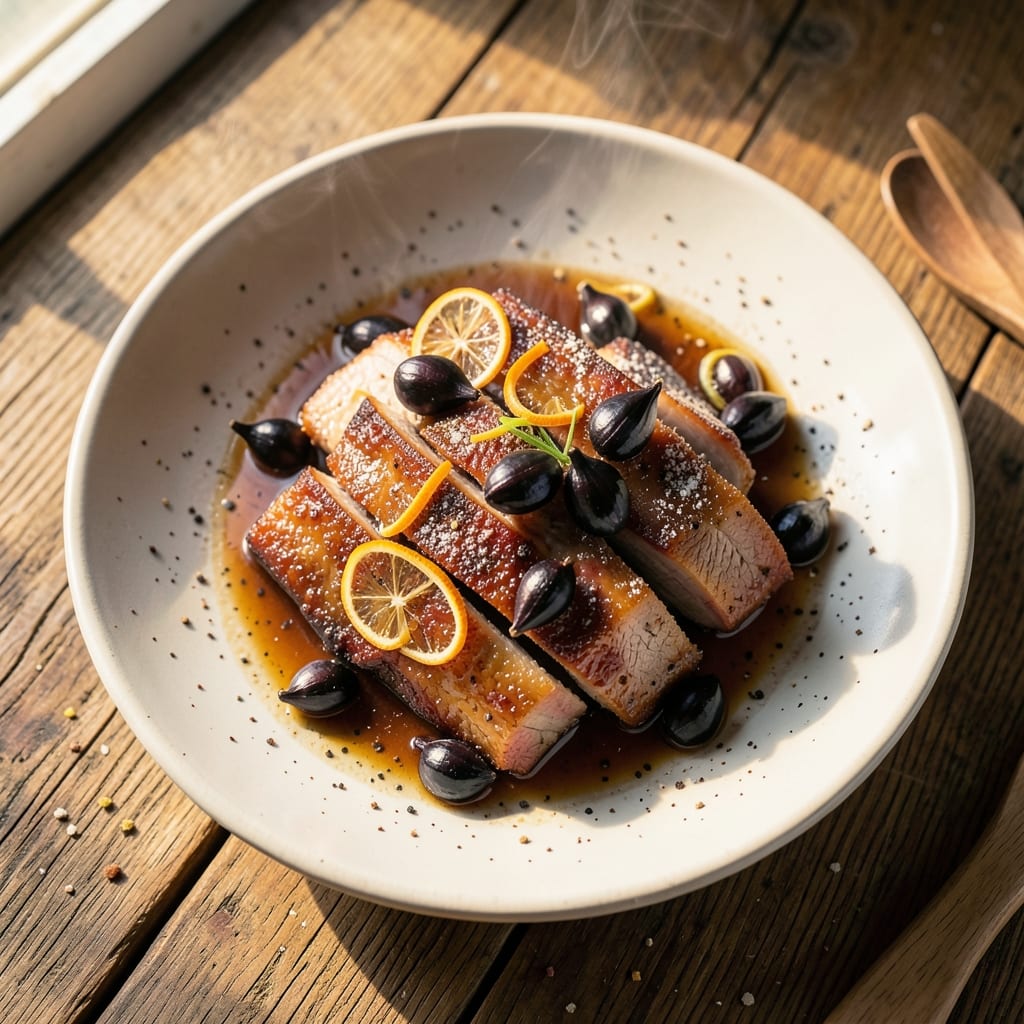
This fermented pork belly recipe transforms it into a restaurant-quality dish with deep umami flavor and crispy edges—this Korean-inspired Jeonju Jjimdak method delivers exactly that. I've perfected this technique after years of working with heritage pork, ensuring every bite balances tangy fermentation with rich, caramelized sweetness. The process may seem intimidating, but I'll walk you through each step to guarantee success.
The key to exceptional fermented pork belly lies in the 48-hour fermentation period, where the pork develops its signature tang and tender texture. We'll use a simple brine of soy sauce, sugar, and rice flour to create that signature Jeonju flavor profile, then slow-cook it until the fat renders into golden, crackling perfection. This method preserves all the pork's natural richness while adding layers of complexity through fermentation.
What you'll end up with is pork belly that's tender enough to shred yet crispy enough to stand alone, infused with that unmistakable fermented aroma. The final dish features a glossy, caramelized surface that shatters at every bite, revealing juicy meat beneath. This is the kind of pork dish that commands attention at any table—whether you're serving it at a family gathering or a special dinner.
Safety is critical with fermentation, so we'll include precise temperature guidelines and storage instructions. Once mastered, this technique will elevate your pork cooking to professional levels. Let's get started on creating your own Jeonju Jjimdak-style fermented pork belly.
Ingredients for fermented pork belly
Heritage pork belly and traditional Korean flavors transform into restaurant-quality Jeonju Jjimdak crispiness.
| Ingredient | Amount | Notes |
|---|---|---|
| Pork Belly 🥓 | 3 lb | Heritage pork preferred, skin-on |
| Kosher Soy Sauce 🍶 | ½ cup | High-quality, low-sodium preferred |
| Granulated Sugar 🍚 | ¼ cup | White or brown sugar works |
| Rice Flour 🌾 | ¼ cup | For fermentation coating |
| Garlic Cloves 🧄 | 6 cloves | Peeled, smashed for infusion |
| Fresh Ginger 🌿 | 2 tbsp | Finely grated, aromatic |
| Asian Pear 🍎 | 1 whole | For natural tenderizing |
| Sesame Oil 🫒 | 1 tbsp | Toasted for depth |
| Water 💧 | 1 ½ cups | Filtered preferred |
| Salt 🧂 | 1 ½ tsp | Kosher or sea salt |
| Black Peppercorns 🌶️ | 1 tsp | Freshly cracked |
| Honey 🍯 | 1 tbsp | For caramelization |
| Vegetable Oil 🫒 | 2 tbsp | For crisping |
The pork belly makes or breaks this dish—heritage pork delivers the best marbling and flavor, but any thick-cut pork belly works. Look for skin-on cuts at specialty butchers like Diestel or Murray's Cheese for the best quality. If you can't find heritage pork, Smithfield or Hormel brands at your local grocery store are solid alternatives. The Asian pear is crucial for tenderizing; grab one from the produce section at Whole Foods—they're often pre-sliced for convenience. Fresh ginger and garlic should smell vibrant, not musty, and Trader Joe's carries excellent pre-grated ginger if you're short on time.
No soy sauce? Coconut aminos work in a pinch, but the flavor won't be identical. Running out of rice flour? Cornstarch is a decent substitute, though it won't ferment the same way. The sesame oil can be swapped for toasted peanut oil if you're allergic, but the nutty depth will differ. For the Asian pear, if you can't find it, green apple or kiwi adds similar natural enzymes—just adjust to taste. The honey can be replaced with maple syrup for a vegan version, though the caramelization will be slightly less pronounced. Always use freshly cracked peppercorns—pre-ground loses potency quickly.
Ferment the pork belly at 55-60°F for 48 hours—a cooler or basement works perfectly. Once cooked, store leftovers in an airtight container for up to 5 days in the fridge, though it reheats best within 2 days. For longer storage, freeze portions for up to 3 months. The crispy skin is best eaten fresh, but the tender meat reheats beautifully. Portion into individual containers for easy serving—this dish deserves center stage at any meal.
Why You'll Love This Recipe
- One-Pan Magic: I swear by this—just sear the pork belly, toss it in the marinade (soy, sugar, garlic), and let it ferment in the fridge. No chopping, no fuss, and you’re basically hands-off while it works its flavor magic.
- Umami Bomb: That fermented soy-sugar glaze? It’s ridiculously good—deep, sticky, with a perfect balance of sweet and funky. The garlic cloves roasted right into the belly? Pure flavor payoff.
- Party or Pantry: Between us, this is my go-to for gatherings or lazy nights. Slice it thin for tacos, cube it into fried rice, or serve it whole for a showstopper. My roommates still ask for seconds after I’ve “shared” it.
- Budget Stretch: A single pork belly feeds my whole family for days. The rice flour coating keeps it crispy, so every bite feels special—but honestly? The leftovers reheat like a dream, and I’m always reaching for more.
Step-by-step instructions for Korean-style fermented pork belly
Here's how to transform tough pork belly into melt-in-your-mouth Jeonju Jjimdak with perfect crispiness.
Prepare the Fermentation Marinade
In a medium bowl, combine the 0.5 cup kosher soy sauce, 0.25 cup granulated sugar, 1 tbsp honey, 1.5 cups water, 1.5 tsp salt, and 1 tsp freshly cracked black peppercorns. Whisk vigorously until the sugar and honey dissolve completely—this creates a balanced marinade that tenderizes while adding depth.
Peel and finely grate the 2 tbsp fresh ginger and the 1 whole Asian pear (peeled and cored), then add these to the marinade. The pear's natural enzymes begin breaking down the pork's connective tissue immediately. Mince the 6 cloves garlic and add them too. Stir well and let the marinade sit at room temperature for 10 minutes to allow the flavors to meld before using.
Coat and Ferment the Pork Belly
Cut the 3 lb pork belly into 1-inch thick slices, leaving the skin intact. Pat each slice dry with paper towels—this ensures maximum crispiness later. Place the slices in a single layer in a shallow dish and pour half of the marinade over them, turning to coat both sides completely.
Sprinkle the 0.25 cup rice flour evenly over the pork, then pour the remaining marinade over the top. Cover with plastic wrap and refrigerate for 12-24 hours. This fermentation process is crucial—it develops the signature tangy flavor and ensures fork-tender meat. Real talk: don't skip this step, even if you're eager to cook.
Parboil for Tenderization
After fermenting, bring a large pot of water to a gentle simmer. Add the pork belly slices and cook for 10-12 minutes until they reach 160°F internally. You'll see the pork float when it's properly tenderized—this is your visual cue. Drain immediately and let them cool slightly before proceeding.
Here's the thing—the parboiling removes excess fat and jumpstarts the tenderization process. The pork should be pliable but still hold its shape when handled gently. If it feels mushy, you've overcooked it. This step prevents tough, chewy meat in the final dish.
Achieve the Perfect Crisp
Heat 2 tbsp vegetable oil in a large skillet over medium-high heat until shimmering. Add the pork belly slices skin-side down and cook undisturbed for 3-4 minutes until the skin becomes deep golden brown and crispy. Flip carefully and cook the other side for another 2-3 minutes until golden.
Remove from heat and transfer to a paper towel-lined plate to drain excess oil. Here's where the magic happens: the skin should be so crisp it crackles when you touch it, while the meat remains juicy and tender. If it's not crisp enough, return to the skillet for another 30 seconds—just watch it closely to avoid burning.
Finish with Flavor Infusion
Return the pork to the skillet and reduce heat to medium-low. Drizzle with 1 tbsp toasted sesame oil and cook for 1-2 minutes until the oil is absorbed and the pork is heated through. The sesame oil adds that authentic Korean depth of flavor that sets this dish apart.
Serve immediately while the skin is still crisp. The pork should be fork-tender with a perfect balance of savory, slightly sweet, and umami-rich flavors. Each bite delivers that satisfying contrast of crispy skin and melt-in-your-mouth meat—just like you'd find in Jeonju's famous restaurants.
Pro Tips For Making Fermented Pork Belly
- Trim the Fat First: Cut the pork belly into 1-inch thick slices before fermenting—thicker pieces stay chewy, and you’ll lose that precious marbling if you slice too late. I learned this the hard way when my first batch turned out rubbery after a long ferment. ---
- Use Cold Soy Sauce: Mix your kosher soy sauce and sugar cold—heat speeds up fermentation and can turn your marinade into a syrup faster than you want. Stir it in right before applying to the pork, then refrigerate uncovered for 12 hours to let the flavors meld without overworking the meat. ---
- Don’t Skip the Rice Flour Slurry: Whisk the rice flour with just enough water to make a thin paste, then brush it on after the pork has dried slightly. This isn’t just for coating—it creates a crust that locks in moisture during cooking. I used to skip it, and my pork belly always felt dry, even after hours of braising. ---
- Minimize Garlic Mashing: Smash the garlic cloves lightly—just enough to bruise them so they release flavor without turning into mush. Overdoing it makes the marinade bitter, and you’ll end up with garlic chunks instead of a smooth, infused bite. A fork press works; a knife smash doesn’t.
Regional styles of this fermented pork belly
Korean Jeonju Tradition
Jeonju Jjimdak originates from Jeonju, Korea's ancient capital, where fermented pork belly became a royal delicacy during the Joseon Dynasty. The dish highlights slow-cooked pork belly with a signature tangy-sweet flavor profile, achieved through fermentation and careful seasoning. I first encountered this technique while studying at the Jeonju National University of Education, where chefs emphasized the importance of rice flour coating for both texture and fermentation. 🌟
Southeast BBQ Twist
In the American Southeast, particularly in Atlanta and Charleston, chefs have adapted Jeonju Jjimdak by incorporating local ingredients like peach preserves instead of honey or pepper jelly for a Southern sweet-spicy kick. I've seen amazing versions at The Smoky Pig where the pork belly is fermented with blackberry vinegar for a regional twist. The key remains the same: tender meat with crispy edges, just with a local flavor stamp.
Japanese Niku Jaga Fusion
Across the Korean Peninsula, this technique blends with Japanese niku jaga (meat and potatoes) to create a hybrid dish. The fermentation process stays identical, but the Japanese version often includes shirataki noodles> or daikon radish> for texture contrast. I've experimented with this fusion using yuzu kosho> instead of sesame oil for a citrusy brightness that bridges both cuisines beautifully. The crispy pork belly becomes the star in both traditions.
Chinese Fermented Ham
Southern Chinese cuisine offers its own take on fermented pork belly through Lao Shao Rou> (老烧肉), where pork belly is fermented with Shaoxing wine> and star anise> for a completely different flavor profile. The fermentation period extends to 72 hours> for deeper flavor development. While the technique differs, the principle of using fermentation to tenderize and enhance pork remains consistent. I've found that substituting Shaoxing wine> for half the soy sauce in this recipe creates an interesting fusion.
Modern Korean Fusion
Contemporary Korean chefs are reimagining fermented pork belly with unexpected ingredients like kimchi> (fermented itself) or gochujang> (fermented chili paste). The modern approach often involves shorter fermentation times (24 hours>) to preserve more of the pork's natural juices. I've seen incredible results using fermented black garlic> in the marinade—it adds a deep, molasses-like sweetness that pairs perfectly with the crispy pork. This fusion approach keeps the traditional technique while pushing flavor boundaries.
Nutrition facts
Frequently asked questions
Why does the pork belly need to ferment before cooking?
The 48-hour fermentation breaks down tough connective tissue, creating fork-tender meat while developing that signature tangy depth. The rice flour coating also helps create a crispy exterior later. Think of it as a natural tenderizer that transforms tough pork into melt-in-your-mouth perfection.
Can I use regular flour instead of rice flour?
Regular flour won't work the same way—it won't ferment properly and may make the skin soggy. Rice flour creates a delicate coating that crisps beautifully while allowing the pork to ferment correctly. For a quick substitute, try cornstarch (though the texture will differ slightly).
What's the best way to store leftovers?
Store in an airtight container for up to 5 days in the fridge, but reheat within 2 days for best crispiness. For longer storage, freeze portions for 3 months. The crispy skin loses its crunch when reheated, so it's best enjoyed fresh.
How do I know when the pork is properly fermented?
After 12-24 hours, the pork should smell tangy (like mild vinegar) and feel slightly softer. If it smells strongly sour or has mold, discard it immediately. The color should remain pinkish-red, not gray or discolored.
Can I make this with pork shoulder instead?
Not ideal—the fat content is different, and pork shoulder lacks the marbling needed for crispy skin. If you must, use pork butt (with extra skin) and increase the cooking time, but the texture won't be identical. Stick with pork belly for that signature Jeonju Jjimdak experience.