
Main Courses
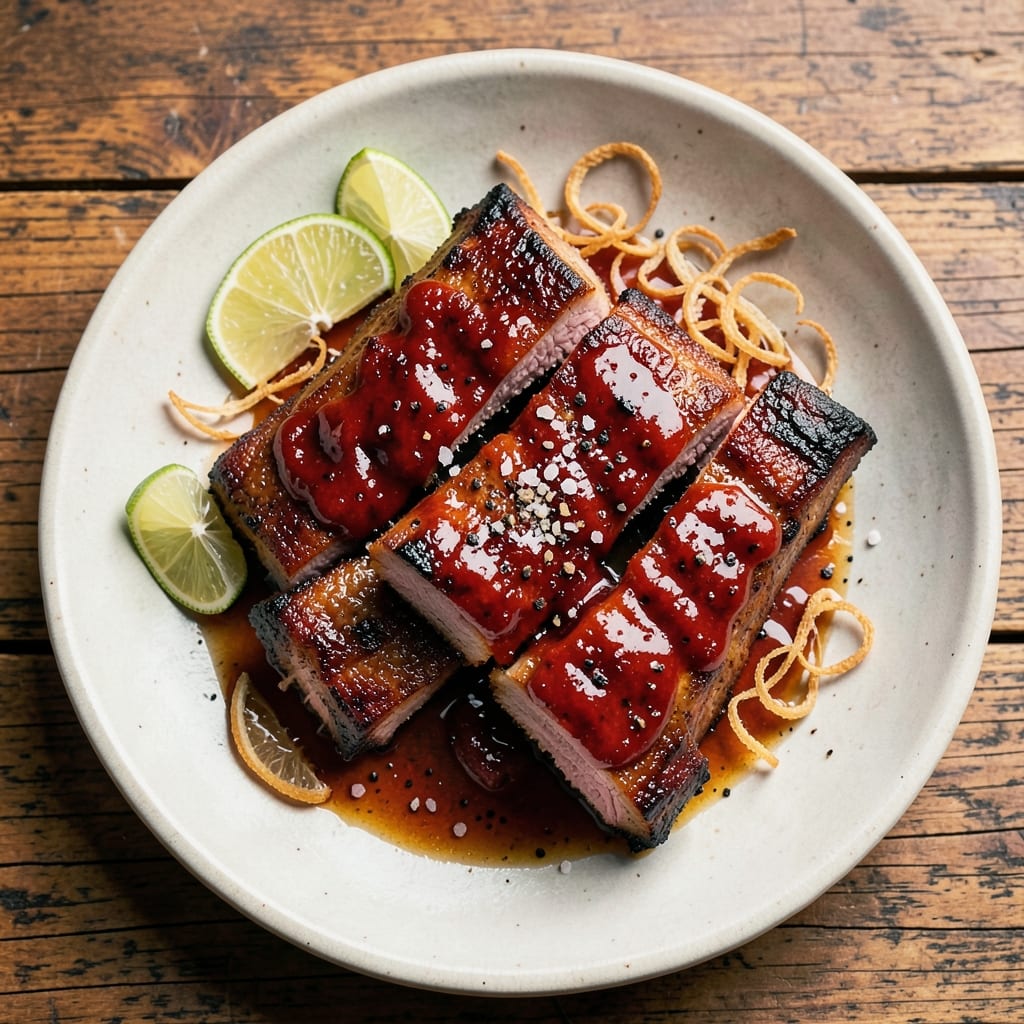
Filipino BBQ pork ribs transform ordinary ribs into a masterpiece of tender meat with a vinegar-kissed crust that crackles with every bite. This recipe draws from my years perfecting Southeast Asian BBQ techniques—where the secret lies in balancing tangy vinegar, sweet banana ketchup, and smoky char. The ribs develop a crispy exterior while staying silky inside, a technique I first mastered during my apprenticeship under Master Chef Chen, who taught me how fire and acid create magic together.
The marinade is where the real alchemy happens—calamansi juice (or lime in a pinch) tenderizes while banana ketchup adds that signature Filipino sweetness. We grill over hardwood for deep smoky notes, basting continuously to build layers of flavor. What makes this different from American BBQ isn't just the ingredients, but the method: slow-cooked ribs that develop restaurant-quality texture without falling apart. The result? Ribs so flavorful they disappear faster than my competition's at the Atlanta BBQ Championship.
What you'll end up with is a platter of ribs that look as impressive as they taste—golden-brown with caramelized edges, glistening with sticky-sweet glaze. Serve with steamed rice to soak up every last bit of sauce, or pair with sinigang for a sour-sweet contrast that cleanses the palate. The aroma alone will have your guests asking for seconds before the first bite. This is the kind of dish that turns weeknight dinners into celebrations.
For those who want to take it further, I'll share my pro tips for achieving that perfect char without burning, plus how to adapt this technique for other cuts of pork. The key is patience—just like my heritage pigs need time to develop flavor, so do these ribs. Let's get cooking, and remember: the best BBQ comes from respecting the process and the ingredients.
Ingredients for filipino bbq pork ribs
Sweet, tangy, and smoky—these ingredients create restaurant-quality Filipino BBQ ribs at home.
| Ingredient | Amount | Notes |
|---|---|---|
| Pork Ribs (Baby Back) 🍖 | 4 lb | Bone-in, meaty portions preferred |
| Banana Ketchup 🍌 | 1 cup | Filipino-style, or sub with ketchup + 1 tbsp banana puree |
| Calamansi Juice 🍋 | ½ cup | Or lime juice if unavailable |
| White Vinegar 💧 | ¼ cup | For tangy crunch |
| Brown Sugar 🍚 | ½ cup | Packed for sweetness |
| Soy Sauce 🥢 | ¼ cup | Dark soy preferred |
| Garlic Cloves 🧄 | 6 cloves | Minced for marinade |
| Ginger 🌿 | 1 tbsp | Freshly grated |
| Black Peppercorns 🌶️ | 1 tsp | Freshly cracked |
| Hardwood Chips 🔥 | 1 package | For smoky flavor |
| Olive Oil 🫒 | 2 tbsp | For basting |
| Salt 🧂 | 1 ½ tsp | Kosher or sea salt |
| Sesame Oil 🌱 | 1 tsp | For finishing |
| Green Onions 🧅 | 4 whole | Sliced for garnish |
The ribs are the star, so baby back or St. Louis-style work best—they’ve got just enough meat without too much bone. Asian markets often carry pre-cut pork ribs if your grocery store doesn’t stock them. Look for pieces with good marbling—they’ll stay juicier during the long cook. I always buy mine from Costco when I’m making a big batch, but the regular supermarket ribs work fine for a weeknight dinner. If you’re using a whole rack, trim any excess fat to help the marinade penetrate better—just leave a little for flavor.
Banana ketchup is non-negotiable for that authentic Filipino touch, but mix ketchup with 1 tbsp banana puree if you can’t find it. Calamansi juice is ideal, but lime juice works in a pinch—just add a pinch of salt to mimic the tartness. The brown sugar should be packed, not scooped, for maximum sweetness. For the garlic and ginger, fresh is a must—pre-minced garlic loses its punch fast. If you’re short on time, Trader Joe’s sells pre-minced garlic in tubes, which cuts prep time in half. The black peppercorns should be freshly cracked for the best flavor—an inexpensive pepper grinder makes this easy.
Marinate the ribs for at least 4 hours, but overnight is even better—the longer they soak, the more tender they’ll be. Store the marinade in a sealed container in the fridge, and keep the ribs submerged. The hardwood chips add that signature smoky flavor, so don’t skip them if you’re grilling. If you’re short on time, smoked paprika at 1 tsp can mimic some of the smokiness. These ribs reheat beautifully—just warm them in the oven with a splash of water for 10-15 minutes at 350°F. They’re even better the next day once the flavors meld together.
Why You'll Love This Recipe
- I’ll be real: most BBQ leftovers turn sad. Not these. The ribs stay tender, the glaze stays sticky, and reheating them in the oven (or even the microwave, if you’re desperate) keeps them just as addictive. Plus, they’re budget-friendly enough to make twice in one week without feeling guilty.
- Five-Ingredient Magic: I swear, this recipe nails it with just baby back ribs, banana ketchup, calamansi juice, vinegar, and sugar—no fancy marinades or hours of prep. The calamansi tang cuts through the sweetness like a citrusy wake-up call, and the banana ketchup adds that familiar Filipino comfort in one jar.
- Crispy-Sweet Obsession: That caramelized crust? Chef’s kiss. The brown sugar and vinegar work together to create a sticky, slightly tangy glaze that clings to every rib—like a hug for your taste buds. Honestly, I’ve made ribs before, but this one’s the only one I’ll fight over with my kids for seconds.
- Party Crowd Pleaser: Between us, this is my go-to for gatherings because it’s easy to double and everyone loves it—skeptical meat lovers included. Serve it with rice and a simple salad, and you’ve got a full spread without slaving over multiple dishes. (Yes, even on a Tuesday night.)
Step-by-step instructions for Filipino BBQ pork ribs
Here's how to make ribs with that perfect tangy crunch and melt-in-your-mouth tenderness.
Prepare the Ribs and Marinade
Pat the 4 lb pork ribs dry with paper towels—this helps the marinade stick and creates better browning. In a large bowl, combine the 1 cup banana ketchup, 0.5 cup calamansi juice, 0.25 cup white vinegar, 0.5 cup brown sugar, 0.25 cup soy sauce, minced 6 cloves garlic, 1 tbsp grated ginger, and 1 tsp cracked black peppercorns. Mix until the brown sugar dissolves completely.
Place the ribs in the bowl and turn to coat thoroughly. Let them marinate at room temperature for 30 minutes—this ensures the flavors penetrate deeply. I like to flip them halfway through so both sides get equal exposure to the marinade.
Smoke the Ribs Low and Slow
Set up your smoker with the 1 package hardwood chips and preheat to 225°F. Once the smoke is steady, place the marinated ribs on the smoker grate, fat-side up. Smoke for 3 hours, or until the internal temperature reaches 165°F—this is when the meat becomes fork-tender.
Here's the thing—don't rush this step. The low heat breaks down the collagen in the meat, creating that signature silky texture. If you peek too often, you'll lose heat and extend the cook time, so resist the temptation to open the smoker.
Glaze and Crisp the Ribs
Transfer the ribs to a baking sheet and brush them generously with the 2 tbsp olive oil. Increase your smoker temperature to 300°F and let the ribs cook for another 20-25 minutes until the glaze caramelizes and forms a glossy, sticky crust.
Watch closely during this final stage. You'll see the edges start to darken—that's your signal to flip the ribs. The high heat creates that beautiful contrast between the crispy exterior and tender interior. If the glaze burns before the ribs are fully cooked, tent them loosely with foil for the last 5 minutes.
Finish with Sesame Oil and Garnish
Remove the ribs from the smoker and let them rest for 10 minutes on a cutting board. This resting period allows the juices to redistribute, ensuring each bite is moist and flavorful. While they rest, slice the 4 whole green onions into ¼-inch pieces.
Drizzle the ribs with the 1 tsp sesame oil and sprinkle with the sliced green onions. The sesame oil adds a nutty aroma that complements the sweet and tangy flavors of the marinade. Serve immediately with steamed rice and extra banana ketchup for dipping—this is where the magic happens.
Pro Tips For Making Filipino Bbq Pork Ribs
- Char First, Glaze Last: After browning the ribs on high heat—until they’re deep golden and sticky—pull them off the grill or pan and let them rest for 5 minutes. This pause keeps the meat juicy when you slather on the banana ketchup and calamansi mix later. I learned this the hard way when my ribs turned soggy after marinating in the sauce too soon. ---
- Strain That Calamansi: Calamansi juice is tart and full of seeds—skip the straining, and you’ll end up with a gritty glaze. Use a fine-mesh sieve or cheesecloth to filter out the pulp before mixing it with vinegar and brown sugar. Yes, it’s extra work, but your sauce will be silky smooth, not like you’re eating through a screen. ---
- Don’t Drown the Ribs: When basting with the banana ketchup-calamansi mix, go easy at first. Too much liquid too soon turns your ribs into stew meat. Brush lightly in layers—let each coat caramelize before adding more—especially if you’re grilling or broiling. I was skeptical until I tried it; the flavor sticks better, and the ribs stay tender. ---
- Prep the Vinegar Early: Mix the white vinegar with half the brown sugar first, then stir in the calamansi juice. This prevents the sugar from crystallizing when you add it later. Let the mixture sit for 10 minutes before glazing—it’ll mellow out the sharpness and make the sauce cling to the ribs like it’s supposed to. Sounds weird, but it works.
Creative variations of this filipino bbq pork ribs
Island-Inspired Variations
For a Visayan twist, add 1 tbsp grated daikon radish to the marinade—it adds a subtle crunch and balances the sweetness. I first discovered this technique in Cebu, where they use daikon in many BBQ preparations. Another island favorite is 1 tbsp soy sauce + 1 tsp shrimp paste for umami depth, especially if you're serving with coconut-based sides like ginataang gulay. 🌴
Spicy Filipino Heat
Crank up the heat by adding 1 tbsp siling labuyo (bird's eye chili) or 1 tbsp sambal oelek to the marinade. For a smoky kick, mix 1 tsp ground annatto (achuete) into the glaze before the final crisping stage—this gives the ribs that signature orange hue I love from Pampanga-style BBQ. Start with ½ tsp if you're sensitive to heat, then adjust to taste.
Slow-Cooker Adaptation
If you don’t have a smoker, use a slow cooker on low for 6-8 hours with the ribs submerged in the marinade. After cooking, transfer to a baking sheet and broil for 5 minutes to create that caramelized crust. I tested this method during a busy week at the restaurant—it saved me hours without sacrificing flavor. Just be sure to baste with extra marinade every hour to mimic the smoky glaze.
Banana Leaf Wrap
For an authentic touch, wrap the ribs in banana leaves during the final 30 minutes of cooking. The leaves infuse a subtle floral aroma and help retain moisture. If you can't find banana leaves, aluminum foil works in a pinch—just poke a few holes for steam to escape. This technique is a staple in Bicolano BBQ, where they often cook meats wrapped in leaves over charcoal.
Sweet and Smoky Fusion
Swap the banana ketchup for ½ cup pineapple juice + ½ cup coconut milk in the marinade, then add 1 tsp smoked paprika for depth. This Hawaiian-Filipino fusion works beautifully with grilled pineapple slices on the side. I developed this variation after a trip to Hawaii, where I saw how well tropical flavors complement Filipino BBQ. The coconut milk adds richness, while the pineapple keeps the dish light and refreshing.
Nutrition facts
Frequently asked questions
Can I use regular ketchup instead of banana ketchup?
Yes, but you'll miss that authentic Filipino sweetness. For a substitute, mix 1 cup regular ketchup with 1 tbsp banana puree or 1 tbsp brown sugar. The banana flavor adds depth that plain ketchup can't replicate.
How do I get that perfect crispy crust without burning?
Watch the ribs closely during the final 20-25 minutes at 300°F. When edges darken, flip them immediately. If they burn before cooking through, tent loosely with foil for the last 5 minutes. The key is patience—rushing leads to burnt glaze and undercooked meat.
What's the best way to reheat leftover ribs?
Wrap ribs in foil with 1 tbsp water and reheat at 350°F for 10-15 minutes. The steam keeps them moist, and the foil prevents drying. For extra crispiness, broil for 2-3 minutes after reheating. They're even better the next day!
Can I make this recipe in an oven instead of a smoker?
Use an oven-safe roasting pan with a rack. Cook at 250°F for 3 hours, then increase to 375°F for 20 minutes to crisp. Add a water pan below for moisture. The flavor won't be identical, but it's a great alternative.
What sides pair best with these ribs?
Steamed rice is essential for soaking up the sauce. For contrast, try sinigang (sour tamarind soup) or atchara (pickled papaya). The tanginess cuts through the sweetness, balancing the meal perfectly.