
Main Courses
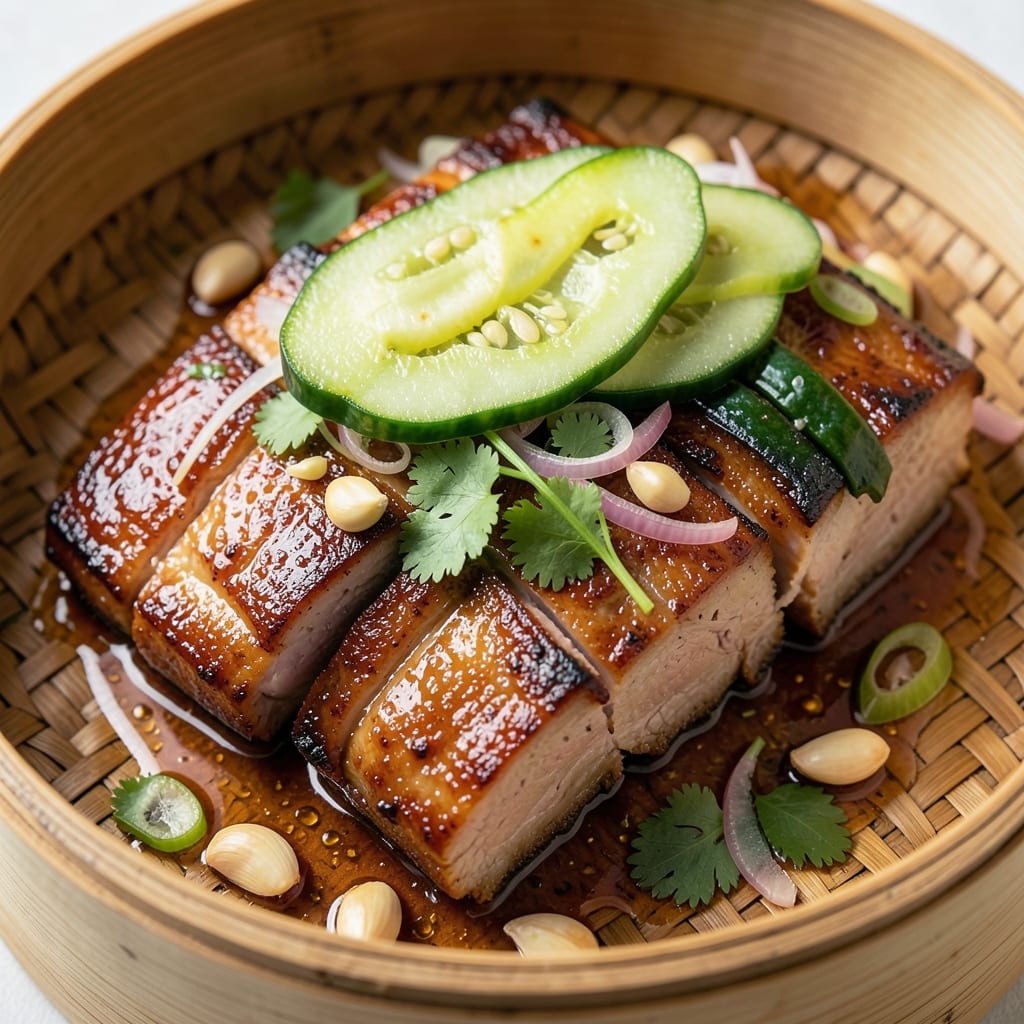
This Filipino pork and bitter melon recipe delivers the perfect harmony of bitter-sweet heat in every bite—just like my first taste of it at a bustling Manila street market. 🌟 The secret lies in balancing the earthy, slightly bitter notes of ampalaya (bitter melon) with tender, savory pork, all simmered together in a rich, aromatic sauce. I’ve refined this dish over years of cooking for my family, ensuring the flavors are bold yet balanced, with just the right amount of garlic, soy, and vinegar to cut through the bitterness.
The magic happens in the cooking process: the pork is first seared to lock in juices before being braised until fork-tender, while the bitter melon is cleaned thoroughly (a critical step!) and stir-fried just until it softens without losing its signature texture. Traditional Filipino techniques—like using a mix of soy sauce, vinegar, and sugar—elevate the dish, creating a sauce that’s both tangy and deeply savory. This isn’t just a recipe; it’s a taste of home, packed with layers of flavor that’ll have everyone asking for seconds.
What you’ll end up with is a one-pot wonder that’s hearty enough for a family dinner but simple enough for a weeknight meal. The pork falls apart with each bite, the bitter melon adds a refreshing contrast, and the sauce ties it all together with its perfect balance of sweet, sour, and umami. Serve it over steamed rice to soak up every last drop of that flavorful sauce—trust me, it’s worth the effort.
This dish is especially versatile: swap in ground pork for a quicker version, or add shrimp for a seafood twist. The key is patience—letting the flavors meld slowly is what makes it truly special. Let’s bring the flavors of the Philippines to your table!
Ingredients for filipino pork and bitter melon
Here’s what you’ll need to recreate this nostalgic Filipino street market flavor at home.
| Ingredient | Amount | Notes |
|---|---|---|
| Bitter Melon (Ampalaya) 🍈 | 2 cups | Fresh, cleaned, cut into 1-inch pieces |
| Pork Shoulder 🥩 | 1 ½ lb | Cut into 1-inch cubes, bone-in preferred |
| Garlic Cloves 🧄 | 6 cloves | Minced, vibrant purple preferred |
| Onion 🧅 | 1 whole | Yellow or red, sliced into half-moons |
| Soy Sauce 🍶 | ½ cup | Dark soy for color, or regular soy |
| Cane Vinegar 🍋 | ¼ cup | White vinegar substitute if needed |
| Brown Sugar 🍚 | 2 tbsp | Packed, for caramelized depth |
| Black Peppercorns 🌶️ | 1 tsp | Freshly cracked for aroma |
| Bay Leaves 🌿 | 2 whole | Fresh if possible, dried works too |
| Olive Oil 🫒 | 2 tbsp | For searing pork, high smoke point |
| Green Onions 🧅 | 4 whole | Sliced, for garnish, white and green parts |
| Salt 🧂 | 1 ½ tsp | Kosher or sea salt, adjust to taste |
| Water 💧 | 1 cup | For braising, room temperature |
| Tomatoes 🍅 | 1 whole | Medium, diced, or 0.5 cup canned crushed |
| Fish Sauce 🐟 | 1 tbsp | Red Boat brand preferred |
The bitter melon is the star, but it’s also the trickiest—look for firm, vibrant green ones at Asian markets or well-stocked grocery stores like H Mart or 99 Ranch. If you can’t find fresh, frozen works too (thaw and drain well). The pork shoulder is key—bone-in stays juicier—and I always grab it from the butcher counter rather than pre-cut packages. For the garlic, purple garlic adds a deeper flavor, but white works fine. If you’re short on time, swap the shoulder for pork belly (rendered fat = extra flavor) or ground pork (cooks faster).
No cane vinegar? White vinegar or apple cider vinegar works in a pinch, but cane vinegar’s subtle sweetness is ideal. Fish sauce is non-negotiable for that umami punch—Red Boat is my go-to—but if you’re avoiding it, double the soy sauce and add a splash of oyster sauce. The tomatoes can be fresh or canned (San Marzano if you’re fancy), and the green onions? Use the white parts too—they’ve got flavor. For a quicker version, skip the bay leaves (they’re more for depth than necessity), but don’t skip the peppercorns—they add a nice kick that balances the bitterness.
This dish tastes even better the next day, so double the recipe if you’re feeding a crowd. Store leftovers in the fridge for up to 4 days—the flavors meld beautifully. For freezing, portion into containers with a splash of water to prevent drying. The bitter melon softens further when reheated, so keep it on the stove over low heat rather than microwaving. Garnish with extra green onions right before serving—they add a fresh pop of color and crunch.
Why You'll Love This Recipe
- One-Pan Magic: I swear by this recipe because it’s one pan, minimal cleanup. Sear the pork shoulder, toss in the bitter melon and aromatics, then let the soy sauce and garlic work their flavor magic—no pots, no mess, just pure satisfaction.
- Lunchbox Hero: Between us, this is my go-to for meal prep. The flavors hold up for days, and I can pack it cold or reheat it—no soggy bitter melon here. My kids groan when I tell them it’s "healthy," but they’re the first to finish their portions.
- Budget Stretch: Pork shoulder is ridiculously affordable, and bitter melon lasts longer than you’d think if stored right. I’ve fed four people for under $10 with this, and the leftovers? Even better the next day, if you ask me. (Yes, even on a Tuesday night.)
Step-by-step instructions for Filipino pork and bitter melon
Here's how to balance bitter melon's sharpness with pork's richness in one delicious pot.
🍳 Step 1: Sear the Pork Shoulder for Deep Flavor
Heat the 2 tablespoons olive oil in a large pot or deep skillet over medium-high heat until shimmering. Add the 1.5 lb pork shoulder cut into 1-inch cubes and sear undisturbed for 3-4 minutes per side until golden brown. This creates a flavorful crust that won't dissolve during braising.
Watch for the pork to release easily from the pan—that's your signal it's ready to move. If it sticks, don't force it; add a splash of 1 cup water to deglaze and scrape up those delicious browned bits. Transfer the seared pork to a plate and set aside temporarily.
👨🍳 Step 2: Build the Aromatic Base
In the same pot, add 6 cloves minced garlic and 1 whole onion sliced into half-moons. Sauté for 3-4 minutes until the onion softens and becomes translucent, and the garlic releases its fragrant aroma. Here's where the magic starts—don't rush this step or you'll miss the depth of flavor.
Add 1 whole tomato diced (or 0.5 cup canned crushed tomatoes) and cook for another 2 minutes until the raw tomato taste disappears. Stir in 2 whole bay leaves and let them infuse for 1 minute. This aromatic base forms the flavor foundation for your dish.
🥘 Step 3: Braise the Pork with Bitter Melon
Return the seared pork to the pot. Add 2 cups bitter melon (ampalaya) cut into 1-inch pieces, 0.5 cup soy sauce, 0.25 cup cane vinegar, 2 tablespoons brown sugar, 1.5 teaspoons salt, and 1 teaspoon black peppercorns. Pour in the 1 cup water and bring to a gentle simmer.
Cover the pot and reduce heat to low. Let it cook for 45-50 minutes until the pork is fork-tender and the bitter melon softens but still holds its shape. The pork should pull apart easily when pierced with a fork, and the sauce should thicken slightly. Real talk: the bitter melon will release its sharpness into the sauce, but the pork and sweet elements will balance it out.
🔥 Step 4: Finish with Fish Sauce and Green Onions
Once the pork is tender, stir in 1 tablespoon fish sauce and taste. Adjust seasoning if needed—you might want to add a bit more brown sugar or salt to balance the flavors. The fish sauce adds that signature umami punch that makes this dish truly Filipino.
Remove the 2 bay leaves and stir in 4 whole green onions sliced, reserving some for garnish. Let the dish simmer uncovered for another 5 minutes to allow the flavors to meld. The aroma should be rich and complex—sweet, savory, tangy, and just a hint of bitterness.
🍽️ Step 5: Serve with Perfect Garnish
Ladle the pork and bitter melon into serving bowls, making sure each portion gets a good share of the flavorful sauce. Garnish with the reserved sliced green onions and serve immediately while hot. The contrast of tender pork with the slightly bitter melon creates a perfect balance of flavors that's both comforting and exciting.
This dish pairs beautifully with steamed rice to soak up all that delicious sauce. Leftovers actually taste better the next day as the flavors continue to develop. Don't be afraid to adjust the seasoning to your taste—this is where you make it your own!
Pro Tips For Making Filipino Pork And Bitter Melon
- Sear the Pork First: I learned this the hard way—skipping the sear means your pork will end up dry and flavorless. Cut the shoulder into 2-inch chunks, heat your pan until it’s smoking, then brown each side for 3-4 minutes before adding anything else. That crust locks in juices and builds depth. ---
- Deseed and Score the Bitter Melon: Sounds weird, but it works: Slice the bitter melon lengthwise, scoop out the seeds (they’re bitter and slimy), then score the flesh in a crosshatch pattern. This lets the soy sauce and garlic penetrate faster and keeps it from turning to mush—no more rubbery, waterlogged ampalaya. ---
- Simmer Low and Slow: After burning three batches, I finally figured out: High heat = bitter, burnt pork. Once the pork’s browned and the onions are soft, drop the heat to a gentle simmer. Cover the pot and let it cook for 45-60 minutes, stirring occasionally. Patience here makes the sauce rich, not bitter. ---
- Use Less Soy Sauce: I skip this when I’m lazy, but the dish is noticeably better when I don’t: Start with just 1 tablespoon of soy sauce, then taste as you go. Bitter melon and pork shoulder already have enough umami—adding too much turns the sauce salty and one-dimensional. Adjust with a pinch of sugar or a splash of vinegar if needed.
Dietary considerations for this dish
Gluten-Free Adaptations
This dish is naturally gluten-free if you use tamari or gluten-free soy sauce instead of regular soy sauce. I always keep a bottle of San-J Tamari on hand—it’s a 1:1 substitute and adds a deeper umami flavor. The Red Boat fish sauce is also gluten-free, so no additional swaps are needed there. Just double-check your brown sugar label, as some brands contain wheat additives. 💫
For extra insurance, I recommend using gluten-free cane vinegar from brands like Bragg, which guarantees purity. The bitter melon and pork themselves are gluten-free, so the only potential pitfalls are the sauces. If you’re serving this at a gathering, label it clearly—some guests with celiac disease are particularly cautious about cross-contamination from utensils or shared cooking surfaces.
Low-Carb Options
To make this dish lower in carbs, skip the rice entirely and serve it over cauliflower rice instead. I like to use freshly grated cauliflower (about 4 cups) sautéed in 1 tablespoon olive oil with a pinch of salt until tender. The texture mimics rice beautifully and absorbs the sauce just as well. For an even lower-carb option, serve the pork and bitter melon as a standalone dish with a side of steamed green beans or a simple zucchini noodle salad. 🥦
Watch your portion sizes with the bitter melon—while it’s low in carbs, it’s high in fiber and can be filling. Stick to 1 cup per serving to keep carbs under 10g per portion. The pork shoulder is naturally low-carb, so you’re already ahead with this protein-rich base. If you’re tracking macros, the sauce adds minimal carbs, thanks to the vinegar and sugar balance.
Vegetarian Swaps
For a vegetarian version, replace the pork with extra-firm tofu or mushroom caps like shiitake or oyster. I press 1 block (14 oz) firm tofu for 15 minutes, then cube it and pan-fry in 1 tablespoon olive oil until golden. The tofu absorbs the flavors beautifully and mimics the texture of pork when braised. For a meatier alternative, use king oyster mushrooms sliced lengthwise—they develop a chewy texture that stands up to the bitter melon. 🍄
Boost the umami in vegetarian versions with an extra 1 tablespoon fish sauce or add ½ cup coconut aminos to the braising liquid. The bitter melon’s sharpness needs balancing, so increase the brown sugar to 3 tablespoons and add a splash of coconut milk (about ¼ cup) to round out the flavors. Garnish with extra green onions and a sprinkle of toasted sesame seeds for depth.
Allergen Safety
This recipe is naturally free from common allergens like dairy, eggs, and nuts, making it safe for many dietary restrictions. However, always verify your fish sauce for shellfish allergens—some brands process in facilities that handle other seafood. For a shellfish-free version, substitute the fish sauce with ½ cup gluten-free soy sauce plus 1 teaspoon miso paste (ensure miso is soy-only if avoiding gluten). 🐟
If serving to guests with soy allergies, replace the soy sauce with coconut aminos (about ½ cup) and use a soy-free fish sauce alternative like Veggie Aminos. The bitter melon and pork are allergen-free, so the focus shifts to these two ingredients. Always communicate substitutions clearly to avoid cross-contamination risks, especially when cooking for multiple people.
Nutrition facts
Frequently asked questions
Why does bitter melon taste so bitter?
The bitterness comes from compounds called cucurbitacins, which are concentrated more in the skin and seeds. To reduce bitterness, look for younger, smaller bitter melons—they're milder. Also, removing the skin (if edible) and seeds before cooking helps. The braising process in this recipe actually mellows the bitterness while preserving its signature texture.
Can I substitute ground pork for pork shoulder?
Yes! For ground pork, brown 1 lb in the pot first with 1 tablespoon soy sauce before adding the aromatic base. Cook it for 3-4 minutes until no longer pink, then proceed with the recipe. Ground pork cooks faster, so reduce the braising time to 25-30 minutes instead of 45-50 minutes.
How do I clean bitter melon properly?
Start by rinsing under cold water, then use a vegetable brush to scrub the skin thoroughly—bitter melon grows in rough terrain! Cut off the ends and slice open to remove seeds. For extra bitterness removal, soak the cut pieces in iced water for 10 minutes before cooking. Always wear gloves if you're sensitive to its oils.
What if my bitter melon is too bitter?
Don't worry! The recipe's sauce components balance it out. Add 1 extra tablespoon brown sugar or ½ teaspoon sugar during braising to counteract the bitterness. You can also increase the vinegar to ¼ cup to enhance the tangy contrast. Taste as you go—this dish is all about finding that perfect balance.
Can I make this dish in a slow cooker?
Sear the pork first as directed, then transfer everything (including the bitter melon) to your slow cooker. Cook on low for 6-7 hours or high for 3-4 hours. The slow cooking enhances the tenderness of both pork and melon. Add ¼ cup water if the sauce gets too thick during cooking.