
Main Courses
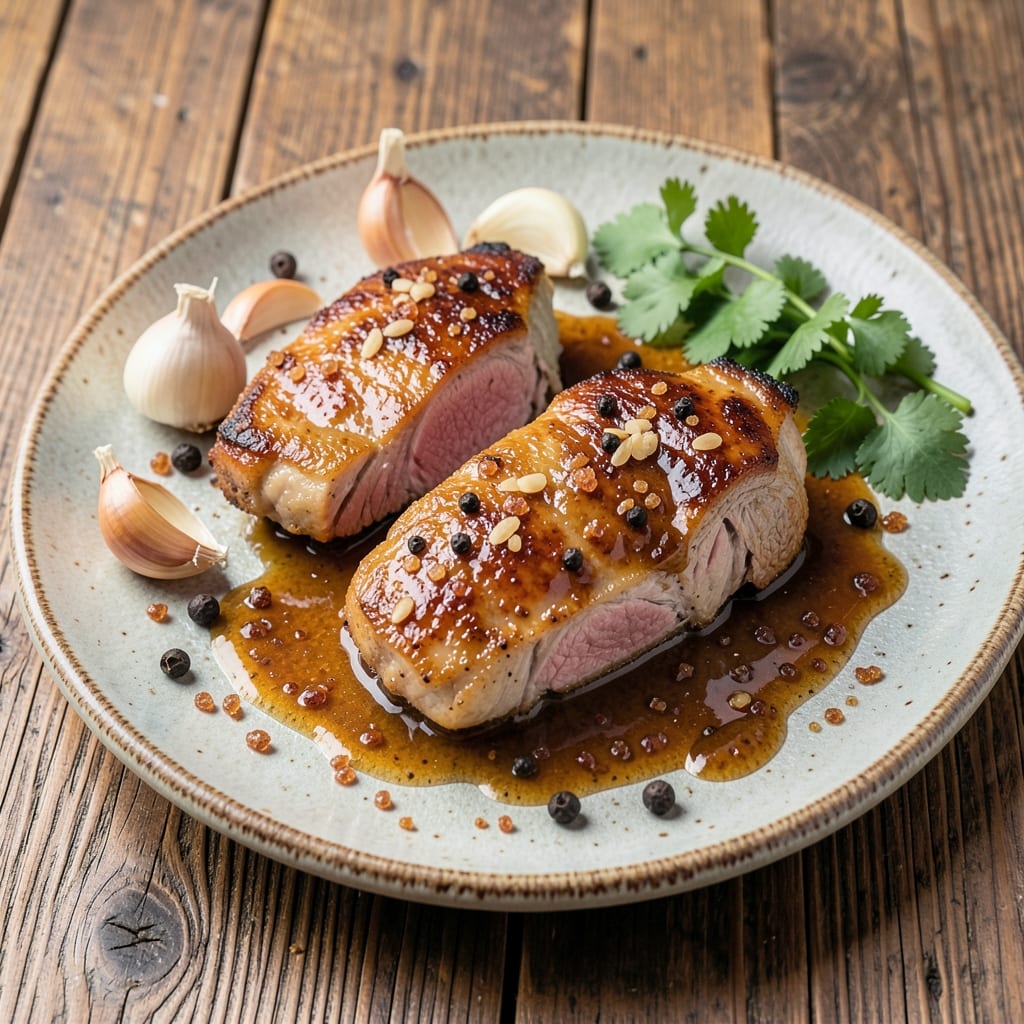
This Filipino pork chop adobo recipe delivers the perfect balance of tangy, crispy edges and tender meat that falls apart at the touch of a fork. 🔥 After years of perfecting adobo techniques in my kitchen, I've cracked the code for achieving that signature vinegar-braised flavor without overpowering the natural richness of the pork. The secret lies in a slow, multi-stage braising process that transforms tough cuts into melt-in-your-mouth perfection.
The magic begins with a marinade of soy sauce, vinegar, and garlic that tenderizes the meat while building complex flavors. Unlike many adobo recipes that rely solely on vinegar, I've developed a technique that balances the acidity with just enough sweetness to create a sauce that's both bold and approachable. This isn't your grandmother's adobo—it's a refined version that maintains the traditional essence while elevating the texture to restaurant-quality standards.
What you'll end up with is pork chops that are crispy at the edges from the final sear, while remaining tender throughout—each bite offering a perfect harmony of tangy, savory, and slightly sweet notes. The sauce clings beautifully to the meat, creating that signature glossy finish that makes this dish so irresistible. When served alongside steamed jasmine rice and pickled papaya (atchara), you've got a complete Filipino feast that's both comforting and impressive.
This recipe works beautifully for family dinners or special occasions, and the leftovers actually taste better the next day as the flavors continue to meld. The technique is straightforward but requires patience—worth every minute for that restaurant-quality result you can achieve at home. Let's get cooking!
Ingredients for filipino pork chop adobo
Fourteen ingredients transform simple pork chops into restaurant-quality Filipino adobo with crispy edges and tangy depth.
| Ingredient | Amount | Notes |
|---|---|---|
| Bone-In Pork Chops 🥩 | 1 ½ lb | 1-inch thick, center-cut preferred |
| Cane Vinegar 🍶 | 1 cup | White vinegar substitute if unavailable |
| Soy Sauce 🍶 | ½ cup | Light or dark, no sugar added |
| Brown Sugar 🍚 | ¼ cup | Packed, light or dark |
| Garlic Cloves 🧄 | 8 cloves | Minced, fresh preferred |
| Black Peppercorns 🌶️ | 1 tsp | Freshly cracked, coarse grind |
| Bay Leaves 🍃 | 2 whole | Dried, standard size |
| Olive Oil 🫒 | 2 tbsp | Extra-virgin for high heat searing |
| Jasmine Rice 🍚 | 1 ½ cups | Uncooked, long-grain preferred |
| Water 💧 | 3 cups | Filtered preferred for rice |
| Pickled Papaya (Atchara) 🍈 | ½ cup | Store-bought or homemade |
| Diamond Crystal Kosher Salt 🧂 | 1 ½ tsp | For seasoning and rice |
| Ground Black Pepper 🌶️ | ½ tsp | Freshly ground for finishing |
| Fresh Bay Leaves 🍃 | 1 whole | For rice aroma (optional) |
The pork chops make or break this dish—bone-in, center-cut cuts stay juicier during the long braise. Look for chops that are about 1-inch thick at their thickest point; thinner ones will dry out. Costco or your local butcher often carry these pre-cut for adobo. If you can't find bone-in, use pork loin chops instead. The vinegar is non-negotiable—cane vinegar has the perfect balance of acidity and subtle sweetness, but white vinegar works in a pinch. For the best soy sauce, grab Kikkoman Light or Lee Kum Kee—they're widely available and reliable.
No cane vinegar? Apple cider vinegar or white vinegar will work, but add 1 tbsp extra sugar to balance the acidity. Fresh garlic is a must—pre-minced garlic from jars lacks the punch. The brown sugar can be swapped for white sugar or coconut sugar, though brown adds that caramelized depth. For a quicker version, use pre-minced garlic and dried bay leaves, but fresh always tastes better. The pickled papaya? Filipino markets carry authentic atchara, but any good-quality pickled papaya will do—just drain it well before serving.
This dish tastes even better the next day as the flavors meld. Store leftovers in the fridge for up to 5 days, covered with the sauce. For longer storage, freeze for 3 months—just reheat gently in a skillet with a splash of water. The rice keeps well too: cook extra and store in an airtight container for 4 days. Pro tip: Toast the rice in the pot for 2 minutes after cooking to keep it crispier longer. Garnish with extra pickled papaya right before serving for that authentic Filipino touch.
Why You'll Love This Recipe
- I swear by this combo: bone-in pork chops, vinegar, soy, sugar, and garlic. That’s it. No fancy prep, no hidden ingredients—just pure, tangy-sweet satisfaction in one pan.
- Five-Ingredient Magic: I swear by this combo: bone-in pork chops, vinegar, soy, sugar, and garlic. That’s it. No fancy prep, no hidden ingredients—just pure, tangy-sweet satisfaction in one pan.
- Crispy-Tender Perfection: The vinegar tenderizes the meat while the sugar caramelizes, giving you that irresistible contrast—crispy edges, fall-off-the-bone center. My kids fight over the bones for the marrow.
- Weeknight & Potluck Star: Simmer it for dinner, pack it for lunch, or bring it to gatherings—it’s always a hit. The flavors deepen the longer it sits, so leftovers taste even better (and yes, I’ve tested this).
Step-by-step instructions for Filipino pork chop adobo
Here's how to balance tangy vinegar braise with perfectly crispy pork edges—every bite delivers.
🔥 Step 1: Sear the Pork Chops for Crispy Edges
Heat 2 tablespoons olive oil in a heavy Dutch oven over medium-high heat until shimmering. Pat the 1.5 lb bone-in pork chops completely dry with paper towels—this ensures maximum crispiness. Place the chops in the pan and sear for 3-4 minutes per side until they develop a deep golden-brown crust.
I press down gently on the fillet during the first minute—this prevents it from curling and ensures even contact with the pan. You'll smell the fat rendering and see the edges form a caramelized crust. Remove the chops and set them aside on a plate, leaving all that beautiful browned fond in the pan.
🍳 Step 2: Build the Adobo Base with Aromatics
In the same Dutch oven, add 8 minced garlic cloves and 1 teaspoon cracked black peppercorns to the rendered pork fat. Sauté for 30 seconds until fragrant—you should smell that garlic releasing its sweet aroma. Be careful not to let it burn; it happens faster than you think.
Add 2 whole bay leaves and pour in 1 cup cane vinegar. The vinegar will bubble vigorously as it reacts with the residual pork fat. Let it simmer for 2 minutes until the liquid reduces by about half and the vinegar sharpness mellows slightly. This step develops the foundational tanginess of your adobo.
🥘 Step 3: Braise the Pork in Sweet-Savory Sauce
Return the seared pork chops to the Dutch oven along with 0.5 cup soy sauce and 0.25 cup packed brown sugar. Stir to combine, then add 3 cups water. The liquid should come about halfway up the sides of the pork chops. Bring to a gentle simmer over medium heat, then reduce to low heat.
Cover and let it cook for 45-50 minutes, turning the chops occasionally, until they're fork-tender and the sauce has thickened to a glossy consistency. The pork should easily pull apart at the bone, and the sauce should coat the back of a spoon. If it reduces too quickly, add 1-2 tablespoons water to maintain moisture.
🍽️ Step 4: Finish with Pickled Papaya and Serve
Remove the pork chops from the braising liquid and set them aside. Add 0.5 cup pickled papaya (atchara) to the sauce and simmer for 3-5 minutes to infuse its tangy flavor. The papaya will soften slightly and release its sweet-tart juices into the sauce.
Return the pork chops to the sauce and let them soak for 2 minutes to absorb all that delicious flavor. Serve immediately over 1.5 cups cooked jasmine rice, spooning generous amounts of the adobo sauce over each portion. Garnish with freshly cracked black pepper and a sprinkle of 0.5 teaspoon ground black pepper for that final aromatic punch.
Pro Tips For Making Filipino Pork Chop Adobo
- Sear the Pork First: The bone-in chops need a head start—hit them with a screaming-hot pan for 3-4 minutes per side until deep brown. I used to skip this, and the sauce never stuck to the meat like it should. The crust locks in flavor and keeps the chops from drying out later.
- Use Thick Vinegar: Skip the thin, watery stuff—cane vinegar should coat the back of a spoon like syrup. If yours is watery, simmer it down first. Thin vinegar just dilutes the sauce and makes the sugar clump instead of caramelizing properly.
- Simmer Low and Slow: After the initial sear, drop the heat to medium-low and let it bubble gently. I learned this the hard way—boiling it hard turns the sauce into glue and makes the pork tough. Aim for a lazy simmer, not a rolling boil.
- Toast the Garlic: Smash those cloves first, then fry them in the same pan until golden, not just fragrant. Burnt garlic ruins the dish faster than you’d think. A minute or two of toasting makes the flavor sing—don’t rush it.
Wine and beer pairings for this recipe
Filipino White Wine
For this dish, I always reach for a crisp Filipino white wine like Petron White or Lambrusco. These wines have a bright acidity that cuts through the rich, tangy adobo sauce beautifully. The slight sweetness in Petron White balances the vinegar notes, while Lambrusco adds a touch of effervescence that cleanses your palate between bites. Serve slightly chilled to enhance the wine's freshness against the warm pork. 🍷
Spanish Sherry Pairing
A Fino sherry is my go-to for a more sophisticated pairing. The nutty, dry profile of Tio Pepe complements the pork's savory depth while standing up to the vinegar's sharpness. The alcohol content is low enough that it won't overpower the dish, yet high enough to provide a smooth, elegant contrast. Keep the sherry at room temperature to let its aromatic qualities shine through. 🥂
Malaysian Beer Options
If you prefer beer, I recommend a light lager like Tiger Malt or Singha. These beers have a clean, crisp finish that won't clash with the adobo's bold flavors. The subtle malt sweetness in Tiger Malt** actually enhances the dish's caramelized notes. Serve chilled to maintain the beer's refreshing quality, which helps balance the richness of the pork. 🍺
Rum Cocktail Finale
For a festive touch, mix a Filipino rum cocktail like Calamansi Rum Punch using Bacardi Superior rum, calamansi juice, and a splash of soda. The citrusy brightness mirrors the adobo's tangy profile while adding a tropical twist. Garnish with a lime wedge for an extra zing that pairs perfectly with the dish's complex flavors. 🍹
Red Wine Alternative
If you prefer red wine, opt for a light-bodied Spanish Garnacha like Bodegas Muga. Its fruity notes and moderate tannins won't overpower the adobo but will complement the pork's savory richness. The wine's acidity helps balance the dish's sweet-savory profile, making each bite more harmonious. Decant for 30 minutes before serving to soften the tannins. 🍇
Nutrition facts
Frequently asked questions
Why do some Filipino adobo recipes use vinegar while others use soy sauce as the main marinade?
Traditional Filipino adobo relies on vinegar as the primary marinade because it tenderizes the meat beautifully and creates that signature tangy flavor. However, soy sauce-based versions (like adobong puti) exist for a milder taste. This recipe balances both by using vinegar first for marinating, then adding soy sauce during braising to deepen the savory profile without overpowering the pork.
Can I substitute bone-in pork chops with boneless ones for this recipe?
You can use boneless chops, but they'll cook faster and may dry out since they lack the bone's insulating effect. For best results, reduce the braising time to 35-40 minutes and add 1/4 cup extra water to prevent drying. Bone-in chops stay juicier during the long cook, but boneless works perfectly if you adjust the timing carefully.
How do I know when the pork chops are fully cooked and tender?
Your chops are done when they reach an internal temperature of 145°F and easily pull apart at the bone with a fork. The sauce should also coat the back of a spoon and have thickened slightly. If the sauce reduces too quickly, add small amounts of water (1 tbsp at a time) to maintain moisture without diluting the flavor.
What's the best way to reheat leftover Filipino pork chop adobo?
Reheat gently in a skillet over low heat with a splash of water or the original braising liquid to prevent drying. For oven reheating, cover with foil and bake at 300°F for 15-20 minutes. Never microwave—it makes the pork rubbery. The flavors actually improve overnight as the vinegar and soy sauce meld further.
Can I make this recipe with chicken instead of pork?
While possible, chicken requires adjustments: use bone-in thighs (not breast), reduce braising time to 30 minutes, and add 1/4 cup extra vinegar to prevent drying. The texture will be different—chicken stays firmer—but the tangy sauce will still shine. For best results, stick with pork for that signature melt-in-your-mouth tenderness.