
Main Courses
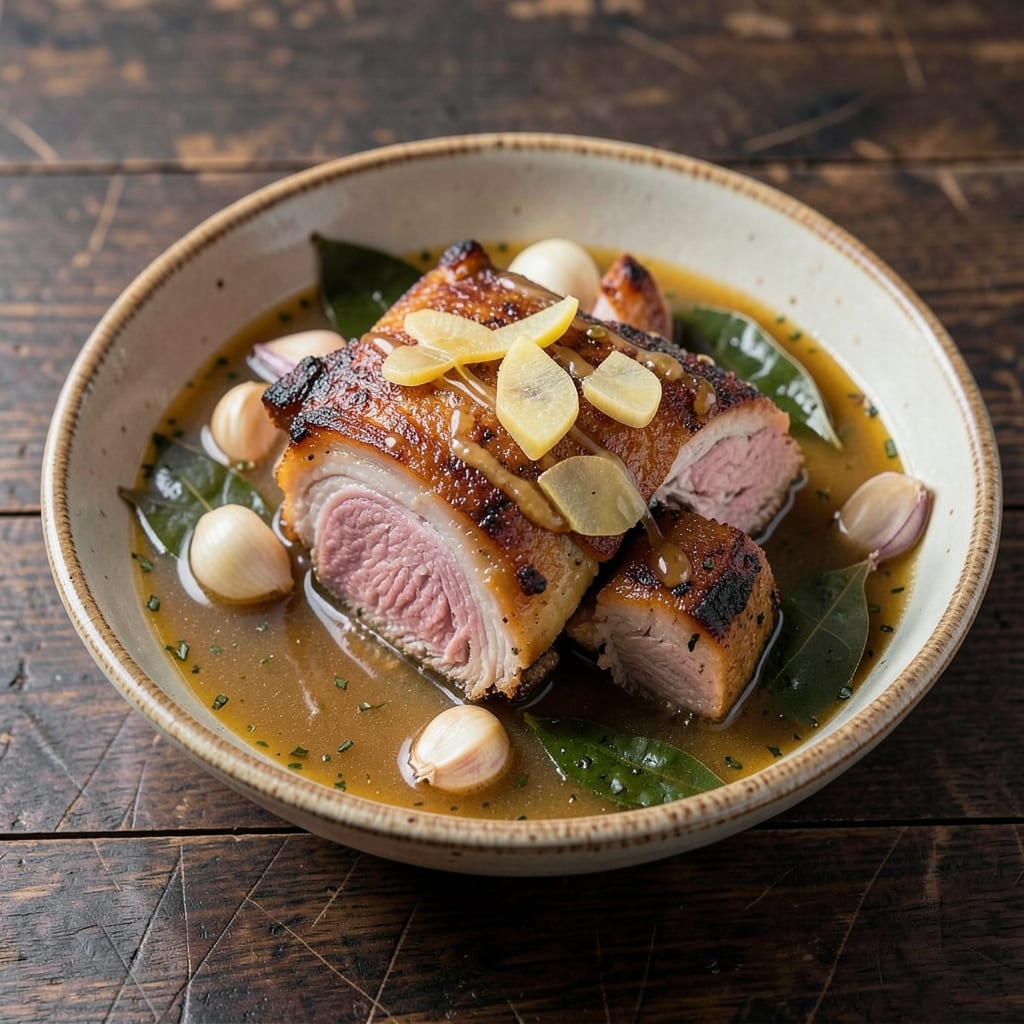
This Filipino pork nilaga recipe brings the comforting aroma of vinegar, ginger, and slow-simmered pork to your table—just like my lola used to make. Growing up in small-town Georgia, I first tasted its depth at a Filipino family gathering, where the tender pork and fragrant broth became the heart of the meal. The key lies in the balance of sour vinegar, aromatic bay leaves, and long simmering that transforms tough cuts into melt-in-your-mouth perfection.
What sets nilaga apart is its simplicity: just a few ingredients—pork, vinegar, ginger, garlic, and vegetables—simmered together until the broth becomes rich and the pork falls apart. I’ve perfected this recipe over years of cooking for crowds at The Smoky Pig, where we adapted it using heritage pork cuts. The vinegar tenderizes the meat while adding a bright tang that cuts through the richness, and the bay leaves infuse the broth with earthy depth.
By the time it’s done, you’ll have a steaming pot of golden broth with tender pork and vegetables—crisp yet soft—ready to be served with steamed rice. The aroma alone will transport you to a Filipino kitchen, where this dish is both everyday comfort and special occasion. Every bite delivers layers of flavor: the vinegar’s tang, the ginger’s warmth, and the pork’s natural richness.
This recipe works with bone-in or boneless pork, and you can customize the vegetables—eggplant, string beans, or potatoes all shine. The long simmer ensures the broth is flavorful enough to stand alone as soup, or it can be used as a base for rice dishes. Let’s get cooking—your taste buds are in for a treat.
Ingredients for filipino pork nilaga
Simple ingredients that transform into a fragrant, vinegar-kissed pork feast.
| Ingredient | Amount | Notes |
|---|---|---|
| Pork Shoulder 🥩 | 2 lb | Bone-in, cut into 2-inch pieces |
| White Vinegar 🍶 | ½ cup | White or cane vinegar preferred |
| Fresh Ginger 🧄 | ½ cup | Grated, peeled, roughly chopped |
| Garlic Cloves 🧄 | 8 cloves | Peeled, smashed with side of knife |
| Bay Leaves 🌿 | 2 whole | Dried, standard grocery store size |
| Salt 🧂 | 1 ½ tsp | Kosher or sea salt preferred |
| Black Peppercorns 🌶️ | ½ tsp | Freshly cracked, coarse grind |
| Russet Potatoes 🥔 | 1 lb | Peeled, cut into 2-inch chunks |
| Eggplant 🍆 | 1 lb | Peeled, cut into 1-inch cubes |
| Green String Beans 🌱 | ½ lb | Trimmed, cut into 2-inch pieces |
| Water 💧 | 4 cups | Enough to cover ingredients |
| Olive Oil 🫒 | 2 tbsp | For searing pork initially |
The pork shoulder is the star—look for cuts with good marbling at Whole Foods or your local butcher. Nothing fancy needed, just make sure it's fresh (that bright pink color). I always grab extra because it freezes beautifully. For vinegar, cane vinegar adds a touch of sweetness, but white vinegar works perfectly fine. Fresh ginger and garlic? Buy them whole—you'll use way more than you think. The bay leaves? Standard grocery store dried ones are perfect here. No need to splurge on fancy ones.
No fresh ginger? Powdered ginger at half the amount gets you close, though fresh has that zing. Out of bay leaves? Dried thyme at one-third the amount works in a pinch. The potatoes and eggplant can be swapped for carrots or cabbage if you're feeling adventurous. For the string beans, frozen works just as well as fresh—just don't thaw them first. The olive oil is just for searing, so any neutral oil will do. The key is the long simmer—don't rush it.
This dish tastes even better the next day as the flavors meld. Store leftovers in the fridge for 4-5 days or freeze for 3 months. I always make extra because it reheats beautifully. The broth alone is worth making—use it for rice dishes or sip it straight. For serving, keep the pork and veggies separate until ready to eat so they stay crisp. Trust me, the aroma alone will have everyone gathering around.
Why You'll Love This Recipe
- Pantry Magic: I swear by this one—no fancy ingredients, just what’s already lurking in your cupboard. That vinegar and ginger combo? It turns tough pork shoulder into something tender and ridiculously flavorful without needing a butcher’s special cut.
- Garlic-Ginger Bomb: Between us, the garlic and ginger here aren’t just background players—they’re the stars. That slow simmer lets the flavors meld into something deep and warm, like a hug in soup form. (Yes, even on a Tuesday night.)
- Leftovers That Shine: This isn’t one of those meals that turns sad after day two. The broth gets better as it sits, and the pork? Even more fall-apart tender. I’ve reheated mine for breakfast with rice—yes, really—and it’s still a win.
- One-Pot, Zero Stress: Honestly, I’ve made this in a Dutch oven, a slow cooker, and even a giant pot on the stove. Minimal chopping, one pot to clean, and the kids can “help” by stirring. (Spoiler: They’ll still complain about eating veggies.)
Step-by-step instructions for Filipino pork nilaga
This slow-simmered pork dish delivers tender meat and vibrant vegetables in one comforting pot.
Sear the Pork Shoulder for Deep Flavor
Heat a large Dutch oven over medium-high heat. Add the 2 tablespoons olive oil and let it get hot enough to shimmer. Working in batches if needed, add the 2 lb pork shoulder cut into 2-inch pieces, searing each side until deeply golden brown—about 3-4 minutes per side. This step builds incredible flavor through the Maillard reaction.
Once all pork is browned, remove it from the pot and set aside. Don't drain the oil—those browned bits will form the base of your sauce. The pork should have a rich caramelization that will infuse into the broth as it simmers.
Build the Aromatic Base
In the same pot, add the 0.5 cup grated fresh ginger and 8 smashed garlic cloves. Sauté for 2-3 minutes until the garlic turns golden and fragrant—don't let it burn. Add the 2 whole bay leaves, 1.5 teaspoons salt, and 0.5 teaspoon cracked black peppercorns, stirring to combine.
This aromatic trio forms the flavor foundation of nilaga. The ginger and garlic release their essential oils, while the bay leaves add earthy depth. The spices should be toasted just enough to release their aromas but not burned.
Simmer the Pork and Vegetables Together
Return the seared pork to the pot. Add 4 cups water and the 0.5 cup white vinegar. Bring to a gentle boil, then reduce heat to low. Add the 1 lb peeled and chunked russet potatoes, 1 lb peeled and cubed eggplant, and 0.5 lb trimmed and cut green string beans. Cover and simmer for 1 hour 15 minutes until pork is fork-tender.
The vinegar adds tangy brightness while tenderizing the meat. The vegetables should cook through but remain intact—potatoes should be soft but not mushy, and eggplant should hold its shape. Stir occasionally to prevent sticking, especially during the first 30 minutes.
Finish with Perfect Texture
Once the pork is fork-tender (it should pull apart easily), remove it from the broth and let it rest on a cutting board for 10 minutes. Return the vegetables to the broth and simmer uncovered for an additional 10-15 minutes until the liquid reduces slightly and the flavors concentrate.
The resting time allows the pork juices to redistribute, ensuring each bite remains moist. The reduced broth will coat the vegetables beautifully, creating that signature nilaga sauce. Taste and adjust seasoning if needed—you might need a touch more salt or vinegar to balance the flavors.
Serve with Fresh Steamed Rice
Slice the rested pork into bite-sized pieces and arrange on a platter with the vegetables. Ladle the flavorful broth over everything. Serve immediately with steaming hot rice to soak up every delicious drop of that aromatic broth.
This dish tastes even better the next day as the flavors meld further. The combination of tender pork, vibrant vegetables, and tangy broth makes nilaga a true comfort food that warms both body and soul.
Pro Tips For Making Filipino Pork Nilaga
- Sear the Pork First: I learned this the hard way—skipping the sear means your nilaga will taste more like stewed pork than the rich, caramelized dish it should be. Hit the pork shoulder with a hot pan for 3-4 minutes per side until it’s deep golden. The Maillard reaction here isn’t just for looks; it builds flavor that vinegar and ginger can’t mask.
- Slice Ginger Thin: Thick ginger chunks? Forget it. You want this to infuse, not sit like a rock at the bottom. Use a mandoline or knife to slice it paper-thin—no bigger than 1/8-inch. Toss it into the pot early with the garlic and let it mellow into the broth without turning to mush (yes, even if you’re impatient like me).
- Add Vinegar Last: Dumping vinegar too soon turns your broth cloudy and makes the pork taste sour before it’s had a chance to tenderize. Wait until the pork’s halfway cooked—about 45 minutes in—then stir in the vinegar. This keeps the broth clear and lets the acid work its magic on the meat’s surface without overpowering the dish.
- Simmer, Don’t Boil: I used to crank the heat and wonder why my nilaga ended up tough. Keep the liquid at a gentle simmer—tiny bubbles at the edges, not a rolling boil. If it’s too aggressive, the pork will toughen instead of falling apart. Cover the pot and let it work its way to tenderness over 2-2.5 hours. Patience here guarantees melt-in-your-mouth results.
Troubleshooting great filipino pork nilaga
Broth Too Thin?
If your broth seems too watery after simmering, reduce it by simmering uncovered for an additional 15-20 minutes—this concentrates the flavors beautifully. I’ve found that using bone-in pork (like the shoulder) adds natural gelatin that thickens the broth over time. For an instant fix, stir in 1 tablespoon cornstarch mixed with 2 tablespoons cold water and simmer for 5 minutes until thickened. 💫
Pork Too Tough?
Tough pork usually means the cut wasn’t tenderized enough or simmered long enough. Start with a pork shoulder or pork belly—both have enough connective tissue to break down with long cooking. If your pork still feels firm after 1 hour 15 minutes, extend the simmer by 30 minutes more. For extra tenderness, add 1 tablespoon soy sauce or 1 teaspoon baking soda (dissolved in water) to the broth—both help break down proteins. I swear by the baking soda trick for stubborn cuts!
Vegetables Mushy?
Overcooked vegetables ruin nilaga’s perfect texture. Add potatoes and eggplant together—they cook at similar rates. For string beans, add them 10 minutes before the end of cooking to keep them crisp. If your veggies are already too soft, remove them and simmer the pork and broth alone for another 15 minutes, then add back the veggies just to heat through. Pro tip: Use wax beans instead of green beans—they hold up better. 🥦
Vinegar Overpowering?
Too much vinegar can make the dish taste harsh. Balance it by adding 1 teaspoon sugar or ½ teaspoon honey to the broth and simmering for 5 minutes. A splash of coconut milk (about ¼ cup) also smooths out the acidity while adding richness. I’ve even used a pinch of ground nutmeg to round out the flavors—it sounds odd, but it works!
Broth Too Bland?
Bland broth often means the pork wasn’t seared enough or the aromatics weren’t toasted properly. Next time, sear the pork until it’s deeply browned, and toast the ginger and garlic until fragrant but not burned. For an instant boost, add 1 tablespoon fish sauce or 1 teaspoon oyster sauce to the broth and simmer for 10 minutes. A splash of calamansi juice (or lime juice in a pinch) brightens everything up. 💡
Pork Not Falling Apart?
If your pork isn’t tender, it might be due to insufficient simmering time or the wrong cut. Switch to a pork belly or pork ribs for extra marbling and tenderness. For tough cuts like pork shoulder, extend the simmer to 2 hours and check the internal temperature—it should reach 195°F for maximum tenderness. I’ve had great success with a pressure cooker: cook on high pressure for 90 minutes, then natural release for 15 minutes. The pressure breaks down collagen faster than stovetop simmering. 🔥
Nutrition facts
Frequently asked questions
Can I use boneless pork for nilaga?
While bone-in pork adds richness to the broth, boneless cuts like pork tenderloin or pork loin work perfectly. Just reduce the simmering time to 45-60 minutes since boneless pork cooks faster. For extra flavor, add 1 pork bone (like a ham hock) to the broth during simmering to mimic the bone-in effect.
What vegetables can I substitute if I don't have eggplant?
No problem! Swap eggplant for carrots, cabbage, or zucchini—all hold up well in the broth. For a more traditional touch, try long green beans or radishes. Just adjust cooking times: denser veggies like carrots need 10-15 minutes less than eggplant.
How do I make nilaga in a slow cooker?
Transfer the seared pork and aromatics to your slow cooker, then add all remaining ingredients. Cook on LOW for 6-7 hours or HIGH for 3-4 hours until pork is tender. The slow cooker's gentle heat enhances the vinegar's tang while keeping veggies perfectly textured. Just stir occasionally to prevent sticking.
Can I make nilaga without vinegar?
While vinegar is traditional, you can substitute with lemon juice or calamansi juice (if available) for brightness. For a non-acidic version, add 1 tablespoon soy sauce and 1 teaspoon sugar to balance flavors. The dish will still be delicious—just less tangy. The key is maintaining that savory depth from the pork and aromatics.
How do I reheat nilaga?
Reheat on the stovetop over medium-low heat for 10-15 minutes, adding 2-3 tablespoons water if needed to prevent drying. For microwave reheating, cover and heat in 1-minute intervals until steaming. Never boil—this can make veggies mushy. The broth will thicken further as it reheats, intensifying the flavors.