
Soups & Stews
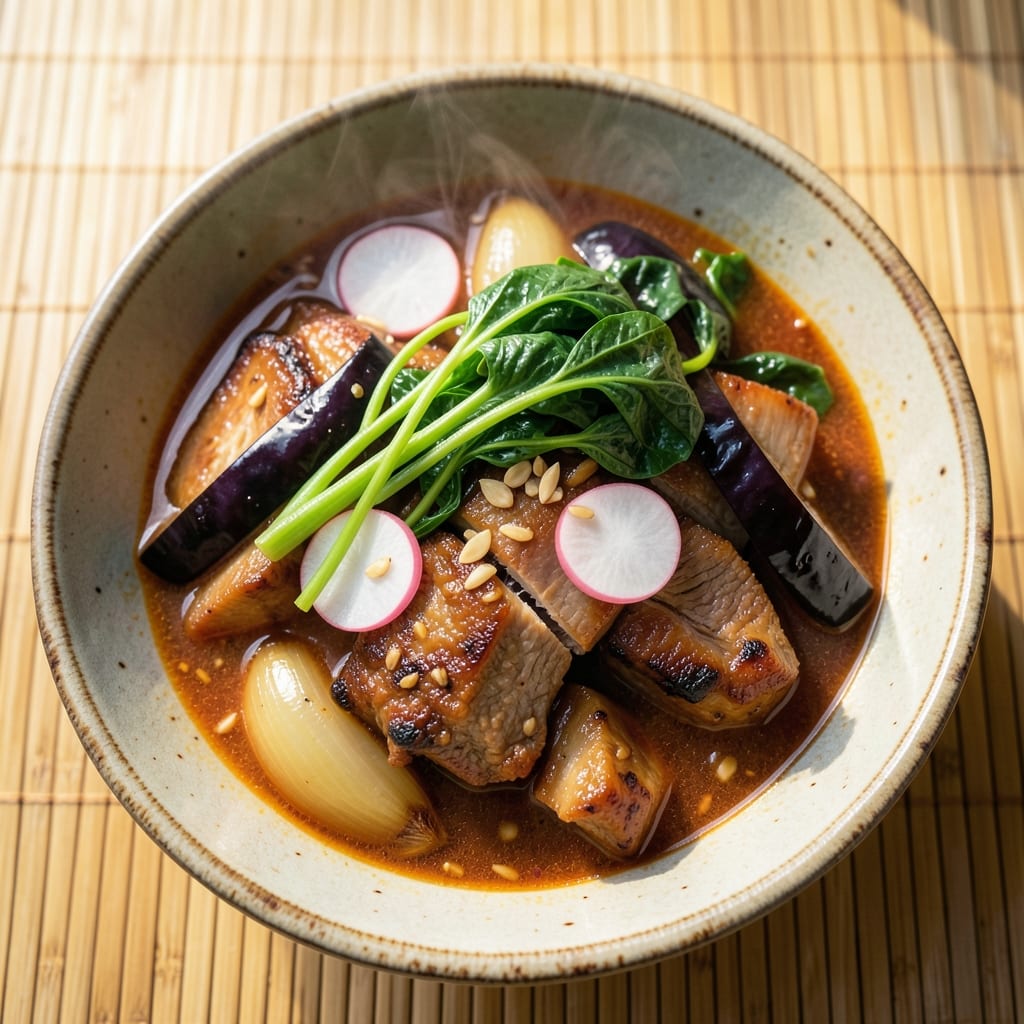
This Filipino pork sour soup recipe delivers the tangy, comforting essence of sinigang na baboy—where tender pork simmers in a vibrant broth that balances sour, salty, and umami flavors. 💛 As someone who’s spent years perfecting pork dishes, I’ve refined this recipe to ensure the meat stays silky while the broth develops depth through slow simmering and traditional souring agents like tamarind or vinegar.
The magic lies in layering flavors: pork belly and shoulder break down into melt-in-your-mouth pieces, while vegetables like radish, kangkong (water spinach), and eggplant absorb the tangy broth. Aromatics like ginger, garlic, and onions build a fragrant base, and a touch of fish sauce rounds out the complexity. This isn’t just a soup—it’s a hearty, restaurant-quality meal in a bowl.
What you’ll achieve is a dish that’s both nostalgic and refined—silky pork, vibrant greens, and a broth so balanced it’s addictive. The sourness cuts through the richness, while the pork’s natural sweetness shines through. Serve it with steamed rice and a side of tsokolate (Filipino hot chocolate) for the full experience.
Authentic techniques like proper souring and pork preparation make all the difference. Let’s bring this Filipino classic to your table—where every spoonful feels like a taste of home.
Ingredients for filipino pork sour soup
Pork belly and shoulder transform into silky cubes while aromatic vegetables and tangy vinegar create a vibrant, restaurant-worthy broth.
| Ingredient | Amount | Notes |
|---|---|---|
| Pork Belly 🥩 | 1 lb | Cut into 1-inch cubes |
| Pork Shoulder 🥩 | 1 lb | Cut into 1-inch cubes |
| Radishes 🥕 | 2 cups | Sliced into half-moons |
| Kangkong (Water Spinach) 🌿 | 1 bunch | Trimmed and rinsed |
| Eggplant 🍆 | 1 medium | Cut into 1-inch cubes |
| Yellow Onions 🧅 | 1 whole | Thinly sliced |
| Garlic Cloves 🧄 | 6 cloves | Minced |
| Fresh Ginger 🌿 | ½ inch | Mince or grate finely |
| Cane Vinegar 🍶 | ½ cup | Or substitute tamarind paste |
| Fish Sauce 🐟 | 2 tbsp | Red Boat preferred |
| Salt 🧂 | 1 ½ tsp | Diamond Crystal preferred |
| Black Peppercorns 🌶️ | ½ tsp | Freshly ground |
| Green Chili Peppers 🌶️ | 2 whole | Sliced thinly |
| Bay Leaves 🌿 | 2 whole | Dried |
| Sugar 🍚 | 1 tbsp | White granulated |
The pork cuts are non-negotiable—pork belly for marbling and pork shoulder for tenderness. Look for well-marbled cuts at Asian markets or your local butcher. If using pre-cut pork, check for freshness (bright color, no off-odors). The radishes should be firm and crisp, while kangkong should have vibrant green leaves. Eggplant should be heavy for its size, indicating moisture. Ginger and garlic from bulk bins at Whole Foods or Trader Joe's add more depth than pre-packaged versions.
No cane vinegar? Substitute tamarind paste (1 tbsp dissolved in 1/4 cup water) or white vinegar (use 1/4 cup). For fish sauce, Red Boat is ideal, but any reputable brand works. Fresh green chilis can be swapped for dried siling labuyo (1/2 tsp, crushed). The sugar balances sourness—brown sugar works too. If you prefer less heat, remove the chili seeds before slicing. For a quicker prep, use pre-sliced onions and garlic from the produce section, but fresh minced garlic always wins in flavor.
This soup tastes even better the next day as flavors meld. Store in an airtight container for up to 4 days in the fridge. For longer storage, freeze portions (without vegetables) for 3 months. Reheat gently on the stove, adding a splash of water if the broth thickens. The vegetables can be added back once warmed through. Double the recipe—it disappears fast when served with steamed rice.
Why You'll Love This Recipe
- One-Pot Magic: I swear by this—just toss everything in one pot, and the sour broth does all the work. No fancy layers, no stressing over timing. That tangy, savory base builds itself while you chop radishes and blanch kangkong.
- Pork Perfection: The pork belly stays ridiculously tender, almost melting in your mouth, while the shoulder adds hearty chunks. Between us, that first bite—where the crispy edge meets the creamy center—is why I make this every other week.
- Weeknight Workhorse: Honestly, it’s my go-to when I’m too tired to plan. Serve it with rice for dinner, pack leftovers for lunch, or even bring it to potlucks—no one will guess it’s this easy. The eggplant soaks up the broth like a sponge, making every bite satisfying.
- Budget-Friendly Powerhouse: Pork shoulder stretches farther than you’d think, and radishes/kangkong turn cheap ingredients into something special. I’ll be real: this soup costs me half what takeout does, but it feeds my family for days without tasting like a chore.
Step-by-step instructions for Filipino pork sour soup
Balancing rich pork with tangy vinegar and umami depth creates this soul-warming soup.
🔥 Step 1: Sear the Pork for Deep Flavor
Heat a large pot over medium-high heat and add the 1 lb pork belly and 1 lb pork shoulder cubes. Sear undisturbed for 5 minutes until the meat develops a deep golden crust. This caramelization forms the flavor foundation—don't rush this step or the soup will taste flat.
Once browned, add the 1 whole yellow onions and cook for another 3 minutes until softened. The onions should release their sweetness and mingle with the pork's caramelized crust. This aromatic base will infuse the entire soup with complexity. Keep the pork in the pot—we'll build the soup directly in this vessel.
🍳 Step 2: Build the Tangy Base
Add the 6 cloves minced garlic, 0.5 inch minced ginger, 2 whole bay leaves, and 2 whole sliced green chili peppers to the pot. Cook for 1 minute until fragrant—you should smell the garlic's sharpness mellow into sweetness and the ginger's zesty warmth.
Pour in the 0.5 cup cane vinegar and 2 tbsp fish sauce all at once. The mixture will bubble vigorously as the acidity begins breaking down the pork's proteins. Let this simmer for 5 minutes until the liquid reduces by half and the pork begins to soften. This is where the signature tang develops—don't skip this reduction or the soup will taste watery.
🥘 Step 3: Simmer Until Fork-Tender
Add 6 cups water (enough to cover the pork by 1 inch) along with the 1.5 tsp salt, 0.5 tsp black peppercorns, and 1 tbsp sugar. Bring to a boil, then reduce heat to low and cover partially. Simmer for 1.5 hours, checking occasionally to ensure the pork stays submerged and the liquid doesn't evaporate completely.
The pork is done when it's fork-tender—you should be able to pierce it easily with a fork and have the meat slide off cleanly. If the soup reduces too much before the pork is tender, add small amounts of hot water to maintain the proper consistency. The soup should have a silky, slightly thickened texture by the end of cooking.
👨🍳 Step 4: Add Vegetables for Fresh Contrast
Remove the pork from the pot and set aside. In the same broth, add the 2 cups sliced radishes, 1 medium cubed eggplant, and 1 bunch trimmed kangkong. Simmer for 5-7 minutes until the radishes are just tender and the eggplant begins to soften. The kangkong should wilt but retain its vibrant green color—overcooking will turn it mushy.
Return the pork to the pot and stir gently to combine. The vegetables should absorb the rich pork broth while maintaining their distinct textures. This contrast of tender meat with crisp radishes and wilted greens creates the perfect balance of flavors and mouthfeel in each spoonful.
🍽️ Step 5: Adjust and Serve Warm
Taste the soup and adjust seasoning if needed. You may need to add more fish sauce for umami depth or vinegar to enhance the tang. The soup should have a harmonious balance of sour, salty, and savory notes with the pork's richness.
Serve immediately in deep bowls, ensuring each serving contains generous portions of pork and vegetables. The soup's aroma will fill your kitchen with comforting warmth, and each bite should deliver tender pork, vibrant vegetables, and that signature tangy depth. Pair with steamed rice to soak up every last drop of flavorful broth.
Pro Tips For Making Filipino Pork Sour Soup
- Brown the Pork First: Don’t skip the deep sear—cook the pork belly and shoulder in batches over medium-high heat until the fat renders and the meat turns golden. I learned this the hard way: skipping this step leaves the broth cloudy and the pork bland. Use about 2 tablespoons of oil per batch, and resist the urge to rush it—let the meat develop that crust. ---
- Slice Radishes Thin: Cut the radishes into ¼-inch slices, not thick rounds. Thin slices soften faster and soak up the tangy broth better, giving you that perfect bite. I was skeptical until I tried it—now I double-check the thickness every time. ---
- Simmer, Don’t Boil: Once the broth starts, keep the heat low enough to see tiny bubbles at the edges, not a rolling boil. Boiling makes the pork tough and scatters the flavors. After burning three batches, I finally figured out that patience here guarantees a rich, velvety soup. ---
- Add Eggplant Last: Toss in the eggplant only in the final 5 minutes—it turns mushy fast. Sounds weird, but it works: the eggplant stays firm and absorbs the sour tang without falling apart. (Yes, even if you’re impatient like me.)
Best sauces and condiments for this recipe
Tamarind Paste Magic
For that authentic Filipino tang, tamarind paste is non-negotiable—it delivers a fruity depth that vinegar can't match. I dissolve 1 tbsp tamarind paste in ¼ cup warm water before adding it to the broth. The paste should be smooth, with no gritty bits. Look for 100% pure tamarind from Asian markets or specialty stores like H Mart. This paste adds complexity that transforms a simple soup into something truly special. 💫
Fish Sauce Elevation
Never underestimate the power of fish sauce in this dish. I reach for Red Boat because its clean, salty profile enhances the pork's umami without overpowering. Start with 2 tbsp, but taste as you go—you can always add more. For a vegetarian twist, substitute with soy sauce (use 1 tbsp for a similar salty depth) or vegetarian fish sauce alternatives like Veganamics. The key is balancing the tang with this savory element.
Spicy Chili Infusion
Fresh green chili peppers (like siling labuyo) add a bright, slightly sweet heat that complements the sourness. For extra kick, leave the seeds in, but for milder heat, remove them before slicing. If fresh chilies aren't available, dried siling labuyo works—just crush ½ tsp into the broth. I also add 1 tsp calamansi juice (if available) for a citrusy twist that brightens the entire dish. 🌶️
Umami Boosters
For an extra layer of depth, add 1 tsp oyster sauce or 1 tbsp shrimp paste (like bagoong isda) to the broth during the final 10 minutes of simmering. These ingredients add a briny, oceanic richness that mirrors traditional Filipino flavors. If you're using shrimp paste, bloom it in 1 tsp oil for 30 seconds before adding to the soup to mellow its intensity. Trust me, this small tweak makes a world of difference.
Sweet-Sour Balance
The 1 tbsp sugar in this recipe isn't just for sweetness—it rounds out the acidity and enhances the pork's natural sweetness. For a caramelized touch, I sometimes add ½ tsp brown sugar and let it cook down with the broth. If your vinegar or tamarind is particularly sharp, you might need an extra ½ tsp sugar to harmonize the flavors. The goal is a perfect equilibrium where no single note overpowers the others.
Nutrition facts
Frequently asked questions
Can I use regular white vinegar instead of cane vinegar?
Yes, but expect a slightly different flavor profile. Cane vinegar has a sweeter, more complex taste that complements the pork beautifully. If using white vinegar, reduce the amount to ¼ cup and add ½ tsp sugar to balance the sharper acidity. For authenticity, look for Filipino cane vinegar at Asian markets.
How do I make the pork extra tender?
Slow cooking is key! After searing, simmer the pork on low heat for the full 1.5 hours with the lid slightly ajar to let moisture escape. For even more tenderness, add 1 tbsp baking soda to the water when simmering—it breaks down collagen in the meat. Pro tip: Use a meat thermometer and remove pork when it reaches 205°F.
What vegetables can I substitute if I can't find kangkong?
Kangkong's mild, slightly bitter taste can be replaced with spinach, bok choy, or Swiss chard. For a more authentic texture, try long beans or string beans. Avoid mushy vegetables like zucchini—they'll turn to mush in the tangy broth. Add them 5 minutes before serving to preserve their texture.
Can I make this soup in an Instant Pot?
Sear the pork as directed, then add all broth ingredients except vegetables. Cook on high pressure for 45 minutes, then quick-release. Finish by adding vegetables and simmering for 5 minutes on sauté mode. The Instant Pot cuts cooking time by half while keeping the pork fork-tender. Just be careful with the vinegar—pressure cooking intensifies flavors!
Why does my soup taste too sour?
This usually happens when vinegar/tamarind isn't balanced with sweetness or salt. Add ½ tsp sugar or ½ tsp fish sauce at a time until the tang mellows. For a quick fix, stir in 1 tbsp tomato paste—it adds natural sweetness and depth. Remember, the broth should be sour, not vinegary—think of it as a bright contrast, not the main flavor.