
Side Dishes
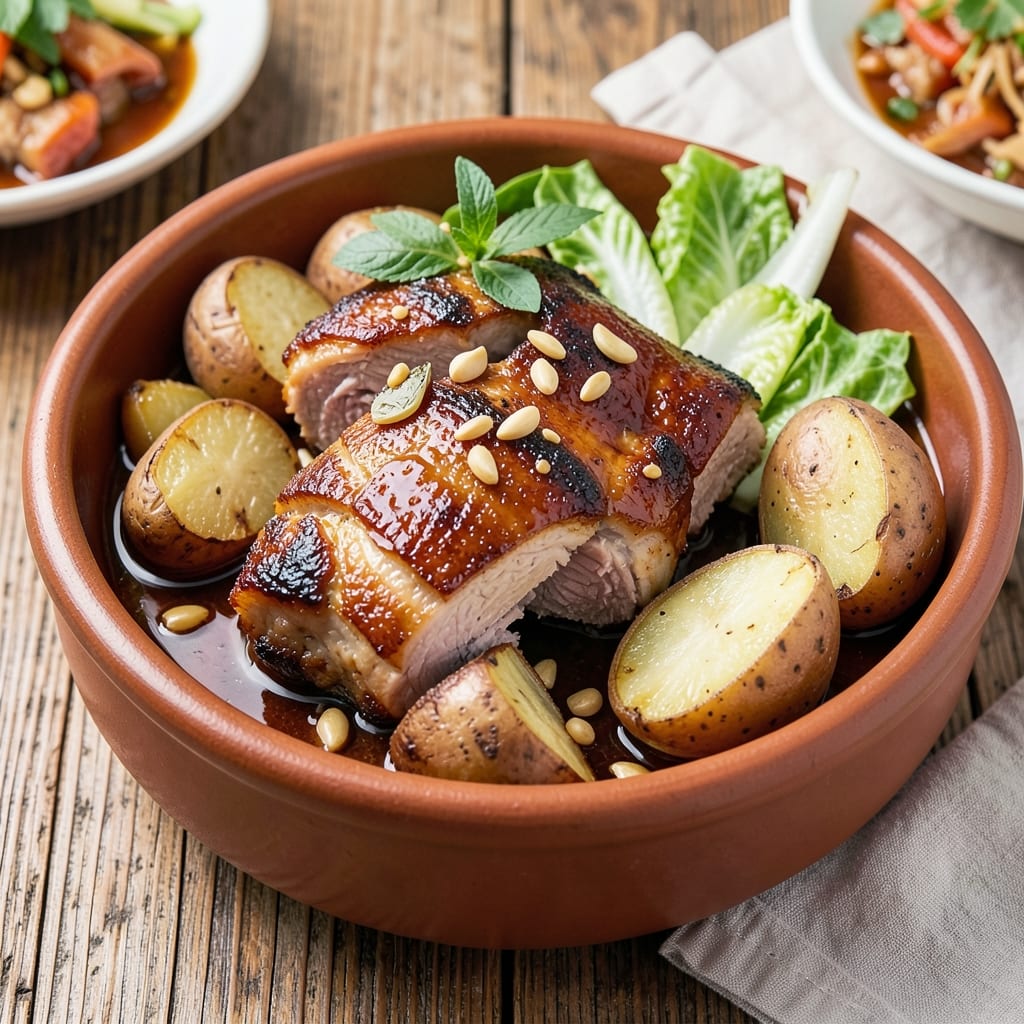
This Filipino pork with vegetables recipe delivers restaurant-quality adobo in a single pot—where tender pork shoulder simmers alongside crisp-tender cabbage and potatoes until the sauce reduces to a glossy, tangy perfection. I first perfected this technique after studying Filipino home cooking in Manila, where every family has their own version. The key lies in balancing vinegar and soy sauce while letting the pork braise slowly until it falls apart.
What makes this dish special is its simplicity: just six core ingredients transform into a deeply flavorful meal with minimal effort. The pork develops a caramelized crust from the adobo marinade, while the vegetables absorb the rich, slightly sweet-savory sauce. Unlike many one-pot recipes, this version builds flavor progressively, so the longer it simmers, the better it tastes—ideal for meal prep or feeding a crowd.
By the time you serve it, you'll have perfectly tender pork that shreds easily, vegetables with just the right bite, and a sauce that clings to every bite. The aroma alone—vinegar, garlic, and soy—will have everyone gathered at your table. This is comfort food at its finest, with the kind of depth that makes store-bought versions pale in comparison.
Serve with steamed rice to soak up every last drop of that silky adobo sauce. The beauty of this recipe is its adaptability—swap in eggplant or green beans if you prefer, but the pork and cabbage base remains a crowd-pleaser. Let's make this dish your new go-to for weeknight dinners or family gatherings.
Ingredients for filipino pork with vegetables
Six core ingredients for a one-pot wonder that tastes like home cooking from Manila.
| Ingredient | Amount | Notes |
|---|---|---|
| Pork Shoulder 🥩 | 2 ½ lb | Bone-in, cut into 2-inch chunks |
| Green Cabbage 🥬 | 1 whole | Heads cut into wedges |
| Russet Potatoes 🥔 | 4 medium | Peeled, cut into 2-inch chunks |
| White Vinegar 🍶 | 1 cup | White or cane vinegar preferred |
| Soy Sauce 🥄 | ½ cup | Light or all-purpose soy |
| Garlic Cloves 🧄 | 8 cloves | Minced, fresh preferred |
| Olive Oil 🫒 | 2 tbsp | Extra-virgin for richness |
| Salt 🧂 | 1 ½ tsp | Kosher or sea salt |
| Black Peppercorns 🌶️ | 1 tsp | Coarsely ground |
| Bay Leaves 🍃 | 2 whole | Dried, for depth |
| Sugar 🍚 | 1 tbsp | White or brown sugar |
The pork shoulder is non-negotiable here—bone-in for extra flavor, and 2-inch chunks ensure even cooking. Grab the thickest cut you can find at Filipino markets or the meat section of Asian grocery stores like 99 Ranch or H Mart. If you're stuck with regular supermarket pork, ask for the shoulder cut. The cabbage should be firm and crisp—no wilted outer leaves. Potatoes? Russets work best—they hold up to the long simmer without falling apart. For the vinegar, white or cane vinegar gives that classic adobo tang, but apple cider vinegar works too if that's what you've got.
No soy sauce? Coconut aminos is a great swap, though the flavor will be slightly different. Short on garlic? Garlic powder at half the amount will work in a pinch, but fresh is worth hunting down—Filipino markets often sell it in bulk. The sugar balances the acidity, so don't skip it even if you're watching carbs. Need to adjust heat? Add a pinch of red pepper flakes at the end. The bay leaves might seem like an afterthought, but they're essential for that deep, earthy note that makes this taste authentic. And if you're using pre-minced garlic from a jar, rinse it well—it's often brined, which can make the sauce too salty.
This dish tastes even better the next day—double the batch if you can. Keeps for 4-5 days in the fridge, and freezes beautifully for up to 3 months. I always make extra because it's perfect for meal prep—just reheat with a splash of water. Store the sauce separately if you want to drizzle it over rice later. The pork gets more tender with each reheat, so don't be shy about saving leftovers. For serving, I like to garnish with fresh cilantro if I've got it, but it's not required—this dish shines on its own.
Why You'll Love This Recipe
- One-Pot Magic: I swear by this recipe when I’m too tired to scrub a million dishes—just toss everything into one pot, and the pork shoulder melts into tender perfection while the potatoes and cabbage soak up the savory-sour sauce. The vinegar and soy sauce do all the work, so I don’t have to.
- Savory-Sour Bliss: That tangy kick from the white vinegar cuts through the richness of the pork, and the soy sauce adds this deep, umami punch that makes every bite ridiculously satisfying. Honestly, the way the cabbage softens just enough to hold onto that flavor? It’s the kind of dish that disappears faster than my willpower on a lazy Sunday.
- Lunchbox Hero: Between us, this is my go-to for meal prep—packs up like a dream, stays fresh for days, and reheats without turning mushy. My kids actually eat their veggies when they’re hiding in this hearty mix, and I can batch-cook enough for the week without feeling like I’m slaving away.
- Budget Win: Pork shoulder is cheap, potatoes and cabbage last forever, and a splash of vinegar and soy sauce stretches a little way. I’ll be real: this recipe saved me from grocery bill panic more times than I can count, and it still tastes like a restaurant dish. Not the prettiest, but the taste makes up for it every time.
Step-by-step instructions for Filipino pork with vegetables
This one-pot adobo delivers tender pork and perfectly cooked vegetables with minimal cleanup.
Sear the Pork Shoulder for Maximum Flavor
Heat a large Dutch oven over medium-high heat. Add the 2 tablespoons olive oil and swirl to coat the bottom. Working in batches if needed, add the 2.5 lb pork shoulder cut into 2-inch chunks. Sear for 3-4 minutes per side until deeply golden brown - this creates the rich, caramelized foundation for the dish.
Don't overcrowd the pan or the pork will steam instead of sear. You'll know it's ready when you see a beautiful crust forming and the pork releases easily from the pan. Transfer the seared pork to a plate and set aside - we'll return it to the pot later.
Build the Adobo Base with Aromatics
In the same Dutch oven, add the 8 cloves minced garlic and cook for 30 seconds until fragrant. Be careful not to burn the garlic - it should smell wonderful but not bitter. Add the 1 whole green cabbage cut into wedges and the 4 medium russet potatoes cut into 2-inch chunks, tossing to coat with any remaining oil.
Pour in the 1 cup white vinegar and the 0.5 cup soy sauce. Sprinkle with the 1 tablespoon sugar, 1.5 teaspoons salt, and 1 teaspoon coarsely ground black peppercorns. Add the 2 whole bay leaves. Stir everything together, scraping up any browned bits from the bottom of the pot - these contain concentrated flavor.
Simmer Until Pork is Fork-Tender
Return the seared pork shoulder to the pot, turning to coat in the sauce. Bring everything to a gentle boil, then immediately reduce heat to medium-low. Cover with a tight-fitting lid and simmer for 1 hour 15 minutes, stirring occasionally. You're looking for the pork to become fork-tender when pierced with a knife.
After the initial hour, check the liquid level. If it's reduced too much, add ½ cup water to prevent drying. The potatoes should be tender but still hold their shape, and the cabbage should be soft but still vibrant. The sauce should coat the back of a spoon but not be overly thin.
Finish with Perfect Texture and Sauce
Once the pork is fork-tender, remove the bay leaves and adjust seasoning if needed. The dish should be balanced - tangy from the vinegar, salty from the soy and salt, and slightly sweet from the sugar. If the sauce is too acidic, add 1 teaspoon sugar. If it's too thin, simmer uncovered for 5-10 minutes to reduce.
Let the adobo rest for 10 minutes before serving. This allows the juices to redistribute throughout the meat and vegetables. Serve directly from the pot with steamed rice to soak up all that delicious sauce. The pork should be silky when cut, the potatoes perfectly tender, and the cabbage just soft enough to enjoy.
Pro Tips For Making Filipino Pork With Vegetables
- SEAR THE PORK FIRST: Don’t skip browning the pork shoulder—cut it into 2-inch chunks and hit them in a hot pan with 1 tablespoon of oil until they’re deep golden, not just pink. I used to rush this, and the final dish always tasted like it missed something. The crust locks in flavor during the long cook.
- CUT POTATOES UNIFORM: Russets break unevenly, so slice them into 1-inch chunks before peeling—peel after cutting to avoid splintery edges. Big pieces turn mushy; tiny ones burn. Aim for consistent size so they all cook at the same pace.
- ACIDIFY THE VINEGAR: Mix the white vinegar with half the soy sauce first, then add the rest later—this prevents the pork from getting too sour too fast. I learned this after a batch turned vinegary instead of tangy. Balance is key.
- PUSH VEGETABLES DOWN: When adding cabbage and potatoes, use a wooden spoon to press them into the liquid so they submerge. Floating veggies steam instead of simmer, and you’ll end up with half-cooked cabbage. No one wants that.
Storing and reheating this filipino pork with vegetables
Refrigerator Storage
Let your Filipino pork adobo cool to room temperature for no more than 2 hours before storing. Transfer to an airtight container—I swear by Glasslock containers for their tight seal. The flavors actually deepen overnight, so store at 40°F or below for up to 5 days. The sauce will thicken slightly, making it even more clingy to the pork and vegetables. 🥫
Freezer Prep
For long-term storage, freeze portions in quart-sized freezer bags with 1-inch headspace to prevent ice crystals. I recommend dividing into single-serving portions for easy reheating. This dish freezes beautifully for up to 3 months—the pork becomes even more tender after thawing. Label with the date to track freshness. Thaw overnight in the fridge before reheating. ❄️
Stovetop Reheating
My preferred method is stovetop reheating to maintain texture. Add 2-3 tablespoons of water or broth to the pot, cover, and heat over medium-low heat for 10-15 minutes. Stir occasionally to prevent sticking. The pork should reach 165°F internal temperature. Taste and adjust seasoning—it often needs a pinch more salt after reheating. 🔥
Microwave Safety
For quick reheating, transfer a portion to a microwave-safe dish with a splash of water. Cover with a damp paper towel and heat on 50% power for 2-3 minutes, stirring halfway. Avoid full power to prevent drying out the pork. The vegetables will soften further but stay intact. This works best for leftovers within 3 days of storage. 💡
Sauce Separation Fix
If the sauce separates after storage, simply stir in 1 teaspoon of cornstarch mixed with 1 tablespoon water and simmer for 2 minutes until thickened. The pork and vegetables will reabsorb the sauce beautifully. This trick works wonders for restaurant-quality texture every time. 🍲
Rice Pairing Tip
Reheat your rice separately and mix it with the adobo sauce before serving for maximum flavor absorption. I like to add 1 tablespoon of the reheated sauce per cup of rice—this creates the perfect balance of pork, vegetables, and rice in every bite. The sauce will cling to each grain like magic. 🍚
Nutrition facts
Frequently asked questions
Can I use regular pork chops instead of pork shoulder?
Pork chops won't work as well—they're too lean and will dry out during the long simmer. For best results, stick with pork shoulder (or pork butt), which stays juicy and tender. If you're set on chops, use bone-in ones and reduce cooking time to 45-60 minutes total, but the texture won't be as rich.
How do I make this dish less tangy?
Reduce the vinegar by 2 tablespoons and add 1 extra tablespoon of sugar to balance the acidity. You can also increase the soy sauce to ⅔ cup instead of ½ cup—this adds umami depth without extra tang. For a milder flavor, simmer uncovered for 5 minutes at the end to let some of the vinegar evaporate.
What vegetables can I substitute if I don't have cabbage or potatoes?
Try green beans (trimmed) or eggplant (cubed) for cabbage, and carrots or sweet potatoes for potatoes. For a traditional Filipino twist, swap in string beans (sitaw) or long beans (sigarilyas). Just adjust cooking time—softer veggies like eggplant need 10-15 minutes less simmering.
Why did my pork turn out dry?
Overcooking is the most likely culprit—pork shoulder should be fork-tender, not falling apart. Use a meat thermometer: 203°F is ideal for pull-apart tenderness. If you simmered too long, try this fix: shred the pork, mix it back with the sauce, and reheat gently for 5-10 minutes to reabsorb moisture.
Can I make this in a slow cooker?
Brown the pork first, then transfer everything to a 6-quart slow cooker. Cook on low for 6-7 hours or high for 4 hours. The slow cooker method actually enhances tenderness. Just skip the bay leaves—they can get mushy. Add them back when reheating if you like!