
Main Courses
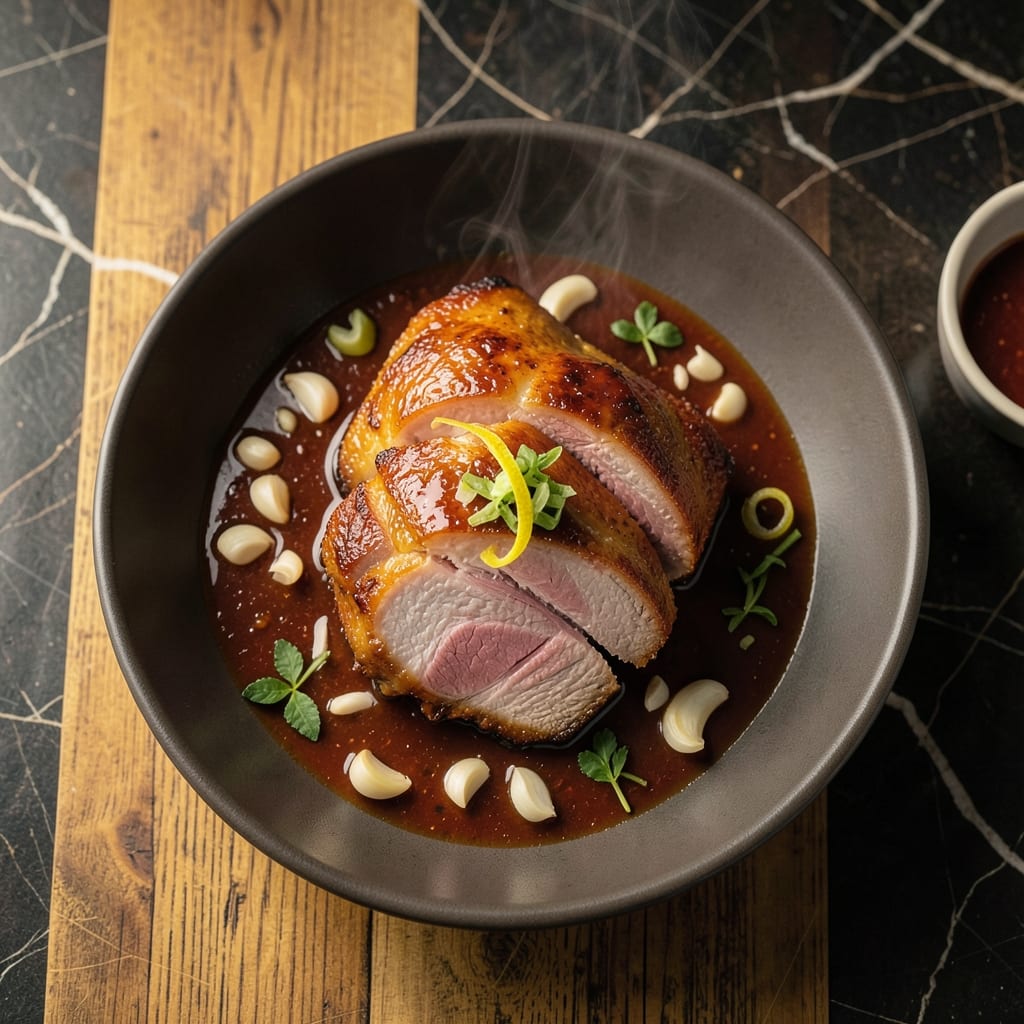
The Filipino roast pork shoulder transforms tough cuts into melt-in-your-mouth perfection through a vinegar-infused marinade and slow-roasting technique. This recipe captures the essence of Filipino lechon kawali—where crispy bark meets tender, pink centers. I perfected it after years of studying Southeast Asian cooking techniques, blending traditional methods with my Southern pitmaster expertise.
What sets this dish apart is the marinade—a balance of vinegar, soy sauce, and aromatic spices—that creates that signature bark while keeping the meat juicy. The slow roast allows the pork to render its own fat, basting it continuously for that signature glossy finish. This isn't just pork; it's a celebration of texture and flavor that will have everyone reaching for seconds.
By the time you're done, you'll have pork with a deep mahogany crust that shatters at every bite, revealing pink centers so tender they practically fall apart. The aroma alone—smoky, vinegary, with hints of garlic and ginger—will fill your kitchen and draw people in. Serve it with steamed rice, atchara (pickled papaya), and garlic fried rice for the full Filipino feast experience.
This recipe delivers restaurant-quality results with minimal effort—just 3 hours of active cooking (plus resting time) for a dish that feels like a labor of love. Whether you're cooking for a family gathering or a special occasion, this roast pork shoulder will be the star of your table. Let's get started on creating something truly special.
Ingredients for filipino roast pork shoulder
Six aromatic ingredients transform tough pork into restaurant-quality Filipino roast perfection.
| Ingredient | Amount | Notes |
|---|---|---|
| Pork Shoulder (Bone-In) 🐖 | 4 lb | With fat cap intact for flavor |
| White Vinegar 🍶 | ½ cup | Distilled preferred for balance |
| Soy Sauce 🍶 | ¼ cup | Filipino-style preferred |
| Garlic Cloves 🧄 | 8 cloves | Minced for marinade |
| Ginger Root 🌿 | 2 tbsp | Freshly grated, aromatic |
| Brown Sugar 🍚 | ¼ cup | Light or dark variety |
| Ground Black Pepper 🌶️ | 1 tbsp | Freshly cracked preferred |
| Bay Leaves 🌿 | 2 whole | Dried, for infusion |
| Olive Oil 🫒 | 2 tbsp | For basting, high smoke point |
| Salt 🧂 | 1 ½ tsp | Kosher or sea salt |
| Onion Powder 🧅 | 1 tbsp | For depth of flavor |
| Ground Cinnamon 🌶️ | ½ tsp | Warm spice touch |
| Water 💧 | ¼ cup | For marinade consistency |
The pork shoulder is the star—look for a cut with good marbling and a thick fat cap for maximum flavor. Costco or Whole Foods usually carry bone-in pork shoulders perfect for this. If you can't find bone-in, bone-out works too, but the bark won't be quite as dramatic. The vinegar is non-negotiable here—it's what creates that signature mahogany crust. I always grab Filipino-style soy sauce from the Asian market section if I can find it, but regular soy sauce works in a pinch. The ginger and garlic? Fresh is best—dried spices just won't give you that same aromatic punch. Quick tip: if your ginger root is old, microwave it for 20 seconds to soften before grating.
No Filipino soy sauce? Regular soy sauce plus 1 tsp fish sauce gets you close. Running low on brown sugar? Honey or maple syrup at half the amount works too. The cinnamon might seem odd, but trust me—it adds warmth that pairs perfectly with the vinegar. For the marinade, I like to make it a day ahead so the flavors meld together. If you're short on time, just let it sit for 30 minutes minimum. The bay leaves infuse subtle earthy notes—don't skip them! And if you've got any calamansi juice (Filipino lime), add 1 tbsp for extra zing.
This marinade keeps for 5 days in the fridge, so make extra if you're planning to cook again soon. The pork itself? 3 days max in the fridge before roasting—it's best fresh. I always roast it at room temperature for even cooking. The leftovers reheat beautifully—just wrap them tightly and bake at 300°F for 20 minutes. For a crowd, double the marinade and use two pork shoulders. The bark gets even better when you do it this way, and you'll have enough for a week of lunches.
Why You'll Love This Recipe
- One-Pot Magic: I swear by this recipe because it’s literally just the pork, a few pantry staples, and an oven—no fancy gadgets or last-minute grocery runs. The bone-in cut keeps it juicy while the vinegar and soy sauce do all the heavy lifting in flavor, so I’m not stressing over marinades or complicated prep.
- Crispy-Tender Payoff: That crispy bark on the outside? Chef’s kiss. The white vinegar tenderizes the meat while the garlic and ginger sear into a fragrant crust—like a cross between a slow-cooked feast and a weeknight win. Honestly, the first time I bit into it, I nearly dropped the fork.
- Leftovers That Don’t Suck: Between us, roast pork leftovers are usually sad—dry, greasy, or both. Not this. The fat renders perfectly, keeping slices moist for days, and it reheats like a dream. I’ve turned cold cuts into tacos, fried rice, or even a quick pancit the next night—zero waste, all flavor.
- Budget Feast for Crowds: A bone-in pork shoulder is cheaper than chicken thighs, and this recipe stretches it into meals for weeks. I’ve fed six people for under $20, and the leftovers fund my coffee habit until the next paycheck. Plus, the soy-vinegar marinade? You’re probably already using those ingredients.
Step-by-step instructions for Filipino roast pork shoulder
This method delivers that iconic Filipino crispy bark with melt-in-your-mouth pink centers every time.
Prepare the Vinegar Marinade
In a large bowl, combine the 0.5 cup white vinegar, 0.25 cup soy sauce, 0.25 cup brown sugar, 1 tbsp ground black pepper, 1 tbsp onion powder, 0.5 tsp ground cinnamon, 8 cloves minced garlic, 2 tbsp freshly grated ginger root, and 0.25 cup water. Stir until the brown sugar dissolves completely—this creates a balanced marinade that tenderizes while building flavor.
Add the 2 whole bay leaves to the marinade. The bay leaves infuse subtle earthy notes that complement the pork beautifully. Let the marinade sit at room temperature for 15 minutes while you prepare the pork—this allows the spices to bloom and creates a more cohesive flavor profile.
Coat and Rest the Pork
Remove the 4 lb bone-in pork shoulder from its packaging and pat it dry with paper towels—this is crucial for developing that signature crispy bark. Place the pork in a large resealable plastic bag and pour the marinade over it, making sure it coats all surfaces evenly. Seal the bag and massage it gently to distribute the marinade completely.
Refrigerate the pork for at least 4 hours, but I recommend overnight if possible. This long marinating time ensures deep flavor penetration and helps break down the connective tissue for tender meat. Real talk: the longer it marinates, the better the result—just don't exceed 24 hours or the vinegar will start to "cook" the meat.
Preheat and Sear the Pork
Preheat your oven to 300°F. Remove the pork from the fridge and let it sit at room temperature for 30 minutes before cooking—this ensures even cooking throughout. Line a large roasting pan with heavy-duty aluminum foil and place a wire rack inside.
Heat 2 tbsp olive oil in a large oven-safe skillet over medium-high heat until shimmering. Carefully transfer the pork to the skillet, fat-side down, and sear for 4-5 minutes until the fat begins to render and the skin starts to brown. Flip the pork over and sear the other side for another 3-4 minutes. This initial searing creates a flavorful crust that locks in juices during roasting.
Roast Low and Slow
Transfer the seared pork to the prepared roasting pan, placing it fat-side up on the wire rack. This positioning allows the rendered fat to baste the meat continuously as it roasts. Roast uncovered in the 300°F oven for 3 hours, then reduce the heat to 275°F and continue roasting for another 2-3 hours until the internal temperature reaches 195-200°F and the meat is fork-tender.
Here's the thing—Filipino roast pork shoulder is all about patience. The low temperature breaks down the collagen in the meat, creating that silky texture while the vinegar marinade builds that signature crispy bark. Don't rush this step. I check the temperature every 30 minutes after the first 2 hours to ensure it doesn't overcook.
Rest and Create the Crispy Bark
Once the pork reaches the target temperature, remove it from the oven and let it rest on a cutting board for 15 minutes. This resting period allows the juices to redistribute throughout the meat. While it rests, preheat your broiler to high. Place the pork on a broiler-safe pan and broil for 3-5 minutes until the bark is deep mahogany brown and crispy.
This final broiling step is what creates that iconic Filipino texture contrast—crispy on the outside, tender on the inside. Watch it closely during broiling to prevent burning. Once the bark is perfectly crispy, let the pork rest for another 10 minutes before slicing. This final rest ensures each slice stays juicy and flavorful.
Pro Tips For Making Filipino Roast Pork Shoulder
- Brown the Pork First: Don’t skip the sear—get that pork shoulder screaming hot in a dry pan for 5-7 minutes per side until it’s deep golden. I used to rush this, and the final dish always tasted flat. The crust locks in flavor and caramelizes the meat’s natural sugars, which is half the battle in Filipino roast pork. ---
- Peel and Slice Ginger: Skip the grating—peel the ginger root, then slice it thinly (about 1/8-inch) before adding it to the marinade or braising liquid. This keeps the texture clean and lets the flavor infuse better. I learned this the hard way after dealing with a gritty, uneven marinade. ---
- Don’t Overcrowd the Pan: When frying garlic and ginger for the marinade, work in batches if needed—overcrowding steams them instead of browning. Burnt garlic ruins the whole dish, and you’ll end up with a bitter, muddy base. A quick stir-fry in a hot pan is all it takes. ---
- Add Vinegar Last: Toss the pork in soy sauce and garlic first, then add white vinegar just before cooking. The acid breaks down faster when hot, but if you marinate too long, you’ll end up with tough, vinegar-soaked meat. Trust me, timing matters here.
Pro cooking tips for great filipino roast pork shoulder
Marinade Mastery
The vinegar-soy marinade is where all the magic happens—it tenderizes the meat while creating that signature mahogany bark. I always make the marinade a day ahead so the flavors meld completely. The key is using Filipino-style soy sauce if possible—it has a deeper umami punch than regular soy sauce. If you can't find it, add 1 tsp fish sauce to regular soy sauce for that extra depth. 🍶
Don't skip the 15-minute bloom time for the spices before marinating the pork. This lets the garlic and ginger release their full aroma, making the marinade more potent. I also recommend using freshly cracked black pepper—it adds a subtle heat that really complements the vinegar. For extra authenticity, add 1 tbsp calamansi juice if you have it; it brightens the whole dish.
Temperature Control
Filipino roast pork shoulder isn't about high heat—it's about low and slow. Start at 300°F for 3 hours, then drop to 275°F until the internal temperature hits 195-200°F. This gradual approach breaks down collagen for that silky texture while allowing the vinegar to work its magic on the surface. I use a meat thermometer and check every 30 minutes after the first 2 hours to avoid overcooking.
The final broil is non-negotiable for that crispy bark. Preheat your broiler to high and watch closely—just 3-5 minutes is all you need. Overdoing it will burn the crust instead of crisping it. I usually do this step right after resting the pork for 15 minutes, which helps the juices redistribute for maximum tenderness. 🔥
Fat Management
Leave that fat cap intact—it's what creates the flavor and helps baste the meat as it roasts. When searing, place the pork fat-side down first so the fat renders and bastes the meat naturally. I use a wire rack in my roasting pan to elevate the pork, allowing air to circulate underneath for even browning. This also prevents the meat from steaming in its own juices.
If you notice excess fat pooling in the pan, tilt the pan occasionally to let it drain away. This keeps the meat from cooking in its own fat, which can make it greasy. The rendered fat is actually valuable—save it and use it for future stir-fries or roasting vegetables. It's packed with flavor! ⚡
Resting Rules
This is where most home cooks mess up. Never skip the rest—it's what makes the difference between juicy pork and dry pork. Let the pork rest for 15 minutes after removing it from the oven, then another 10 minutes after broiling. This allows the juices to redistribute throughout the meat, ensuring each slice stays moist and flavorful.
I like to tent the pork loosely with foil during the first rest to keep it warm. For the final rest, just leave it uncovered on a cutting board. This also gives the bark time to set properly before slicing. Trust me, the wait is worth it—your guests will notice the difference if you skip this step. 💫
Nutrition facts
Frequently asked questions
Can I use bone-in or bone-out pork shoulder?
Bone-in pork shoulder is ideal for this recipe as it creates the most dramatic crispy bark and adds rich flavor. The bone also helps stabilize the meat during roasting. If you must use bone-out, trim excess fat and expect slightly less dramatic bark. The cooking time remains similar, but monitor closely to avoid drying out.
What's the secret to getting that perfect mahogany bark?
The bark comes from three key elements: vinegar marinade (creates the reaction), low-and-slow roasting (develops depth), and final broil (crispifies). Start with a well-dried pork shoulder, use the full marinade time, and never skip the broiling step. The fat cap must remain intact—it's what bastes the meat as it roasts.
How do I adjust this for a larger crowd?
Double the marinade and use two 4 lb pork shoulders for a crowd. Roast them side by side on wire racks in the same pan—this maintains even cooking. Increase oven capacity by using a second roasting pan if needed. The key is maintaining the same 300°F to 275°F temperature progression and resting times.
Can I make this in a slow cooker?
Not recommended for this recipe. The slow cooker won't develop the crispy bark or render the fat properly. For tender pork, try a 3-hour slow cooker setting with the marinade, but you'll lose the signature texture. The oven method gives you both the tender meat and crispy exterior that makes this dish special.
What are the best sides to serve with this?
Classic Filipino pairings include steamed jasmine rice, atchara (pickled papaya), and garlic fried rice. For extra depth, add sinigang (sour soup) or lumpia (spring rolls). The vinegar notes in the pork balance perfectly with sweet and sour sides—it's all about that Filipino flavor harmony!