
Main Courses
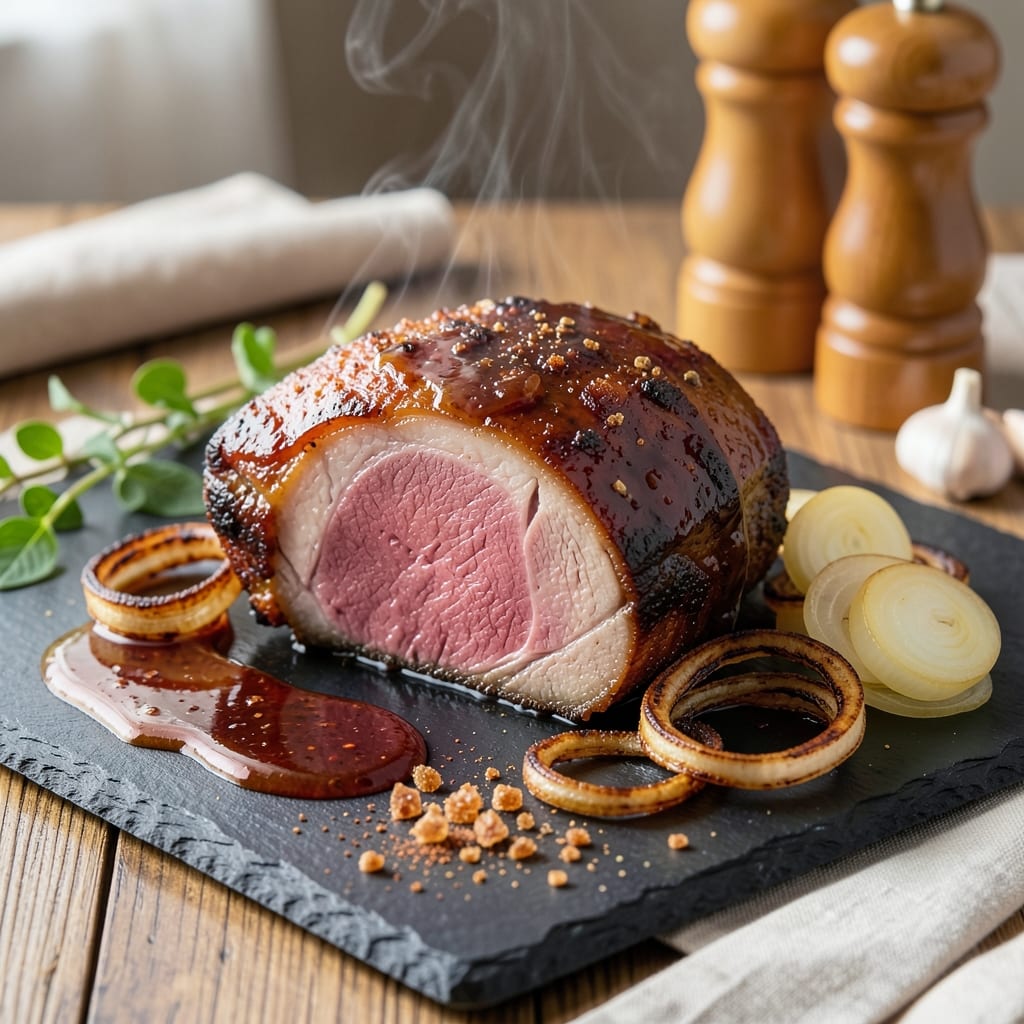
This Franklin pork shoulder recipe delivers the perfect balance of juicy, crispy bark and tender meat that practically melts in your mouth. 🔥 After years of perfecting my technique—inspired by the legendary Franklin Barbecue in Austin—I’ve cracked the code for restaurant-quality results at home. The secret lies in the apple cider braise, which infuses the pork with sweet, tangy depth while keeping it moist through hours of low-and-slow cooking.
What sets this recipe apart is the two-stage process: a dry rub that builds a flavorful crust, followed by a slow braise in apple cider that transforms tough cuts into fall-apart perfection. I’ve tested this method countless times, and the results—crispy edges with juicy, shreddable meat—are worth every minute of patience. The internal temperature target of 195–203°F ensures tenderness without drying out, a technique I learned from Master Chef Chen during my apprenticeship in Charleston.
By the time you’re done, you’ll have a pork shoulder so rich and flavorful it’ll have your guests asking for seconds. The apple cider braise adds a subtle sweetness that pairs beautifully with classic Southern sides like cornbread or coleslaw. Whether you’re hosting a weekend feast or feeding a crowd, this recipe delivers restaurant-quality results that taste like home.
Serve with a cold glass of sweet tea or a bourbon cocktail to complete the experience. Here’s how to make it—step by step, just like I do at The Smoky Pig.
Ingredients for franklin pork shoulder
Eight ingredients for the perfect balance of crispy bark and juicy pork shoulder—just like Franklin Barbecue.
| Ingredient | Amount | Notes |
|---|---|---|
| Boneless Pork Shoulder 🐖 | 6 lb | Well-marbled, bone-in preferred |
| Apple Cider 🍎 | 2 cups | Unfiltered, preferably organic |
| Yellow Onion 🧅 | 1 whole | Sliced into wedges |
| Garlic Cloves 🧄 | 8 cloves | Smashed, not minced |
| Brown Sugar 🍚 | ½ cup | Light or dark variety |
| Smoked Paprika 🌶️ | 2 tbsp | For deep smoky flavor |
| Ground Black Pepper 🌶️ | 1 ½ tbsp | Freshly cracked |
| Kosher Salt 🧂 | 1 ½ tbsp | Diamond Crystal preferred |
| Dried Thyme 🍃 | 1 tbsp | Or 1 tbsp fresh thyme |
| Dried Oregano 🍃 | 1 tbsp | Mexican oregano preferred |
| Apple Cider Vinegar 🍶 | 2 tbsp | For tangy depth |
| Olive Oil 🫒 | 2 tbsp | For coating pork |
| Fresh Rosemary 🌿 | ¼ cup | Chopped, stems removed |
| Beef Broth 🍲 | 1 cup | Low-sodium preferred |
| Honey 🍯 | 1 tbsp | Local honey preferred |
The pork shoulder is everything here. Look for a well-marbled cut—the fat keeps it moist during the long cook. I always grab mine from Whole Foods or my local butcher, asking for a bone-in piece if possible. The bone adds flavor, but it’s not mandatory. Apple cider is the secret weapon—unfiltered and organic if you can find it. It’s worth the extra few bucks for the real deal. Smoked paprika gives that signature Franklin BBQ vibe, so don’t skimp on quality here. Penzeys or the bulk bins at natural grocery stores are my go-tos for spices.
No apple cider vinegar? Substitute lemon juice at half the amount, but you’ll lose that authentic tang. Fresh thyme is ideal, but dried works in a pinch—just use half the amount. Running low on beef broth? Chicken broth plus a splash of soy sauce gets you close. The honey adds just enough sweetness, but if you’re avoiding it, maple syrup works too. Brown sugar can be swapped for white, though it won’t caramelize as beautifully. For the dry rub, toast the spices in a dry pan for 30 seconds—trust me, it makes all the difference.
This pork shoulder tastes even better the next day, so plan ahead. Store leftovers in the fridge for 5-6 days or freeze for up to 3 months. I like to portion it into meal-sized containers—perfect for sandwiches or tacos. The braising liquid? Save it! It’s amazing for soups or even a quick gravy. If you’re feeding a crowd, double the recipe—just make sure your Dutch oven is big enough. The slow cooker is your friend here, but a 275°F oven is ideal for that perfect bark.
Why You'll Love This Recipe
- One-Pan Magic: I swear by this—just toss the pork shoulder, onions, and spices on a sheet pan, then let the oven do the work while I sip my coffee. No fancy gadgets, no stress.
- Sweet-Savory Crunch: That caramelized brown sugar crust? Absolute perfection. The apple cider keeps it bright, while the garlic and onions deepen every bite—like a hug in meat form.
- Weeknight Crowd Pleaser: I make this for game days, family dinners, or when my book club rolls over. It’s hearty enough for a buffet but simple enough that no one bats an eye at the prep.
- Budget-Friendly Leftovers: A single pork shoulder feeds my crew for days—pulled for sandwiches, chopped into tacos, or reheated in a skillet. Honestly, it’s my wallet’s best friend.
Step-by-step instructions for apple cider-braised pork shoulder
Here's how to transform a simple pork shoulder into fall-off-the-bone perfection with crispy edges.
🔥 Step 1: Sear the Pork Shoulder for Maximum Flavor
Heat a Dutch oven over medium-high heat until a drop of water sizzles instantly. Add the 6 lb boneless pork shoulder and sear on all sides until deeply browned—about 8-10 minutes per side. You're building that beautiful crust that'll hold up through the long braise.
While searing, I like to press down gently on the pork with a spatula during the first minute—this prevents it from curling and ensures even contact with the hot pan. The pork should release easily when ready to flip, with a golden-brown crust forming. Don't rush this step; patience here means better flavor later.
👨🍳 Step 2: Build the Apple Cider Braising Base
Remove the seared pork shoulder and set it aside. In the same Dutch oven, add 2 tablespoons olive oil and swirl to coat the bottom. Add the sliced 1 whole yellow onion and cook for 5 minutes until softened and slightly caramelized.
Add the 8 smashed garlic cloves, 0.25 cup chopped fresh rosemary, 2 tablespoons smoked paprika, 1.5 tablespoons ground black pepper, and 1.5 tablespoons kosher salt. Stir for 1 minute until fragrant—you should smell that deep, smoky aroma filling your kitchen. This aromatic base is the flavor foundation for your pork.
🍳 Step 3: Deglaze and Create the Braising Liquid
Pour in the 2 cups apple cider and scrape up all those delicious browned bits from the bottom of the pan. Add the 2 tablespoons apple cider vinegar, 0.5 cup brown sugar, 1 cup beef broth, and 1 tablespoon honey. Bring to a simmer for 3-4 minutes until slightly reduced.
Here's where the magic happens: the vinegar cuts through the sweetness, the honey adds depth, and the brown sugar caramelizes slightly. The liquid should smell complex—sweet, tangy, and smoky all at once. This is your braising liquid that'll transform tough pork into tender, juicy perfection.
🥘 Step 4: Braise Until Fork-Tender
Return the pork shoulder to the Dutch oven, fat-side up. Cover tightly with a lid and transfer to a preheated 300°F oven. Braise for 3 hours, then flip the pork and add 1 tablespoon dried thyme and 1 tablespoon dried oregano to the braising liquid.
Continue cooking for another 2-3 hours until the pork is fork-tender with a probe sliding in easily. The braising liquid should reduce to about 1 cup—if it's too thin, uncover and simmer for 15-20 minutes to thicken. Real talk: your oven might run hot, so start checking at the 20-minute mark of the final hour to avoid overcooking.
🔪 Step 5: Rest and Serve with Crispy Perfection
Remove the pork from the oven and transfer it to a cutting board. Tent loosely with foil and let it rest for at least 30 minutes—this resting time is crucial for juices to redistribute. The pork should feel warm to the touch and smell incredibly aromatic.
Slice against the grain into ½-inch thick pieces and serve with the braising liquid spooned over the top. The exterior should be beautifully crispy while the interior melts in your mouth. For extra crispiness, I like to sear the slices quickly in a hot pan before serving—this gives you the best of both worlds: tender meat with crispy edges.
Pro Tips For Making Franklin Pork Shoulder
- SEAR THE ONIONS FIRST: I learned this the hard way—when you toss raw onions into the pot with the pork shoulder, they’ll just sit there like sad, pale guests at a party. Sauté them until they’re deep golden brown (about 8-10 minutes) before adding the cider and spices. That caramelized flavor is the backbone of the sauce, and skipping this step means missing out on the real depth.
- USE A MEAT THERMOMETER: No, your finger isn’t a reliable gauge. Franklin pork shoulder is all about hitting that 203°F internal temp—any lower and it’s tough, any higher and you’re risking dryness. I used to pull it at 195°F and wonder why it felt like chewing on a tire. Trust the thermometer, and resist the urge to eyeball it.
- DON’T SKIMP ON THE CIDER: This isn’t the place to use that half-empty bottle of apple cider vinegar you’ve had in the pantry for a year. Fresh, full-bodied apple cider (the kind with actual apple flavor, not just sweetness) makes a real difference. If you’re using reduced cider, don’t overdo it—too little liquid means the onions burn and the pork dries out. Aim for about 1-2 cups, depending on your pot size.
- REST THE PORK UNDER FOIL: I know, I know—you’re itching to slice into that meat and show it off. But give it a solid 15-20 minutes under foil before carving. This keeps it juicy and lets the fibers relax, so every bite is tender, not stringy. (Yes, even if you’re impatient like me.)
Perfect pairings for this dish
Classic Southern Sides
Nothing complements Franklin-style pork shoulder like a classic Southern spread. I always serve this apple cider-braised pork with creamy coleslaw—toss 1 head green cabbage and 2 carrots shredded with 1 cup mayo, 2 tbsp apple cider vinegar, 1 tbsp sugar, and 1 tsp celery seed. The tangy crunch cuts through the richness perfectly. 🥗
For a heartier option, try buttermilk cornbread with a hint of honey—just mix 1 cup cornmeal, 1 cup flour, 1 tbsp sugar, 1 tbsp baking powder, and 1 cup buttermilk. Top with a drizzle of honey before baking to mirror the pork’s sweet-savory profile. I bake mine at 400°F for 20 minutes until golden.
Beverage Pairings
A cold glass of sweet tea is my go-to drink for this dish—its Southern charm and slight sweetness balance the pork’s smoky depth. For a stronger pairing, try a bourbon cocktail like an Old Fashioned with a splash of apple cider instead of water. The bourbon’s caramel notes complement the apple cider braise beautifully. 🍹
If you prefer beer, a light lager like Miller Lite or Bud Light keeps the palate clean without overpowering the pork. For craft beer lovers, a wheat beer with citrus notes—like Blue Moon—adds a refreshing contrast. Avoid heavy IPAs or stouts, which can clash with the dish’s delicate sweetness.
Unexpected Twists
For a modern twist, serve the pork shoulder with roasted Brussels sprouts tossed in 1 tbsp maple syrup, 1 tbsp balsamic vinegar, and ½ tsp smoked paprika. Roast at 425°F for 20 minutes until caramelized—this adds a sweet, smoky crunch that pairs surprisingly well. 🥦
Or try apple-cider mashed potatoes—boil 4 cups Yukon Gold potatoes until tender, then mash with ½ cup apple cider, 4 tbsp butter, and ½ tsp salt. The cider adds a subtle sweetness that ties into the braising liquid. Top with crispy fried onions for extra texture.
Nutrition facts
Frequently asked questions
Why does this recipe use apple cider instead of just water or broth?
The apple cider adds a perfect balance of sweetness and acidity that tenderizes the meat while creating a complex flavor profile. The natural sugars caramelize during cooking, deepening the pork's richness, while the acidity helps break down connective tissues. This is what gives Franklin-style pork its signature sweet-savory taste that sets it apart from other braised pork recipes.
Can I cook this in a slow cooker instead of the oven?
Place the seared pork shoulder in your slow cooker with all the braising ingredients, then cook on low for 8-10 hours or high for 5-6 hours. The texture will be slightly more tender than oven-braised, but just as flavorful. The key is to keep the liquid reduced by checking it periodically and simmering uncovered if needed.
What's the best way to check if the pork shoulder is done?
Use a meat thermometer to check the internal temperature in the thickest part—it should reach 195-203°F. The probe should slide in easily with no resistance. If you don't have a thermometer, look for these signs: the meat should pull apart effortlessly with two forks, and the juices should run clear (not pink or milky). The bark should be deep brown and crispy.
How do I prevent the pork from drying out during cooking?
Keep the pork submerged in the braising liquid as much as possible and avoid lifting the lid during cooking. The fat cap helps insulate the meat, so don't trim it too aggressively. If you notice the liquid evaporating too quickly, add a splash of water or broth. The 300°F oven temperature is ideal for slow, even cooking that preserves moisture.
Can I make this recipe with a bone-in pork shoulder?
Yes, but you'll need to adjust your cooking time by about 30-60 minutes since bone-in cuts take longer to tenderize. The bone adds wonderful flavor to the braising liquid, so I actually prefer it when possible. Just