
Main Courses
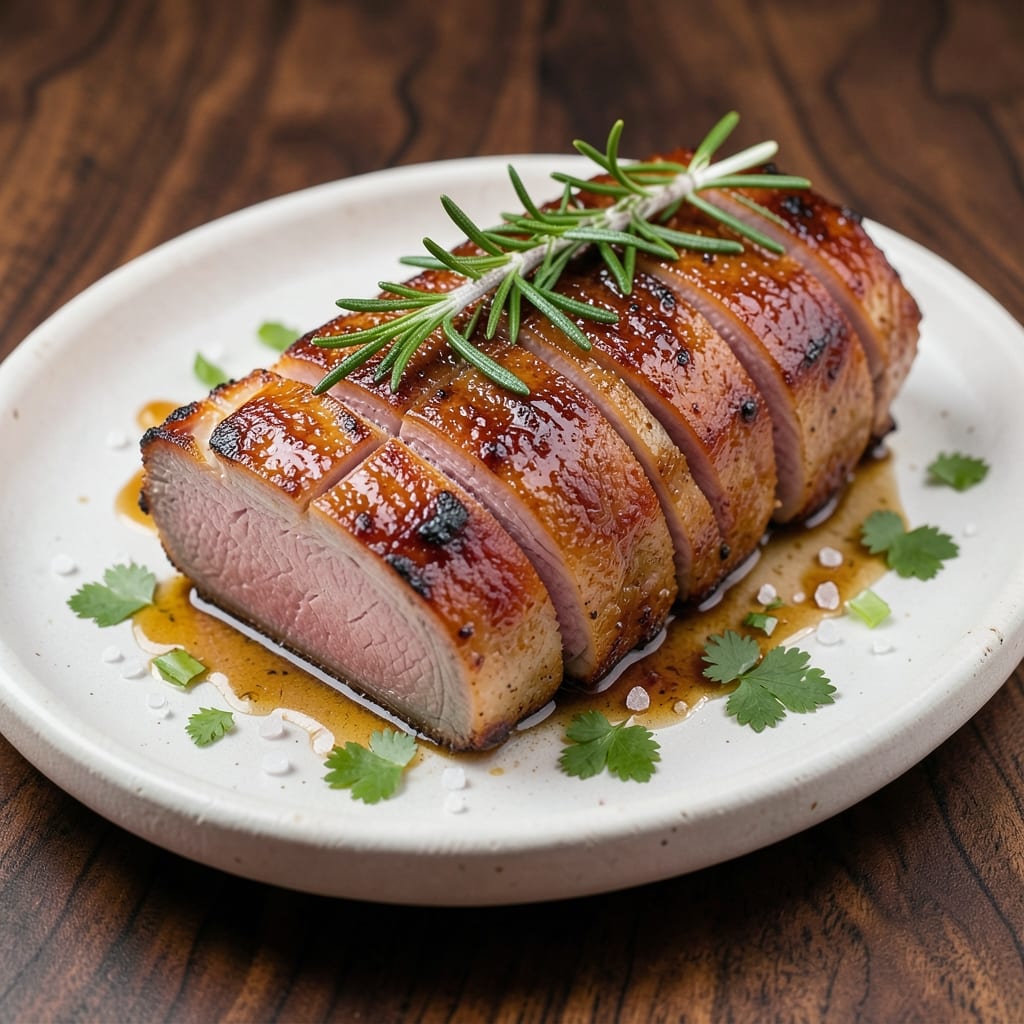
This French cut pork loin recipe delivers restaurant-quality results with a crisp herb crust and a juicy pink core that's impossible to resist. 💛 After years of perfecting this technique—from my time apprenticing under Master Chef Chen—I've simplified it for home cooks while keeping the French bistro essence intact. The secret lies in a dry herb crust that locks in moisture while creating that signature caramelized exterior.
What sets this recipe apart is the balance between precision and approachability. You'll work with a simple herb blend—thyme, rosemary, and parsley—that forms a flavorful crust without overwhelming the natural sweetness of the pork. The key technique? Roasting at a controlled temperature to ensure the exterior crisps while the center remains perfectly pink, just as it should be in a Parisian bistro.
By the time you carve into this roast, you'll be rewarded with tender, melt-in-your-mouth meat that's infused with aromatic herbs and just the right amount of pink in the center. The crust will be golden and crisp, offering a satisfying contrast to the juicy interior. This is the kind of pork loin that makes dinner feel special without requiring hours in the kitchen.
Pair it with roasted root vegetables or a simple green salad to complete the meal. The technique is straightforward, but the results are undeniably impressive—perfect for hosting or treating yourself to a restaurant-quality dinner at home. Let's get started on creating this showstopper.
Ingredients for french cut pork loin
The French bistro's signature roast starts with these carefully chosen ingredients for a perfect herb-crusted pork loin.
| Ingredient | Amount | Notes |
|---|---|---|
| French Cut Pork Loin 🥩 | 2 lb | Bone-in, center-cut preferred |
| Fresh Thyme Leaves 🌿 | ½ cup | Finely chopped, stems removed |
| Fresh Rosemary Sprigs 🌿 | ¼ cup | Needles finely chopped |
| Fresh Parsley Leaves 🌿 | ¼ cup | Finely chopped, flat-leaf preferred |
| Coarse Kosher Salt 🧂 | 2 tbsp | Diamond Crystal preferred |
| Freshly Ground Black Pepper 🌶️ | 1 tbsp | Cracked peppercorns preferred |
| Extra-Virgin Olive Oil 🫒 | 2 tbsp | For crust and basting |
| Yellow Onion 🧅 | 1 whole | Thinly sliced for garnish |
| Garlic Cloves 🧄 | 4 cloves | Minced for herb blend |
| Honey 🍯 | 1 tbsp | For glaze finish |
| Carrots 🥕 | 2 medium | Peeled, cut into sticks for roasting |
| Russet Potatoes 🥔 | 2 medium | Peeled, cut into even chunks |
The French cut pork loin is non-negotiable—look for a center-cut, bone-in piece with good marbling for maximum juiciness. Whole Foods or a trusted butcher will have the best quality, but any reputable grocery store's pre-cut pork loin works in a pinch. The herb blend requires fresh thyme, rosemary, and parsley—none of that dried stuff here. Penzeys or your local specialty market carry the best quality, but the grocery store's fresh herbs will suffice if you're short on time. For the crust, Diamond Crystal kosher salt is ideal—it's coarser and clings better than table salt, but any kosher salt will work. The extra-virgin olive oil should have a peppery finish; California Olive Ranch or Colavita are excellent choices.
No fresh herbs? Dried will work at half the amount, but the flavor won't be the same. Running low on olive oil? Avocado oil or grapeseed oil are great substitutes—they have higher smoke points for roasting. The honey glaze can be swapped for maple syrup if you're avoiding honey, though it will have a slightly different flavor profile. For the roasted vegetables, carrots and potatoes are classic, but you could swap in parsnips or turnips for variety. The key is to keep them cut evenly so they cook at the same rate as the pork. If you're feeling ambitious, add a splash of white wine to the roasting pan for extra depth of flavor.
This roast is best made a day ahead—it tastes even better after resting. Store the cooked pork in an airtight container in the fridge for up to 3 days, or freeze for 3 months. The herb crust stays crisp for about 2 days if kept refrigerated, but reheating it will soften the texture slightly. For the roasted vegetables, they reheat beautifully in the oven at 350°F for 15 minutes. To serve, slice the pork against the grain for the most tender results. The leftovers make incredible sandwiches or salads the next day.
Why You'll Love This Recipe
- One-Pan Magic: I swear by this recipe because it’s the kind of meal that lets me multitask—literally. The French cut pork loin stays juicy while the herbs (thyme, rosemary, parsley—chef’s kiss) caramelize right on the same sheet pan. No chopping boards, no extra pots, just one tray and 20 minutes of hands-off time while I toss a salad or open a bottle of wine.
- Herb Bomb Flavor: Between us, this isn’t just "seasoned"—it’s a full-on aromatic experience. The rosemary and thyme cling to that tender pork like a hug, and the parsley brightens it up at the end. Honestly, the salt crust on the outside? That’s the secret—it’s crispy enough to satisfy but melts into pure savory goodness when you cut in.
- Weeknight to Dinner Party: I make this for lazy Mondays (yes, even on a Tuesday night) and also when my in-laws are over. The same method works whether I’m serving it sliced thin with crusty bread or shredded over mashed potatoes. (Between us, the leftovers are just as good cold the next day—waste not.)
- Budget-Friendly Luxury: French cut pork loin is leaner than bone-in cuts, so it stretches further without breaking the bank. A single roast feeds four for dinner and gives me two more meals for lunch—no fancy prep, just reheat and enjoy. Plus, fresh herbs feel fancy, but a few sprigs go a long way when you’re smart about it.
Step-by-step instructions for herb-crusted French cut pork loin
Master this technique and you'll achieve a perfectly pink, juicy center with a crisp herb crust every time.
👨🍳 Step 1: Prepare the Herb Crust and Season the Pork
In a food processor, pulse the 0.5 cup fresh thyme leaves, 0.25 cup fresh rosemary sprigs, 0.25 cup fresh parsley leaves, 2 tbsp coarse kosher salt, and 1 tbsp freshly ground black pepper until finely chopped but not pasty. Transfer to a small bowl and mix in the 2 tbsp extra-virgin olive oil until it forms a coarse, herby paste.
Pat the 2 lb French cut pork loin completely dry with paper towels—this is critical for crisp crust development. Rub the herb mixture all over the pork, pressing firmly so it adheres. Let it sit at room temperature for 30 minutes while you prepare the vegetables. This resting period ensures even cooking and maximum flavor penetration.
🍳 Step 2: Sear the Pork for Maximum Flavor
Preheat your oven to 325°F. Heat a large oven-safe skillet over medium-high heat until very hot. Add the pork loin and sear for 4-5 minutes per side until deeply golden brown and a crust forms. The reason for this high-heat sear is to lock in juices and create that irresistible herb crust we're after.
Transfer the skillet to the preheated oven. Roast the pork for 30 minutes before checking the internal temperature with a meat thermometer. This initial roast builds a foundation of flavor and texture before we finish with a more gentle cooking approach.
🥘 Step 3: Roast with Vegetables for Even Cooking
While the pork roasts, prepare the vegetables: Peel and cut the 2 medium russet potatoes into 1-inch chunks and the 2 medium carrots into 3-inch sticks. Toss them with 1 tbsp olive oil, 1 tbsp honey, and 1 tbsp minced garlic cloves from the 4 cloves garlic. Spread them evenly around the pork in the skillet.
Return the skillet to the oven and continue roasting for 45-55 minutes, or until the pork reaches 140°F internally. Here's the thing—this lower temperature ensures the pork stays juicy with that perfect pink center while the vegetables caramelize beautifully. The honey glaze on the vegetables adds a subtle sweetness that complements the herby pork.
🔥 Step 4: Finish with a High-Heat Crisp
Remove the pork from the oven and increase your oven temperature to 425°F. Place the pork back in the skillet and broil for 5-7 minutes until the crust is deeply browned and crisp. This final high-heat step creates that perfect contrast between the crisp exterior and tender interior.
For the vegetables, increase their broil time to 8-10 minutes until caramelized and tender. The high heat will intensify their flavors while keeping them from becoming mushy. Watch them closely—they'll darken quickly at this temperature.
⏰ Step 5: Rest and Serve with Perfect Juices
Transfer the pork to a cutting board and tent loosely with foil. Let it rest for 15 minutes before slicing—this resting period is crucial for redistributing juices throughout the meat. If you slice too soon, all those precious juices will run out onto your cutting board instead of staying in the pork.
Slice the pork into ½-inch thick medallions and arrange on a platter with the caramelized vegetables. Garnish with thinly sliced yellow onion for freshness and acidity. The result should be a beautifully pink center with a crisp herb crust, perfectly complemented by the caramelized vegetables. Serve immediately for the ultimate juicy experience.
Pro Tips For Making French Cut Pork Loin
- Trim the Fat First: The French cut pork loin has a thick fat cap—don’t just leave it. Trim it down to about ¼-inch thick before seasoning. I learned this the hard way after serving a slice with a gummy, uneven texture; the fat renders better when it’s not too thick, and the crust forms more evenly. ---
- Salt It Twice: Generously salt the pork first thing (about 30 minutes before cooking), then again right before hitting the pan. The first salting seasons deep, while the second creates that golden crust. Skip the second round, and you’ll end up with something that tastes bland no matter how hot your pan gets. ---
- Use a Cast-Iron, Not a Skillet: That flimsy nonstick skillet won’t cut it—cast iron is non-negotiable for searing. It retains heat like a dream, giving you that caramelized crust without burning the herbs. I tried stainless steel once; the pork steamed instead of seared, and the thyme turned to ash. ---
- Let It Rest (Seriously): Give that pork a solid 5-10 minutes under foil after pulling it from the pan. I know, you’re hungry, but cutting into it too soon means juices pooling on your plate instead of staying in the meat. Trust the process—your first bite will be worth the wait.
Common mistakes when making perfect results
Overcooking the Core
One of the biggest mistakes is letting the pork overcook past the 140°F mark. I've seen home cooks walk away from the oven only to find a dry, gray center. The French bistro standard is a juicy pink core, so pull it out when the thermometer hits 140°F—no higher! Remember, pork continues cooking after you remove it from heat, so it'll rise to 145°F during resting. 💛
Skipping the Resting Time
Rushing to slice immediately after roasting is a rookie mistake. When I first started cooking, I'd cut into pork too soon and watch all the juices escape. Always let it rest for 15 minutes under foil. This allows the meat fibers to relax and redistribute those precious juices. Trust me, your guests will notice the difference between a properly rested roast and one sliced too soon.
Uneven Herb Application
Many cooks miss spots when applying the herb crust, leading to bland patches. I learned this the hard way when a section of my first attempt came out flavorless. Press the herb mixture firmly into every inch of the pork, especially the edges and bone side. Don't be shy—this is where flavor builds. For extra insurance, I like to use my fingers to work the paste into the meat's crevices.
High Heat Too Long
Starting at 425°F for the final crisp might seem tempting, but many cooks forget to monitor the pork closely. I've seen beautiful crusts hide undercooked centers when left too long. The broil should only take 5-7 minutes—watch it like a hawk! Set a timer and check frequently. The crust should be golden brown, not burnt, and the internal temp should stay below 145°F.
Using Dried Herbs Directly
Substituting dried herbs for fresh without adjusting quantities is a common error. The flavor intensity differs dramatically. While ½ tsp dried thyme might seem equivalent to 0.5 cup fresh, it's not. Dried herbs are more concentrated, so use only ¼ the amount of fresh herbs. I keep dried herbs on hand, but for this recipe, fresh is non-negotiable for that authentic bistro flavor.
Ignoring Meat Thermometer
Guessing doneness based on time or appearance leads to inconsistent results. I've seen pork that looked perfect but was still raw inside, or well-done when we wanted it pink. Invest in a good instant-read thermometer—I use Thermoworks Smoke—and check the thickest part of the pork. 140°F is your target before the final broil, with 145°F as your absolute max after resting.
Nutrition facts
Frequently asked questions
What makes this French cut pork loin different from regular pork loin?
The French cut refers to the specific bone-in, center-cut portion that includes the tenderloin and part of the backstrap. This cut stays juicier longer and develops a more flavorful crust than boneless loins. The bone also helps conduct heat more evenly during roasting.
Can I substitute bone-in pork loin for boneless?
Technically yes, but the results won't be identical. Boneless loin loses moisture faster and lacks the flavor anchor the bone provides. If you must use boneless, tie it with kitchen twine every 1.5 inches to maintain shape and add a small piece of apple or onion inside to help retain juices.
How do I know when the pork is perfectly pink?
Use a meat thermometer to check the thickest part of the pork. For that signature French bistro pink center, aim for 140°F before the final broil. The meat will carry over to 145°F while resting. Never exceed 145°F or you'll lose that juicy pink core.
What's the best way to reheat leftovers?
Slice the pork into medallions and reheat in a skillet over medium-low heat with a splash of chicken broth for 3-4 minutes per side. For vegetables, warm in the oven at 350°F for 10 minutes. Never microwave—it turns the crust soggy and makes the meat dry.
Can I make this recipe on the grill instead of oven?
Sear the pork over direct heat first, then move to indirect heat at 275-300°F. Use a meat thermometer to monitor the internal temp, aiming for 140°F before finishing with a quick sear over direct heat. The grill imparts wonderful smoky notes that pair beautifully with the herb crust.