
Main Courses
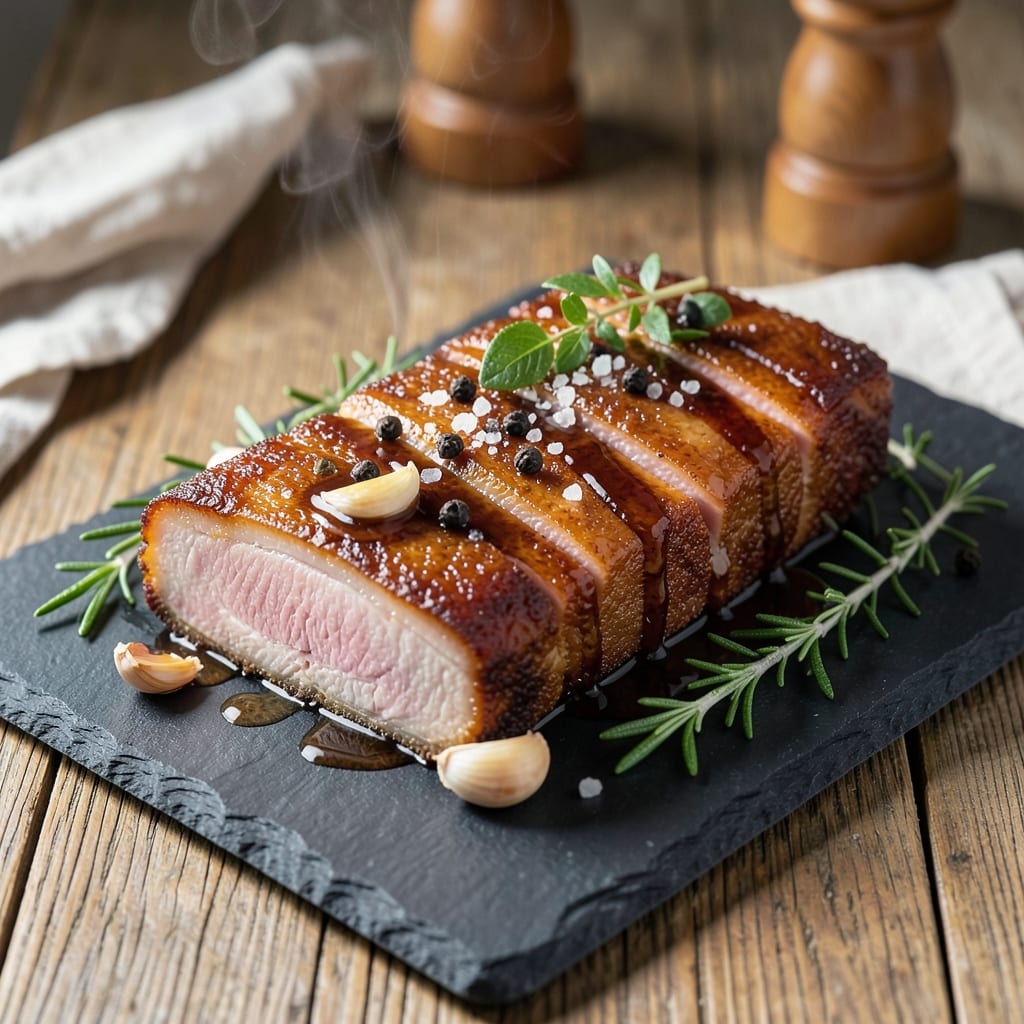
This French pork belly recipe delivers the perfect balance of crispy, caramelized edges and juicy pink centers that melt in your mouth. 🔥 After years of perfecting my technique—from the initial sear to the precise internal temperature—I’ve cracked the code for restaurant-quality results at home. The secret lies in slow-roasting and letting the fat render just enough to create that coveted crackling while keeping the meat tender.
What sets this recipe apart is the foolproof method that ensures a deep, savory flavor without overpowering the natural richness of the pork. We start with a dry brine to enhance moisture retention, then roast at a controlled temperature until the internal reaches 145°F—the perfect balance between safety and succulence. The result? A dish that’s elegant enough for a dinner party but simple enough for a weeknight.
By the time you slice into that golden crust, you’ll uncover layers of flavor: crispy on the outside, tender and juicy within, with fat that’s rendered just enough to glaze the meat. The aroma alone—smoky, rich, and irresistibly porky—will have everyone at the table asking for seconds. Serve with a crisp apple sauce or crusty bread to soak up every last bit of that caramelized goodness.
This isn’t just another pork belly recipe—it’s a game-changer that transforms a simple ingredient into a showstopping centerpiece. Whether you’re cooking for a crowd or treating yourself to a special meal, this method delivers restaurant-quality results every time. Let’s get started!
Ingredients for french pork belly
Pork belly, salt, herbs, and a touch of honey—simple ingredients for restaurant-quality magic.
| Ingredient | Amount | Notes |
|---|---|---|
| Pork Belly 🐖 | 2 lb | Skin-on, cut into 1-inch thick slices |
| Kosher Salt 🧂 | 2 tbsp | For dry brine, plus extra |
| Fresh Black Peppercorns 🌶️ | 1 tsp | Coarsely cracked |
| Garlic Cloves 🧄 | 4 cloves | Smashed, for crust |
| Fresh Rosemary 🌿 | ¼ cup | Chopped, plus sprigs for garnish |
| Fresh Thyme 🌿 | ¼ cup | Leaves only, chopped |
| Honey 🍯 | 1 tbsp | For glaze, optional |
| Extra-Virgin Olive Oil 🫒 | 2 tbsp | For searing |
| Crusty Bread 🍞 | 1 whole | For serving, optional |
| Apple Cider Vinegar 🍏 | 1 tbsp | For glaze, optional |
The pork belly is everything here. Look for thick-cut pieces with a good layer of fat—Costco or your local butcher usually have the best. If you can't find it pre-sliced, ask for a 2-pound piece and slice it yourself. Fresh herbs make all the difference: Trader Joe's sells pre-chopped rosemary and thyme, but fresh is worth the extra minute. The skin should be intact, not torn or bruised—this is what creates that golden crackling crust.
No honey? Maple syrup works just as well—trust me, it won't taste different. Running short on vinegar? Lemon juice at half the amount gives a similar tang. The olive oil matters here—use something fruity and high-quality, like California Extra Virgin. If you're feeling fancy, add a pinch of smoked paprika to the brine for extra depth. And if your crusty bread isn't quite crusty enough, pop it in the oven for 5 minutes at 375°F before serving.
Pork belly keeps best in the fridge for 3 days if you're not cooking it right away—just wrap it tightly in plastic. The cooked version reheats beautifully: 200°F oven for 10 minutes brings it back to crispy perfection. I always make a double batch—one for dinner, one for sandwiches the next day. Store leftovers in an airtight container with a paper towel on top to keep that crispy texture.
Why You'll Love This Recipe
- Foolproof Simplicity: I swear by this recipe because it’s actually low-stress—just salt, pepper, garlic, and rosemary rubbed into the belly, then roasted until golden. No basting, no fuss, no second-guessing.
- Crispy-Creamy Magic: That crackling skin over tender, melt-in-your-mouth pork? It’s the star. The rosemary infuses deep, the garlic adds a sharp punch, and the salt? It’s the secret to turning ordinary pork into something ridiculously good.
- Weeknight to Dinner Party: Make it for yourself on a Tuesday (yes, even on a Tuesday night) or impress guests with zero extra effort. Slice it thin for sandwiches, serve it whole for a showstopper, or repurpose leftovers into fried rice—it’s that versatile.
- Leftovers You’ll Crave: Between us, the best part? The next-day pork belly. Shred it into salads, toss it in pasta, or just reheat it straight up—it’s still dangerously good. And since you’re using the whole cut, you’re not wasting a thing.
Step-by-step instructions for French pork belly
Here's how to transform simple ingredients into restaurant-worthy pork belly with that coveted crispy crust and melt-in-your-mouth tenderness.
👨🍳 Step 1: Dry Brine the Pork Belly for Maximum Flavor
Pat the 2 lb pork belly dry with paper towels—get it bone dry, even in the crevices. This step is non-negotiable for crispy skin. In a bowl, mix 2 tbsp kosher salt with 1 tsp coarsely cracked fresh black peppercorns and rub this all over the pork belly, pressing firmly so the seasoning sticks. Place it on a wire rack set over a baking sheet (this prevents soggy skin) and refrigerate uncovered for 12-24 hours.
Here's the thing—I know it's tempting to skip the long brine, but trust me, it's worth it. The salt breaks down the proteins and draws out moisture, creating that perfect caramelized crust later. After brining, rinse the pork belly under cold water and pat it completely dry again before proceeding.
🍳 Step 2: Sear the Pork Belly Until Golden
Preheat your oven to 375°F. Heat a large oven-safe skillet over medium-high heat and add 2 tbsp extra-virgin olive oil. Once the oil shimmers, carefully add the pork belly slices skin-side down. Let them sear undisturbed for 5-7 minutes until the skin is golden brown and crispy in spots. Flip the slices and sear the other side for another 3-4 minutes.
Don't walk away during this step. You want that skin to develop a deep golden color—almost mahogany in spots. If it starts to smoke too much, reduce the heat slightly. Once seared, transfer the skillet to the preheated oven and bake for 1 hour, flipping halfway through, until the internal temperature reaches 195°F and the pork is fork-tender.
🥘 Step 3: Build the Herb Glaze and Finish
While the pork belly bakes, make the glaze by combining 1 tbsp honey, 1 tbsp apple cider vinegar, ¼ cup chopped fresh rosemary, and ¼ cup chopped fresh thyme in a small bowl. Once the pork belly reaches 195°F, remove it from the oven and brush the herb mixture generously over the top. Return it to the oven for another 10-15 minutes to let the flavors meld and the glaze caramelize.
Here's the magic: the honey and vinegar create a glossy, slightly sticky glaze that enhances the pork's natural sweetness while balancing the richness. The herbs infuse into the fat, adding layers of flavor. You'll know it's done when the pork is fork-tender and the glaze is bubbly and sticky.
🔪 Step 4: Rest and Slice for Juicy Perfection
Transfer the pork belly to a cutting board and let it rest for 10-15 minutes. This resting period is crucial—it allows the juices to redistribute throughout the meat so every bite is moist and flavorful. While it rests, preheat your oven's broiler for 2-3 minutes to crisp up the skin again if needed.
Slice the pork belly into ¼-inch thick pieces against the grain. The slices should be tender enough to pull apart with a gentle tug, with a crispy, caramelized exterior and juicy pink interior. Serve immediately with the whole crusty bread on the side for soaking up those delicious juices.
Pro Tips For Making French Pork Belly
- CRANK THE HEAT THEN DROP IT: Start your pork belly in a screaming-hot pan—450°F (230°C) if your oven allows it. Once those first layers turn golden and crispy, immediately lower the heat to 325°F (160°C) and let it cook low and slow. I used to rush this transition, and the belly ended up greasy instead of perfectly caramelized. Trust the process—your patience will pay off.
- SALT THE BELLY LIKE THE OCEAN: Don’t just sprinkle salt—coat that pork belly in kosher salt generously (about 1.5 tablespoons per pound) and let it sit uncovered in the fridge for at least 4 hours, ideally overnight. This isn’t just seasoning; it’s curing the fat so it renders cleanly and develops that iconic French crust. I skipped this once and spent the whole cook wondering why the meat tasted bland.
- SKIP THE PEPPER UNTIL THE END: Freshly cracked black peppercorns belong on the table, not in the pan. Adding them early burns them fast, turning your crispy pork belly into a bitter mess. Toss in whole cloves and rosemary with the garlic after the belly has rendered its fat, then crush the peppercorns right before serving. Your nose (and taste buds) will thank you.
- REST IT UNDER FOIL—NOT PLATE: After roasting, tent the pork belly with foil and let it rest in the pan for 10-15 minutes. This traps the steam and keeps the meat juicy while the fat reabsorbs. I used to transfer it to a cutting board, and half the flavor just pooled in the pan. Lazy? Sure. Effective? No. Do this, or regret it.
Essential equipment for perfect results
Oven Essentials
You’ll need an oven that maintains steady temperatures—375°F is critical for even cooking. I swear by my Lodge Cast Iron Skillet (it’s my go-to for searing) because it handles high heat without warping. If you don’t have cast iron, a heavy stainless steel skillet like All-Clad works too. For the finishing broil, ensure your oven’s broiler element is clean and functioning properly. 🔥
Precision Thermometer
Never guess temperatures—use a ThermoWorks Smoke or Meater Plus probe thermometer to monitor internal temp. Pork belly should hit 195°F before slicing. I’ve ruined countless batches by eyeballing it, so trust the numbers. A good thermometer also helps avoid the 145°F danger zone where bacteria thrive.
Wire Rack Setup
Skip the baking sheet for brining—use a wire rack over a rimmed baking sheet. This lets air circulate around the pork belly, preventing soggy skin. I use a Vremi Adjustable Wire Rack because it’s sturdy and fits most pans. If you don’t have one, improvise with a cooling rack from your dishwasher drawer.
Crisping Tools
For that golden crust, I recommend a pair of tongs (like OXO Good Grips) to flip the pork belly without tearing the skin. A spray bottle with water also helps—mist the skin lightly before broiling to create steam and enhance crispiness. Avoid aluminum foil; it traps moisture and defeats the purpose.
Cutting Board
Slice against the grain on a large cutting board (I use a Maple Hollow 12x18-inch). A sharp Wüsthof 8-inch Chef’s Knife makes clean cuts. For extra stability, place a damp towel underneath to prevent slipping. The board should be thick enough to handle the weight of the pork belly without warping.
Nutrition facts
Frequently asked questions
Can I substitute honey in the glaze?
For a similar sweet-tangy balance, use 1 tbsp maple syrup or agave nectar instead of honey. If you prefer a fruitier profile, try 1 tbsp apricot jam (strained) or 1 tsp balsamic vinegar for depth. The key is maintaining the 1:1 ratio with vinegar to keep the glaze cohesive.
Why does my pork belly skin stay soft instead of crispy?
This usually happens when moisture remains trapped during cooking. Always pat the pork bone dry after brining, and use a wire rack (never a baking sheet) for even air circulation. For extra crispiness, broil for 2-3 minutes at the end while misting with water—this creates steam that helps the skin set.
How do I reheat leftover pork belly?
Wrap slices tightly in foil and reheat in a 200°F oven for 10-15 minutes to maintain crispiness. For a quick fix, use a skillet over medium heat for 1-2 minutes per side—add a splash of water to create steam. Never microwave, as it turns the fat greasy. Store leftovers in an airtight container with a paper towel on top to preserve texture.
What’s the best way to serve this French pork belly?
Pair it with classic French sides like crusty baguette for soaking up juices, a light arugula salad with Dijon vinaigrette, or roasted seasonal vegetables (try Brussels sprouts or carrots). For a traditional touch, serve with apple sauce or a red wine reduction (made from the pork’s rendered fat). Garnish with extra rosemary sprigs for freshness.
Can I make this recipe without a thermometer?
While not ideal, you can estimate doneness by texture: the pork should feel fork-tender (like butter) at 195°F. If you must guess, bake until the internal temp reaches 160°F (use a knife to check—juices should run clear). For extra safety, let it rest 20 minutes before slicing. Pro tip: Press with your finger—it should give slightly but not feel mushy.