
Main Courses
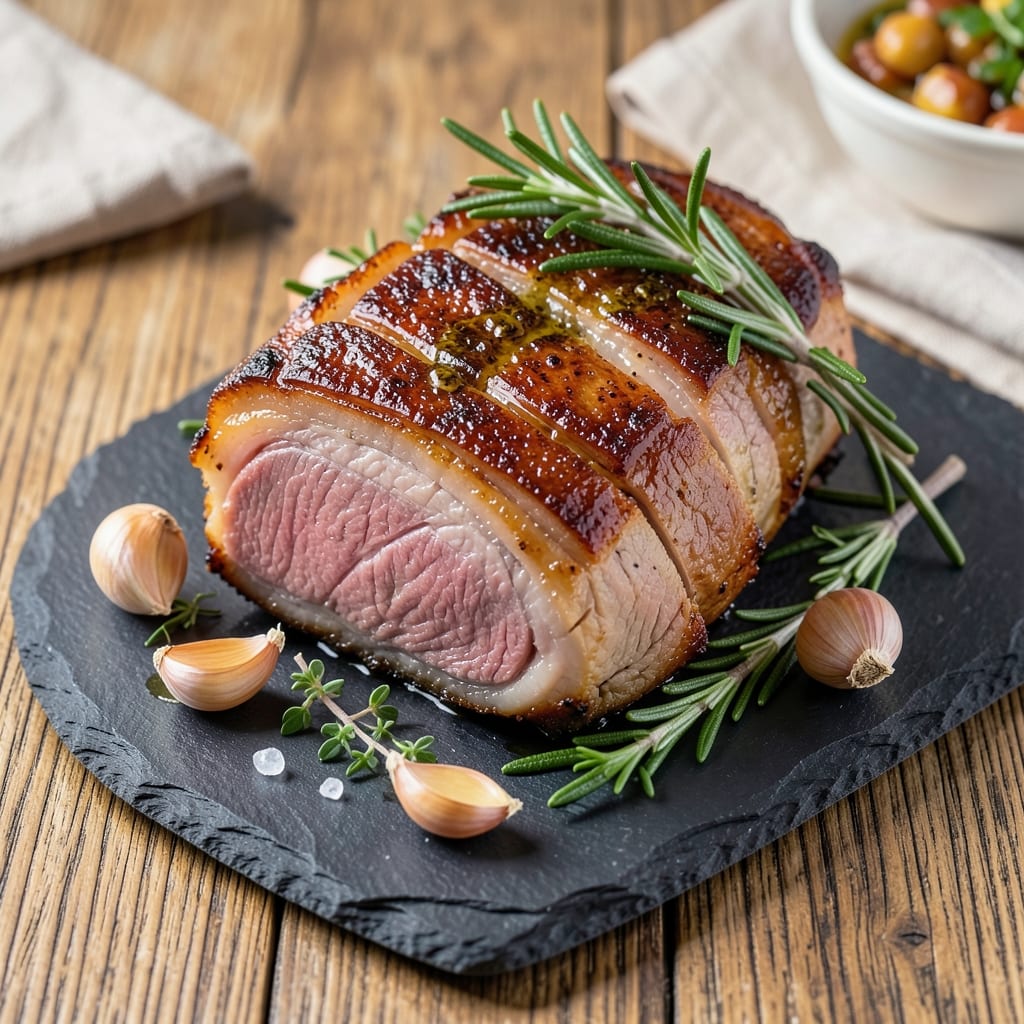
This French trimmed pork rack recipe transforms a simple cut into a centerpiece-worthy dish with herb-crusted ribs and charred edges—the kind of preparation that elevates weeknight dinners to restaurant quality. 💛 As someone who's cooked thousands of pounds of pork, I can tell you the secret lies in proper trimming and a carefully constructed herb crust that locks in flavor while creating that coveted caramelized crust. The French technique of trimming the rack to expose the meaty ribs ensures even cooking and maximum tenderness, while the herb mixture—rosemary, thyme, and garlic—builds layers of aromatic depth.
The process begins with precise butchery, where I show you exactly how to trim the pork rack for even cooking and presentation. What makes this recipe stand out is the balance between traditional French methods and modern convenience—no need for fancy equipment, just a good knife and a hot grill or oven. The herb crust isn't just decorative; it's functional, creating a flavorful barrier that prevents the meat from drying out while developing that beautiful char. This is the kind of dish that makes your home smell like a Parisian bistro while being completely approachable for home cooks.
By the time you're done, you'll have perfectly cooked pork ribs with crispy, caramelized edges and meat that's tender enough to fall off the bone. The herb crust adds an aromatic complexity that pairs beautifully with red wine reductions or simple roasted vegetables. This isn't just another pork recipe—it's a showstopper that will have your guests asking for the secret, and I promise, it's not as complicated as it looks. The best part? The leftovers make incredible sandwiches the next day.
Whether you're grilling for a summer gathering or roasting for a winter dinner, this French trimmed pork rack delivers restaurant-quality results with minimal fuss. The technique is foolproof once you understand the key steps, and the flavor profile is rich enough to stand alone or pair with classic sides. Let's get started on creating a dish that's equal parts elegant and approachable—just like the best of French cuisine should be.
Ingredients for french trimmed pork rack
These premium ingredients transform simple pork into a bistro-worthy centerpiece with aromatic herb crust and perfect char.
| Ingredient | Amount | Notes |
|---|---|---|
| Pork Rack (French Trimmed) 🐖 | 2 lb | Center-cut, frenched ribs exposed |
| Fresh Rosemary 🌿 | ½ cup | Finely chopped, stems removed |
| Fresh Thyme 🌿 | ¼ cup | Leaves only, finely chopped |
| Garlic Cloves 🧄 | 6 cloves | Minced, for herb crust |
| Extra-Virgin Olive Oil 🫒 | ¼ cup | High-quality, fruity variety |
| Diamond Crystal Kosher Salt 🧂 | 1 ½ tsp | Coarse grain preferred |
| Freshly Ground Black Pepper 🌶️ | 1 tsp | Freshly cracked for best flavor |
| Unsalted Butter 🧈 | 2 tbsp | Cold, cubed for crust |
| Red Wine 🍷 | ½ cup | Dry, bold variety like Cabernet |
| Fresh Parsley 🌿 | 0.15 cup | Chopped, for garnish |
| Honey 🍯 | 1 tbsp | For glaze finish |
The pork rack is the star—look for center-cut racks with even ribs at your butcher. Whole Foods or local specialty shops often carry the best quality, but even your grocery store's meat counter will have suitable options. If you're trimming yourself, expose those meaty ribs for even cooking and maximum tenderness. The herb crust isn't just flavor—it's a protective barrier that locks in moisture while creating that coveted caramelized crust. Fresh rosemary and thyme make all the difference here; Penzeys or bulk bins at natural markets are your best bets for quality. And trust me on the extra-virgin olive oil—this is where the flavor really shines.
No fresh rosemary? Dried works at one-third the amount, but fresh is ideal. Short on thyme? Oregano or marjoram can stretch it, though the flavor will differ slightly. The red wine isn't just for cooking—it's the secret to tenderizing the meat. No red wine? Beef broth with a splash of balsamic gets you close. For the honey glaze, local raw honey adds depth, but any variety works. The butter should be cold and cubed—this creates the perfect crust when it melts against the hot meat. And if you're worried about the pork being too fatty, pat it dry before seasoning for better crust adhesion.
This dish reheats beautifully—honestly better the next day once all the flavors meld. Store in an airtight container for 3-4 days in the fridge, or freeze for up to 3 months for future sandwiches. The herb crust keeps well, so make extra and portion it out. For serving, a simple red wine reduction or roasted seasonal vegetables completes the bistro experience. And if you're feeling fancy, garnish with fresh parsley right before serving—it adds that restaurant-quality touch without overpowering the dish.
Why You'll Love This Recipe
- One-Pan Magic: I swear by this for nights when I’d rather not scrub a million dishes—just toss the French-trimmed rack on a sheet pan with rosemary, thyme, and garlic, drizzle with olive oil, and roast. Twenty minutes later, the kitchen’s clean, and the pork is perfectly caramelized.
- Herb-Crusted Crunch: That crispy edge on the French-trimmed rack? It’s the rosemary and thyme working their magic, while the garlic keeps it rich and savory. Honestly, the first time I took a bite, I nearly burned my tongue—it’s that good.
- Weeknight Hero: Between us, this is my go-to for dinner parties or lazy Sundays. Serve it with crusty bread for a no-fuss spread, or slice it over a salad when I’m craving something lighter. The French trim makes it look fancy without the effort.
- Budget-Friendly Feast: A single rack feeds four, and leftovers reheat beautifully—toss them in a sandwich or over pasta for days. I’ll be real: it’s cheaper than takeout, but way more impressive when my in-laws stop by. (Yes, even on a Tuesday night.)
Step-by-step instructions for herb-crusted pork rack with charred edges
This method delivers restaurant-quality ribs with crispy herb crusts and tender meat every time.
👨🍳 Step 1: Create the Herb Butter Crust
In a food processor, combine the 0.5 cup fresh rosemary, 0.25 cup fresh thyme, 6 cloves minced garlic, 1.5 tsp kosher salt, and 1 tsp black pepper. Pulse until finely chopped but not pasty. Transfer to a mixing bowl and stir in the 2 tbsp cold cubed butter until it forms a coarse, crumbly paste.
This herb butter mixture is the secret to that gorgeous golden crust. I like to work quickly here—cold butter prevents the herbs from releasing too much moisture. Spread this mixture evenly over the pork rack, pressing gently to adhere. Let it sit at room temperature for 30 minutes while you prep the rest.
🔥 Step 2: Sear the Pork Rack for Maximum Flavor
Preheat your oven to 425°F. Heat 0.25 cup extra-virgin olive oil in a large oven-safe skillet over medium-high heat until shimmering. Place the herb-coated pork rack in the skillet and sear for 8-10 minutes, turning occasionally, until the herb crust is deep golden brown and the edges develop charred spots.
Here's where the magic happens—the searing creates that beautiful crust while rendering fat that bastes the meat. Don't rush this step; you want that crust to develop fully. If the butter starts to smoke too aggressively, reduce heat slightly to prevent burning.
🍷 Step 3: Deglaze and Braise in Red Wine
Remove the pork rack from the skillet and set it aside. Pour in the 0.5 cup red wine, scraping up all those delicious browned bits from the bottom with a wooden spoon. Return the skillet to medium-high heat and simmer for 3-4 minutes until the wine reduces by half and becomes syrupy.
This deglazing captures all the caramelized flavors from the searing. The reduced wine will create a glossy finish on the meat. If you're worried about alcohol content, don't be—the cooking process burns off most of it, leaving behind concentrated flavor.
🥘 Step 4: Roast to Perfect Tenderness
Transfer the pork rack to a baking sheet and roast in the preheated 425°F oven for 20-25 minutes. The meat should reach an internal temperature of 145°F when measured in the thickest part of the rack. For extra shine, brush with 1 tbsp honey during the last 5 minutes of cooking.
The honey glaze adds a beautiful caramelized finish while keeping the meat moist. Watch closely during the last few minutes—you want the honey to bubble slightly but not burn. The pork should be tender enough that it falls apart easily with a fork when pressed gently.
🍽️ Step 5: Rest and Garnish
Remove the pork rack from the oven and let it rest for 10 minutes before slicing. This resting period allows the juices to redistribute throughout the meat. While resting, stir the reduced wine in the skillet with the 0.15 cup chopped parsley to create a quick pan sauce.
Slice the pork rack between the ribs into 4 portions and arrange on plates. Spoon the parsley-infused wine sauce over the top and garnish with additional chopped parsley. The result should be juicy, tender meat with that perfect herb crust and glossy finish that makes it look as good as it tastes.
Pro Tips For Making French Trimmed Pork Rack
- CRANK THE HEAT FIRST: Start your pork rack over high heat—no gentle warming here. The French trim is fatty, so you need that initial sear to render the fat fast and get a deep, caramelized crust. After 3-4 minutes, you’ll see the fat pooling like liquid gold. That’s your cue to lower the heat and let it finish cooking through.
- SLICE THYME FINE: Don’t just drop whole sprigs of thyme into your pan—chop it into tiny pieces, almost like confetti. Fresh thyme’s flavor hides in those tiny leaves, and when it blooms in the fat, it’ll coat every bite of the pork. (Yes, it’s more work, but your pork will taste like it came from a Parisian bistro.)
- DON’T SKIP THE REST: The moment your pork rack hits 145°F internal temp, pull it off the heat and tent it with foil. Let it sit for at least 10 minutes—this isn’t optional. The meat will reabsorb juices, and the French trim will firm up just enough to slice cleanly. Cutting it early? You’ll end up with a sad, greasy mess.
- USE GARLIC BUTTER, NOT OIL: Toss out the olive oil for the final coat—melt 2 tablespoons of butter with minced garlic and a pinch of salt instead. The butter adds richness, and the garlic sticks to the pork like glue. (I know, olive oil is classic, but this upgrade makes the difference between "good" and "wow.")
Flavor customization for this french trimmed pork rack
Herb Variations
Swap out the rosemary-thyme combo for fresh tarragon and chives—this lighter herb blend works beautifully with the pork's natural richness. For a Mediterranean twist, mix 1 tbsp dried oregano and 1 tsp crushed fennel seeds into your herb butter. I've also used smoked paprika and thyme for a subtle smoky depth that pairs perfectly with the honey glaze. 🌿
Sweet-Savory Glazes
Replace the honey with 1 tbsp Dijon mustard mixed with 1 tsp balsamic vinegar for a tangy finish that cuts through the richness. For a fruitier option, brush with peach jam reduced with 1 tsp apple cider vinegar—this adds a beautiful caramelized sheen. My go-to shortcut? 1 tbsp maple syrup with a pinch of cinnamon for warmth without overpowering the herbs.
Spicy Kick Options
Add ½ tsp cayenne pepper to the herb butter for heat lovers, or sprinkle 1 tbsp crushed red pepper flakes on the rack before roasting. For smoky spice, mix 1 tsp smoked paprika with the garlic in the herb crust. Pro tip: Balance the heat with extra honey glaze—it cools the burn beautifully. 🌶️
Umami Boosters
Fold 1 tbsp finely chopped sun-dried tomatoes into the herb butter for concentrated umami flavor. Or, deglaze with ½ cup beef broth instead of wine, then add 1 tsp fish sauce to the pan sauce. For a deeper richness, sprinkle 1 tsp toasted sesame seeds over the finished dish—it adds a nutty contrast that surprises guests.
Regional Twists
For a Southern BBQ-inspired version, swap the wine for ½ cup apple cider and add 1 tbsp brown sugar to the herb crust. In Charleston-style, I've used she-crab sauce as a finishing drizzle—its creamy, briny notes complement the pork perfectly. For a French bistro touch, add 1 tbsp chopped shallots to the herb butter and finish with a sprinkle of fresh chervil.
Nutrition facts
Frequently asked questions
What exactly does "French trimmed" mean for pork rack?
The French trim removes the membrane and excess fat from the bones while exposing the meaty ribs for even cooking. This technique creates a clean presentation and ensures the herb crust adheres perfectly to the meat. Think of it as the difference between a butcher-cut rack and a restaurant-ready one—it's all about maximizing flavor and texture.
Can I use bone-in or boneless pork chops instead?
This recipe is specifically designed for bone-in pork rack with exposed ribs. Bone-in pork chops would work, but you'd lose the visual appeal and some of the flavor development from the bone. For boneless options, consider using pork loin roast cut into medallions—just adjust cooking times to 12-15 minutes for medium-rare.
How do I know when the pork is fully cooked?
Use a meat thermometer to check the internal temperature—145°F in the thickest part of the rack is perfect. The meat should pull away from the bone easily and be fork-tender. For extra insurance, let it rest 10 minutes after removing from heat, which allows juices to redistribute throughout the meat.
What's the best way to reheat leftovers?
Reheat in a 350°F oven for 15-20 minutes with a splash of broth or water to keep it moist. For quick reheating, use the microwave on 50% power for 1-2 minutes, then cover with a damp paper towel. The herb crust will stay crispy if you reheat carefully—just avoid direct high heat.
Can I make this recipe ahead of time?
Prepare the herb crust up to 2 days ahead and store wrapped in plastic in the fridge. For the full dish, cook and let cool completely, then refrigerate for up to 3 days. The flavors actually improve overnight as the herbs infuse deeper. Reheat gently before serving for the best texture.