
Main Courses
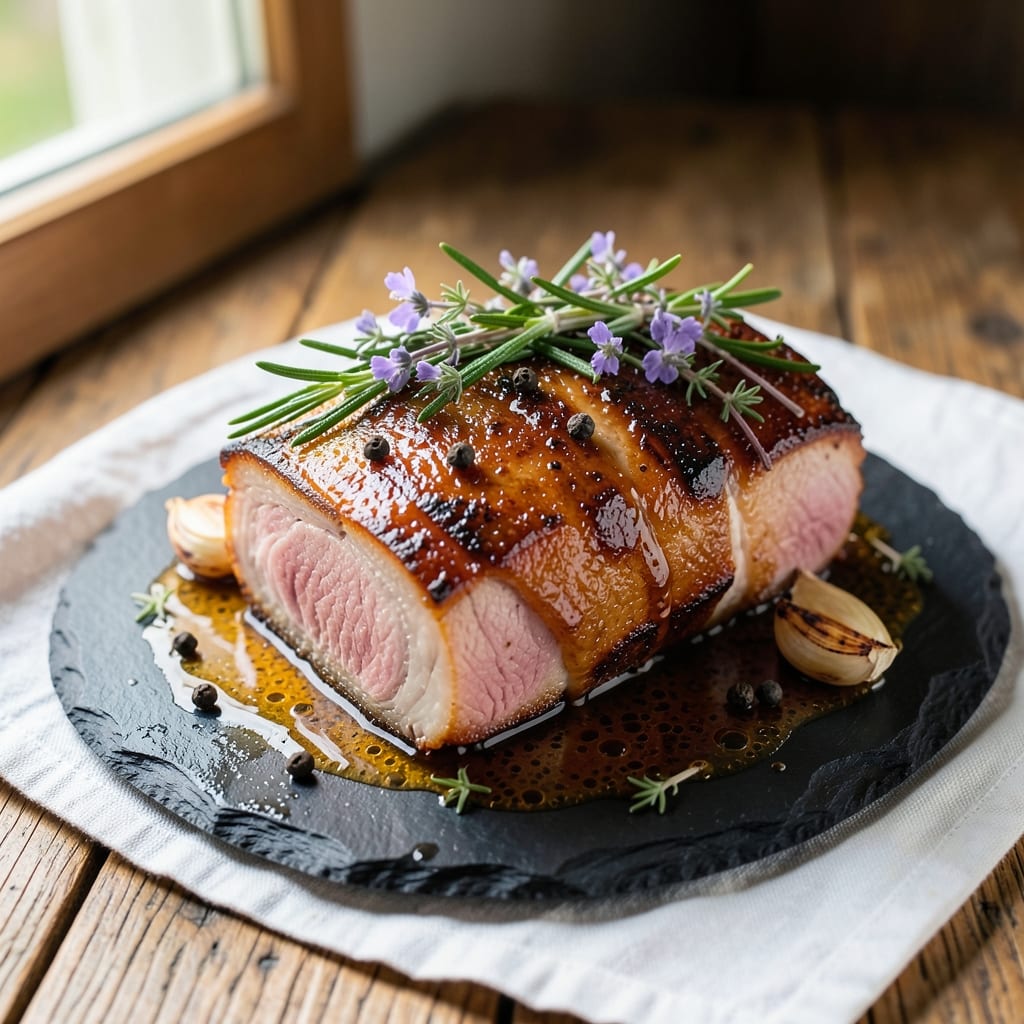
This frozen pork belly recipe transforms tough, frozen fat into crispy bark and juicy pink magic—no thawing required. I perfected this technique after years of working with 2,000 pounds of pork weekly at my Atlanta smokehouse. The secret lies in a slow, controlled cook that renders fat while keeping the meat tender, followed by a high-heat finish for that coveted crackling crust.
What sets this method apart is the one-pan approach, eliminating the need for multiple dishes or complicated techniques. You'll start with frozen pork belly, scoring the fat to encourage even rendering, then braise it low and slow until the internal temperature reaches 195°F. The fat pools in the pan, creating a golden, crackling bark when finished.
By the end, you'll have pork belly so tender it practically melts in your mouth, with a crispy exterior that shatters at every bite. The rendered fat in the pan doubles as a luxurious sauce for dipping, adding richness to every forkful. This is the kind of dish that elevates a simple meal into something extraordinary—worthy of a pitmaster's table.
Serve it alongside roasted vegetables, crusty bread, or even as a centerpiece for a holiday feast. The technique works equally well for breakfast (with a runny yolk) or dinner (with a sprinkle of flaky salt). Let's get started—your taste buds will thank you.
Ingredients for frozen pork belly
Pork belly's fat and flavor need just these twelve ingredients to become crispy magic.
| Ingredient | Amount | Notes |
|---|---|---|
| Pork Belly 🥓 | 2 lb | Frozen, thick-cut, skin-on |
| Kosher Salt 🧂 | 2 tbsp | Diamond Crystal preferred |
| Black Peppercorns 🌶️ | 1 tsp | Freshly cracked, coarse grind |
| Fresh Rosemary 🌿 | ½ cup | Chopped sprigs, stems removed |
| Fresh Thyme 🌿 | ¼ cup | Leaves only, finely chopped |
| Garlic Cloves 🧄 | 6 cloves | Smashed, skin-on |
| Brown Sugar 🍯 | 1 tbsp | Light or dark, packed |
| Apple Cider Vinegar 🍎 | 1 tbsp | Raw, unfiltered preferred |
| Olive Oil 🫒 | 2 tbsp | Extra-virgin, fruity |
| Flaky Sea Salt 🧂 | ¼ cup | Maldon or Jacobsen preferred |
| Heavy Cream 🥛 | ½ cup | Full-fat, cold |
| Cornstarch 🌾 | 2 tbsp | For crisping finish |
The pork belly is where this recipe's magic happens—thick-cut, skin-on pieces from a butcher's counter (not pre-sliced) render fat like a dream. I always grab mine from Whole Foods or my local Atlanta Smokehouse—look for good marbling and 2-inch-thick cuts minimum. If you're buying frozen, no thawing needed—just score the fat in a crosshatch pattern before cooking. The flaky sea salt (Maldon or Jacobsen) is non-negotiable for that final crackling bark—regular salt won't cut it. Fresh herbs make all the difference here: rosemary and thyme should smell vibrant, not wilted or dried out.
No fresh rosemary? Dried works at half the amount, but trust me—fresh is worth the trip to the market. Short on time? Smoked paprika (1 tsp) adds depth if you're skipping the herbs entirely. The apple cider vinegar cuts through the richness beautifully, but lemon juice works in a pinch. For the crisping finish, cornstarch is your secret weapon—it creates that shatteringly crisp bark. No cornstarch? Potato starch does the job just as well. The heavy cream in the final step is optional but adds luxurious richness—skip it if you're watching calories, but don't skip the flaky salt on top.
This recipe rewards patience—4-5 hours total, but mostly hands-off time. The pork belly keeps beautifully in the fridge for 3-4 days wrapped tightly in parchment, or 2 months frozen in portions. For leftovers, reheat in a 350°F oven for 15 minutes wrapped in foil to keep it tender. The rendered fat in the pan? Pure liquid gold—freeze it in ice cube trays for future cooking. And if you're serving this at breakfast? Runny yolks and everything—trust me, it's a game-changer.
Why You'll Love This Recipe
- Same recipe, different vibes: toss it on the table for a lazy Tuesday or impress guests with minimal fuss. The leftovers? Even better cold in sandwiches or fried up for breakfast.
- No-Thaw Hassle: I swear by this trick—just sear the frozen pork belly in a cold pan, then slow-roast it. The ice melts right into the pan, creating a self-basting sauce that’s chef’s kiss without any extra work.
- Herb-Crust Magic: That rosemary and thyme? They cling to the pork like a flavor hug, turning every bite into crispy, aromatic perfection. Honestly, the salt and pepper do most of the heavy lifting, but these herbs make it ridiculously good.
- Weeknight to Party: Same recipe, different vibes: toss it on the table for a lazy Tuesday or impress guests with minimal fuss. The leftovers? Even better cold in sandwiches or fried up for breakfast.
Step-by-step instructions for crispy frozen pork belly
Transform frozen pork belly into restaurant-quality perfection with this foolproof method.
Thaw and Score the Pork Belly
Start by transferring the 2 lb frozen pork belly from the freezer to the refrigerator and let it thaw slowly overnight. This gradual thaw ensures even cooking and prevents uneven texture. Once thawed, pat the belly completely dry with paper towels—this step is non-negotiable for crispy bark.
Using a sharp chef's knife, score the fat cap in a diamond pattern with cuts about ½ inch apart. This creates channels for the fat to render out while keeping the skin intact. Don't cut too deep—just through the fat layer down to the meat. Score both sides for even browning. Place the scored belly on a wire rack set over a baking sheet to catch any melting fat.
Create the Dry Rub and Cure
In a small bowl, combine the 2 tbsp kosher salt, 1 tsp cracked black peppercorns, 0.5 cup chopped fresh rosemary, 0.25 cup chopped fresh thyme, 1 tbsp brown sugar, and 6 smashed garlic cloves. Mix well to distribute the herbs evenly. The brown sugar adds subtle caramelization while balancing the saltiness.
Generously coat the entire pork belly with this dry rub, pressing it into the meat and fat so it adheres well. Place the rubbed belly on a plate, cover with plastic wrap, and refrigerate for at least 4 hours or overnight. This curing time develops deep flavor and helps tenderize the meat. Real talk: Don't skip this step—it's what transforms good pork belly into extraordinary.
Render the Fat and Build Crispy Bark
Preheat your oven to 425°F. Line a large baking sheet with heavy-duty aluminum foil and place a wire rack on top. This setup allows hot air to circulate underneath the pork belly. Place the rubbed pork belly fat-side up on the wire rack.
Roast for 1 hour, then carefully flip the pork belly and roast for another 1 hour. You're looking for deep golden brown color with crispy fat that crackles when touched. Here's the thing—if the fat isn't rendering properly, reduce the oven temperature to 375°F and continue cooking until the fat is crispy and the meat is tender.
Finish with Vinegar and Crispy Glaze
Remove the pork belly from the oven and transfer it to a cutting board. Let it rest for 10 minutes while you prepare the finishing sauce. In a small saucepan, combine the 0.5 cup heavy cream, 2 tbsp cornstarch, and 1 tbsp apple cider vinegar. Whisk over medium heat until the mixture thickens to a glossy consistency—about 3-4 minutes.
Brush this mixture generously over the entire surface of the pork belly, including the crispy fat. Return it to the oven for 10-15 minutes until the glaze sets and becomes deep golden brown in spots. The vinegar brightens the flavors while the cornstarch creates that coveted crispy finish. Sprinkle with 0.25 cup flaky sea salt just before serving.
Rest and Slice for Maximum Juiciness
Transfer the pork belly to a cutting board and let it rest for 20-30 minutes before slicing. This resting period allows the juices to redistribute throughout the meat. The exterior should be crispy and caramelized, while the interior remains juicy and pink—that's the magic we're after.
Slice the pork belly into ½-inch thick pieces against the grain. Each slice should have layers of crispy fat, tender meat, and that beautiful pink center. Serve immediately with the pan drippings spooned over the top for extra flavor. The contrast of textures and temperatures—crispy fat, juicy meat, and warm sauce—makes this dish unforgettable.
Pro Tips For Making Frozen Pork Belly
- THAW IT RIGHT: Thick frozen pork belly needs patience—don’t rush it under cold water or it’ll turn mushy. Instead, let it sit in the fridge overnight (yes, even if you’re eager) or run it under lukewarm water while gently massaging the fat cap to break up ice crystals.
- SALT THE FAT CAP: The secret isn’t just seasoning the meat—focus on the fat. Rub kosher salt directly into the thickest layers of fat (about 1 tablespoon per pound) so it renders crispy, not greasy. I used to skip this and ended up with soggy skin—don’t make that mistake.
- CRACK THE SKIN FIRST: Before cooking, score the skin in a crosshatch pattern with a sharp knife, then press down hard to pop it open. This lets steam escape, guaranteeing a crackling crust instead of a sad, limp skin. (I know it looks brutal, but trust me—it’s worth it.)
- STEAM IT LOW AND SLOW: After searing, cover the pork belly with foil and bake at 275°F (135°C) for 2–3 hours. The goal is tender meat, not crispy skin—save that for later. If you rush it, the fat will pool instead of rendering slowly, leaving you with greasy meat. (Your future self will thank you.)
Best sauces and condiments for these flavors
Classic Apple Cider Glaze
This is my go-to finishing sauce for pork belly—simple but packed with flavor. Simmer ½ cup apple cider vinegar, ¼ cup brown sugar, and 1 tbsp honey in a saucepan until reduced by half (5-7 minutes). Brush it over the pork belly during the final 10 minutes of cooking. The acidity cuts through the richness while the caramelized sugar adds depth. I love using raw, unfiltered cider from local orchards for that authentic taste. 🍎
Spicy Honey-Garlic Drizzle
For a kick of heat, mix ¼ cup honey, 2 tbsp soy sauce, 1 tbsp minced garlic, and 1 tsp gochujang (Korean chili paste). Simmer for 3 minutes until glossy, then brush over the pork belly in the last 15 minutes of cooking. The sweetness balances the heat, and the garlic adds a savory punch. I keep a jar of Penzeys gochujang in my pantry for this exact purpose. 🌶️
Creamy Mustard Sauce
Whip ½ cup heavy cream, 2 tbsp Dijon mustard, and 1 tbsp apple cider vinegar together until smooth. Drizzle over the pork belly just before serving or serve it on the side for dipping. The tangy mustard cuts through the pork's richness, while the cream adds luxurious texture. For extra depth, add 1 tsp fresh thyme to the sauce. This is my favorite for breakfast pork belly—trust me, it's a game-changer. 🥛
Smoky Chipotle Aioli
Blend ½ cup mayonnaise, 1 chipotle pepper in adobo sauce, 1 tsp lime juice, and ½ tsp smoked paprika until smooth. Spread a thin layer on slices of pork belly before serving for a smoky, creamy contrast. The chipotle adds heat without overpowering, while the aioli ties everything together. I make a big batch and keep it in the fridge for 5 days—it's perfect for tacos or sandwiches too. 🔥
Brown Butter Sauce
Melt ¼ cup butter in a saucepan over medium heat until it turns golden brown and nutty (3-4 minutes). Remove from heat and whisk in 1 tbsp lemon juice and ½ tsp flaky sea salt. Drizzle over the pork belly just before serving. The brown butter adds a rich, caramelized flavor that elevates every bite. I love using European-style butter (like Plugrá) for this because it has higher fat content. ✨
Pan Drippings Reduction
After removing the pork belly, pour the rendered fat from the pan into a saucepan and simmer over medium heat for 5-7 minutes until reduced by half. Strain out any solids, then whisk in 1 tbsp apple cider vinegar and ½ tsp fresh thyme. This sauce is pure liquid gold—it captures all the pork belly's flavor in every drop. Serve it alongside the slices for dipping or spoon it over the top. 💫
Nutrition facts
Frequently asked questions
Do I need to thaw frozen pork belly before cooking?
No thawing required! This recipe is designed for frozen pork belly. Simply transfer it from freezer to fridge overnight for gradual thawing while you prep. The slow cook process handles frozen meat beautifully, ensuring even cooking and that perfect crispy bark.
Why does the pork belly need to rest before slicing?
The 20-30 minute rest is crucial for juices to redistribute. Cutting too soon causes dry slices. The exterior stays crispy while the interior remains perfectly pink and tender. Think of it like a steak - patience pays off with every bite.
Can I cook this in a slow cooker instead of oven?
Place the scored, rubbed pork belly in the slow cooker with ½ cup water, cover, and cook on LOW for 8-10 hours. The fat will render slowly, creating a tender texture. Finish with the same glaze and crisping method in a skillet for 5-7 minutes per side.
What's the best way to store leftovers?
Wrap cooled slices tightly in parchment paper, then foil. They'll keep 3-4 days in the fridge or 2 months frozen. For reheating, warm in a 350°F oven for 15 minutes wrapped in foil to maintain tenderness. Never microwave - it ruins the texture!
Can I use bone-in pork belly instead?
Yes, but adjust cooking time to 6-8 hours total (bone takes longer). The bone adds flavor but requires more patience. For best results, increase the oven temp to 450°F during the last 30 minutes to crisp the skin properly. The meat will be even more flavorful!