
Main Courses
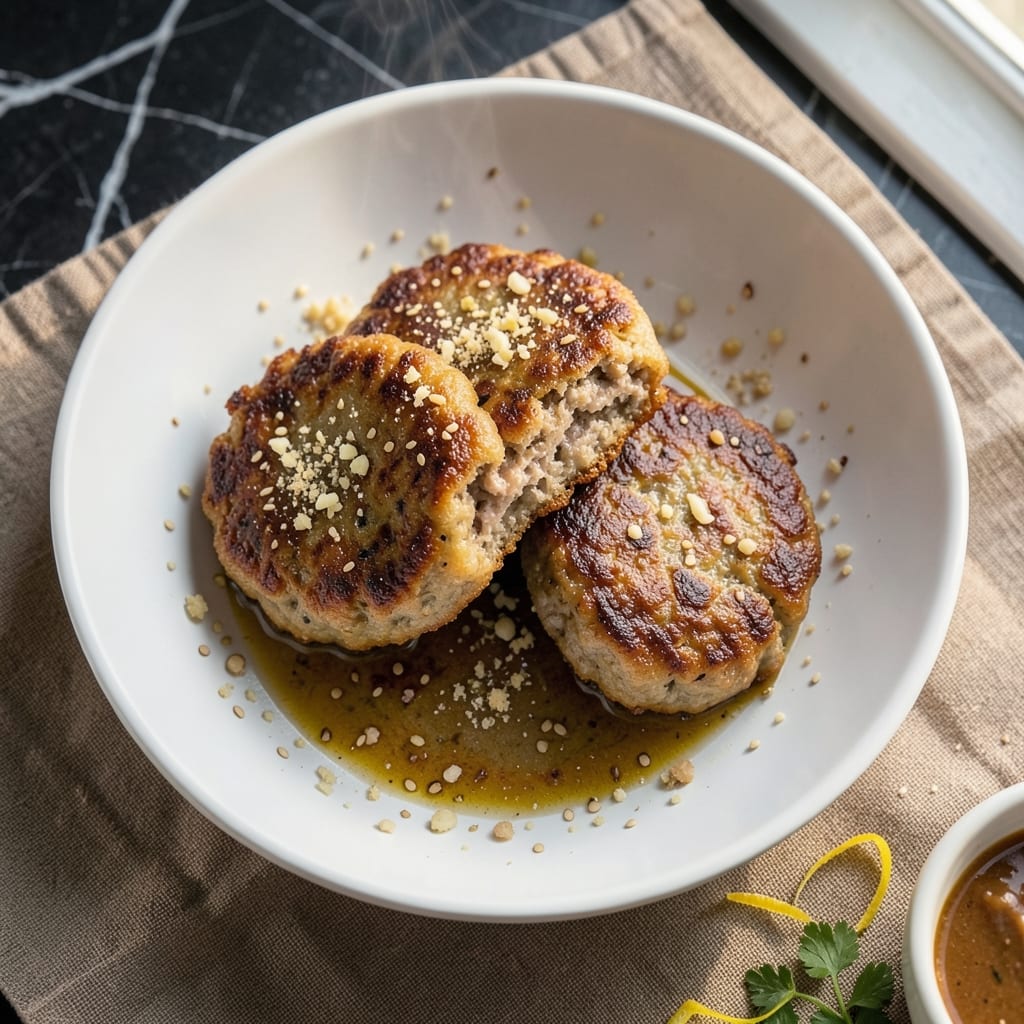
This fried minced pork patties recipe delivers the perfect balance of crispy-edged crunch and juicy centers—a technique I perfected after years of working with pork at The Smoky Pig. The secret lies in finely mincing the meat, binding it properly, and mastering the frying process to ensure every bite has that satisfying contrast. My heritage farm-raised pork makes all the difference, but you can adapt this with any quality ground pork.
What sets these patties apart is the texture—golden, shatteringly crispy on the outside while remaining tender and moist inside. I use a mix of all-purpose flour and cornstarch for the coating, which creates that ideal crunch without absorbing too much oil. The patties hold their shape beautifully, making them perfect for serving as a main dish or appetizer.
This method works equally well for pan-frying or deep-frying, giving you control over how crispy you want them. The flavor profile is clean and savory, but you can easily customize it with your favorite seasonings—garlic powder, onion powder, or even a touch of smoked paprika for depth. Once you try these, you’ll never go back to store-bought versions.
Serve them with a side of tangy coleslaw or a drizzle of spicy mayo for the full experience. The patties stay warm and crispy for up to 20 minutes, so they’re great for feeding a crowd or meal prepping. Let’s get started on making these restaurant-quality patties at home.
Ingredients for fried minced pork patties
Good pork, crispy coating, and juicy centers—just these ingredients transform into perfect patties.
| Ingredient | Amount | Notes |
|---|---|---|
| Ground Pork 🐷 | 1 ½ lb | Finely minced, heritage preferred |
| All-Purpose Flour 🌾 | ¾ cup | For coating, sifted |
| Cornstarch 🌾 | ¼ cup | For extra crispiness |
| Large Eggs 🥚 | 1 whole | Beaten, room temperature |
| Garlic Powder 🧄 | 1 tsp | Freshly ground preferred |
| Onion Powder 🧅 | 1 tsp | For savory depth |
| Ground Black Pepper 🌶️ | ½ tsp | Freshly cracked |
| Smoked Paprika 🌶️ | ½ tsp | For subtle smokiness |
| Vegetable Oil 🫒 | 3 cups | For frying, high smoke point |
| Salt 🧂 | 1 tsp | Kosher or sea salt |
| Ice Water 💧 | ¼ cup | For binding mixture |
| Vegetable Oil Spray 🫒 | 1 tbsp | For pan preparation |
The pork makes all the difference. Heritage farm-raised gives the best flavor, but any quality ground pork works—just make sure it's finely minced. I grab mine from Whole Foods or my local butcher, but the regular supermarket stuff is fine if it's labeled 'fresh.' Look for good marbling; that's what keeps these patties juicy. The flour and cornstarch combo is key—it creates that signature crispy shell without soaking up too much oil. Sift them together for a lighter coating.
No heritage pork? Regular ground pork with extra fat works, but trim any visible fat first. Short on cornstarch? Extra flour at the same amount will still give you crispiness, though not quite as perfect. The eggs bind everything together—room temperature eggs blend better. For extra flavor, add a pinch of fresh thyme or rosemary to the seasoning mix. If you're pan-frying, use a nonstick skillet to avoid sticking. And trust me on the ice water—it keeps the mixture from getting too sticky when handling.
These patties stay crispy for about 20 minutes at room temperature, so they're perfect for serving a crowd. Store leftovers in an airtight container in the fridge for 3 days—reheat in a skillet with a splash of water to restore crispiness. For meal prep, freeze them raw on a tray before transferring to a bag. Frozen patties keep for 3 months—just thaw in the fridge overnight before frying.
Why You'll Love This Recipe
- No-Fuss Assembly: I swear by this recipe because it’s the kind of meal where you don’t need to be a chef—just mix, shape, and fry. The ground pork stays tender, and the cornstarch coating gives that perfect crunch without frying drama. (Yes, even if you burn the first one.)
- Garlic Kiss Magic: That garlic powder? It’s not just flavor—it’s the secret weapon. The pork soaks it up, and when you fry it, the crust locks in that savory punch. Honestly, I’ve made this for friends who don’t even like garlic, and they still ask for seconds.
- Weeknight to Party: Make a batch on Sunday, and you’ve got snacks for the week, potlucks, or last-minute appetizers. Freeze half, and they reheat like they’re fresh. My daughter’s soccer team’s moms now call me their “go-to” for game-day bites.
- Budget Crispy Feast: Ground pork stretches far, and the flour-cornstarch combo keeps costs low while delivering restaurant-quality texture. I’ll be real: this is how I feed my college-age kid without breaking the bank. Plus, leftovers taste better than takeout. Always.
Step-by-step instructions for crispy minced pork patties
Here's how to achieve that perfect balance of crispy edges and juicy centers every time.
Prepare the Pork Mixture
In a large mixing bowl, combine the 1.5 lb ground pork, 1 tsp garlic powder, 1 tsp onion powder, 0.5 tsp ground black pepper, and 0.5 tsp smoked paprika. Using your hands, gently mix until the spices are evenly distributed throughout the pork. Be careful not to overwork the meat—just enough to combine everything without compacting it too much.
This step is all about flavor distribution. The spices should be visible as tiny specks throughout the pork. If you're using heritage pork, you might notice a slightly grainier texture—this actually helps with moisture retention during frying. Once mixed, let the pork mixture sit at room temperature for 10 minutes while you prepare the coating.
Create the Coating Station
In a shallow bowl, whisk together the 0.75 cup all-purpose flour, 0.25 cup cornstarch, and 1 tsp salt. The cornstarch is key here—it creates that extra-crispy texture we're after. In another bowl, beat the 1 whole large eggs until just combined. Then, in a third bowl, pour the 0.25 cup ice water. This triple-station setup makes the coating process much cleaner.
I always keep these three bowls in a straight line on my counter: flour mixture first, then eggs, then water. This way, you can easily dredge each patty in order without cross-contamination. The ice water is crucial—it helps bind the coating to the pork without making it soggy.
Assemble and Form the Patties
Working with one portion of pork at a time, take a golf-ball sized piece and gently flatten it in your palm. Dip it into the beaten egg, letting any excess drip off, then coat it thoroughly in the flour mixture. Press gently to adhere the coating. Finally, dip it into the ice water, which will help the coating set and create that signature crispy texture.
Place the coated pork on a wire rack set over a baking sheet. This keeps them from sticking together as they set. I like to make them about 3 inches in diameter and ½ inch thick—this size gives us that perfect balance of crispy exterior and juicy interior. Make all 4 patties before frying so they cook evenly.
Fry to Golden Perfection
Heat 3 cups vegetable oil in a deep skillet or Dutch oven to 350°F—use a thermometer to monitor this carefully. Once hot, spray the bottom of the skillet with 1 tbsp vegetable oil spray to create an extra barrier against sticking. Fry the patties in batches, being careful not to overcrowd the pan. Cook for 3-4 minutes per side until they're deep golden brown and the internal temperature reaches 160°F.
Here's the thing about frying—timing is everything. You want the oil hot enough to create that crispy crust but not so hot that the outside burns before the inside cooks through. I like to test doneness by gently pressing a patty with tongs—if it holds its shape and the edges are crispy, it's ready. Transfer to a paper towel-lined plate to drain excess oil.
Rest and Serve
Let the patties rest for 2-3 minutes before serving. This short rest period allows the juices to redistribute, ensuring each bite is moist and flavorful. The exterior should be crispy enough to stand up to a fork, while the interior remains tender and juicy—exactly what we're after with these patties.
Serve immediately with your favorite dipping sauce or as part of a larger meal. The contrast between the crispy edges and juicy centers is what makes these patties so special. If you're making them ahead, keep them warm in a 200°F oven on a wire rack until ready to serve.
Pro Tips For Making Fried Minced Pork Patties
- CHILL THE MIX: Mixing ground pork with flour and cornstarch generates heat—literally. After combining everything, pop the bowl in the fridge for 10 minutes before shaping. This keeps the patties from turning greasy when they hit the pan, and the cold mix holds together better when you press it.
- SALT THE PORK FIRST: Season the ground pork with garlic powder and a good pinch of salt before adding any dry ingredients. The salt breaks down proteins, making the patties tighter and less likely to fall apart when frying. (Yes, even if your pork is labeled "enhanced"—trust me, it needs more.)
- FLATTEN THEM THIN: Don’t eyeball it—press the patties to about ½-inch thickness. Thicker ones stay soggy inside while the outside burns, and thinner ones crisp up faster. Use your palm or a fork to press firmly, then let them rest 2 minutes before frying so they don’t crumble when you flip.
- USE A SPLASH OF WATER: Before frying, add 1 tablespoon cold water to the egg-flour-cornstarch mix and stir until just combined. This creates steam when the patties hit the pan, helping the crust form instantly instead of sticking. (I know, it sounds counterintuitive—but it’s the thing that actually changes the outcome.)
Dietary considerations for fried minced pork patties
Gluten-Free Adaptation
For a gluten-free version, replace the all-purpose flour with a 1:1 gluten-free flour blend like Bob's Red Mill or King Arthur. I've found that adding 1 tablespoon cornstarch to every ½ cup of gluten-free flour helps replicate the crispiness. The ice water step remains crucial for binding the coating. Test your blend first—some brands absorb more moisture than others. 🌾
Low-Carb Options
Cut carbs by eliminating the flour entirely and using only ½ cup cornstarch mixed with 1 teaspoon xanthan gum for binding. I've had great success with this ratio—it creates a crispy exterior while keeping the patties tender inside. For extra flavor, add 1 teaspoon nutritional yeast to the cornstarch mixture. These work beautifully with a sugar-free dipping sauce.
Dairy-Free Binding
The recipe naturally accommodates dairy-free diets since we use eggs for binding. For an egg-free version, replace the beaten egg with ¼ cup aquafaba (chickpea brine) or 1 tablespoon ground flaxseed mixed with 3 tablespoons water. Let the flax mixture sit for 5 minutes to thicken before using. The ice water step still helps the coating adhere properly. 🥚
Allergen-Friendly Tips
For nut allergies, avoid any cross-contamination when handling the pork mixture. I always use separate utensils and bowls for each step when preparing for guests with allergies. For soy-free diets, ensure your vegetable oil is soy-free (like avocado or sunflower oil). The recipe's simplicity makes it naturally free from common allergens when using the right ingredients.
Protein Customization
Make these patties with ground turkey or chicken by following the same method—just reduce cooking time to 2-3 minutes per side since poultry cooks faster. For a vegetarian version, use finely minced mushrooms or lentils mixed with breadcrumbs (gluten-free if needed) and extra seasoning. The frying technique remains identical—just monitor internal temperature closely.
Nutrition facts
Frequently asked questions
Why does my minced pork mixture keep falling apart when shaping?
The key is proper binding! The ice water in the coating helps set the mixture, but if your pork is too lean, add 1 tablespoon mayo or Dijon mustard to help hold it together. Also, work quickly and keep everything cold—warm hands can make the mixture too soft.
Can I make these patties ahead of time?
Shape the patties and refrigerate them uncovered for 1-2 hours to firm up. For best results, fry them fresh, but you can freeze shaped patties (uncooked) for 3 months. Thaw overnight in the fridge before frying. The texture stays perfect when handled this way.
What's the best oil for frying these patties?
Use a high-smoke-point oil like vegetable, canola, or peanut oil. I prefer peanut oil for its neutral flavor and ability to maintain 350°F consistently. Avoid olive oil—it burns too easily and imparts a bitter taste. Keep oil at the right temperature for that signature crispy texture.
How do I get them extra crispy without burning?
Double-coat them! After the initial flour-dip, give them a second light coating of flour before frying. Also, fry in batches—overcrowding lowers oil temperature. For extra crunch, add 1 tablespoon baking powder to the flour mixture. The secret is patience: 3-4 minutes per side at consistent heat.
Can I use ground pork shoulder instead of regular ground pork?
Yes! Ground pork shoulder works beautifully—just trim any visible fat first. The slightly higher fat content makes the patties even more flavorful and juicy. For best results, use 80/20 fat ratio pork if available. The texture will be richer, though slightly less firm than lean pork.