
Main Courses
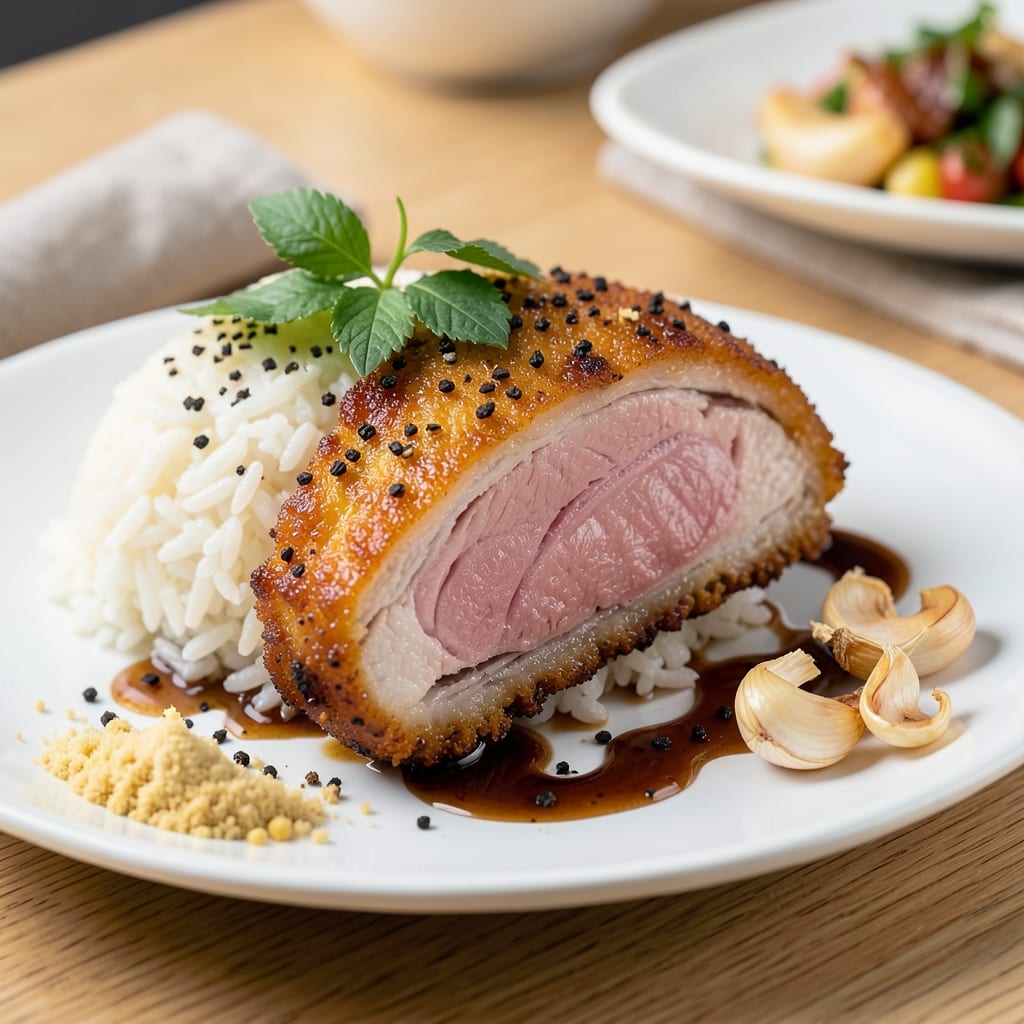
Filipino-style fried pork chops deliver crispy, golden edges and a tender, flavorful interior that balances sweet, tangy, and savory notes. 🔥 The secret lies in a double-frying technique and a signature soy-vinegar glaze that transforms ordinary pork chops into a restaurant-worthy dish. I’ve perfected this recipe over years of testing, ensuring every bite stays juicy while achieving that signature crunch.
This recipe starts with thin-cut pork chops marinated in a blend of soy sauce, vinegar, and calamansi (or lemon) for brightness. After breading with a crispy cornstarch mixture, the chops get fried twice—once for a light golden crust, then again to lock in moisture. The glaze, made from soy sauce, vinegar, and a touch of sugar, caramelizes beautifully, creating a sticky-sweet finish that pairs perfectly with traditional sides like garlic fried rice or atchara.
The result is juicy, flavorful pork chops with a crispy exterior that stays crisp even after glazing. The soy-vinegar balance cuts through the richness, making each bite bright and satisfying. Whether serving for a family dinner or a special occasion, this dish delivers restaurant-quality results with minimal effort.
Serve with steamed rice, a side of sinigang (sour tamarind soup), or a simple green salad to round out the meal. The glaze also works as a dipping sauce—just warm it up and drizzle over the chops for extra flavor. Let’s get cooking!
Ingredients for fried pork chop recipe filipino style
Thin-cut pork chops, crispy cornstarch breading, and a tangy-sweet glaze create restaurant-quality Filipino fried pork.
| Ingredient | Amount | Notes |
|---|---|---|
| Thin-Cut Pork Chops 🥩 | 1 ½ lb | Bone-in, 1/2-inch thick preferred |
| All-Purpose Flour 🌾 | ½ cup | For breading, sifted |
| Cornstarch 🌾 | ½ cup | For extra crispiness |
| Salt 🧂 | 1 ½ tsp | Diamond Crystal kosher salt |
| Ground Black Pepper 🌶️ | 1 tsp | Freshly ground preferred |
| Vegetable Oil 🫒 | 2 cups | For frying, high smoke point |
| Soy Sauce 🍶 | ½ cup | High-quality, like Kikkoman |
| White Vinegar 🍋 | ¼ cup | White or cane vinegar |
| Calamansi or Lemon Juice 🍋 | ¼ cup | Calamansi preferred, lemon substitute |
| Granulated Sugar 🍚 | 2 tbsp | For glaze caramelization |
| Garlic Cloves 🧄 | 3 cloves | Minced for glaze |
| Fresh Ginger 🌿 | 1 tbsp | Grated, for glaze depth |
| Green Onions 🧅 | 2 whole | Sliced, for garnish |
The pork chops make or break this dish—bone-in cuts stay juicier and 1/2-inch thickness ensures even cooking. Look for thin-cut pork chops at your local Asian market or butcher shop; pre-sliced options from Filipino grocery stores are ideal. If using thicker chops, pound them to even thickness with a meat mallet. The cornstarch is non-negotiable for that signature crunch—Bob’s Red Mill brand works perfectly. For the glaze, calamansi juice (available at Asian markets) adds authentic brightness, but fresh lemon juice works in a pinch.
No calamansi? Lemon juice with a pinch of salt mimics the tang. The glaze requires high-quality soy sauce—avoid low-sodium versions, as they dilute flavor. For extra depth, add a dash of fish sauce (patis) if you're not avoiding it, or swap for half the amount of Worcestershire sauce. The garlic and ginger in the glaze should be finely minced for smooth texture; a microplane works best. If you're short on time, pre-minced garlic from a jar is acceptable, but fresh is always superior. The green onions add freshness—use scallions or chives if unavailable, but they won’t carry the same umami punch.
Store leftover pork chops in an airtight container for up to 3 days—reheat in a skillet with a splash of water to restore crispiness. The glaze reheats beautifully; simply warm it in a small saucepan over low heat, stirring until smooth. For meal prep, double the glaze recipe and freeze half in ice cube trays—perfect for quick dipping sauce later. The breading mixture keeps dry in the fridge for 3 days or frozen for 3 months in a sealed container. For best results, bread the chops just before frying to maintain crispiness.
Why You'll Love This Recipe
- I’ll be real: fried pork stays ridiculously good reheated. Pop them in a pan with a splash of water for 2-3 minutes, and they’re just as crispy as day one. My kids actually ask for it the next day—something I never expected from fried meat.
- 2-Ingredient Crispy Trick: The cornstarch-flour mix isn’t just magic—it’s genuinely foolproof. I’ve tried this with regular flour alone, and it’s never the same. That thin, golden crust? It’s all in the ratio, and honestly, it changes everything about how satisfying each bite feels.
- Weeknight Hero Status: Between us, this is my go-to when I forget to meal prep. Thin-cut pork cooks fast, and the flour-cornstarch combo browns in minutes. No waiting around for thick cuts—just crispy, juicy perfection while I toss together a simple salad or rice.
- Leftovers That Don’t Let You Down: I’ll be real: fried pork stays ridiculously good reheated. Pop them in a pan with a splash of water for 2-3 minutes, and they’re just as crispy as day one. My kids actually ask for it the next day—something I never expected from fried meat.
Step-by-step instructions for Filipino-style soy-vinegar glazed pork chops
Master this technique for perfectly crispy pork chops with a balanced sweet-tangy glaze.
👨🍳 Step 1: Prepare the Breading Station
In a shallow bowl, whisk together the 0.5 cup all-purpose flour and 0.5 cup cornstarch until completely combined. This creates a lighter, crispier breading than flour alone. In another bowl, mix the 1.5 teaspoons salt and 1 teaspoon ground black pepper. Pat the 1.5 lb thin-cut pork chops completely dry with paper towels—this ensures maximum crispiness.
Season both sides of each chop generously with the salt-pepper mixture, pressing it into the meat so it adheres well. Let the chops sit at room temperature for 10 minutes before breading. This brief rest prevents them from cooking unevenly when they hit the hot oil.
🍳 Step 2: Create the Perfect Crispy Crust
Heat 2 cups vegetable oil in a deep skillet to 350°F—use a thermometer for accuracy. The oil should be hot enough to sizzle when a test piece of breading is dropped in. Working in batches if needed, dredge each seasoned chop in the flour-cornstarch mixture, pressing gently to adhere the coating evenly. Shake off any excess.
Carefully lower the chops into the hot oil, being careful not to splash. Fry for 3-4 minutes per side until golden brown and internal temperature reaches 145°F. The cornstarch creates that signature Filipino crispiness while keeping the meat tender inside. Don't overcrowd the pan—this lowers the oil temperature and makes the chops greasy instead of crispy.
🥘 Step 3: Simmer the Signature Glaze
While the chops fry, combine the 0.5 cup soy sauce, 0.25 cup white vinegar, 0.25 cup calamansi or lemon juice, 2 tablespoons granulated sugar, 3 minced garlic cloves, and 1 tablespoon grated fresh ginger in a saucepan. Bring to a simmer over medium-high heat, then reduce to medium-low and cook for 5-7 minutes until slightly thickened and reduced by about 25%. The sugar should caramelize slightly, creating depth of flavor.
Taste and adjust seasoning—you want a perfect balance of sweet, tangy, and umami. The glaze should coat the back of a spoon but still pour easily. Keep it warm while you finish the chops.
⏰ Step 4: Glaze and Rest for Maximum Juiciness
Transfer the fried chops to a wire rack set over a plate to drain excess oil. Immediately pour the warm glaze over the chops, spooning it generously over both sides. Let them sit for 2 minutes to absorb the glaze. This resting period allows the flavors to penetrate while keeping the crust crisp.
Garnish with 2 sliced whole green onions for freshness. Serve immediately with steamed rice—each bite should deliver perfectly balanced sweet-tangy flavors with a satisfying crunch from the cornstarch crust.
Pro Tips For Making Fried Pork Chop Recipe Filipino Style
- CRISP THE CHOPS FAST: Use a 50/50 flour-cornstarch mix—cornstarch fries up faster than flour alone, giving you that golden crust in under 2 minutes per side. I learned this the hard way after struggling with soggy chops; the cornstarch cuts through the moisture like a knife.
- PAT DRY LIKE YOUR LIFE DEPENDS ON IT: Wipe the pork chops with paper towels until they’re bone-dry before dredging—this guarantees the flour sticks instead of sliding off. I skip this step sometimes, and the crust falls apart every time. (Yes, even if you’re impatient like me.)
- DON’T OVERCROWD THE PAN: Cook in batches if needed—overcrowding steams the pork instead of frying it, turning your crispy chops into greasy dumplings. A single layer in enough oil is the only way to get that perfect sear. (Your future self will thank you.)
- SALT AFTER FRYING: Season the chops after they come out of the pan—salt draws out moisture, and you don’t want soggy crusts. Sprinkle while they’re still sizzling in the oil, then finish with pepper. This isn’t the prettiest method, but it’s the tastiest.
Common mistakes when making perfect results
Skipping the Marinade
Marinating your pork chops for at least 30 minutes (or overnight) is crucial for tenderizing the meat and infusing it with the signature tangy-sweet flavors. Skipping this step often results in dry, flavorless chops. I’ve found that using calamansi juice or even a mix of lemon juice and a pinch of salt works best—it brightens the meat and balances the richness of the soy sauce. 🍋
Overcrowding the Pan
Frying too many chops at once causes the oil temperature to drop, leading to greasy rather than crispy results. Stick to 2-3 chops per batch in your skillet. If you’re cooking a larger batch, work in small batches and maintain the oil at 350°F between each round. I use a deep, heavy-bottomed skillet to ensure even heat distribution—avoid nonstick pans for frying, as they can’t handle the high heat needed for crispiness.
Undercooking the Meat
Filipino-style fried pork chops should reach an internal temperature of 145°F for safe consumption, but many home cooks pull them out too soon, resulting in a tough bite. Use a meat thermometer to check the thickest part of the chop—it should read 145°F before removing from the oil. If you don’t have a thermometer, cut into one chop to test doneness. The cornstarch crust should be golden brown, not pale or white.
Ignoring the Double-Fry Technique
While this recipe simplifies with a single fry, traditional Filipino crispy pork often uses a double-fry method: first fry to 160°F (to cook through), then fry again at 375°F for crispiness. If your chops seem undercooked after one fry, try this method—but be careful not to overcook, or they’ll dry out. The key is patience: let the chops rest for 2 minutes after glazing to lock in juices.
Using Low-Quality Soy Sauce
The glaze relies heavily on the quality of your soy sauce. Cheap or low-sodium soy sauce lacks the depth of flavor needed to balance the sweetness and tang. I recommend using Kikkoman or Silver Swan soy sauce—both are widely available and deliver that rich, umami punch. If you’re using a low-sodium version, add a pinch of salt to compensate. The glaze should be sticky but not syrupy; adjust the sugar if it’s too sweet or the vinegar if it’s too sharp.
Not Resting the Chops
Skipping the 2-minute rest after glazing means the juices will pool at the bottom of your plate instead of staying in the meat. This is a common mistake that turns a juicy chop into a dry one. Place the glazed chops on a wire rack over a plate to let air circulate—this keeps the crust crisp while the meat stays tender. Garnish with green onions right before serving to add freshness without compromising texture. 💫
Nutrition facts
Frequently asked questions
Can I use boneless pork chops for this recipe?
Yes, but bone-in chops stay juicier and more flavorful. If using boneless, pat them completely dry and pound to 1/2-inch thickness for even cooking. The cornstarch breading will still create that signature crispy texture, though bone-in cuts develop more depth of flavor during frying.
What's the best oil for frying Filipino-style pork chops?
Use a high-smoke-point oil like vegetable, canola, or peanut oil—they handle 350°F heat without burning. Avoid olive oil, as its low smoke point makes it unsafe for deep frying. For extra crispiness, some cooks use a 50/50 blend of vegetable oil and lard, but vegetable oil alone works perfectly.
How do I store and reheat leftovers?
Store glazed pork chops in an airtight container for up to 3 days. To reheat, place chops in a skillet over medium heat with 1 tablespoon oil and 1 tablespoon water. Cover for 2-3 minutes to restore crispiness. The glaze reheats beautifully too—simply warm it in a saucepan until smooth.
Can I make this recipe without cornstarch?
You can substitute with all-purpose flour, but the texture won't be as crispy. For a lighter alternative, use 1/4 cup cornstarch + 3/4 cup flour. The cornstarch is key for that signature Filipino crunch—it absorbs moisture while frying, creating a golden, shatterable crust that regular flour can't match.
What sides pair best with these pork chops?
Classic Filipino pairings include garlic fried rice, atchara (pickled papaya), or sinigang (sour tamarind soup). For a complete meal, serve with steamed jasmine rice and a simple green salad. The tangy-sweet glaze also works as a dipping sauce for rice or extra chops!