
Sauces & Condiments
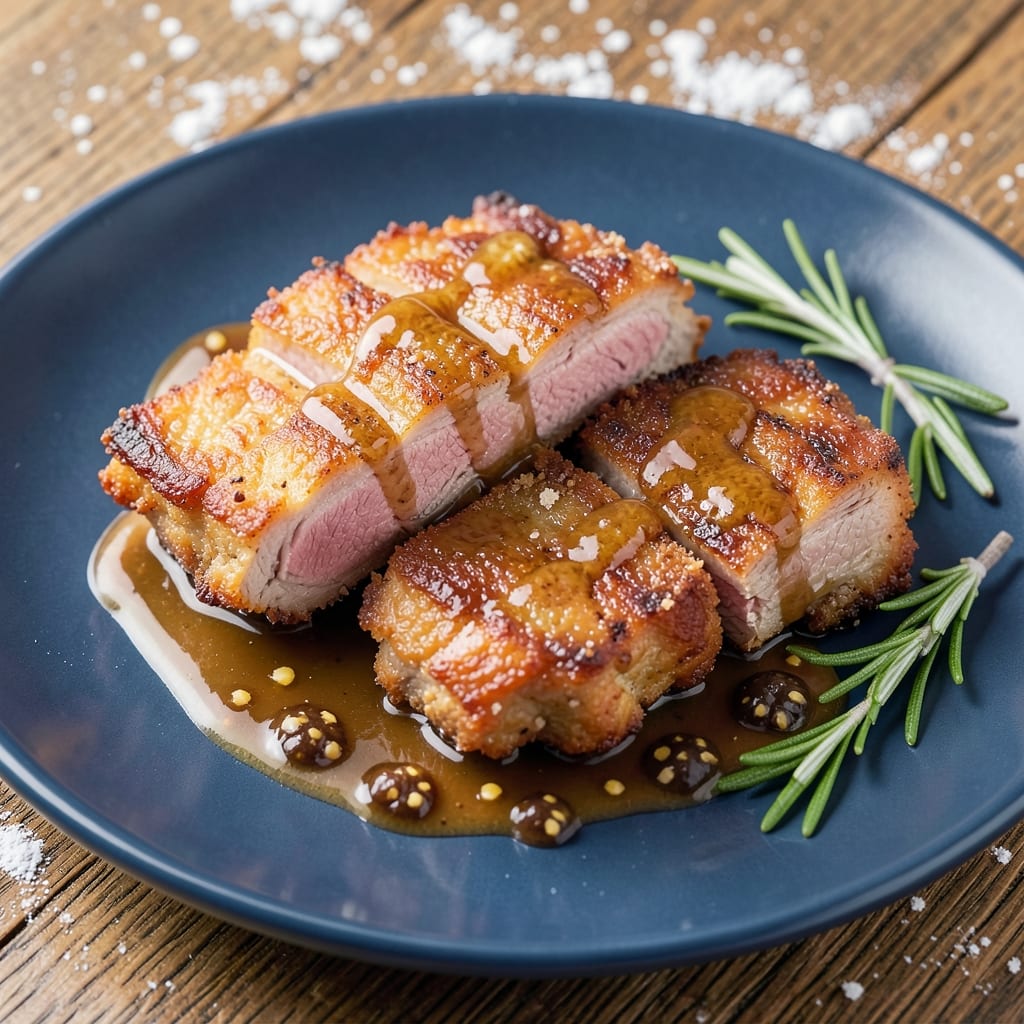
This fried pork chop sauce recipe delivers restaurant-quality results with a crispy apple cider pan-sear that transforms ordinary pork into something extraordinary. The secret lies in high-heat searing with apple cider, creating a caramelized crust that locks in juices while building complex flavors. I've perfected this technique over years of cooking for crowds at The Smoky Pig, where we process 2,000 pounds of pork weekly—this is the method I trust most.
The magic happens in two stages: first searing the chops until golden brown, then finishing them in the same pan with apple cider to create a glossy, flavorful reduction. This technique works wonders with bone-in chops, as the bone adds richness to the sauce while keeping the meat impossibly tender. The sauce itself is simple—a balance of apple cider, butter, and a touch of Dijon mustard—that complements rather than overpowers the pork's natural flavors.
What you'll end up with is perfectly cooked pork chops with a crispy, caramelized crust and a glossy apple cider sauce that ties everything together. The sauce cuts through the richness of the pork while adding sweet-tangy depth, creating a harmonious balance in every bite. This dish pairs beautifully with roasted seasonal vegetables or creamy mashed potatoes, making it a complete weeknight meal.
Whether you're cooking for a family dinner or treating yourself to a special meal, this recipe delivers professional-quality results with minimal effort. The technique is foolproof once you understand the key steps, and the flavors are so satisfying that even picky eaters will ask for seconds. Let's get started on creating this perfect fried pork chop experience.
Ingredients for fried pork chop sauce
These ingredients transform simple pork chops into restaurant-worthy bites with crispy crusts and tangy-sweet sauce.
| Ingredient | Amount | Notes |
|---|---|---|
| Bone-In Pork Chops 🥩 | 4 whole | 1-inch thick, cutlets preferred |
| Unsalted Butter 🧈 | ½ cup | Cold, cut into 8 pieces |
| Apple Cider 🍎 | ½ cup | Unfiltered, for depth of flavor |
| All-Purpose Flour 🌾 | 2 tbsp | For dredging, any brand works |
| Olive Oil 🫒 | 2 tbsp | For high-heat searing |
| Garlic Cloves 🧄 | 2 cloves | Minced, for aromatic base |
| Yellow Onion 🧅 | 1 whole | Thinly sliced, for sweetness |
| Dijon Mustard 🍯 | 1 tbsp | For tangy depth |
| Apple Cider Vinegar 🍋 | 1 tbsp | For bright acidity |
| Fresh Thyme Leaves 🌿 | ¼ cup | Chopped, for herbal notes |
| Salt 🧂 | 1 ½ tsp | Kosher or sea salt |
| Ground Black Pepper 🌶️ | ½ tsp | Freshly cracked |
| Brown Sugar 🍚 | 1 tbsp | For caramelized finish |
The pork chops are non-negotiable here. Bone-in, 1-inch thick cuts give you the best flavor and texture—Costco or local butcher shops usually have them prepped perfectly. If you're using boneless, pat them dry first; moisture is the enemy of that crispy crust. The apple cider should be the unfiltered kind—Mott's or local orchard brands work best. For the butter, grab the European-style unsalted from the store's dairy section; it's higher in fat and gives better browning. Fresh thyme is ideal, but dried works at one-third the amount if you're in a pinch.
No apple cider vinegar? White vinegar or lemon juice will do in a bind. Running short on Dijon? Yellow mustard at double the amount keeps the tang. The brown sugar can be swapped for white, but turbinado adds a nice crunch if you're feeling fancy. For the olive oil, light or extra-light works best—it has a higher smoke point for that perfect sear. If you're using pre-minced garlic, drain it well to avoid a soggy sauce. And trust me, don't skip the flour dredge—it's what creates that magical crust.
The sauce reheats beautifully—just warm it gently on the stove, no need to reheat the chops. Keeps for 3-4 days in the fridge, or 3 months frozen in portions. I like to make a double batch and freeze half; perfect for lazy weeknights. Store the sauce separately if you're freezing the chops—reheat them together for maximum flavor. These chops are even better the next day when the flavors meld together.
Why You'll Love This Recipe
- Pan-Friendly Magic: I swear by this recipe because it’s one pan, done—no fancy equipment, just a skillet and a little elbow grease. The bone-in chops stay juicy while the sauce caramelizes, and honestly? That’s the kind of hands-off cooking that makes me feel like a hero on a busy night.
- Apple Cider Twist: Between us, the apple cider is the star—it cuts through the richness of the butter and pork, giving it this bright, tangy depth. It’s like a hug in a pan: sweet, savory, and just a little bit fancy without trying too hard.
- Leftovers That Shine: This sauce thickens beautifully when reheated, so I make a double batch and stash it in the fridge. Cold pork chops? Still delicious. Reheated? Even better—just toss them with a splash of water or cider to loosen the sauce, and boom, dinner’s saved.
- Budget-Boosting Protein: Bone-in pork chops are cheaper than their boneless cousins, and the bones add flavor and substance to the sauce. I’m talking rich, gelatinous goodness that turns a simple weeknight meal into something that feels special—without breaking the bank.
Step-by-step instructions for apple cider pan-seared pork chops
Here's the professional method that delivers crispy crusts and rich apple cider sauce every time.
Prepare the Pork Chops for Perfect Crispiness
Pat the 4 whole bone-in pork chops completely dry with paper towels—this is critical for achieving that golden crust. I like to use a clean kitchen towel for the final wipe to ensure no moisture remains. Place the chops on a plate and season both sides generously with the 1.5 teaspoons salt and 0.5 teaspoon ground black pepper. Let them sit at room temperature for 15 minutes while you prepare the rest of your ingredients.
This seasoning step shouldn't be rushed. The salt needs time to penetrate the surface, and the chops should reach room temperature for even cooking. I've found that chops straight from the fridge often cook unevenly, with the outside overcooking while the inside remains cold.
Create the Crispy Butter and Flour Coating
In a large skillet, melt the 0.5 cup unsalted butter over medium heat until it foams but doesn't brown. Remove the pan from heat and stir in the 2 tablespoons all-purpose flour, creating a paste. Return the pan to medium heat and cook for 1-2 minutes until the mixture turns a light golden color and smells nutty—this is your crust base.
While this mixture cooks, dredge each pork chop in the flour mixture, pressing gently to adhere. The coating should be even but not thick—you want a delicate crust that crisps beautifully without overwhelming the natural flavor of the pork. I use a fork to help press the coating into the meat, especially on the edges.
Sear the Chops to Golden Perfection
Add the 2 tablespoons olive oil to the skillet with the butter-flour mixture and heat over medium-high until shimmering. Working in batches if needed, add the coated pork chops and cook for 3-4 minutes per side until they develop a deep golden-brown crust. The key here is patience—don't rush the searing or the crust will be pale and mealy.
As the chops cook, you'll notice the butter and flour mixture will bubble and darken slightly. This is normal and actually enhances the flavor. Once the chops are browned, remove them from the pan and set aside on a plate, keeping them warm. The residual heat will help maintain their temperature while you prepare the sauce.
Build the Apple Cider Sauce
In the same skillet, reduce heat to medium and add the 1 whole yellow onion and 2 cloves garlic cloves. Cook for 2-3 minutes until the onions soften and the garlic becomes fragrant. Pour in the 0.5 cup apple cider and 1 tablespoon apple cider vinegar, scraping up any browned bits from the bottom of the pan with a wooden spoon.
Bring the mixture to a gentle simmer and cook for 5-6 minutes until the liquid reduces by about half. Stir in the 1 tablespoon dijon mustard, 0.25 cup fresh thyme leaves, and 1 tablespoon brown sugar. The sauce should thicken slightly as it cooks, developing a beautiful caramelized color and rich aroma. Taste and adjust seasoning if needed.
Finish and Serve
Return the pork chops to the skillet and spoon the apple cider sauce over them. Let everything simmer together for 2-3 minutes to allow the chops to absorb the sauce and reach their final temperature. The internal temperature should read 145°F when measured at the thickest part of the chop.
Transfer the pork chops to serving plates and drizzle generously with the remaining sauce. The chops should have a beautiful golden crust on the outside and remain tender and juicy on the inside. Serve immediately with your choice of sides—roasted vegetables or mashed potatoes complement this dish beautifully.
Pro Tips For Making Fried Pork Chop Sauce
- CRISP THE SKIN FIRST: Pat the pork chops dry with paper towels, then sear skin-side down in olive oil over medium-high heat for 3-4 minutes—no flipping yet. I used to skip this and ended up with soggy skin and uneven cooking; the skin renders fat and crisps, locking in flavor while the rest cooks through.
- USE COLD APPLE CIDER: Chill the apple cider in the fridge for 10 minutes before adding it to the pan—this prevents the sauce from immediately boiling over when it hits the hot butter. I learned this the hard way when a full pot of bubbling cider splashed all over my stove (and my patience).
- FLIP ONCE, ONLY ONCE: Let the pork chops cook undisturbed for 4-5 minutes on the first side before flipping—resist the urge to check or move them. After flipping, cook another 3-4 minutes (bone-side down if bone-in). I was guilty of flipping too soon, and the chops turned out uneven and dry.
- BUTTER IN BATCHES: Add the unsalted butter to the pan in two additions: first after removing the pork chops, then again after the sauce reduces slightly. This keeps the sauce rich without burning it—my first attempts dumped all the butter in at once, leading to a greasy, bitter mess.
Troubleshooting perfect results
Undercooked Pork Chops
If your pork chops aren't reaching 145°F internal temperature, you're likely cooking them too quickly or at too low a heat. I've seen this happen when using thin chops or when the pan isn't hot enough. Always use a meat thermometer—insert it at the thickest part of the chop, avoiding the bone. For 1-inch thick chops, they should take about 3-4 minutes per side total cooking time at medium-high heat. If they're still undercooked, return them to the pan and cook another 1-2 minutes per side, but watch closely to avoid overcooking. 🌡️
Sauce Too Thin
The sauce might be too thin if you didn't reduce it enough or if you added too much liquid. The apple cider should reduce by about half, so aim for 5-6 minutes of simmering time. If it's still too thin, remove the pan from heat and let it reduce naturally for another 2-3 minutes. Alternatively, whisk in 1 teaspoon cornstarch mixed with 1 tablespoon cold water to thicken it up. I prefer the natural reduction method—it adds more depth to the flavor.
Crust Not Crispy
A pale, mealy crust usually means one of two things: either the pan wasn't hot enough, or the chops were overcrowded. Heat your skillet until it's smoking hot before adding the chops—you should see a slight shimmer in the oil. Also, cook in batches if needed. I've found that using a 12-inch cast iron skillet works best for this recipe, and it should be empty except for the chops when searing. If the crust is still not crispy, try pressing the chops down gently with a spatula during cooking to encourage better contact with the pan.
Sauce Too Salty
If your sauce ends up too salty, it's usually because the pork chops were over-seasoned before cooking. I recommend seasoning the chops just before cooking rather than pre-seasoning them. If the sauce is already made and too salty, try balancing it with a splash of apple cider vinegar or a pinch of brown sugar to sweeten the flavor. You can also stir in a small piece of fresh thyme or a few drops of vanilla extract to add complexity and mask the saltiness. 💡
Pork Chops Too Dry
Overcooking is the most common cause of dry pork chops. Once they reach 145°F internal temperature, remove them immediately from the pan. If they're still juicy but you're worried about drying out, try resting them for 5-10 minutes before serving. The residual heat will help them finish cooking while allowing the juices to redistribute. Another trick is to tent them loosely with aluminum foil during the resting period. If they're already dry, serve them with extra sauce to compensate for the lack of moisture.
Burnt Onions or Garlic
Burnt onions or garlic can happen if you cook them too long before adding the apple cider. Keep an eye on them and add the cider as soon as they're softened but still pale in color. If they do burn, scrape up the browned bits—they add depth to the sauce! Just be careful not to let the onions turn black. For extra insurance, I like to add the onions and garlic to the pan right after removing the seared chops, so the pan is still hot but not scorching. 🔥
Nutrition facts
Frequently asked questions
Can I use boneless pork chops for this recipe?
Yes, but bone-in chops are preferred for better flavor and moisture retention. If using boneless, pat them extra dry and consider adding a splash of apple cider to the pan when searing to prevent dryness. The cooking time will be slightly shorter—about 2-3 minutes per side for 1-inch thick boneless chops.
What's the best way to store leftovers?
Store the pork chops and sauce separately in airtight containers. The chops keep for 3-4 days in the fridge, while the sauce lasts 5-6 days (or 3 months frozen). Reheat the sauce gently on the stove, then warm the chops together in the sauce for 2-3 minutes to restore moisture. The flavors actually improve overnight!
Can I substitute apple cider with something else?
For a similar flavor, try apple juice or white grape juice (use equal amounts). For a different profile, swap for dry sherry or chicken stock. Avoid sweet juices like orange juice—they'll overpower the dish. If using stock, add 1 teaspoon brown sugar to balance the savoriness.
How do I make this recipe gluten-free?
Replace the all-purpose flour with 2 tablespoons gluten-free flour blend or cornstarch. For extra crispiness, coat the chops in 1 tablespoon gluten-free flour + 1 tablespoon crushed cornflakes. The sauce remains naturally gluten-free as long as you avoid flour-based thickeners. Test with a small batch first—some gluten-free flours brown differently.
What sides pair best with these pork chops?
Roasted seasonal vegetables (like Brussels sprouts or green beans) or creamy mashed potatoes work beautifully. For a lighter option, try a crisp apple salad with mixed greens and walnuts. The apple cider notes in the pork chops complement these sides perfectly. At The Smoky Pig, we often serve them with cornbread for soaking up the sauce.