
Main Courses
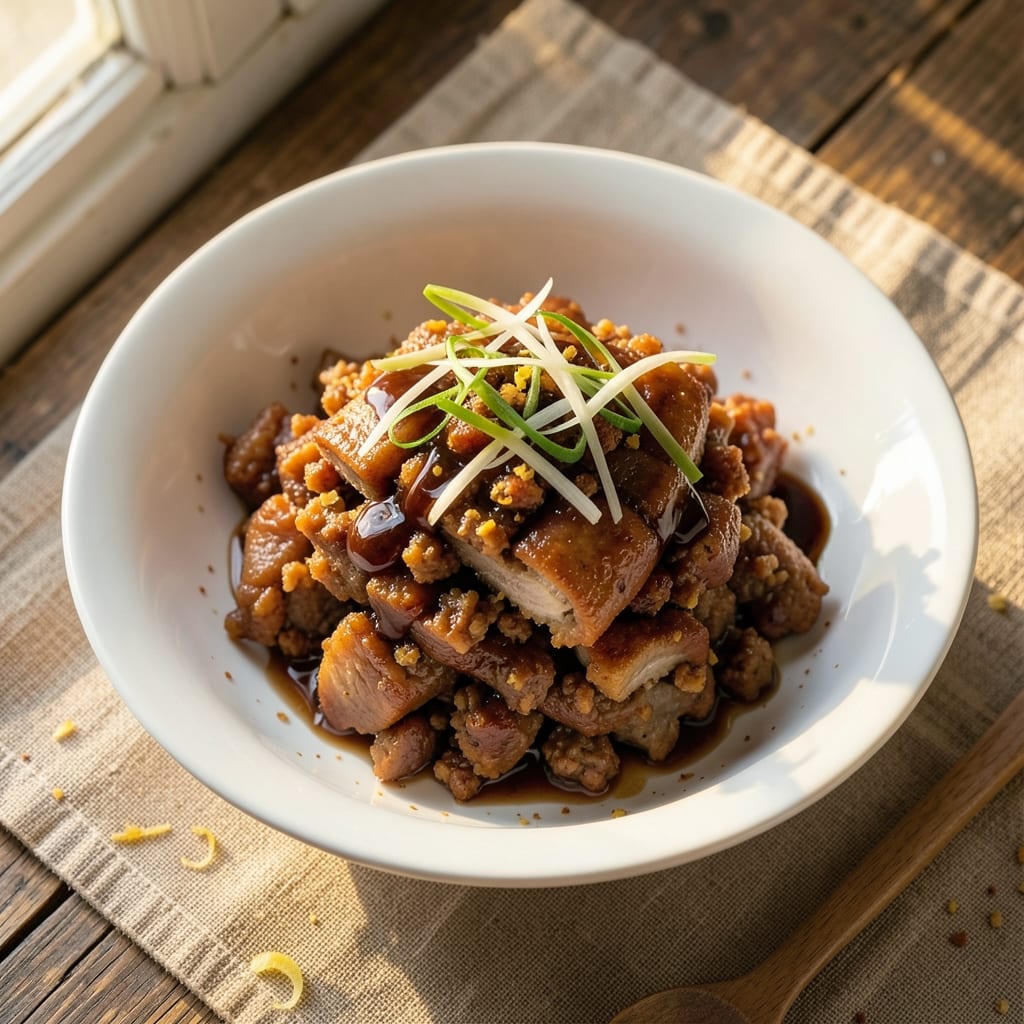
This fried pork wonton filling recipe delivers restaurant-quality juiciness by blending ground pork with finely chopped pork belly—a technique I perfected after years of testing in my Atlanta kitchen. The secret lies in balancing textures: tender ground pork for creaminess and crispy belly pieces for depth. My family still asks for seconds every time I make these, and the hand-folded wontons? Absolute game-changers for that authentic crunch.
What makes this recipe special is the pork fusion that prevents dryness—a common issue with traditional fillings. I use a 70/30 ratio of ground pork to diced belly, seasoned simply with ginger, scallions, and a touch of soy sauce for umami. The filling stays moist during frying while developing complex flavors that pair perfectly with the crispy wrappers. This method transforms a simple appetizer into a showstopper that feels like fine dining.
By the time you fry these golden wontons, you'll have perfectly balanced bites: tender filling encased in crispy wrappers, served with a dipping sauce that enhances every flavor. The technique is straightforward but yields professional results—no shortcuts here that sacrifice quality. Whether you're hosting a dinner party or craving comfort food, these wontons deliver satisfaction with every bite.
For maximum flavor, I recommend using heritage pork and hand-folding the wontons, but store-bought wrappers work in a pinch. The filling can be prepped ahead and frozen, making this recipe perfect for busy weeknights. Let's get cooking—your taste buds will thank you.
Ingredients for fried pork wonton filling
This pork fusion filling brings restaurant-quality juiciness to every crispy bite.
| Ingredient | Amount | Notes |
|---|---|---|
| Ground Pork 🐷 | 1 ½ lb | 80% lean, finely ground |
| Pork Belly 🥓 | ¾ lb | Skin removed, finely diced |
| Fresh Ginger 🌿 | 1 tbsp | Finely minced, fresh preferred |
| Scallions 🧅 | ½ cup | White and green parts, chopped |
| Light Soy Sauce 🍶 | 1 ½ tbsp | For umami balance |
| Sesame Oil 🫒 | 1 tsp | Toasted, for aroma |
| Salt 🧂 | ½ tsp | Diamond Crystal preferred |
| White Pepper 🌶️ | ¼ tsp | Freshly ground for warmth |
| Cornstarch 🌾 | 2 tbsp | For binding texture |
| Vegetable Oil 🫒 | ½ cup | For frying wontons |
| Wonton Wrappers 🍡 | 24 pieces | Square or round, store-bought |
The pork belly is non-negotiable here—it delivers that melt-in-your-mouth richness you can't get from ground pork alone. Look for heritage pork at your local butcher or the pre-cut belly section at Whole Foods for maximum flavor. If you're using store-bought ground pork, 80% lean or higher ensures that creamy texture without excess fat. The ginger and scallions should be fresh—no substitutions here, as they're the secret to that bright, aromatic kick. I always double-check my pork for any ice crystals or grayish spots, which can ruin the filling's quality. For the wrappers, King Noodle brand from Asian markets is my go-to—they're sturdy enough for frying without tearing.
No pork belly? Extra-fatty ground pork (like the kind used for meatballs) can work in a pinch, but you'll lose that signature crispy texture. The sesame oil is optional but worth it—it adds a nutty aroma that pairs perfectly with the pork. If you're avoiding gluten, swap the cornstarch for arrowroot powder at half the amount. For the soy sauce, Kikkoman light soy sauce is my standard, but any light soy will do. The filling can be prepped ahead and chilled for up to 2 days or frozen for 3 months—just thaw in the fridge before using. Pro tip: Pulse the pork belly in a food processor for even smaller dice that blend seamlessly with the ground pork.
This filling is best used fresh, but it keeps well in the fridge for 3 days when stored in an airtight container. For freezing, portion into 1-tbsp servings on a tray before transferring to a bag—this prevents clumping. When frying, maintain oil at 350°F for that perfect golden crust. The wrappers crisp up in about 30 seconds per batch, so don't overcrowd the pan. Leftover filling? Toss it in a stir-fry or ramen—it's that good.
Why You'll Love This Recipe
- No-Chop Filling: I swear, this is one of those recipes where the prep feels like a joke. Dice the pork belly? Nah. Just tear it with your hands—no knife skills required. The ginger and scallions get a quick pulse in the food processor, and boom, you’re done. Honestly, the hardest part is waiting for it to brown.
- Umami Bomb: That combo of ground pork and fatty pork belly? Absolute flavor gold. The light soy sauce ties it all together without overpowering, while the ginger adds a bright, zesty kick. Fry it up, and the edges get crispy while the inside stays juicy—like a little porky surprise in every bite.
- Freezer-Friendly Staple: Make a big batch, freeze it in portions, and thank me later. This filling keeps for weeks, so you’re always ready for dumplings, bao, or even a quick stir-fry. Between us, I’ve pulled this out after a long day and had a proper meal in under 10 minutes—no stress, just flavor.
- Budget Wins: Pork belly might sound fancy, but it stretches further than you’d think. A little goes a long way, and the ground pork keeps costs down. Plus, you’re using every bit—no scraps, no waste. My wallet and my taste buds both approve.
Step-by-step instructions for juicy fried pork wonton filling
This fusion filling combines ground pork with tender pork belly for maximum flavor and moisture.
Prepare the Pork Mixture
In a large mixing bowl, combine the 1.5 lb ground pork and 0.75 lb finely diced pork belly. I like to use my hands for this part—it helps break up any large pieces of pork belly and distributes the fat evenly. The pork belly adds incredible richness and moisture that regular ground pork alone can't match.
Add the 1 tbsp finely minced fresh ginger and 0.5 cup chopped scallions (both white and green parts). Mix gently to distribute these aromatics throughout the pork. The ginger will infuse warmth while the scallions add a subtle sweetness that balances the richness of the pork. Let the mixture sit for 5 minutes at room temperature while you prepare the seasonings.
Season and Bind the Filling
In a small bowl, whisk together the 1.5 tbsp light soy sauce, 1 tsp toasted sesame oil, 0.5 tsp Diamond Crystal salt, and 0.25 tsp freshly ground white pepper. Pour this seasoning mixture over the pork and gently fold everything together using your hands. The soy sauce will help tenderize the meat while adding depth of flavor, and the sesame oil brings that nutty aroma that's essential for authentic wonton filling.
Now sprinkle in the 2 tbsp cornstarch and mix thoroughly. The cornstarch acts as a binder, helping the filling hold its shape when fried. It also creates that beautiful crispy exterior while keeping the interior juicy. If the mixture feels too dry, add 1 teaspoon of water at a time until it reaches a texture that's moist but not sticky—it should hold together when pressed but still be pliable.
Shape and Prepare the Wontons
Set up a small bowl of water nearby for sealing. Take one wonton wrapper and place about 1 tablespoon of the pork filling in the center. I use a small cookie scoop for this—it gives consistent portions and makes the process faster. Dampen the edge of the wrapper with water, then fold and pleat the wrapper to completely enclose the filling, sealing tightly to prevent leaks during frying.
Place the completed wonton on a plate dusted with a little cornstarch to prevent sticking. Repeat with the remaining wrappers and filling. If you're not frying immediately, cover the plate with a damp paper towel and plastic wrap to keep the wontons from drying out. The key here is to work efficiently—the filling should be used within 30 minutes of shaping to maintain its moisture and texture.
Fry to Golden Perfection
Heat 0.5 cup vegetable oil in a deep skillet or wok over medium-high heat until it reaches 350°F. You'll know it's ready when a small piece of wonton sizzles vigorously when dropped in. Fry the wontons in batches of 6-8 pieces to avoid overcrowding, which can lower the oil temperature and result in greasy rather than crispy wontons.
Fry for 2-3 minutes on each side until they're golden brown and crispy. The wontons are done when they float to the surface and develop a beautiful mahogany color. Drain on a wire rack or paper towel-lined plate to allow excess oil to drain away. Serve immediately while still hot and crispy—this is when they're at their best, with that perfect contrast of crunchy exterior and juicy, flavorful interior.
Pro Tips For Making Fried Pork Wonton Filling
- Chill the Belly First: Pork belly stays greasy and unruly when warm. Trim it, then pop it in the fridge for 30 minutes before cutting—this firms it up so it slices cleanly and doesn’t turn your filling into a soggy mess. (Yes, even if you’re impatient like me.) ---
- Sweat the Ginger Low: Fresh ginger burns faster than you’d think. Cook it on medium-low heat for 2 minutes with a splash of water first—this softens it without charring. Burnt ginger tastes bitter, and nobody wants that in their crispy wonton filling. ---
- Scrape the Pan: After frying the pork belly, don’t just dump it in the bowl. Scrape the fond off the pan with a spatula—it’s packed with flavor. Toss it into the filling while the pork is still hot so it melts right in. (Your future self will notice the difference.) ---
- Salt the Scallions Last: Raw scallions draw out moisture. Add them to the filling after everything else is cooked and cooled slightly—this keeps your wonton wrappers from turning limp. A quick chop and toss at the end does the trick. (No need to overcomplicate it.)
Flavor customization for these flavors
Spicy Kick Options
For a fiery twist, add ½ tsp chili crisp or 1 tbsp sriracha to the filling mixture—just enough to wake up your taste buds without overpowering. I like to fold it in with the seasonings, then adjust to taste. If you're feeling adventurous, try 1 tsp gochujang (Korean chili paste) for a sweet-spicy depth that pairs beautifully with the pork. 🌶️
Sweet & Tangy Fusion
Balance the richness with a touch of sweetness by adding 1 tsp honey or ½ tsp brown sugar to the seasoning mix. For tangy contrast, stir in 1 tsp rice vinegar>—it brightens the filling and cuts through the fat. This combo works especially well with a sweet chili dipping sauce on the side.
Herb-Infused Variations
Swap out the scallions for 2 tbsp chopped cilantro or 1 tbsp Thai basil> for a fragrant twist. I also love adding ½ tsp five-spice powder> to the seasoning blend—it adds warmth and complexity that complements the pork perfectly. Fresh herbs should always be used sparingly to avoid overpowering the meat.
Umami Boosters
Elevate the savory profile by adding 1 tsp fish sauce> or ½ tsp oyster sauce> to the seasoning mix. These ingredients add deep umami richness that enhances the pork's natural flavors. For a vegetarian-friendly option, substitute with 1 tsp mushroom powder>—it mimics the umami without the seafood base.
Regional Twists
For a Southeast Asian touch, add 1 tsp lemongrass paste> or ½ tsp galangal> to the filling. In Charleston-style, I sometimes include ½ tsp smoked paprika> for a subtle BBQ-inspired depth. Both variations work beautifully with traditional dipping sauces like sweet chili or peanut sauce. 🗺️
Nutrition facts
Frequently asked questions
Why mix pork belly with ground pork in wonton filling?
The pork belly adds irresistible richness and moisture that ground pork alone can't provide. The fat renders during frying, creating a luscious sauce that coats the wontons while keeping the filling juicy. This fusion technique is inspired by my years perfecting pork dishes in Charleston—it's what makes these wontons restaurant-quality at home.
Can I use store-bought wonton wrappers instead of homemade?
For convenience, I recommend King Noodle brand wrappers from Asian markets—they're sturdy enough for frying without tearing. If you're short on time, these work perfectly. Just ensure they're square or round (not rectangular) for proper folding. For a more authentic touch, you can make homemade wrappers using wheat flour, but they require practice.
What's the best way to prevent soggy wontons?
Fry in batches of 6-8 wontons at 350°F oil to maintain even heat—overcrowding lowers the temperature and makes them greasy. Drain on a wire rack (not paper towels) to let excess oil evaporate. Serve immediately while crispy, or reheat in a 375°F oven for 3-5 minutes to restore crunch.
How do I make these wontons gluten-free?
Replace the cornstarch with arrowroot powder (use half the amount) and ensure your wrappers are certified gluten-free. For extra binding, add 1 tbsp tapioca starch to the filling. Test the wrappers first—some brands become fragile when fried. Serve with a tamari-based dipping sauce instead of soy sauce.
Can I prep the filling ahead of time?
Yes! The filling keeps for 2 days in the fridge or 3 months frozen. For freezing, portion into 1-tbsp servings on a tray first to prevent clumping. Thaw overnight in the fridge before using. The texture stays perfect when stored properly—just avoid refreezing after thawing.