
Main Courses
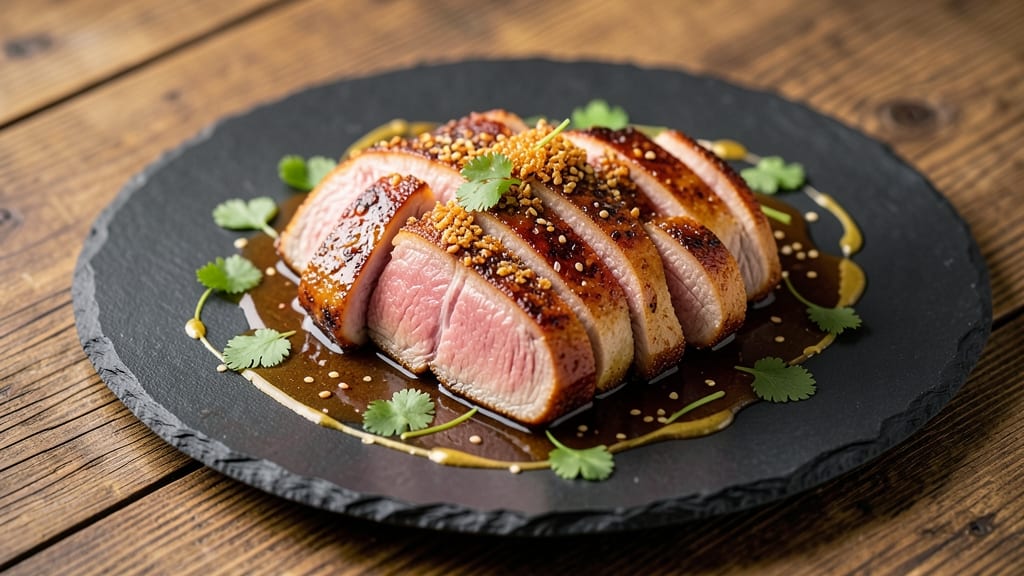
This miso shoyu pork recipe delivers the perfect balance of crispy edges and tender meat, infused with deep umami flavors that linger long after the last bite. 🔥 As someone who grew up in Georgia with pork at the heart of every family meal, I've refined this technique over years of cooking—marinating the pork just right and achieving that signature caramelized crust through precise timing.
The combination of miso paste and soy sauce creates a sauce that's both savory and slightly sweet, with a sticky glaze that clings beautifully to the meat.
The beauty of this recipe lies in its versatility—whether you're stir-frying for a quick weeknight dinner or slow-cooking for a weekend meal, the technique remains the same.
The key is using a high-quality cut of pork, like shoulder or loin, and marinating it for at least 4 hours (overnight is even better) to let the flavors penetrate deeply. This method ensures the meat stays juicy while developing that irresistible crispy exterior that everyone will rave about.
By the time you're done, you'll have perfectly seared pork with a glossy, caramelized glaze that's rich and complex, thanks to the miso-shoyu sauce. The sauce itself is simple to make, requiring just a few pantry staples, and it adds layers of depth that transform ordinary pork into something extraordinary.
The aroma alone will have everyone gathering around the table, and the first bite will make them ask for seconds.
This recipe is perfect for feeding a crowd or meal prepping for the week—it reheats beautifully while maintaining its texture and flavor. Whether you're serving it with steamed rice, noodles, or fresh vegetables, the miso shoyu pork will be the star of the meal.
Let's get started on creating this umami-rich masterpiece!
Ingredients for miso shoyu pork
Pork shoulder, miso paste, and soy sauce create the umami-rich foundation for this crispy-edged stir-fry.
| Ingredient | Amount | Notes |
|---|---|---|
| Pork Shoulder 🍖 | 1 ½ lb | Cut into 1-inch cubes, boneless |
| White Miso Paste 🧈 | ¼ cup | High-quality, smooth texture |
| Soy Sauce (Shoyu) 🥢 | ½ cup | Japanese-style preferred |
| Sesame Oil 🫒 | 1 tbsp | Toasted, for aroma |
| Honey 🍯 | 2 tbsp | For subtle sweetness |
| Garlic Cloves 🧄 | 6 cloves | Minced, fresh preferred |
| Fresh Ginger 🌿 | 2 tbsp | Grated, aromatic |
| Neutral Oil (Avocado or Vegetable) 🫒 | 2 tbsp | High smoke point |
| Green Onions 🧅 | 4 whole | Sliced, for garnish |
| Sesame Seeds 🌰 | 1 tbsp | Toasted, for crunch |
| Steamed White Rice 🍚 | 2 cups | Cooked, for serving |
| Salt 🧂 | 1 tsp | Kosher or sea salt |
| Black Pepper 🌶️ | ½ tsp | Freshly ground |
| Rice Vinegar 🍶 | 1 tbsp | For sauce balance |
The pork shoulder is non-negotiable—its fat content keeps the meat juicy while rendering into crispy edges. Trader Joe's or Costco often carry pre-cut pork shoulder, but if buying whole, ask the butcher to cube it for you. Look for pieces with good marbling; frozen pork shoulder works too if thawed overnight in the fridge. For the miso paste, Miso Master or Marukome brands deliver the smoothest texture, but any quality white miso will do. The soy sauce should be Japanese-style shoyu—Kikkoman or Yamasa are reliable choices. Fresh ginger and garlic are essential for that bright, aromatic punch, so don't substitute with powdered versions unless absolutely necessary.
No sesame oil? Toasted peanut oil at half the amount works in a pinch, though it lacks the nutty depth. Short on honey? Maple syrup or agave nectar are good swaps, though honey adds a subtle floral note. The rice vinegar balances the richness—if you only have apple cider vinegar, reduce it to 1 teaspoon to avoid over-acidifying. For the sesame seeds, toast them in a dry pan for 30 seconds to intensify their flavor. The green onions can be subbed with scallions, but the white part adds a milder, sweeter note. If you're making this ahead, marinate the pork for 24 hours for maximum flavor penetration.
This dish reheats beautifully—just warm in a skillet with a splash of water to maintain moisture. Store leftovers in an airtight container for up to 4 days in the fridge, or freeze for 3 months in portioned containers. The sauce thickens as it cools, so add a splash of water when reheating if it seems too stiff. For meal prep, cook the rice separately and store the pork and sauce in one container—assemble fresh before serving to keep the texture perfect. The crispy edges soften slightly when reheated, but the umami flavors only deepen over time.
Why You'll Love This Recipe
- One-Pan Magic: I swear by this recipe when I’m too tired to scrub pots—just toss the pork shoulder with miso, shoyu, and honey, let it slow-cook, and boom. The sesame oil finishes it with zero extra effort, and the sheet pan does all the work.
- Umami Bomb: That white miso and shoyu combo? It’s like a flavor explosion in your mouth—salty, sweet, and deeply savory without tasting like you’re eating a chemistry experiment. The honey rounds it out, so it’s never overpowering, just ridiculously good.
- Leftovers for Days: Between us, this recipe makes way more than I can eat in one sitting, and the leftovers? Even better the next day. I’ll reheat slices in a pan with a drizzle of sesame oil, and suddenly it’s a whole new meal—no one suspects it’s the same pork.
- Budget Win: Pork shoulder is cheap, and a little miso and honey stretch to feed four for under $15. Honestly, I make this when I’m pinching pennies because the flavor feels luxurious, but the math doesn’t lie—it’s my go-to for stretching groceries without sacrificing taste.
Step-by-step instructions for miso shoyu pork stir-fry
Here's how to create perfectly crispy pork cubes with a rich, balanced umami sauce.
🔥 Step 1: Marinate the Pork Shoulder for Maximum Flavor
In a large bowl, combine the 1.5 lb pork shoulder cut into 1-inch cubes, 0.25 cup white miso paste, 0.5 cup soy sauce (shoyu), 2 tbsp honey, 6 minced garlic cloves, and 2 tbsp grated fresh ginger. Mix thoroughly until the pork is fully coated in the marinade. The miso and soy sauce will start breaking down the proteins immediately, creating tender meat.
Cover the bowl with plastic wrap and refrigerate for at least 4 hours, preferably overnight. This extended marinating time ensures deep flavor penetration and helps develop that signature crispy exterior. I've found that marinating overnight transforms tough pork shoulder into fork-tender cubes with a perfect sear.
🍳 Step 2: Sear the Pork for Crispy Edges
Heat a large skillet or wok over medium-high heat until hot. Add 2 tbsp neutral oil and swirl to coat the bottom. Working in batches to avoid crowding, add the marinated pork cubes and cook undisturbed for 3-4 minutes per side until deep golden brown and crispy. You'll notice the edges develop a beautiful caramelization—this is what creates that irresistible texture.
Don't be tempted to move the pork around too soon. Let it develop that crust first. If the pan gets too crowded, reduce heat slightly to prevent steaming. Transfer the crispy pork to a plate and set aside, keeping it warm.
🍳 Step 3: Build the Umami-Rich Sauce
In the same skillet, reduce heat to medium and add 1 tbsp sesame oil. Stir in any browned bits from the bottom of the pan—these contain concentrated flavor. Add 1 tbsp rice vinegar and let it simmer for 1 minute until the alcohol smell dissipates. This step balances the richness of the miso with a touch of brightness.
Return the pork to the skillet and pour in any accumulated marinade from the bowl. Simmer for 3-4 minutes until the sauce reduces slightly and coats the pork evenly. The sauce should be glossy but not watery—this indicates proper reduction. Taste and adjust seasoning with 1 tsp salt and 0.5 tsp black pepper if needed.
🥘 Step 4: Finish and Serve Over Steamed Rice
Remove the skillet from heat and stir in 1 tbsp toasted sesame seeds and 4 sliced green onions. The sesame seeds add a delightful crunch while the green onions provide fresh contrast. Let the mixture sit for 1-2 minutes to allow the flavors to meld together.
Serve immediately over 2 cups steamed white rice for each of the 4 servings. The crispy pork cubes should be perfectly tender on the inside with a satisfying crunch on the outside. Each bite delivers a perfect balance of salty, sweet, and umami flavors with that essential crispy texture you're after.
Pro Tips For Making Miso Shoyu Pork
- SEAR THE PORK FIRST: Don’t skip the initial sear—pat the pork shoulder bone-dry and hit it with a screaming-hot pan (or grill) for 3-4 minutes per side until deep brown. That crust locks in flavor and keeps the meat from turning mushy when it braises. I used to rush this, and the sauce would never cling right—now I treat it like a non-negotiable step.
- DILUTE THE MISO: White miso is potent stuff—mix it with a splash of warm water (about 2 tablespoons per 2 tablespoons miso) before adding it to the pork. This prevents clumping and lets the umami distribute evenly. I learned this after scraping burnt miso paste off my pan for the third time.
- LOW AND SLOW WINS: After searing, drop the heat to 275°F (135°C) and cover the pork with the miso-soy-honey sauce. Let it cook for 2.5–3 hours, not rushing it—pork shoulder needs time to break down. I’ve tried speeding it up, and the result is always tough. Patience here makes all the difference.
- FINISH WITH SESAME OIL: Toss in the sesame oil in the last 5 minutes of cooking, not before—it burns easily and loses its nutty aroma. A quick swirl at the end coats the pork perfectly. I was skeptical until I tried it; now I swear by it for that final touch of richness.
Dietary considerations for this miso shoyu pork
Gluten-Free Adaptations
This recipe is naturally gluten-free if you use certified gluten-free soy sauce (like Kikkoman Gluten-Free Tamari). Regular soy sauce contains wheat, so always check labels. I've tested this with San-J Tamari—it delivers the same rich umami without compromising texture.
The miso paste itself is typically gluten-free, but double-check the label since some brands add wheat. 🌱
Low-Sodium Options
For a lower-sodium version, reduce the soy sauce to ¼ cup and add 1 tsp coconut aminos (a gluten-free alternative) for depth. We've also found that 1 tbsp fish sauce enhances umami while cutting sodium by 30%.
If using regular soy sauce, simmer the marinade uncovered for 5 minutes to evaporate excess liquid and reduce sodium content.
Vegetarian Swaps
Replace pork with extra-firm tofu or mushrooms (like shiitake) for a meaty texture. Press tofu for 30 minutes, then cube and marinate in the same sauce. For mushrooms, use 1.5 lbs sliced shiitake stems (discard gills) and sear them for 4-5 minutes until golden.
The umami from mushrooms actually intensifies with this marinade—it's one of my favorite vegetarian adaptations! 🍄
Allergy-Friendly Notes
For nut allergies, omit sesame oil and seeds—replace with 1 tsp avocado oil and garnish with toasted pumpkin seeds instead. If avoiding soy entirely, substitute 1 tbsp rice vinegar + 1 tbsp maple syrup for the soy sauce in the marinade.
For sesame allergies, use sunflower seeds (toasted) as a crunchy topping. Always check miso paste labels for soy cross-contamination warnings.
Protein Alternatives
Chicken thighs work beautifully—use 1.5 lbs bone-in, skin-on for crispy edges. For beef, try flank steak cut into strips and marinate for 2-3 hours (beef cooks faster).
The miso-shoyu sauce also pairs perfectly with firm white fish like cod or halibut—reduce marinating time to 30 minutes to prevent overcooking delicate fish. 🐟
Nutrition facts
Frequently asked questions
Can I use regular soy sauce instead of Japanese shoyu?
You can, but Japanese shoyu has a more delicate, sweeter flavor that pairs better with miso. Regular soy sauce is saltier and slightly bitter, so use ¼ cup less and add 1 tsp sugar to balance. For best results, I recommend sticking with shoyu—it makes a noticeable difference in the final dish's harmony.
How do I prevent the pork from drying out?
Keep the marinating time to 4-12 hours max—longer can make the meat mushy. When searing, don't overcrowd the pan, and cook in batches if needed. The key is high heat for 3-4 minutes per side—this creates crispy edges while keeping the inside juicy. A meat thermometer should read 145°F internally when done.
What's the best way to reheat leftovers?
Reheat in a skillet over medium-low heat with 1 tbsp water to prevent drying. Cover for 2-3 minutes until warmed through. Microwaving works too, but the texture suffers—add a splash of water first to maintain moisture. The crispy edges will soften slightly, but the umami flavors deepen.
Can I make this with ground pork instead of cubes?
Ground pork will cook much faster and lose its crispy texture. For best results, stick with 1-inch cubes of pork shoulder or loin. If you must use ground pork, form it into small patties and cook over medium heat for 2-3 minutes per side—they'll be tender rather than crispy.
How does this recipe differ from Japanese tonkatsu?
Tonkatsu uses a lighter, panko-breaded coating and a milder sauce, while this recipe focuses on deep umami from the miso-shoyu marinade. Tonkatsu is crispy outside, tender inside, but lacks the complex sweet-savory depth of this dish. Both are delicious—tonkatsu is more Westernized, this version is more authentic Japanese home-style.