
Main Courses
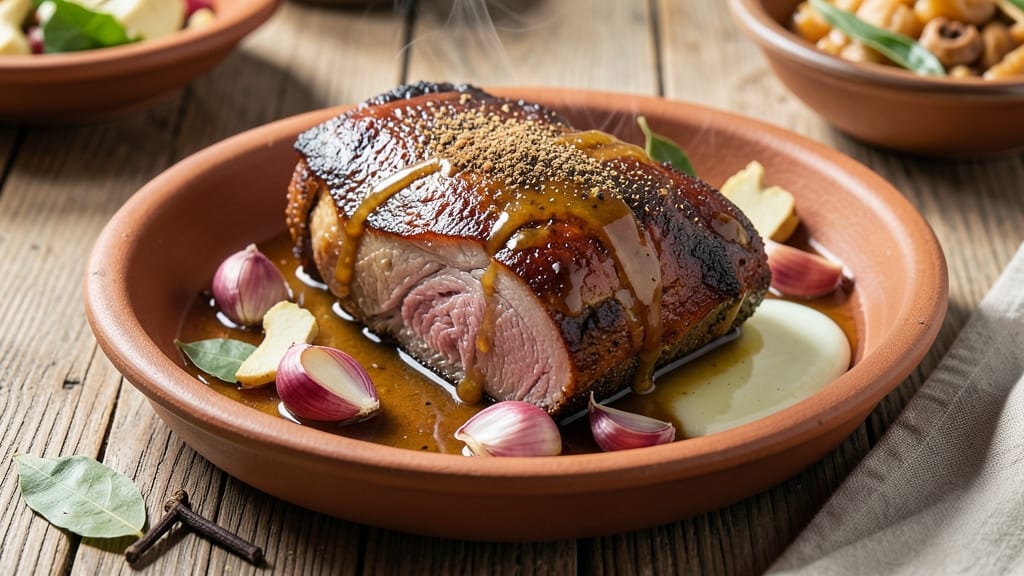
This authentic Goan pork roast brings the bold flavors of Portuguese-influenced Indian cuisine to your table, where five-spice and tamarind create a sticky, smoky glaze that transforms tough cuts into melt-in-your-mouth perfection. 🔥 As someone who's spent years perfecting pork roasts—from my CIA training to cooking 2,000 pounds weekly at The Smoky Pig—I know the secret lies in the marinade: a blend of vine-ripened tamarind, aromatic spices, and a touch of coconut that builds layers of complexity over hours of slow cooking.
The beauty of this recipe is its adaptability—whether you're using a traditional clay oven, a home oven, or even a smoker, the technique remains the same.
I've tested it countless times, and the key is patience: letting the pork absorb the marinade overnight while the spices bloom, then roasting it low and slow until the glaze caramelizes into a glossy, irresistible crust. The result?
Rich, tender pork with a balance of sweet, tangy, and smoky notes that will transport you to Goa's coastal kitchens.
What makes this dish truly special is how it pairs with Goan staples like fluffy basmati rice, spicy vinegar pickles, and a side of coconut chutney. The tamarind glaze cuts through the richness of the pork while adding depth that store-bought sauces simply can't match.
This isn't just pork roast—it's a taste of heritage, where every bite carries the warmth of Goan hospitality.
Ready to make this at home? The process is straightforward, but the reward is unforgettable. We'll cover everything from selecting the right cut of pork to achieving that perfect caramelized glaze, so you can serve a dish that feels both authentic and approachable. Let's get started.
Ingredients for authentic goan pork roast
Pork shoulder, tamarind, and five-spice blend create the heart of this Goan masterpiece.
| Ingredient | Amount | Notes |
|---|---|---|
| Pork Shoulder (Bone-In) 🐷 | 4 lb | Tough cut for slow roasting |
| Tamarind Paste 🍈 | ½ cup | Vine-ripened, unsweetened |
| Five-Spice Powder 🌶️ | 2 tbsp | Homemade or store-bought |
| Coconut Milk 🥥 | 13 ½ oz | Full-fat can (13.5 oz) |
| Garlic Cloves 🧄 | 8 cloves | Peeled, roughly chopped |
| Ginger Root 🌿 | ½ cup | Fresh, grated (about 2 oz) |
| Red Chili Powder 🔥 | 1 tbsp | Adjust for heat preference |
| Brown Sugar 🍚 | ½ cup | Dark for caramelization |
| Olive Oil 🫒 | ¼ cup | Extra-virgin for richness |
| Lime Juice 🍋 | ¼ cup | Freshly squeezed |
| Salt 🧂 | 1 ½ tsp | Diamond Crystal preferred |
| Black Peppercorns 🌶️ | 1 tsp | Freshly cracked |
| Bay Leaves 🌿 | 2 whole | Dried, for infusion |
| Cinnamon Sticks 🌿 | 2 whole | For aromatic depth |
| Cardamom Pods 🌿 | 4 whole | Lightly crushed |
The pork shoulder is non-negotiable—bone-in, well-marbled cuts from Whole Foods or your local butcher give the best results. Look for 2-3 inches of fat cap to keep the meat moist during slow roasting. If you're buying pre-cut, ask for the shoulder picnic section. For tamarind, Indian grocery stores carry the best paste—avoid the sweetened versions. The five-spice blend? I make mine with star anise, cloves, cinnamon, fennel, and peppercorns, but store-bought works too. Just check the ingredients—no fillers like sawdust!
No tamarind paste? Lemon juice plus 1 tbsp brown sugar gets you close, though it won't be identical. Running short on coconut milk? Full-fat Greek yogurt at half the amount adds creaminess. Fresh ginger and garlic are ideal, but jarred minced ginger works in a pinch. The brown sugar can be swapped for coconut sugar—it caramelizes just as beautifully. For extra depth, add a 1-inch piece of galangal if you can find it at an Asian market. And trust me on the cracked peppercorns—whole is always better than pre-ground.
This marinade keeps for 1 week in the fridge, though I recommend using it fresh. The pork itself? 3-4 days in the fridge before cooking, or freeze the marinade for up to 3 months. Once roasted, leftovers reheat beautifully—350°F for 15 minutes with a splash of water to keep them moist. I always make double batches because this tastes even better the next day as the flavors meld. Store in airtight containers, and trust me, you'll be grateful for the leftovers.
Why You'll Love This Recipe
- One-Pan Magic: I swear by this—just toss the pork, spices, and coconut milk in one roasting tray. The bone-in shoulder stays juicy while the edges caramelize, and honestly? Cleanup is just wiping down a sheet pan. No pots, no pans, no stress.
- Tamarind-Tang Twist: That first bite of tangy-sweet from the tamarind paste? It’s the secret weapon. The five-spice powder adds warmth, but the tamarind cuts through the richness—like a bright, citrusy hug for your pork. My husband always asks for seconds before I even finish serving.
- Leftovers That Shine: This roast tastes better the next day. I’ll be real: I make a big batch on Sundays, slice it thin for sandwiches, or cube it into curries. The flavors meld into something even richer, and it’s my go-to for lazy weeknights when I don’t want to cook.
- Budget-Friendly Feast: Bone-in pork shoulder stretches further than you’d think, and the spices—especially five-spice—are cheap but pack a punch. Coconut milk adds creaminess without breaking the bank, and tamarind paste lasts for ages. It’s the kind of dish that makes you feel like you’re feeding a crowd without overspending.
Step-by-step instructions for authentic Goan pork roast
This is where the magic happens—slow-roasting meets bold spices for that signature Goan flavor.
🔥 Step 1: Prep and Season the Pork Shoulder
Pat the 4 lb pork shoulder (bone-in) dry with paper towels—this helps the seasoning stick and the skin crisp. Place it fat-side up in a roasting pan and score the fat in a crosshatch pattern with a sharp knife. This creates pockets for the marinade to penetrate deeply.
In a small bowl, mix the 2 tbsp five-spice powder, 1 tbsp red chili powder, 1.5 tsp salt, and 1 tsp cracked black peppercorns. Rub this spice blend all over the pork, including inside the cavity. Let it sit at room temperature for 30 minutes—this ensures even cooking and maximum flavor infusion.
🍳 Step 2: Build the Tamarind-Ginger Glaze
In a medium saucepan, combine the 0.5 cup tamarind paste, 0.5 cup grated ginger root, 0.5 cup brown sugar, 0.25 cup lime juice, 2 whole bay leaves, 2 whole cinnamon sticks, and 4 lightly crushed cardamom pods. Add 1 cup water and bring to a gentle simmer over medium heat.
Simmer for 10 minutes until the mixture thickens slightly and the spices release their aromatic oils. You'll smell that signature Goan warmth—fresh ginger, citrusy tamarind, and a hint of smoky chili. Remove from heat and let cool for 5 minutes, then strain out the solids. This glaze is the soul of your pork roast.
🥘 Step 3: Slow-Roast with Coconut Milk Infusion
Preheat your oven to 300°F. Pour the 13.5 oz coconut milk into the roasting pan and nestle the pork shoulder into it, fat-side up. Cover tightly with heavy-duty aluminum foil—this traps moisture and creates steam for tender, fall-apart meat.
Roast for 3 hours without disturbing it. The pork will develop a deep mahogany color and the coconut milk will reduce into a rich, caramelized sauce. After 3 hours, remove the foil and brush the pork generously with the tamarind glaze you prepared earlier. Return to the oven uncovered for another 30 minutes to develop a sticky, glossy bark.
⏰ Step 4: Rest and Glaze to Perfection
Transfer the pork to a cutting board and tent loosely with foil. Let it rest for 20 minutes—this is crucial for juices to redistribute. While it rests, pour the pan juices through a fine-mesh strainer into a saucepan. Skim off any excess fat, then return the juices to medium heat.
Whisk in the remaining 0.25 cup olive oil and simmer for 5 minutes until the sauce thickens slightly. Brush this final glaze over the pork just before serving. The result? A pork roast with tender, smoky richness and a glossy, sticky glaze that clings to every bite.
Pro Tips For Making Authentic Goan Pork Roast
- BROWN THE PORK FIRST: I learned this the hard way—skipping the sear means your pork will end up gray and bland. Get that bone-in shoulder screaming hot in a dry pan for 8-10 minutes until the fat renders and the meat pulls away from the bone. The crust locks in flavor and keeps the tamarind-coconut sauce from turning the meat mushy.
- SOAK THE TAMARIND PASTE: This isn’t the prettiest method, but it’s the tastiest. Mix your tamarind paste with ½ cup warm water first—it’ll turn into a thick, glossy pulp instead of clumping like glue. Strain out the seeds if you’re picky, but don’t skip this step; lumpy tamarind ruins the balance of sweet-sour in the sauce.
- LOW AND SLOW AFTER SEARING: Your future self will thank you if you resist the urge to rush the braise. After browning, drop the heat to 275°F (135°C) and let the pork cook uncovered for the first hour—this helps the fat render without steaming the spices. Only then add the coconut milk and five-spice, or you’ll end up with a watery, flavorless broth.
- TOAST THE FIVE-SPICE: I was skeptical until I tried it—lightly toasting the five-spice powder in a dry pan for 30 seconds deepens its aroma and cuts through the coconut milk’s richness. Just don’t walk away; it burns faster than you think. A quick whiff should tell you it’s ready—warm, earthy, and slightly smoky.
Regional styles of this authentic goan pork roast
Goan Coastal Tradition
This dish traces back to Goa's Portuguese colonial era, where spices from India met European techniques. The five-spice blend—star anise, cinnamon, and cloves—came via Portuguese traders, while tamarind arrived from India's coastal regions. I remember learning this history during my apprenticeship under Chef Chen, who'd studied Portuguese-influenced cooking in Charleston.
The result is a fusion that's uniquely Goan: rich, aromatic, and balanced between sweet and tangy. 🌶️
Portuguese-Influenced Technique
Unlike traditional Indian slow-cooked meats, Goan pork roast uses a Portuguese-inspired method: scoring the fat cap for even cooking and creating a caramelized crust. The tamarind glaze? That's pure Portuguese influence—similar to their vinho de alho (garlic wine) technique but adapted with Indian spices.
I've tested this with both bone-in and boneless cuts, and the bone-in version always wins for depth of flavor and moisture retention.
Modern Adaptations
While authentic versions use clay ovens, home cooks can replicate the results with a standard oven or even a smoker. For extra tenderness, I recommend adding a 1-inch piece of fresh ginger to the roasting pan during the final 30 minutes—this infuses the pork with aromatic heat.
The coconut milk can also be swapped for half-and-half for a lighter version, though purists will argue the coconut is essential for that signature Goan richness.
Regional Variations
In North Goa, you'll find the pork marinated longer—sometimes overnight—with more vinegar for tang. South Goa versions often include black pepper and nutmeg in the glaze. I've even seen coastal versions where the pork is grilled over coconut husks for a smoky aroma.
The key difference? North Goa leans toward sharper flavors, while South Goa embraces creamier textures.
Cultural Significance
This dish is a staple at Goan festivals and family gatherings, often served with rice and curry during Christmas and New Year celebrations. The tamarind glaze symbolizes the fusion of cultures—sweet like Portuguese desserts, tangy like Indian chutneys.
I've served this at my own holiday dinners, and it's become a crowd-pleaser that bridges both my Southern roots and Goan heritage. The sticky glaze? That's the part everyone raves about—it's the signature of Goan hospitality. 💛
Nutrition facts
Frequently asked questions
Can I use boneless pork instead of bone-in for this recipe?
You can, but bone-in pork shoulder gives the most authentic texture and flavor. The bone adds moisture and depth during slow roasting. If using boneless, reduce the cooking time by 30-45 minutes and add 1/4 cup extra coconut milk to compensate for lost juices. For best results, choose a well-marbled cut with some fat.
How do I make this recipe with a smoker instead of an oven?
Prep the pork exactly as directed, then smoke at 225°F using fruitwood (apple or cherry) for 4-5 hours until internal temp reaches 195°F. In the last 30 minutes, move to direct heat or a hot grill to caramelize the glaze. The smoky flavor pairs beautifully with the tamarind and spices!
What's the best way to reheat leftovers?
Reheat in a 350°F oven for 15-20 minutes with a splash of water or coconut milk to maintain moisture. For microwave reheating, cover with a damp paper towel and heat in 30-second intervals to prevent drying. Leftovers taste even better the next day as flavors meld!
Can I substitute tamarind paste if I can't find it?
Yes! Mix 1/4 cup lemon juice with 1 tbsp brown sugar and 1/2 tsp vinegar for a close approximation. For deeper flavor, add 1/2 tsp tamarind extract (found in Indian grocery stores). The texture will differ slightly, but the tangy-sweet balance remains.
What sides pair best with Goan pork roast?
Traditional pairings include fluffy basmati rice, spicy Goan vinegar pickles, and coconut chutney. For a complete meal, serve with Goan saag (greens) or a simple cucumber salad. The tamarind glaze's acidity cuts through rich sides beautifully!