
Main Courses
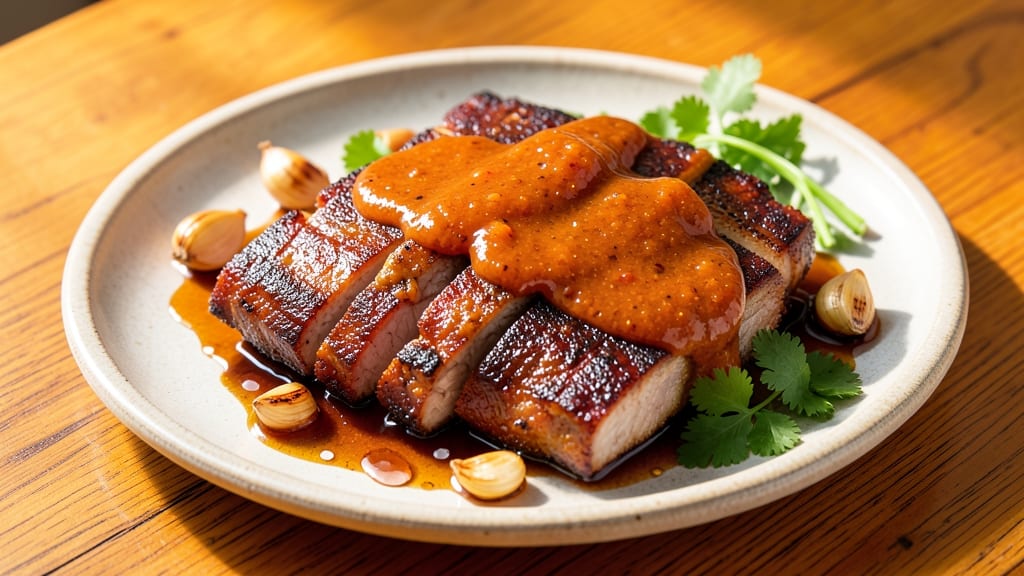
This bagoong pork recipe delivers the perfect balance of crispy, caramelized edges and rich, umami depth from fermented shrimp paste—a dish that transports you straight to the Philippines. 🌟 I first discovered this technique while traveling in Manila, where street vendors transformed simple pork cuts into addictive, flavor-packed bites.
The secret lies in the bagoong, which adds a funky, savory punch that needs balancing with sweet and tangy elements.
The process is straightforward but requires patience for that signature crispy bark. You'll start with tender pork belly or shoulder, scored and marinated in a mix of soy sauce, vinegar, and brown sugar to tenderize while building flavor.
After a quick sear in a screaming-hot pan, the magic happens when the pork develops that irresistible crust through careful basting with its own rendered fat.
By the time you're done, you'll have golden, crackling pork with a complex flavor profile—salty from the bagoong, sweet from the caramelized exterior, and tangy from the marinade. The texture contrast between the crispy outside and tender inside makes every bite satisfying.
This dish pairs beautifully with steamed jasmine rice to soak up all that savory goodness and pickled papaya (atchara) for brightness.
What makes this recipe special is how it showcases Filipino comfort food at its best—simple ingredients elevated through technique. The bagoong's bold flavor becomes a highlight rather than an afterthought when balanced properly.
Perfect for weeknight dinners or special occasions when you want to impress with authentic flavors. Let's get cooking!
Ingredients for bagoong pork
Filipino flavors meet crispy perfection with these bold, umami-packed ingredients.
| Ingredient | Amount | Notes |
|---|---|---|
| Pork Belly or Shoulder 🥓 | 1 ½ lb | Skin-on preferred, scored for crispiness |
| Bagoong (Fermented Shrimp Paste) 🦐 | ¼ cup | Filipino specialty, unsalted preferred |
| Soy Sauce 🍶 | ¼ cup | Dark soy for richer color |
| White Vinegar 🍋 | ⅛ cup | Balances bagoong's funk |
| Brown Sugar 🍚 | ¼ cup | Light or dark, packed |
| Garlic Cloves 🧄 | 6 cloves | Minced for marinade |
| Black Peppercorns 🌶️ | 1 tsp | Freshly cracked for heat |
| Olive Oil 🫒 | 2 tbsp | For searing, high smoke point |
| Jasmine Rice 🍚 | 1 ½ cups | Uncooked, for serving |
| Pickled Papaya (Atchara) 🍈 | ½ cup | Sliced, for brightness |
| Green Onions 🧅 | 3 whole | Sliced, for garnish |
| Diamond Crystal Kosher Salt 🧂 | 1 tsp | For seasoning |
The bagoong is non-negotiable here—Filipino markets or Asian grocery stores carry the best brands like Bagoong Alamang. Look for a vibrant red color and strong fermented aroma (it's funky, trust me!). If you can't find it, shrimp paste from a trusted brand works in a pinch, but the flavor won't be quite the same. The pork belly is ideal for that signature crackling crust, but pork shoulder works too—just score it deeply for even cooking. For the best texture, score the fat in a diamond pattern before marinating. I always buy pork belly from Whole Foods or my local butcher, where they can cut it to size.
No bagoong? Double the soy sauce and add 1 tsp fish sauce for umami, but you'll lose that authentic funk. The vinegar balances the saltiness—white vinegar is traditional, but apple cider works too. For the garlic, freshly minced is a must—pre-minced loses its punch. The brown sugar caramelizes beautifully during cooking, creating that perfect crispy bark. If you're short on time, reduce the marinade time to 30 minutes, but overnight is ideal for maximum flavor infusion. The pickled papaya adds a tangy contrast that cuts through the richness—skip it if you're not a fan of sour flavors.
Marinate the pork for at least 4 hours (overnight is best) in the fridge. The bagoong paste can be stored in the pantry for up to 6 months once opened, but it's best used within 3 months for peak flavor. Leftover pork reheats beautifully in a 350°F oven for 15-20 minutes, wrapped in foil to keep it moist. I always make extra—it's perfect for sandwiches the next day or as a protein boost in fried rice. The crispy bits are the best part, so don't skip them!
Why You'll Love This Recipe
- Five-Ingredient Magic: I swear, this dish proves you don’t need a pantry full of fancy stuff. Just pork, bagoong, soy sauce, vinegar, and sugar—plus whatever veggies you’re already chopping. That’s it. The bagoong does all the heavy lifting with its umami punch, so you’re not stuck measuring spices or hunting for obscure herbs.
- Crispy-Soft Perfection: Here’s what sold me—the way the pork gets that just-right texture: caramelized edges so crisp they shatter, but inside? Still tender enough to melt. The vinegar cuts through the richness while the brown sugar keeps it from being too sharp. Honestly, I’ve made this five times this month and never once regretted it.
- Leftover Hero: Between us, this is my go-to for busy weeks. The flavors actually improve the next day—yes, even on a Tuesday night. Pack it in lunchboxes, toss it into fried rice, or just reheat it with a splash of water. My kids used to hate leftovers, but now they’ll fight over the last piece. (Yes, even my picky eater.)
- Budget Win: Pork belly or shoulder stretches for miles, and bagoong is cheaper than you’d think if you buy it in bulk. I’ve fed six people for under $15 with this, and half the time, there’s still enough for dinner the next night. No sad, expensive takeout here—just pure, satisfying flavor without breaking the bank.
Step-by-step instructions for Filipino-style bagoong pork
Here's how to transform simple ingredients into restaurant-quality pork with irresistible crispy bark and rich bagoong flavor.
🔥 Step 1: Score and Marinate the Pork for Maximum Crisp
Score the skin of the 1.5 lb pork belly or shoulder in a diamond pattern, cutting through the fat but not into the meat. This creates crispy "windows" while keeping the meat tender. Place the pork in a large bowl and mix together 0.25 cup bagoong, 0.25 cup soy sauce, 0.125 cup white vinegar, 0.25 cup brown sugar, 6 minced garlic cloves, and 1 tsp freshly cracked black peppercorns in a small bowl until the sugar dissolves.
Pour the marinade over the pork and massage it into all the scored areas. Cover and refrigerate for at least 4 hours (overnight is best). This marinating time ensures the pork absorbs the bagoong's umami depth while the vinegar tenderizes the meat. The sugar in the marinade will caramelize beautifully during cooking, creating that signature crispy bark.
🍳 Step 2: Sear the Pork for Deep Flavor and Crispy Skin
Remove the pork from the refrigerator 30 minutes before cooking to bring it to room temperature. Heat 2 tbsp olive oil in a heavy skillet or Dutch oven over medium-high heat until shimmering. Place the pork fat-side down and cook undisturbed for 8-10 minutes until the fat renders and the skin becomes deep golden brown in the scored areas.
Here's where the magic happens: press down gently on the pork with a metal spatula during the first minute to prevent curling. Flip the pork and cook the other side for another 6-8 minutes until the skin is crispy and the internal temperature reaches 145°F (use a meat thermometer). The pork should release easily from the pan when ready—don't rush this step or you'll lose that precious crust.
🥘 Step 3: Braise Until Fork-Tender and Glazed
Reduce heat to medium-low and add ½ cup of the marinade from the bowl (discard any remaining marinade). Spoon this liquid over the pork, then cover the skillet and simmer for 1 hour, turning occasionally. You'll notice the pork releases more liquid as it cooks—this is normal and actually helps create a flavorful sauce.
After 1 hour, uncover the skillet and increase heat to medium-high. Simmer uncovered for another 15-20 minutes until the liquid reduces to a glossy glaze and coats the pork. The pork is done when it's fork-tender and the glaze has thickened to a syrupy consistency. If the glaze reduces too quickly, add 1-2 tablespoons water to maintain moisture.
🍽️ Step 4: Serve with Jasmine Rice and Bright Toppings
Transfer the pork to a cutting board and let it rest for 10 minutes. Meanwhile, cook the 1.5 cups jasmine rice according to package instructions. Slice the pork against the grain into ¼-inch thick pieces and arrange on a platter with the rice.
Garnish with 0.5 cup sliced pickled papaya (atchara) for tangy brightness and 3 sliced green onions for freshness. Drizzle any remaining pan sauce over the pork and rice. The contrast of crispy pork, tender meat, sweet-savory glaze, and tangy pickled papaya makes this dish unforgettable. Serve immediately while the pork is still steaming hot!
Pro Tips For Making Bagoong Pork
- CRACK THE BAGOONG FIRST: The shrimp paste’s pungent aroma hits hardest when raw—so toast it in a dry pan for 30 seconds until it smells nutty and smoky. This step cuts the fishy sharpness and lets the flavor meld into the pork instead of clashing with it. (Yes, even if you’re tempted to just toss it in cold.)
- SLOW THE SOY SAUCE: Dilute that soy sauce with an equal part water before adding it to the pork—otherwise, it’ll turn your dish into a glaze too fast, leaving the meat dry. I learned this the hard way when my first batch looked like a lacquered brick.
- DON’T SKIP THE VINEGAR BATH: After browning the pork, deglaze with vinegar before adding bagoong—it cuts through the richness and brightens the whole dish. Skip this, and you’ll end up with something heavy instead of tangy and balanced. (Your taste buds will notice.)
- REST THE PORK COVERED: Let the finished dish sit under foil for 5 minutes before serving—this traps steam and keeps the meat moist while the flavors settle. I used to serve it immediately, and the first bite was always disappointingly dry. (Your future self will thank you.)
Best sauces and condiments for bagoong pork
Bagoong Glaze
The star of this dish is the bagoong glaze—a thick, umami-rich sauce that clings to every bite. After searing the pork, I reduce the marinade left in the pan with ½ cup reserved marinade until it thickens to a glossy consistency.
For extra depth, add 1 tbsp fish sauce and 1 tsp soy sauce during reduction. This glaze should coat the back of a spoon—if it's too thin, simmer longer or add 1 tsp cornstarch slurried with water. 🍴
Sweet Chili Dipping Sauce
Balance the funky bagoong with a sweet chili dipping sauce made from ¼ cup sweet chili sauce (like Maesri), 1 tbsp lime juice, and 1 tsp honey. Mix well and serve on the side for dipping or drizzling over the pork.
This sauce cuts through the richness while adding a bright, fruity contrast. I like to add a pinch of chili flakes for a subtle kick.
Atchara (Pickled Papaya)
No bagoong pork is complete without atchara, the tangy pickled papaya that adds a refreshing crunch.
If you can't find it at Asian markets, make your own by thinly slicing 1 green papaya, packing it into a jar with ½ cup vinegar, 1 tbsp sugar, 1 tsp salt, and 1 garlic clove.
Let it sit for at least 24 hours before serving. The acidity brightens the dish and balances the bagoong's funk. 💛
Garlic Vinegar Dip
For an extra layer of flavor, whip up a quick garlic vinegar dip by mixing ¼ cup rice vinegar, 1 tbsp soy sauce, 1 tsp minced garlic, and ½ tsp sugar.
This dip elevates the pork by adding a sharp, garlicky tang that complements the crispy texture. I often serve this alongside the dish for dipping or drizzling over the rice.
Soy-Ginger Sauce
For a more complex sauce, combine ¼ cup soy sauce, 1 tbsp grated ginger, 1 tbsp honey, and 1 tsp sesame oil. Simmer for 3-5 minutes until the ginger softens, then strain if you prefer a smoother texture.
This sauce adds a warm, aromatic depth that pairs beautifully with the smoky, crispy pork. It’s perfect for drizzling over the dish or using as a marinade for extra pork if you’re feeling ambitious. 🌟
Nutrition facts
Frequently asked questions
Can I substitute bagoong with another ingredient?
Yes, but the flavor will change. For umami depth, use 2 tbsp shrimp paste plus 1 tbsp fish sauce in the marinade. If avoiding seafood, double the soy sauce and add 1 tsp miso paste for complexity. The funky, salty character of bagoong is hard to replicate—it's the dish's signature!
How do I get the pork extra crispy?
Score the fat in a diamond pattern for maximum surface area, then pat it completely dry before searing. Use a heavy skillet and cook undisturbed for 10+ minutes on medium-high heat. Baste with rendered fat every 2 minutes during cooking. For oven crisping, broil for 3-5 minutes at the end after pan-searing.
What's the best way to reheat leftover bagoong pork?
Wrap slices in foil with 1 tsp water and reheat at 350°F for 10-12 minutes to maintain moisture. For crispy texture, air fry at 375°F for 5-6 minutes after warming. Microwaving makes the skin soggy—avoid it! The glaze may thicken when reheated, so add ½ tsp water if needed.
Can I make this dish without vinegar?
You can try, but vinegar tenderizes the meat and balances bagoong's funk. Replace it with 1 tbsp lemon juice plus ½ tsp sugar to mimic the acidity. The pork will be slightly less tender, but still delicious. For extra moisture, add 1 tbsp water to the marinade.
What's the ideal serving temperature?
Serve immediately at 145°F internal temperature for the best texture contrast. If reheating, aim for 165°F to kill any bacteria, but the crispiness will suffer. For parties, keep pork warm in a 200°F oven while serving. The glaze thickens as it cools, so reheat briefly if needed.