
Main Courses
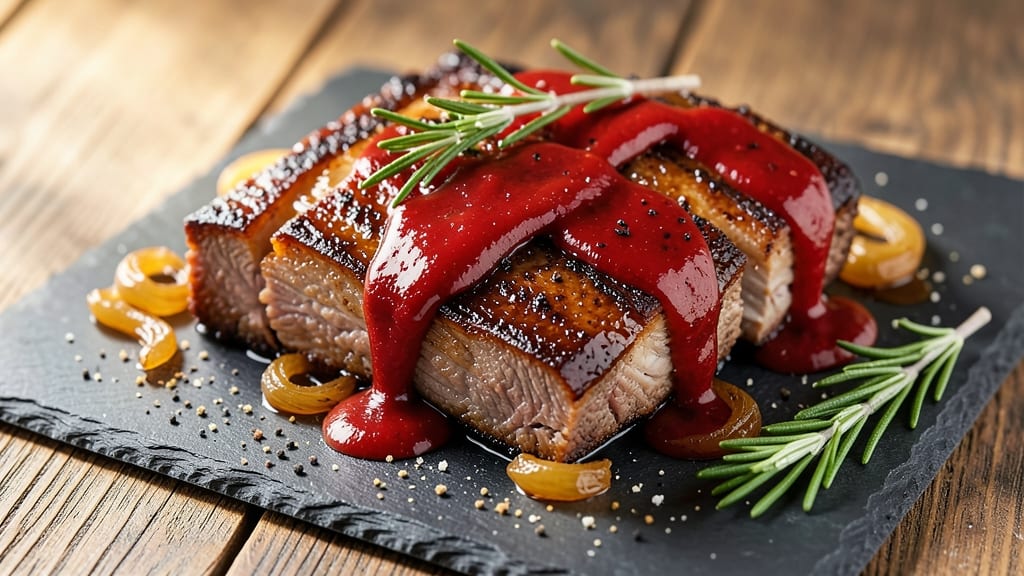
The barbecue pork short ribs recipe I'm about to share transforms tough, flavorful cuts into melt-in-your-mouth masterpieces with a crispy bark that cracks like glass. 🔥 After years of perfecting this technique—from my family's smoky backyard cookouts to competitive BBQ pits—I've cracked the code for restaurant-quality ribs at home, no fancy equipment required.
The secret lies in the rub, the slow cook, and that final sear that turns ordinary ribs into showstopping centerpieces.
What makes this recipe work is the balance between technique and simplicity. We start with a dry rub packed with smoked paprika, brown sugar, and garlic powder that creates that signature crust while penetrating the meat.
Then, it's all about patience—low and slow cooking until the connective tissue dissolves into rich, velvety tenderness. The real magic happens in the last 15 minutes, when we crank up the heat to render that perfect caramelized crust.
By the time you're done, you'll have ribs that are fall-off-the-bone tender with a crispy exterior that's impossible to resist.
The aroma alone will have everyone gathering at your table, and each bite delivers layers of smoky, sweet, and savory flavors that turn a simple weeknight dinner into a memorable event. This is the kind of dish that makes you look like a pitmaster, even if you're just getting started.
The best part? These ribs are versatile enough for casual dinners or special occasions. Serve them with classic sides like creamy coleslaw, cornbread, or roasted sweet potatoes to complete the meal.
Once you try this method, you'll never settle for anything less than restaurant-quality ribs at home. Let's get cooking—your taste buds (and your dinner guests) will thank you.
Ingredients for barbecue pork short ribs
Four pounds of meat, a handful of spices, and a slow cooker's patience transform ordinary ribs into showstopping centerpieces.
| Ingredient | Amount | Notes |
|---|---|---|
| Pork Short Ribs 🥩 | 4 lb | Bone-in, 2-3 ribs per pound |
| Smoked Paprika 🌶️ | ½ cup | High-quality for smoky depth |
| Brown Sugar 🍚 | ¼ cup | Light or dark preferred |
| Garlic Powder 🧄 | 2 tbsp | Freshly ground for best flavor |
| Onion Powder 🧅 | 1 tbsp | For sweet, aromatic base |
| Ground Black Pepper 🌶️ | 1 tbsp | Freshly cracked for heat |
| Kosher Salt 🧂 | 1 tbsp | Diamond Crystal preferred |
| Mustard Powder 🌶️ | 1 tsp | Adds tangy complexity |
| Cayenne Pepper 🔥 | ½ tsp | Adjust for heat preference |
| Apple Cider Vinegar 🍎 | ¼ cup | For tenderizing marinade |
| Olive Oil 🫒 | ¼ cup | Extra-virgin for richness |
| Yellow Onion 🧅 | 1 whole | Diced for marinade base |
| Garlic Cloves 🧄 | 4 cloves | Minced for marinade |
| Beef Broth 💧 | 1 cup | Low-sodium preferred |
The ribs are the star—look for bone-in cuts with good marbling at Costco or your local butcher. Bone-in is non-negotiable for that signature tenderness. If you can't find short ribs, beef chuck roast cut into rib-sized pieces works in a pinch. The smoked paprika should be vibrant red, not dusty—Penzeys or Trader Joe's bulk bins are great sources. Freshly ground spices make all the difference, so if your garlic powder smells stale, toss it. For the apple cider vinegar, any brand works, but Bragg or Heinz are reliable choices.
No smoked paprika? Two tablespoons of regular paprika plus half a teaspoon of liquid smoke gets you close. Short on brown sugar? Maple syrup at half the amount adds moisture without overpowering. The beef broth can be swapped for chicken broth if needed, but the umami depth is worth it. For the onion and garlic, frozen chopped works in a bind, but fresh always tastes better. If you're prepping ahead, marinate the ribs overnight—it tenderizes the meat and lets the flavors meld perfectly. The olive oil should be extra-virgin for that fruity richness that carries through the cooking process.
Store raw ribs in the fridge for up to 2 days before cooking, sealed in a bag with marinade. Cooked ribs reheat beautifully—wrap in foil and bake at 300°F for 15 minutes to keep that crispy bark. Leftovers keep for 3-4 days in the fridge or 3 months frozen. For serving, I like to rest the ribs for 10 minutes before cutting—this lets the juices redistribute, giving you that perfect first bite. The sauce from the slow cooker? Strain and reduce it for a glossy drizzle over the top.
Why You'll Love This Recipe
- One-Pan Magic: I swear by this recipe because it’s that simple—just ribs, a dry rub of smoked paprika and brown sugar, and a slow cook. No fancy prep, no mess, and the flavors meld together like they’ve been simmering all day.
- Fall-Apart Tenderness: Between us, the slow-cooked ribs here are dangerously good—they practically dissolve at the touch of a fork, but with just enough bite to keep things interesting. That crispy brown sugar crust? Absolute perfection.
- Weeknight or Party Star: Honestly, this recipe works for everything—throw it on for a lazy Tuesday dinner, or double the batch for a crowd. The leftovers reheat like a dream, and the rich, smoky flavor makes it feel special without the fuss.
- Budget-Friendly Luxury: Pork short ribs are a steal compared to beef, and this recipe stretches them far. I’ve fed four people for under $15 with seconds requested by everyone—proof that incredible flavor doesn’t have to break the bank.
Step-by-step instructions for perfectly smoked pork short ribs
Here's how to transform tough pork into melt-in-your-mouth ribs with a dark, crackling crust.
👨🍳 Step 1: Build the Dry Rub and Prep the Meat
In a medium bowl, combine the 0.5 cup smoked paprika, 0.25 cup brown sugar, 2 tbsp garlic powder, 1 tbsp onion powder, 1 tbsp ground black pepper, 1 tbsp kosher salt, 1 tsp mustard powder, and 0.5 tsp cayenne pepper. Mix thoroughly until the spices are evenly distributed and no dry spots remain—this ensures every bite gets that perfect balance of smoky, sweet, and tangy flavors.
Pat the 4 lb pork short ribs completely dry with paper towels (moisture is the enemy of crispy bark). Then generously coat each rib with the rub mixture, pressing it into the meat so it adheres well. Place the ribs on a wire rack set over a baking sheet and refrigerate uncovered for at least 4 hours—this drying step is what creates that legendary bark. For best results, I like to let them sit overnight in the fridge.
🔥 Step 2: Smoke the Ribs Low and Slow
Preheat your smoker to 225°F using a mix of hickory and apple wood chips (the apple adds subtle sweetness that pairs beautifully with the pork). Once the smoker reaches temperature and you see clean blue smoke (not white steam), carefully add the ribs bone-side down. This position allows the meat to render its own fat, which bastes the surface and contributes to that irresistible crust.
Smoke the ribs undisturbed for 6-8 hours, maintaining the 225°F temperature. You'll know they're ready when they probe to 195°F (use a meat thermometer inserted into the thickest part of the meat, avoiding bone). The ribs should be fork-tender but still hold their shape when lifted with tongs. Here's the thing—don't peek at them too often. Every time you open the smoker, you lose heat and extend the cooking time.
🥘 Step 3: Create the Tangy Marinade and Baste
While the ribs smoke, prepare the marinade by combining 0.25 cup apple cider vinegar, 0.25 cup olive oil, 1 whole yellow onion (finely diced), and 4 cloves garlic (minced) in a bowl. Whisk until fully incorporated. This tangy, aromatic mixture will become the base for your sauce and help tenderize any remaining connective tissue.
After the initial smoke (around the 4-hour mark), brush the ribs generously with half of the marinade mixture. Return them to the smoker and continue cooking. Every hour after that, brush them again with the remaining marinade. The acid in the vinegar helps break down collagen while the oil keeps the meat moist. This basting technique is what transforms good ribs into extraordinary ones.
🍳 Step 4: Braise for Maximum Tenderness
Once the ribs reach 195°F and are fork-tender, remove them from the smoker and transfer to a large Dutch oven. Pour in 1 cup beef broth and add any accumulated drippings from the smoker. The liquid should come about halfway up the ribs. Place the Dutch oven on the stovetop over medium heat and bring to a simmer.
Cover and let the ribs braise for 30-45 minutes. This final step ensures they reach fall-off-the-bone tenderness while absorbing all those smoky, sweet flavors. You'll know they're perfect when the meat slides off the bone with just a gentle nudge of your fork. The braising liquid will have reduced slightly, creating a rich, flavorful sauce that coats every bite.
🔪 Step 5: Rest and Serve with Confidence
Remove the ribs from the Dutch oven and let them rest on a cutting board for 10-15 minutes. This resting period allows the juices to redistribute throughout the meat, ensuring every slice is moist and flavorful. While they rest, skim any excess fat from the braising liquid and reduce it by simmering uncovered for 5-7 minutes until it reaches a glaze-like consistency.
Slice the ribs between the bones and serve them with the reduced braising sauce ladled over the top. The contrast of the crispy bark and tender meat is what makes these ribs unforgettable. Pair them with classic barbecue sides like coleslaw or cornbread to complete the meal. Real talk: once you try these, you'll never go back to store-bought ribs again.
Pro Tips For Making Barbecue Pork Short Ribs
- Sear Ribs First: Hit those short ribs with a screaming-hot cast-iron or heavy skillet for 3-4 minutes per side before braising. I learned this the hard way—skipping the sear means the meat just steams instead of developing that deep, caramelized crust that holds onto the sauce. (Yes, even if you’re impatient like me.)
- Trim the Fat Cap: Use kitchen shears to snip the thick fat layer on the bone side of each rib into ¼-inch strips before cooking. This keeps the meat tender without turning your braising liquid into grease soup—trust me, your sauce will thank you.
- Deglaze with Apple Cider: After searing, don’t just dump in water or broth. Splash in ½ cup apple cider instead—it cuts through the richness, adds subtle sweetness, and balances the smoky paprika. (I was skeptical until I tried it.)
- Rest Under Foil: Pull the ribs from heat when they’re just tender (a fork should glide in), then tent them loosely with foil for 10 minutes. This lets the juices redistribute instead of pooling out when you slice—no sad, dry edges here. (Your future self will thank you.)
Dietary considerations for this barbecue pork short ribs
Gluten-Free Adaptations
This recipe is naturally gluten-free, but always double-check your smoked paprika and spice blends for hidden gluten—some brands use anti-caking agents with wheat. I recommend Penzeys or Simply Organic for certified gluten-free options.
The brown sugar can be swapped for coconut sugar to avoid cross-contamination risks, though regular sugar is fine if your kitchen is gluten-free safe. 🌱
The beef broth should be gluten-free—look for brands like Imagine or Pacific Foods that specify gluten-free labels. For the marinade, ensure your apple cider vinegar is also gluten-free (most are, but some flavored versions contain additives). When basting, use a clean brush each time to prevent cross-contamination with gluten-containing sauces.
Low-Carb Options
To make this a low-carb powerhouse, replace the 0.25 cup brown sugar in the rub with 2 tbsp erythritol or monk fruit sweetener—it caramelizes beautifully and won’t spike blood sugar.
The beef broth should be low-sodium (like Kettle & Fire) to keep carbs in check while maintaining flavor. For extra richness, add 1 tbsp butter to the braising liquid at the end. 🥩
Skip the cornbread sides and opt for cauliflower mash or zucchini noodles instead. The ribs themselves are already a high-protein, low-carb masterpiece—just watch those basting brushes to avoid accidental sugar transfers from other dishes.
Dairy-Free Considerations
This recipe is naturally dairy-free, but if you’re serving with butter-based sauces (like a classic BBQ butter), swap for olive oil or dairy-free butter (I love Miyoko’s). The beef broth should be checked for dairy additives—stick to bone broth brands that specify dairy-free.
For extra creaminess in sides, use coconut milk instead of sour cream. 🥥
The apple cider vinegar marinade already provides tang without dairy, and the olive oil keeps everything rich and moist. Just be mindful of any pre-made rubs—some contain whey or milk powder as fillers.
Allergen-Friendly Swaps
For nut allergies, ensure your smoked paprika and spices are processed in nut-free facilities (check labels). If you’re avoiding mustard, omit the mustard powder or substitute with 1 tsp smoked paprika + ½ tsp onion powder for depth.
For soy allergies, confirm your beef broth is soy-free (many use soy-based thickeners). 🚫
When basting, use a separate brush for allergen-sensitive guests to avoid cross-contact. The olive oil in the marinade is safe for most allergies, but if someone has fruit allergies, swap the apple cider vinegar for white vinegar or lemon juice (though the flavor will differ slightly).
Protein-Packed Boost
Want to make these even more protein-rich? Add 1 tbsp nutritional yeast to the rub for a cheesy, umami boost without dairy. For extra collagen-rich goodness, include 1 tsp gelatin powder in the marinade (it blends seamlessly and enhances tenderness).
These ribs already pack ~40g protein per serving, but these tweaks take them to the next level. 💪
Pair with hard-boiled eggs or a Greek yogurt dip (dairy-free if needed) for a high-protein meal that keeps you full for hours. The beef broth can also be reduced into a protein gel for a savory snack—just chill it until it sets!
Nutrition facts
Frequently asked questions
Can I substitute beef short ribs for pork in this recipe?
While you can use beef short ribs, the cooking time and tenderness will differ. Pork short ribs cook faster (typically 6-8 hours) while beef needs 8-10 hours for that same melt-in-your-mouth texture. The rub works for both, but beef benefits from an extra 1-2 hours of slow cooking to break down collagen fully. For pork, stick to the recipe—it's optimized for that perfect balance of crispy bark and tender meat!
What if I don't have a smoker? Can I make these in an oven?
Preheat your oven to 275°F and place a water pan on the bottom rack to add moisture. Cook the ribs on a rack set over a baking sheet for 4-5 hours, flipping halfway. For that smoky flavor, add 1 tbsp liquid smoke to the marinade or use a smoked salt substitute in the rub. The bark will be slightly different but still delicious!
How do I know when the ribs are done without a meat thermometer?
Look for three key signs:
- The meat should pull away from the bone easily with a fork,
- The connective tissue should be completely tender (no chewy bits), and
- The ribs should flex slightly when lifted with tongs. For pork, they're typically done after 6-8 hours at 225°F. If in doubt, cut into one—juices should run clear, not pink!
Can I make these ribs ahead of time?
Yes! Cook the ribs as directed, then let them cool completely. Store in an airtight container with any leftover braising sauce. Reheat by wrapping in foil and baking at 300°F for 15-20 minutes. The bark may soften slightly, but the meat stays tender. For best results, reheat only what you plan to serve immediately.
What's the best way to serve these ribs?
Slice between the bones and arrange on a platter with the reduced braising sauce drizzled over the top. For a showstopper presentation, fan the ribs out slightly. Serve with classic sides like creamy coleslaw, cornbread, or roasted sweet potatoes. The sauce also makes an amazing dip—just thin it with a splash of water if needed!