
Main Courses
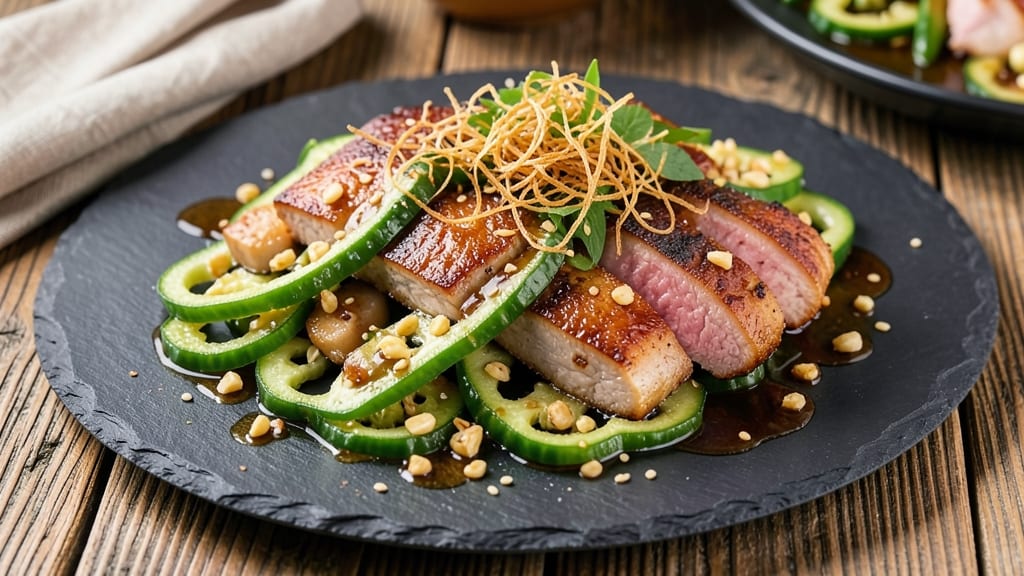
This bitter melon and pork recipe transforms a humble vegetable into a tender, flavor-packed dish that balances bitterness with rich umami. I first discovered this technique while working with Southeast Asian markets in Charleston, where the melon's natural astringency pairs beautifully with pork's natural sweetness.
The key lies in quick cooking methods that preserve texture while developing deep, savory notes through caramelization and aromatic spices.
What makes this recipe special is the crisp-tender texture achieved through precise stir-frying—bitter melon slices develop a satisfying bite while the pork stays juicy and melt-in-your-mouth.
We'll use a simple marinade of soy sauce, garlic, and ginger to tenderize the pork while preparing the melon, ensuring both components shine without overpowering each other. This method delivers restaurant-quality results with minimal effort.
The dish comes together in under 30 minutes, making it perfect for weeknight dinners or special occasions. The combination of smoky pork and slightly bitter melon creates a complex flavor profile that's both comforting and sophisticated.
Serve it with steamed jasmine rice to soak up every last drop of the savory sauce, or pair it with a cooling cucumber salad to balance the richness.
This recipe draws inspiration from traditional Southeast Asian stir-fry techniques but adapts them for home cooks with simple ingredients. The beauty lies in how the bitterness of the melon enhances rather than detracts from the pork's natural flavors.
Whether you're introducing bitter melon to your table or perfecting your pork stir-fry skills, this dish delivers satisfying results every time.
Ingredients for bitter melon and pork
Transform humble bitter melon and pork into a restaurant-worthy dish with these precise ingredients.
| Ingredient | Amount | Notes |
|---|---|---|
| Bitter Melon 🍆 | 2 lb | Young, firm, seedless preferred |
| Pork Shoulder 🐖 | 1 ½ lb | Thinly sliced against grain |
| Soy Sauce 🥄 | ½ cup | High-quality, reduced variety |
| Garlic Cloves 🧄 | 6 cloves | Minced, aromatic intensity |
| Fresh Ginger 🌿 | 2 tbsp | Grated, fibrous texture removed |
| Sesame Oil 🫒 | 1 tbsp | Toasted, for aromatic depth |
| Oyster Sauce 🍜 | 2 tbsp | Thick, umami-rich variety |
| Dark Soy Sauce 🥄 | 1 tbsp | For color and depth |
| Cornstarch 🌾 | 2 tbsp | For pork coating |
| Neutral Oil 🫒 | ½ cup | High smoke point preferred |
| Green Onions 🧅 | ¼ cup | Sliced, for garnish |
| Red Chili Flakes 🌶️ | ½ tsp | Adjust for heat preference |
| Salt 🧂 | 1 tsp | Kosher or sea salt |
| White Pepper 🌶️ | ¼ tsp | Freshly ground preferred |
The bitter melon is the star here—young, tender specimens with minimal seeds yield the best texture. Asian markets carry the freshest, but well-stocked grocery stores often stock them too. Look for melons that are firm to the touch with vibrant green skin—avoid any with soft spots or yellowing. Pork shoulder delivers the perfect balance of fat and lean for crisp-tender results; ask your butcher to slice it thinly against the grain if you can't do it yourself. For the soy sauce, Lee Kum Kee or Kikkoman reduced varieties elevate the dish with concentrated umami flavor.
No bitter melon? Substitute with thinly sliced okra or eggplant, though the flavor profile will differ. Swapping pork shoulder for chicken thigh works, but marinate it 30 minutes longer to compensate for the leaner cut. Fresh ginger loses potency quickly—buy it in small amounts and grate only what you'll use immediately. The cornstarch coating is crucial for achieving that restaurant-quality crispness; avoid pre-mixed flour blends as they can make the pork gummy. For extra heat, add a dash of Sichuan peppercorn powder—it adds a numbing tingle that pairs beautifully with the bitterness.
Prep the bitter melon first—its texture degrades quickly once cut. Store uncut melons in the fridge for up to 3 days wrapped in a damp towel to maintain crispness. The pork marinade keeps for 2 days in the fridge, but the cornstarch coating should be applied fresh before cooking. This dish reheats beautifully—stir-fry again briefly over high heat to restore crispness. Portion leftovers into airtight containers with a thin layer of oil on top to prevent drying. Freezes well for 2 months, though texture may soften slightly upon thawing.
Why You'll Love This Recipe
- One-Pot Magic: I swear by this recipe because it’s all in one pan—no fussing with multiple dishes. Just slice the bitter melon, dice the pork, toss in garlic and ginger, and let the soy sauce work its magic while you sip your tea.
- Umami Bomb: That combo of pork shoulder and bitter melon? Chef’s kiss. The pork gets tender and caramelized, while the melon adds a fresh, slightly bitter crunch that balances the rich, salty-sweet sauce. Honestly, it’s the kind of flavor that sticks with you.
- Leftovers That Don’t Suck: Between us, most stir-fries turn into sad leftovers by day three. Not this one. The pork stays juicy, the sauce thickens just right, and reheating it is a five-minute win—perfect for lunches or late-night cravings.
- Budget Meal, Big Impact: Pork shoulder is cheap, bitter melon is affordable, and you’re not using fancy ingredients here. Yet somehow, it feels like a restaurant dish. I’ll be real: my grocery bill thanks me, but my taste buds? They’re the real winners.
Step-by-step instructions for crisp-tender bitter melon and pork bites
Master this balance of textures and flavors through precise technique and timing.
Prepare the Bitter Melon for Crisp-Tender Texture
Begin by trimming the bitter melon, cutting off both ends and removing any tough seeds. Using a mandoline or sharp knife, slice the melon into ¼-inch thick half-moons—this thickness ensures both exterior crispness and interior tenderness. Immediately soak the slices in cold water for 10 minutes to remove residual bitterness while maintaining structure.
After draining, pat the slices dry with paper towels. This step is critical—any moisture left on the melon will prevent proper browning. Arrange the slices on a wire rack set over a baking sheet and let them air-dry for 15 minutes. You'll know they're ready when the edges begin to slightly wilt and develop a matte finish. This drying process creates the perfect canvas for crispy searing later.
Create the Pork Coating for Perfect Texture
In a medium bowl, combine the 1.5 lb pork shoulder (sliced against the grain into ¼-inch thick strips), 2 tbsp cornstarch, 1 tsp salt, and 0.25 tsp white pepper. Toss gently but thoroughly until every piece is evenly coated. The cornstarch creates a delicate crust that will give way to juicy pork while maintaining shape during frying.
Let the coated pork rest at room temperature for 15 minutes while you prepare the other components. This resting period ensures even cooking—cold meat releases moisture unevenly, which can prevent proper browning. When ready, you'll notice the pork pieces have slightly firmed up and lost their chill, indicating they're properly prepared for cooking.
Build the Umami-Packed Sauce Base
In a small saucepan, combine the 0.5 cup soy sauce, 2 tbsp oyster sauce, 1 tbsp dark soy sauce, 6 cloves minced garlic, 2 tbsp grated ginger, and 0.5 tsp red chili flakes. Bring to a simmer over medium heat and reduce by half—this takes about 8-10 minutes—until the mixture thickens to a glossy, syrupy consistency.
While reducing, stir occasionally to prevent burning. You're looking for a sauce that coats the back of a spoon with minimal drips. The dark soy sauce will give your dish its signature deep color, while the chili flakes add subtle heat. Remove from heat and stir in 1 tbsp sesame oil just before using—this adds nutty depth and helps emulsify the sauce when combined with the fried components.
Fry the Pork to Juicy Perfection
Heat 0.25 cup neutral oil in a large skillet over medium-high heat until shimmering but not smoking. Working in batches to avoid crowding, add the coated pork strips and cook for 2-3 minutes per side until golden brown and cooked through to an internal temperature of 145°F. The cornstarch coating should caramelize beautifully, creating a delicate crust that gives way to tender meat.
As each batch cooks, transfer the pork to a paper towel-lined plate to drain excess oil. Don't be tempted to flip too early—the pork releases easily from the pan when ready. The high heat ensures proper searing while the cornstarch coating prevents the meat from drying out. Keep the cooked pork warm in a 200°F oven while you prepare the melon.
Sear the Bitter Melon and Combine
In the same skillet (after adding 0.25 cup more neutral oil if needed), heat over medium-high heat until shimmering. Working quickly, add the dried bitter melon slices in a single layer and cook for 1-2 minutes per side until deep golden brown with visible blistering. The melon should be crisp on the outside but still slightly resistant when pierced with a fork—this indicates perfect doneness.
Return the cooked pork to the skillet with the bitter melon and pour the reduced sauce over everything. Toss gently to combine, coating all components evenly. The residual heat will finish cooking the pork while the sauce clings beautifully to both the crisp melon and tender pork. Garnish immediately with 0.25 cup sliced green onions for freshness and visual appeal.
Pro Tips For Making Bitter Melon And Pork
- BLANCH THE MELON: Drop bitter melon slices into boiling water for 30 seconds first—this softens the texture and cuts the bitterness. I learned this the hard way after serving a dish that tasted like someone had forgotten to rinse the soap out of the sink.
- SEAR THE PORK SHOULDER: Get your pork shoulder deep brown before adding other ingredients—this locks in flavor. Use a hot pan with just enough oil to coat, and don’t rush it. After burning three batches, I finally figured out that patience here makes the dish sing.
- SALT THE GINGER: Lightly salt your ginger slices before cooking—it mellows the sharpness and helps them release flavor faster. Sounds weird, but it works: the edges stay tender, and the aroma blends better with the pork.
- DEGLAZE WITH SOY SAUCE: After searing pork and garlic, splash in a splash of water or broth before adding soy sauce—this lifts the browned bits (fond) and makes the sauce richer. Skip this, and you’re basically missing half the flavor, even if you double the soy sauce.
Make-ahead tips for this bitter melon and pork
Prep Ahead Components
Start by prepping the bitter melon and pork marinade the night before to save time. Slice the bitter melon into ¼-inch thick half-moons and soak them in cold water for 10 minutes to reduce bitterness.
Drain and pat dry, then store them in an airtight container with a paper towel to absorb excess moisture. This keeps them crisp for up to 24 hours in the fridge.
Meanwhile, marinate the pork shoulder in 0.5 cup soy sauce, 6 cloves minced garlic, and 2 tbsp grated ginger for 12-24 hours—this tenderizes the meat beautifully. 🌱
Sauce Prep Shortcut
Make the umami sauce base a day ahead for maximum flavor development. Combine all sauce ingredients in a small saucepan and reduce by half as directed. Let it cool completely, then store in an airtight container in the fridge.
When ready to cook, simply reheat it gently over low heat and stir in the 1 tbsp sesame oil just before using. The sauce will thicken further as it cools, so you may need to add 1 tsp water if it becomes too stiff.
This method deepens the caramelized flavors without any extra effort. 🍜
Cooking Day Strategy
On the day you cook, focus on the frying steps which require active attention. Keep the prepped bitter melon and pork at room temperature for 15 minutes before cooking to ensure even searing. I recommend preheating your skillet while the pork rests—this keeps everything moving efficiently.
Cook the pork first, then the melon, and finally combine them with the sauce. This sequence prevents the melon from absorbing too much oil from the pork. Keep cooked components warm in a 200°F oven while you finish the other elements. 🔥
Storage Solutions
Leftovers keep beautifully for 3 days in the fridge when stored properly. Transfer the dish to airtight containers with a thin layer of oil on top to preserve moisture. For longer storage, freeze portions in single-serving containers for up to 2 months.
When reheating, stir-fry the dish over medium-high heat for 3-4 minutes to restore crispness. The melon may soften slightly after freezing, but the flavors remain rich and satisfying. 🥫
Make-Ahead Garnish
Prep your garnishes ahead of time to streamline serving. Thinly slice the 0.25 cup green onions and store them in a small container with a damp paper towel to maintain freshness.
If using red chili flakes, measure them out in advance and store in a tiny jar with the lid tightly sealed. These small preparations make plating effortless—simply sprinkle them over the finished dish right before serving. This attention to detail elevates the presentation without adding cooking time. ✨
Reheating for Optimal Texture
To revive the crisp-tender texture after refrigeration, reheat the dish in a skillet over medium-high heat for 2-3 minutes. Add 1 tsp neutral oil to prevent sticking and toss everything together until heated through.
For microwave reheating, cover the dish with a damp paper towel and heat in 30-second intervals until hot. The melon will soften slightly, but the pork remains juicy. This method ensures you enjoy the same satisfying textures as the original preparation. 💫
Nutrition facts
Frequently asked questions
Why does bitter melon need to be soaked before cooking?
Soaking removes some of the natural bitterness while preserving texture. The 10-minute cold water soak reduces harsh flavors without making the melon soggy. Pro tip: Pat slices completely dry afterward—any moisture prevents proper browning during searing.
Can I use pork tenderloin instead of pork shoulder?
Yes, but adjust cooking time. Tenderloin is leaner, so cook it 1-2 minutes less per side to avoid drying out. For best results, slice it ⅛-inch thick and marinate 30 minutes longer to compensate for the leaner cut.
How do I balance the bitterness with other flavors?
The sauce does most of the work! The combination of soy sauce, oyster sauce, and sesame oil creates umami depth that complements the bitterness. Add a touch of honey (1 tsp) to the sauce if you prefer less bite, or increase the chili flakes for heat contrast.
What's the best way to store cooked bitter melon?
Store in airtight containers with a thin layer of oil on top to preserve crispness. Keeps 3 days in the fridge or 2 months frozen. To reheat, stir-fry over medium-high heat for 2-3 minutes—this restores the crisp-tender texture.
Can I make this dish spicier?
Add 1 tsp Sichuan peppercorn powder to the pork marinade for a numbing heat, or increase chili flakes to 1 tsp in the sauce. For extra kick, serve with sliced jalapeños or a side of chili crisp.