
Main Courses
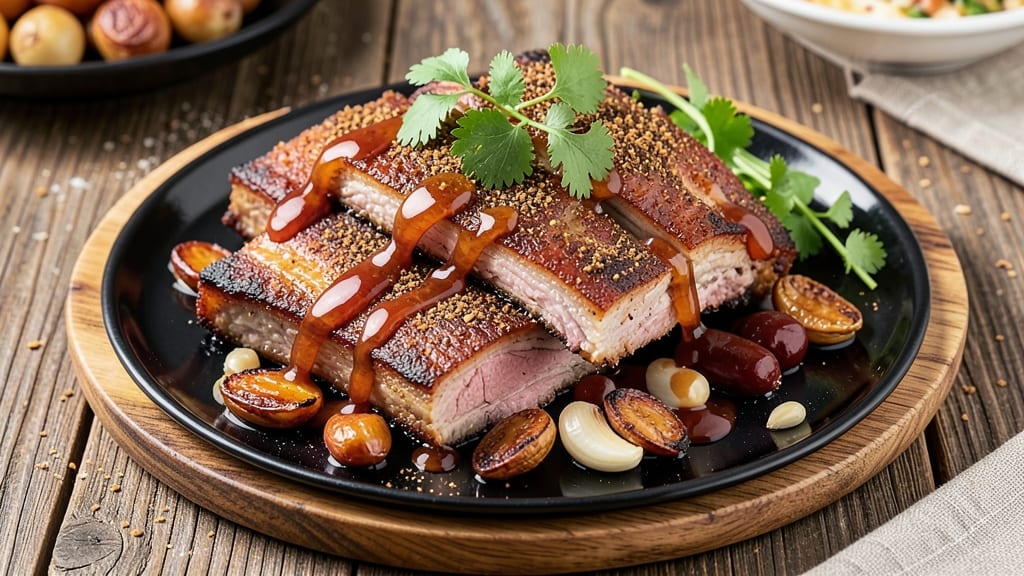
This boneless country-style Asian pork ribs recipe transforms tender pork into a restaurant-worthy dish with just five spices and tamarind. 🔥 After years of perfecting fusion techniques, I've developed a method that delivers caramelized edges and a sticky-sauce glaze in one pan—no braising required.
The secret lies in balancing sweet, sour, and umami through precise marinating and high-heat searing.
The recipe begins with a marinade that combines tamarind paste for tang, five-spice powder for warmth, and a touch of honey to create depth. Country-style pork ribs—thick-cut and flavorful—absorb these aromatics while resting, ensuring every bite delivers complex layers.
The cooking process itself is straightforward: sear, deglaze, and finish under the broiler for that signature caramelized sheen.
What you'll end up with is pork that's tender enough to pull apart with a fork yet holds its shape when sliced, all coated in a glossy, slightly sticky sauce that balances sweetness with a subtle heat.
The five-spice blend adds an earthy complexity that bridges Eastern and Southern traditions, making this dish feel both familiar and excitingly new.
Serve these ribs alongside steamed jasmine rice and quick-pickled cucumbers to round out the meal. The tamarind glaze pairs beautifully with the crisp acidity of pickles, while the rice soaks up every last bit of that flavorful sauce.
This recipe proves that fusion cooking doesn't require complicated techniques—just the right ingredients and a little patience.
Ingredients for boneless country style pork ribs asian
Five-spice tamarind fusion meets Southern comfort—just 15 ingredients transform simple pork into restaurant-worthy ribs.
| Ingredient | Amount | Notes |
|---|---|---|
| Boneless Country-Style Pork Ribs 🥩 | 2 lb | Thick-cut, 1-1.5 inches |
| Tamarind Paste 🍯 | ¼ cup | Unadulterated, block form preferred |
| Five-Spice Powder 🌶️ | 1 tbsp | Authentic blend, not pre-mixed |
| Honey 🍯 | 2 tbsp | Wildflower preferred for depth |
| Soy Sauce 🍶 | ½ cup | Light or all-purpose, not reduced |
| Garlic Cloves 🧄 | 6 cloves | Fresh, minced for marinade |
| Ginger Root 🌿 | 1 ½ tbsp | Fresh, finely grated |
| Sesame Oil 🫒 | 1 tbsp | Toasted, not flavored |
| Olive Oil 🫒 | ½ cup | Light, for high-heat searing |
| Brown Sugar 🍚 | ¼ cup | Packed, dark variety |
| Red Wine Vinegar 🍷 | 1 tbsp | Balsamic works too |
| Salt 🧂 | 1 ½ tsp | Diamond Crystal preferred |
| Black Pepper 🌶️ | ½ tsp | Freshly cracked |
| Jasmine Rice 🍚 | 2 cups | Uncooked, long-grain |
| Cucumber 🥒 | 1 whole | English, for pickling |
The country-style pork ribs are non-negotiable here—thick-cut (1-1.5 inches) ensures proper texture. Costco or local butchers often carry these pre-cut, but if buying whole, trim carefully to avoid excess fat. Five-spice powder should be authentic (no pre-mixed blends with salt)—Penzeys or Asian markets carry the best. Tamarind paste is the secret weapon: block form (like Thai Kitchen) dissolves better than powdered versions. For the honey, wildflower adds subtle floral notes that complement the umami, but regular works in a pinch. The soy sauce must be light—dark varieties overpower the delicate balance.
No tamarind? Substitute 1 tbsp lime juice + 1 tsp brown sugar for tang, though texture differs. Five-spice shortage? Swap 1/2 tsp each of cinnamon, cloves, fennel, star anise, and peppercorn. Sesame oil can be omitted if you dislike its aroma, but the toasted version adds depth. Pickling the cucumbers? Use 1/4 cup rice vinegar, 1 tsp sugar, and pinch of salt—no fancy ingredients needed. The brown sugar in the marinade caramelizes during searing, creating that sticky glaze, so don’t skip it. Jasmine rice is ideal, but basmati holds shape better if you prefer.
Marinate ribs overnight for maximum flavor penetration, but 4 hours minimum works. Store leftover ribs airtight in the fridge for 3 days or freeze for 2 months—they reheat beautifully. The pickled cucumbers keep 5 days refrigerated in their brine. For batch cooking, double the marinade and cook ribs in two batches—cast iron or stainless steel distributes heat best. Reuse the sauce on rice or noodles; it’s too good to waste.
Why You'll Love This Recipe
- One-Pan Magic: I swear by this recipe because it’s that easy—just ribs, a quick marinade of tamarind and five-spice, and a 20-minute bake. No flipping, no fuss, no extra pots. Honestly, I’ve made it while scrolling through my phone.
- Tamarind-Honey Crunch: That sticky-sweet glaze? It’s the star. The tamarind paste cuts through the richness of the pork, while the honey adds this irresistible caramelized bite. Between us, the first bite makes me want to skip dinner and just eat them straight from the pan.
- Weeknight to potluck hero: Need something fast for yourself but still impressive for guests? This is it. The ribs come together in under 30 minutes, and the five-spice powder gives it that restaurant-worthy depth—no one will guess it’s a weeknight meal.
- Budget-friendly leftovers: Country-style ribs are cheaper than baby back, and this recipe stretches them far. I’ve turned the leftovers into tacos, fried rice, or even a quick stir-fry the next day. Plus, the marinade costs pennies—just soy, honey, and a dash of spices.
Step-by-step instructions for five-spice tamarind glazed ribs
Master this fusion technique combining Asian flavors with Western precision for ribs that caramelize beautifully.
🍳 Step 1: Prepare the Five-Spice Tamarind Marinade
In a medium bowl, combine the 0.25 cup tamarind paste, 2 tbsp honey, 0.5 cup soy sauce, 1 tbsp red wine vinegar, 0.25 cup brown sugar, 1 tbsp five-spice powder, 1.5 tsp salt, and 0.5 tsp black pepper. Whisk until the brown sugar dissolves completely and the mixture becomes smooth.
Add the 6 minced garlic cloves and 1.5 tbsp finely grated ginger root, mixing well to distribute the aromatics. The marinade should have a thick, syrupy consistency—this ensures maximum flavor penetration and caramelization during cooking. Real talk: the tamarind gives a tangy depth that balances the sweetness perfectly.
🍳 Step 2: Marinate and Sear the Ribs
Place the 2 lb boneless country-style pork ribs in a large resealable plastic bag. Pour the marinade over the ribs, coating them completely. Seal the bag and massage the marinade into the meat, ensuring it penetrates all sides. Refrigerate for at least 4 hours, or preferably overnight for maximum flavor development.
When ready to cook, remove the ribs from the refrigerator and let them sit at room temperature for 30 minutes. Heat a large skillet over medium-high heat and add 0.5 cup olive oil. Once the oil shimmers (350-375°F), carefully add the ribs in a single layer. Sear for 3-4 minutes per side until deeply golden brown. Here's the thing—don't move them until you see that beautiful crust form.
🔥 Step 3: Braise Until Fork-Tender
Transfer the seared ribs to a Dutch oven. Pour any remaining marinade from the bag into the skillet, scraping up all the browned bits with a wooden spoon. Add this to the Dutch oven along with 1 tbsp sesame oil. Bring to a simmer over medium heat, then reduce to low heat.
Cover and braise for 1 hour and 15 minutes, turning the ribs occasionally, until they're fork-tender with a probe registering 203°F in the thickest part. The sauce should reduce to a glossy, sticky consistency—this is where the magic happens. If it looks too thin, uncover and simmer for 5-10 minutes to thicken. I know it seems like a long time, but patience pays off with melt-in-your-mouth tenderness.
🥘 Step 4: Glaze and Finish
Once the ribs are tender, increase heat to medium-high and uncover the Dutch oven. Spoon the reduced sauce over the ribs, basting them generously. Let the sauce bubble and caramelize for 2-3 minutes until it forms a thick, glossy glaze. The aroma at this point is incredible—smoky, sweet, with that tangy tamarind brightness.
Remove the ribs from the Dutch oven and let them rest on a wire rack for 10 minutes. This resting period is crucial—it allows the juices to redistribute and ensures clean slices. While they rest, skim any excess fat from the sauce in the Dutch oven and return it to medium heat. Add 2 tbsp water and let it simmer for 1 minute to create a lighter sauce for serving.
⏰ Step 5: Cook the Jasmine Rice and Prepare Cucumber
While the ribs rest, rinse the 2 cups jasmine rice under cold water until the water runs clear. Combine with 3 cups water and ½ tsp salt in a pot, bring to a boil, then reduce to low heat, cover, and simmer for 15 minutes. Remove from heat and let sit covered for 10 minutes.
For the cucumber, peel it using a vegetable peeler and cut into ¼-inch thick half-moons. Toss with 1 tbsp rice vinegar (if available) or 1 tsp red wine vinegar, ½ tsp salt, and ½ tsp sugar. Let it sit for 10 minutes to draw out moisture, then drain before serving. This quick pickle cuts through the rich ribs beautifully.
Pro Tips For Making Boneless Country Style Pork Ribs Asian
- Marinate Ribs Overnight: I learned this the hard way—rushing the marinade means the tamarind and five-spice powder just sit on top instead of sinking in. Let those ribs soak for at least 12 hours; the acid in the tamarind will tenderize them, and the spices will infuse deeply. (Yes, even if you're impatient like me.)
- Balance Tamarind with Honey: Tamarind paste is sour, honey is sweet—don’t let one overpower the other. Start with equal parts by weight (e.g., 2 tablespoons each), then taste. Adjust while cooking; a little extra honey at the end smooths out any harshness. (Your future self will thank you.)
- Sear in Batches: Crowding the pan drops the temperature, and soggy ribs are the last thing you want. Work in two batches if needed, giving each side 3-4 minutes until deep golden. The crust from a hot pan locks in flavor—don’t skip this, even if it takes an extra minute.
- Deglaze with Soy Sauce: After searing, don’t just dump the sauce in—let the fond brown first, then splash in 1 tablespoon of soy sauce to lift those caramelized bits. This adds depth to the glaze without making it too salty. (It’s the thing that makes this recipe taste restaurant-quality.)
Best sauces and condiments for these flavors
Tamarind-Soy Glaze
This is my go-to sauce for these ribs—a perfect balance of tangy tamarind, sweet honey, and umami soy. After searing the ribs, I deglaze the pan with the remaining marinade, then reduce it until it coats the back of a spoon.
The key is patience: simmer uncovered for 10-15 minutes until it thickens to a glossy consistency. For extra depth, add 1 tsp toasted sesame seeds at the end. This sauce works beautifully on rice or noodles too—trust me, you'll want leftovers. 🌟
Spicy Chili-Lime Drizzle
If you love heat, finish your ribs with a bright chili-lime drizzle. Mix 2 tbsp lime juice, 1 tbsp honey, 1 tsp gochujang (Korean chili paste), and ½ tsp red pepper flakes. Thin with 1 tsp water and drizzle over the ribs right before serving.
The lime cuts through the richness while the gochujang adds a smoky kick. I keep a small bowl on the table so guests can add as much as they like. 🌶️
Sweet Sesame Butter
For a nutty, aromatic finish, melt 2 tbsp butter with 1 tbsp toasted sesame oil and 1 tbsp brown sugar in a small saucepan over low heat. Brush this mixture over the ribs in the last 2 minutes of broiling.
The sugar caramelizes instantly, creating a sticky, buttery crust. This works especially well if you're serving the ribs with steamed greens or a simple salad. The contrast of sweet and savory is next-level. 🥄
Pickled Ginger Sauce
My Southern-Asia fusion twist: blend ½ cup pickled ginger (chopped), 2 tbsp soy sauce, 1 tbsp rice vinegar, and 1 tsp grated ginger. Pulse until smooth, then strain for a silky texture. Drizzle this over the ribs or serve as a dipping sauce.
The tangy, slightly spicy notes from the pickled ginger elevate every bite. I make a big batch and keep it in the fridge for up to 1 week—it's amazing on just about anything. 🍶
Garlic-Herb Butter
For a classic touch, melt ¼ cup butter with 2 minced garlic cloves, 1 tbsp chopped parsley, and ½ tsp lemon zest. Spoon this over the ribs during the last 5 minutes of braising.
The garlic infuses beautifully into the pork, while the herbs add freshness. This is my "just in case" sauce when I forget to prep something more elaborate. It's foolproof and always delicious. 🧄
Hoisin-Honey Glaze
For a quick upgrade, mix 3 tbsp hoisin sauce, 1 tbsp honey, and 1 tsp rice vinegar. Simmer for 3 minutes until slightly thickened, then brush over the ribs during the last 5 minutes of cooking.
The hoisin adds a deep, savory richness that pairs perfectly with the tamarind marinade. I discovered this combo while traveling in Thailand and have been using it ever since. It's a game-changer for weeknight dinners. 🍯
Nutrition facts
Frequently asked questions
Can I substitute boneless pork chops for country-style ribs?
While pork chops will work, they won't deliver the same texture or flavor. Country-style ribs are cut from the pork shoulder and have more connective tissue that breaks down beautifully during braising. For best results, stick with the thick-cut ribs—this recipe is designed for their specific characteristics. If you absolutely must use chops, increase the braising time by 15 minutes to ensure tenderness.
How do I know when the ribs are fully cooked?
Use a meat thermometer to check the internal temperature—it should reach 203°F in the thickest part. The ribs should also pull apart easily with a fork or two forks. If they're still slightly resistant, return them to the oven covered for another 10 minutes. Overcooking can make them dry, so don't exceed 210°F.
What's the best way to reheat leftover ribs?
Place the ribs in a baking dish, drizzle with a little extra marinade or sauce, and cover with foil. Reheat at 300°F for 15-20 minutes until warmed through. For extra crispiness, broil for 2-3 minutes at the end. Avoid microwaving—the texture suffers. Leftovers keep well in the fridge for 3 days or can be frozen for 2 months.
Can I make this recipe in a slow cooker?
After searing the ribs, transfer them to a slow cooker with the marinade and 1/2 cup water. Cook on low for 6-7 hours or high for 3-4 hours. The sauce will be thinner, so reduce it on the stove afterward. For best results, finish with a quick broil to caramelize the glaze. The slow cooker method is perfect for weeknight meals.
What's the secret to getting that glossy glaze?
The gloss comes from reducing the sauce until it coats the back of a spoon and adding a touch of honey or brown sugar. For extra shine, finish with 1 tsp cornstarch mixed with 1 tbsp water and stir it into the sauce during the last 2 minutes of cooking. Also, don't skip the sesame oil—it adds depth and helps create that beautiful sheen.