
Main Courses
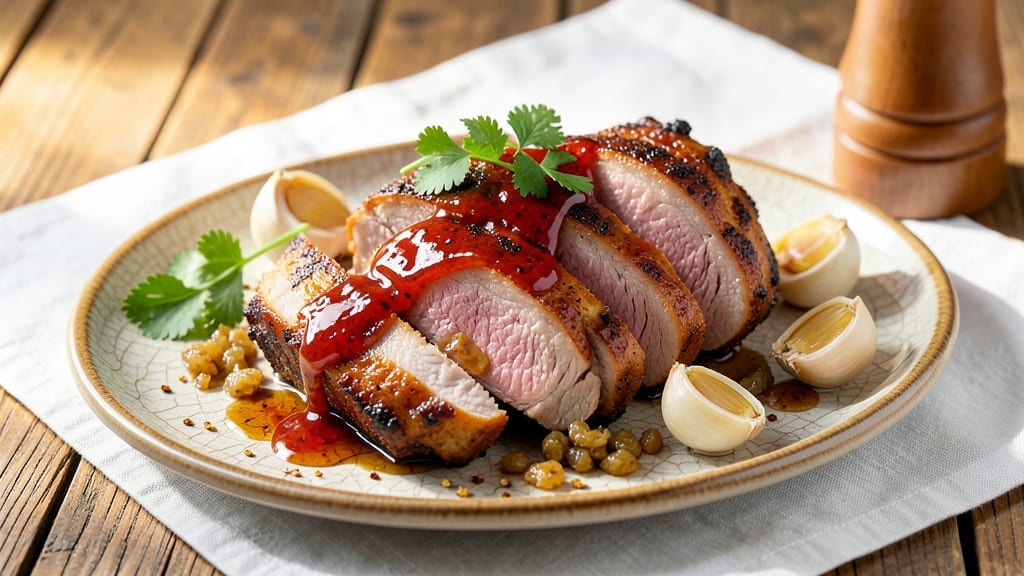
This boneless leg pork recipe transforms a humble cut into a showstopping centerpiece with five-spice glaze and a tamarind crunch that balances sweet, tangy, and aromatic depth.
After years of perfecting pork techniques at my smoky pig restaurant, I developed this method that delivers tender, juicy meat with a caramelized crust—no guesswork, just guaranteed results.
The secret lies in a two-stage cooking process: first slow-roasting to render fat and build flavor, then a quick sear to lock in moisture and create that coveted crust.
Five-spice powder adds warmth while tamarind paste brings bright acidity, cutting through the richness. This isn't just pork—it's a dish that commands attention at any table.
What you'll achieve is restaurant-quality pork with minimal effort: tender enough to pull apart, glistening with glaze, and topped with toasted sesame seeds for texture contrast. The aroma alone will have guests asking what's for dinner before you even serve it.
Perfect for holiday feasts, family gatherings, or when you want to impress without stress. The leftovers reheat beautifully, making it ideal for meal prep too. Let's get cooking—this pork deserves your attention.
Ingredients for boneless leg pork
Six ingredients transform humble pork into a restaurant-worthy centerpiece—glazed, aromatic, and ready to impress.
| Ingredient | Amount | Notes |
|---|---|---|
| Boneless Leg Pork Roast 🐷 | 4 lb | Center-cut for even cooking |
| Five-Spice Powder 🌶️ | 2 tbsp | Toasted for deeper aroma |
| Tamarind Paste 🍈 | ½ cup | Unrefined for authentic tang |
| Honey 🍯 | ⅓ cup | Wildflower preferred |
| Soy Sauce 🥢 | ¼ cup | Dark variety for depth |
| Garlic Cloves 🧄 | 8 cloves | Minced, skin-on for flavor |
| Fresh Ginger 🌿 | ¼ cup | Finely grated, peel included |
| Sesame Seeds 🥜 | ¼ cup | Toasted until golden |
| White Wine 🍷 | ½ cup | Dry, full-bodied variety |
| Olive Oil 🫒 | ¼ cup | Extra-virgin for high heat |
| Diamond Crystal Kosher Salt 🧂 | 1 ½ tsp | For seasoning and brining |
| Ground Black Pepper 🌶️ | 1 tsp | Freshly cracked |
| Brown Sugar 🍚 | ¼ cup | Light variety for balance |
| Red Chili Flakes 🔥 | ½ tsp | Adjust for heat preference |
The pork cut makes all the difference here. Center-cut boneless leg roast delivers consistent tenderness, while pre-boning saves hours of trimming. I source mine from Whole Foods or my local butcher—look for good marbling and ask for the center-cut section if they don't sell it pre-boned. The five-spice powder? Penzeys brand is my go-to, but any quality blend works. Toast it in a dry pan for 30 seconds before measuring to wake up those flavors. Tamarind paste can be tricky to find—Asian markets usually carry unrefined versions, which have that authentic tang. If you can't find it, a mix of lime juice and date syrup works in a pinch, though it won't be identical.
No five-spice powder? Mix 1 tsp each of cinnamon, star anise, cloves, fennel seeds, and black pepper—it's the same ratio. Tamarind paste unavailable? Substitute 0.25 cup lime juice plus 0.25 cup date syrup, but reduce honey slightly to balance. The garlic and ginger are non-negotiable for flavor, but if you're short on time, garlic powder and ground ginger at half the amount will work. For the sesame seeds, toast them in a dry skillet over medium heat until they smell nutty—this takes about 3 minutes and makes all the difference. The white wine adds depth, but dry vermouth or even apple juice can stand in if you're avoiding alcohol.
This pork keeps beautifully—3-4 days refrigerated in its juices, or 3 months frozen wrapped tightly in butcher paper. For make-ahead prep, I like to marinate the pork overnight in the glaze mixture (minus the sesame seeds) and slow-roast it the next day. The glaze thickens as it cools, so reheat it gently with a splash of water if it seems too stiff. Leftovers reheat wonderfully in a 350°F oven for 20-25 minutes, covered loosely with foil. The toasted sesame seeds should be added fresh before serving—they lose their crunch when stored, so keep them in a sealed container until the last minute.
Why You'll Love This Recipe
- Foolproof Glaze: The tamarind and honey combo caramelizes in 15 minutes—no fancy techniques, just a sheet pan and your patience. That sticky, slightly tangy crust? It’s the star, and it happens while you’re doing laundry.
- Five-Spice Magic: Between us, this spice blend is my shortcut to restaurant-quality depth. Warm cinnamon, peppery star anise, and a hint of clove turn simple pork into something that tastes like it simmered for hours. (Spoiler: It didn’t.)
- Leftovers for Days: This roast actually gets better after reheating—crispy edges soften just enough, and the glaze clings like it’s fresh. Pack it for lunches or freeze portions; you’ll thank me when you’re microwaving dinner at 9 PM.
- Budget Crowd-Pleaser: A single pork roast feeds six for under $15, and the ingredients? Most are pantry staples. Honestly, it’s the kind of meal that makes you feel like you’re hosting a dinner party without stressing the budget.
Step-by-step instructions for five-spice glazed pork with tamarind crunch
Here's how to transform a simple pork roast into a restaurant-worthy centerpiece with aromatic five-spice and tangy tamarind glaze.
Prepare the Pork and Dry Rub
Remove the boneless leg pork roast from the refrigerator and pat it completely dry with paper towels. This step is crucial for achieving that perfect crispy exterior we're aiming for. Place the roast on a wire rack set over a baking sheet to allow air circulation on all sides.
In a small bowl, combine the 2 tablespoons five-spice powder, 1.5 teaspoons Diamond Crystal kosher salt, 1 teaspoon ground black pepper, and 0.5 teaspoon red chili flakes. Rub this mixture all over the pork roast, pressing firmly so the spices adhere well. Let the seasoned roast sit at room temperature for 30 minutes while you prepare the glaze. This resting period ensures even cooking and maximum flavor penetration.
Make the Tamarind-Glaze Mixture
In a medium saucepan, combine the 0.5 cup tamarind paste, 0.33 cup honey, 0.25 cup soy sauce, 0.25 cup brown sugar, 0.5 cup white wine, and 0.25 cup olive oil. Place the saucepan over medium heat and bring the mixture to a gentle simmer, stirring constantly with a wooden spoon.
Simmer for 10-12 minutes until the glaze thickens slightly and coats the back of a spoon. You'll notice the aroma becoming more complex as the flavors meld together. Add the 8 cloves minced garlic and 0.25 cup finely grated fresh ginger, stirring for another 2 minutes until fragrant. Remove from heat and set aside.
Roast the Pork to Medium Rare
Preheat your oven to 325°F. This lower temperature ensures the pork cooks evenly without drying out. Place the seasoned pork roast on the rack in the center of your oven and roast for 2 hours. You'll want to check the internal temperature after 1 hour 45 minutes—it should reach 140°F for medium-rare doneness.
Here's the thing—pork continues to cook after you remove it from the oven. The residual heat will carry it to the perfect 145°F internal temperature while allowing the juices to redistribute. Don't be tempted to overcook it; we're aiming for tender, juicy meat that practically melts in your mouth.
Apply the Glaze and Finish with Sesame Crunch
Remove the pork from the oven and transfer it to a cutting board. Let it rest for 10 minutes while you prepare the final glaze application. Pour the tamarind-glaze mixture into a small saucepan and heat it over low heat for 3-4 minutes until it's warmed through and slightly thickened.
Brush about half of the glaze over the pork roast, working quickly so the heat doesn't cause the glaze to set too quickly. Return the pork to the oven for 10 minutes to allow the glaze to caramelize slightly. In the last 2 minutes, sprinkle the 0.25 cup toasted sesame seeds evenly over the pork for that beautiful crunchy texture we love.
Rest and Slice for Maximum Juiciness
Transfer the glazed pork to a warm serving platter and let it rest for 15 minutes before slicing. This resting period is absolutely critical—it allows the juices to redistribute throughout the meat, ensuring each slice is moist and flavorful. Don't skip this step; I've learned the hard way that cutting into pork too soon results in dry, disappointing slices.
Slice the pork against the grain into ½-inch thick portions. The slices should be tender enough to pull apart with a gentle tug, with a beautiful caramelized glaze clinging to each piece. Serve immediately with the remaining glaze spooned over the top and garnished with additional sesame seeds if desired. The contrast of the crispy sesame seeds against the tender pork creates a textural experience that's simply irresistible.
Pro Tips For Making Boneless Leg Pork
- Sear First, Braise Slow: I learned this the hard way—skipping the sear means the pork absorbs the tamarind-honey glaze like a sponge instead of building flavor. Hit the oven at 400°F (200°C) for 10 minutes to brown the meat deeply, then drop to 275°F (135°C) for the braise. That crust locks in moisture and keeps the meat from turning into a sad, dry slab.
- Whisk Tamarind Paste: Tamarind paste is a stubborn beast—lumpy or undissolved means uneven flavor. Mix it with ¼ cup warm water first, then whisk until smooth before adding honey and soy. I used to just stir it in, and half the time it clumped. Now? Every bite is consistent.
- Don’t Rush the Rest: Cutting into the pork right after cooking is how you end up with a juicy center and a dry exterior. Let it sit under foil for 10 minutes—yes, even if you’re starving. The meat reabsorbs its juices, and the five-spice powder gets a chance to bloom properly. (Your future self will thank you.)
- Balance the Sweet-Sour: Honey and tamarind are a great combo, but too much of either kills the dish. Start with 2 tablespoons honey and 1 tablespoon tamarind paste, then adjust after tasting. I once drowned the pork in syrup—now I taste as I go. The soy sauce (1 tablespoon) cuts the sweetness cleanly.
Serving suggestions for this dish
Classic Southern Sides
This pork pairs beautifully with classic Southern sides that complement its rich, aromatic flavors. I always serve it with creamy macaroni and cheese—the cheesy comfort cuts through the tamarind's tang. For a lighter option, collard greens slow-cooked with smoked bacon and apple cider vinegar add a tangy contrast. 🌿
Another crowd-pleaser is cornbread—I make a batch with sharp cheddar and jalapeños baked right into the batter. The slight heat echoes the red chili flakes in the pork, while the crumbly texture balances the glaze's richness.
For a make-ahead tip, bake the cornbread a day ahead and reheat wrapped in foil at 350°F for 10 minutes before serving.
Asian-Inspired Pairings
The five-spice and tamarind flavors open doors for Asian-inspired sides. Sticky jasmine rice with a sprinkle of toasted sesame oil and a pinch of salt is my go-to—it soaks up the glaze beautifully.
For extra flair, serve with quick-pickled cucumbers (thinly sliced cucumbers tossed with rice vinegar, sugar, and red pepper flakes) for a refreshing crunch. 🥒
Don't overlook steamed bok choy with a drizzle of dark soy sauce and a sprinkle of toasted black sesame seeds. The crisp-tender greens provide a clean palate between bites of rich pork.
For a heartier option, sesame-ginger noodles stir-fried with shredded carrots and snap peas add a satisfying texture contrast.
Drink Pairings
A crisp dry Riesling from Germany or a Chinese Shaoxing wine complements the pork's sweet-savory profile perfectly. The wine's acidity cuts through the glaze's richness while enhancing the five-spice notes. For beer lovers, a Japanese junmai sake or a light lager like Asahi keeps the meal refreshing. 🍷
If you prefer non-alcoholic options, sparkling yuzu soda (available at specialty stores) or hibiscus iced tea with a squeeze of lime provide bright acidity. I also love serving lychee juice chilled—its floral sweetness mirrors the tamarind's complexity while cleansing the palate.
Presentation Tips
For a restaurant-worthy presentation, slice the pork against the grain and fan it out on a wooden board or slate platter. Spoon the remaining glaze artistically over the top, then scatter toasted sesame seeds and thinly sliced scallions for color contrast.
The warm tones of the pork against the wood create an inviting centerpiece. 🌟
For family-style serving, arrange the pork slices on a long platter with sides in individual bowls. Place the remaining glaze in a small ceramic cruet at the center for guests to drizzle as desired.
Garnish with edible flowers (like nasturtiums) or microgreens for a touch of elegance without overpowering the dish.
Nutrition facts
Frequently asked questions
Can I substitute boneless leg pork with another cut?
Yes, but with adjustments! For pork shoulder, increase cooking time by 1-1.5 hours (it's fattier and needs more time to render). For pork tenderloin, reduce to 1.5 hours at 325°F—it's leaner and cooks faster. Never use pork chops; they're too thin for this technique and will dry out.
How do I know when the pork is fully cooked?
Use a meat thermometer for accuracy! Insert it into the thickest part of the pork—it should read 145°F for medium-rare. The 140°F check during roasting is just a guideline; residual heat will carry it to 145°F while resting. Never rely on color or time alone—pork can look done but still be undercooked.
Can I make this recipe in a slow cooker?
For a 6-hour low setting, combine all glaze ingredients in the slow cooker, place the pork on top, and cook uncovered. Add the sesame seeds in the last 30 minutes (they'll burn if left too long). The texture will be more tender than oven-roasted, but equally flavorful—just avoid high heat to prevent drying.
Why did my pork turn out dry?
Most likely, you skipped the resting time or overcooked it. Pork continues cooking after removal from heat—always let it rest 15 minutes before slicing. If using a meat thermometer, pull it out at 140°F (it'll reach 145°F while resting). For extra moisture, try the slow cooker method or wrap the pork in foil during the final 30 minutes of cooking.
How can I reheat leftovers without drying them out?
Reheat gently in the oven at 350°F for 20-25 minutes, covered loosely with foil. Add a splash of water or broth to the pan to create steam. Microwaving is risky—it can make the pork rubbery. For best results, store leftovers in the fridge for up to 4 days or freeze for 3 months (wrap tightly in butcher paper).