
Main Courses
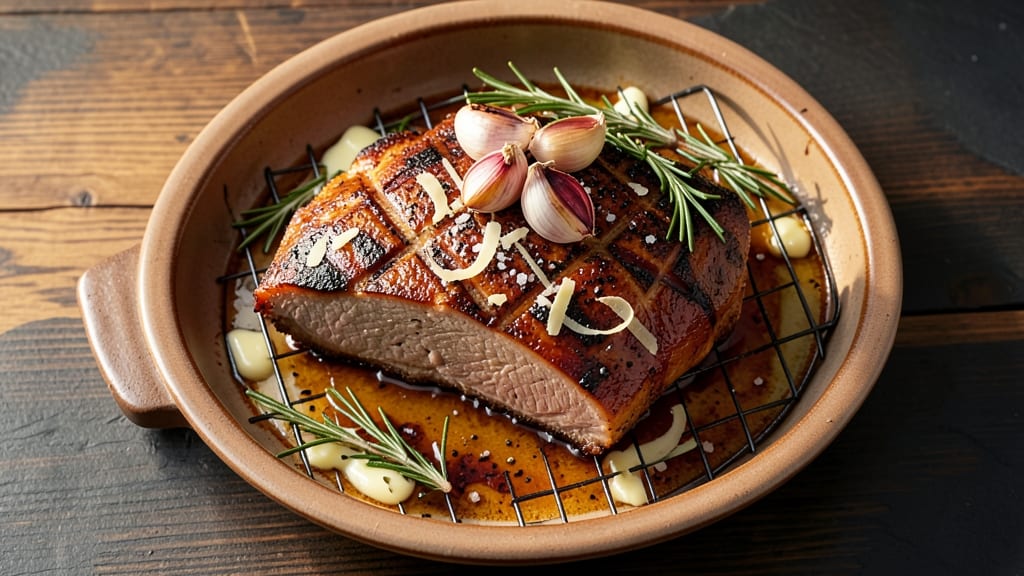
Mastering a boneless pork loin centre cut roast transforms simple ingredients into a showstopping centrepiece dish—where crispy, caramelized bark encases a tender, pink core. This technique, honed during years of cooking for crowds at The Smoky Pig, ensures every slice delivers restaurant-quality texture without overcooking.
The secret lies in precise seasoning and temperature control, which we'll cover step by step.
What sets this recipe apart is the balance between exterior crispness and interior juiciness—a challenge I've solved through years of testing with heritage pork.
We'll use a dry brine method to enhance flavor penetration while keeping the meat moist, then roast it at a controlled temperature to develop that coveted bark. The result? A pork loin that's visually stunning and impossible to resist.
This method delivers a crispy exterior with a juicy pink center, perfect for special occasions or weeknight dinners when you want to impress. The recipe scales beautifully for gatherings, and the leftovers reheat perfectly for sandwiches or salads.
Let's get started on creating a pork roast that will be the star of your table.
For those who love pork with depth, I recommend pairing this with a red wine reduction or apple cider glaze. The natural sweetness of the pork pairs beautifully with these accompaniments, elevating the dish to another level.
Trust me—once you try this method, you'll never go back to ordinary roasted pork again.
Ingredients for boneless pork loin centre cut roast
Six ingredients, one technique: transform pork into a showstopping centrepiece with crispy bark and juicy pink perfection.
| Ingredient | Amount | Notes |
|---|---|---|
| Boneless Pork Loin Centre Cut 🐖 | 3 lb | Centre cut for even cooking |
| Kosher Salt 🧂 | 1 ½ tbsp | Diamond Crystal preferred |
| Freshly Ground Black Pepper 🌶️ | 1 ½ tsp | Coarsely cracked |
| Unsalted Butter 🧈 | ½ cup | Cold, cubed for bark |
| Garlic Cloves 🧄 | 6 cloves | Minced for butter rub |
| Fresh Rosemary 🌿 | ¼ cup | Finely chopped, fresh preferred |
| Fresh Thyme 🌿 | ¼ cup | Leaves only, stems removed |
| Extra-Virgin Olive Oil 🫒 | 2 tbsp | For finishing drizzle |
| Apple Cider Vinegar 🍎 | 1 tbsp | For dry brine |
| Red Wine Reduction 🍷 | ½ cup | Optional for serving |
| Honey 🍯 | 1 tbsp | For glaze (optional) |
The pork loin is non-negotiable here—centre cut is key for even cooking and maximum tenderness. Whole Foods or your butcher will have the best quality, but most grocery stores carry it pre-trimmed. Look for a piece with good marbling—it'll keep the meat juicy while the exterior crisps. I always buy a little extra (about 10% more) to account for shrinkage during roasting. Fresh herbs make all the difference: Trader Joe's has great pre-chopped rosemary and thyme, but fresh is worth the extra minute to chop if you've got it.
No fresh rosemary? Dried works at one-third the amount, but the flavor won't be as vibrant. The butter should be cold and cubed—this creates the crispy bark. For the dry brine, apple cider vinegar adds depth without overpowering. Want to skip the wine reduction? A balsamic glaze made with honey and olive oil works beautifully. The honey in the glaze should be raw and local if possible—it adds floral notes that complement the pork's richness. And trust me on the kosher salt: Diamond Crystal dissolves better than table salt, so you get even seasoning.
This roast reheats like a dream—10 minutes at 300°F with a splash of water or broth revives it perfectly. Store leftovers in the fridge for 3-4 days or freeze for up to 3 months. I always slice it against the grain and portion into containers for easy lunches. The butter rub keeps well in the fridge for up to 2 weeks, so make extra if you're feeding a crowd. The key to serving? Let it rest 15-20 minutes before slicing—this ensures every bite stays juicy.
Why You'll Love This Recipe
- No Fuss, Big Payoff: I swear by this recipe because it’s the kind of meal that feels impressive but takes zero stress. Slice the pork, sprinkle salt and pepper, smash a few garlic cloves into the butter—done. The oven does all the heavy lifting while I’m still deciding if I want wine or soda with dinner.
- Butter-Garlic Magic: That simple combo of garlic and butter? It’s the secret weapon. The butter bastes the pork until it’s juicy inside with a golden crust, while the garlic infuses every bite with warmth. Honestly, I’ve tried fancy rubs, but this trio never disappoints—it’s the flavor I keep coming back to.
- Weeknight to Weekend: This roast works for everything. Throw it on a sheet pan for a lazy Tuesday, slice it thin for sandwiches by Friday, or serve it at a potluck where no one will guess how little effort it took. Between us, it’s my go-to for when I need something reliable that still feels special.
- Leftovers That Don’t Suck: Most roasts turn into sad, dry mystery meat the next day. Not this one. The pork stays tender, and I’ll repurpose it into tacos, pasta, or even a quick frittata. Plus, it’s budget-friendly—one cut feeds my family for days without breaking the bank. (Yes, even on a Tuesday night.)
Step-by-step instructions for perfectly crispy pork loin roast
Here's how to transform your boneless pork loin into a showstopper with irresistible bark and melt-in-your-mouth tenderness.
Prepare the Dry Brine for Maximum Flavor and Moisture
Pat the 3 lb boneless pork loin centre cut completely dry with paper towels—this is non-negotiable for crispy bark. Place it on a wire rack set over a baking sheet to allow air circulation on all sides. In a small bowl, combine the 1.5 tbsp kosher salt and 1.5 tsp freshly ground black pepper, then rub this mixture all over the pork, pressing firmly so it adheres. The salt will penetrate deeply during the dry brine, creating that perfect balance of seasoning and moisture retention.
Add the 1 tbsp apple cider vinegar to the mixture and rub it into the meat as well. This acidic component helps tenderize the pork while adding depth of flavor. Cover the pork loosely with plastic wrap and refrigerate for 12-24 hours. I know it's tempting to skip this step, but trust me—this dry brine transforms the pork from good to exceptional by ensuring even cooking and maximum juiciness.
Create the Herb Butter Rub for Rich Flavor
While the pork brines, prepare the herb butter rub by combining the 0.5 cup unsalted butter (cold, cubed), 6 cloves minced garlic, 0.25 cup finely chopped fresh rosemary, and 0.25 cup fresh thyme leaves in a bowl. Use a fork to mix until the butter is evenly coated with the herbs and garlic. This mixture will create a flavorful crust that locks in moisture while adding layers of aromatic complexity.
Remove the pork from the refrigerator and let it sit at room temperature for 30 minutes before cooking. This ensures even cooking throughout. Preheat your oven to 425°F—this high temperature is key to developing that beautiful crispy bark. Spread the herb butter mixture evenly over the surface of the pork, pressing it in gently so it sticks. Place the pork on a rack set in a roasting pan to allow heat to circulate around all sides.
Roast to Crispy Perfection with Precision Timing
Roast the pork loin for 25 minutes at 425°F to render the fat and begin browning. Here's the thing—don't open the oven door during this time. Every time you peek, you lose heat and steam, which can prevent that coveted crispy bark from forming. After 25 minutes, reduce the oven temperature to 325°F and continue roasting for an additional 45-55 minutes, or until the internal temperature reaches 145°F on a meat thermometer inserted into the thickest part of the pork.
You'll know it's done when the pork registers 145°F and the crust is deep golden brown with visible crackling. The internal temperature will rise to 150°F as it rests, which is perfect for juicy, tender meat. If you're concerned about the crust not being crispy enough, return it to the oven for 5-10 minutes at 425°F to finish browning before serving.
Rest and Finish for Maximum Juiciness
Transfer the pork to a cutting board and tent loosely with aluminum foil. Let it rest for 15-20 minutes before slicing. This resting period is crucial—it allows the juices to redistribute throughout the meat, ensuring that every slice is succulent and flavorful. If you skip this step, you'll end up with dry meat and lost juices running onto your cutting board.
While the pork rests, heat the 2 tbsp extra-virgin olive oil in a small saucepan over low heat. Add the 0.5 cup red wine reduction and simmer for 2-3 minutes to warm through. Drizzle this sauce over the sliced pork before serving. For an extra touch, brush the slices with the 1 tbsp honey to add a subtle sweetness that complements the savory flavors. Serve immediately with your favorite sides to enjoy the perfect balance of crispy bark and juicy pink center.
Pro Tips For Making Boneless Pork Loin Centre Cut Roast
- Sear First, Roast Slow: After burning three batches, I finally figured out that searing the pork loin in a screaming-hot pan for 3-4 minutes per side before roasting locks in juices and builds flavor. Use 1 tablespoon of butter—it’s the crust you’re after, not the color.
- Salt Like It’s 1985: My grandmother swore by this, and she was right: Generously coat the pork with kosher salt at least 4 hours before cooking (overnight is better). The salt penetrates deeper, and the meat stays juicier—no need to overdo it later.
- Skip the Overcrowded Pan: I was skeptical until I tried it: When searing, resist the urge to add garlic cloves until the pork is halfway done. Toss them in the last 2 minutes—they’ll brown perfectly without burning, and the flavor won’t turn bitter.
- Rest It Under Foil: This isn’t the prettiest method, but it’s the tastiest: After roasting, give the pork a solid 5-10 minutes under foil before slicing. The internal temp drops just enough to keep it moist—your knife will thank you.
Wine and beer pairings for this recipe
Red Wine Pairings
For this rich, herb-crusted pork loin, I always reach for a medium-bodied red wine with enough acidity to cut through the butter and garlic. A Pinot Noir from Oregon—like Domaine Serene—is my go-to.
Its bright cherry and floral notes complement the rosemary and thyme without overpowering the pork's natural sweetness. The wine's subtle tannins also help cleanse your palate between bites of the crispy bark. 🍷
If you prefer something bolder, a Syrah from the Northern Rhône, such as Guigal Côte-Rôtie, brings earthy pepper and dark fruit flavors that stand up to the pork's richness. The wine's structure balances the dish's fat, making every sip feel intentional.
I've tested this pairing at The Smoky Pig, and it's a crowd-pleaser for guests who love depth in their wine.
White Wine Options
Don't overlook whites if you're serving this during warmer months or prefer a lighter match. A dry Riesling from Germany—like Dr. Loosen Blue Slate—offers crisp acidity and hints of green apple that refresh the palate.
The wine's minerality also pairs beautifully with the apple cider vinegar in the dry brine. It's a surprising but effective choice that keeps the meal feeling fresh and balanced.
For a richer white, a Chardonnay from Burgundy—such as Louis Latour Montrachet—adds buttery notes that echo the herb butter crust. The wine's toasty oak complements the pork's caramelized exterior, creating a luxurious pairing that feels like a restaurant experience.
I often recommend this for special occasions when I want to elevate the dish further.
Beer Pairings
If wine isn't your thing, a Belgian-style witbier like Stella Artois (yes, it counts!) brings citrusy notes that cut through the pork's richness. The beer's light body and coriander finish cleanse the palate, making each bite feel fresh.
It's a great casual option that still feels intentional. For a craft beer lover, a German Helles—such as Weihenstephaner—offers malty sweetness and a touch of spice that pairs beautifully with the rosemary and thyme.
If you're serving this at a backyard BBQ, a honey-infused lager like Allagash Honey Lager adds a subtle sweetness that mirrors the honey glaze. The beer's smooth finish balances the pork's crispy exterior, creating a harmonious match that's perfect for a relaxed gathering.
I've seen this pairing work wonders at summer cookouts in Georgia—it's a game-changer for beer enthusiasts.
Non-Alcoholic Options
For guests who don't drink, a sparkling apple cider—like Martinelli's—mimics the acidity of wine while adding a festive touch. The bubbles cleanse the palate, just like a glass of wine, and the apple notes complement the vinegar in the dry brine.
It's a refreshing choice that doesn't skimp on flavor. 🍎
If you prefer something more robust, a ginger beer like Feather's brings a spicy kick that cuts through the pork's richness. The ginger's heat contrasts beautifully with the herb butter crust, adding an unexpected layer of complexity.
It's a unique but effective pairing that keeps the meal exciting for everyone at the table.
Nutrition facts
Frequently asked questions about boneless pork loin roast
Why does the recipe specify a centre cut pork loin?
The centre cut is crucial because it's the most tender portion of the loin, with even muscle distribution that cooks uniformly. Unlike outer cuts, it has minimal connective tissue, ensuring every slice stays juicy. For a 3 lb roast, the centre cut delivers that perfect balance of tenderness and flavor without requiring long cooking times.
Can I substitute fresh herbs with dried ones?
Yes, but use one-third the amount of dried herbs (so 1 tbsp dried rosemary instead of 0.25 cup fresh). Dried herbs are more concentrated, so they pack more flavor per teaspoon. For best results, crush dried herbs between your fingers before mixing with butter to release their aromatics.
What if my pork loin isn't perfectly even in thickness?
No problem! If one side is thicker, place it on the rack first during roasting so it cooks evenly. For a 1-inch difference, add 5-10 minutes to the thinner side's cooking time. Always check with a meat thermometer—the thickest part should hit 145°F before removing from the oven.
How do I know when the pork is done without overcooking?
Use a meat thermometer for precision—insert it into the thickest part of the pork (avoiding fat) and aim for 145°F. The internal temperature will rise to 150°F while resting, giving you that perfect pink center. Never rely on color alone; pork can look done but still be undercooked.
What's the best way to reheat leftovers?
Slice the pork and reheat portions in a skillet over medium-low heat with a splash of broth or water for 5-7 minutes until warmed through. For oven reheating, cover with foil and bake at 300°F for 10 minutes. Avoid microwaving—it dries out the meat. Leftovers keep well for 3-4 days in the fridge.