
Main Courses
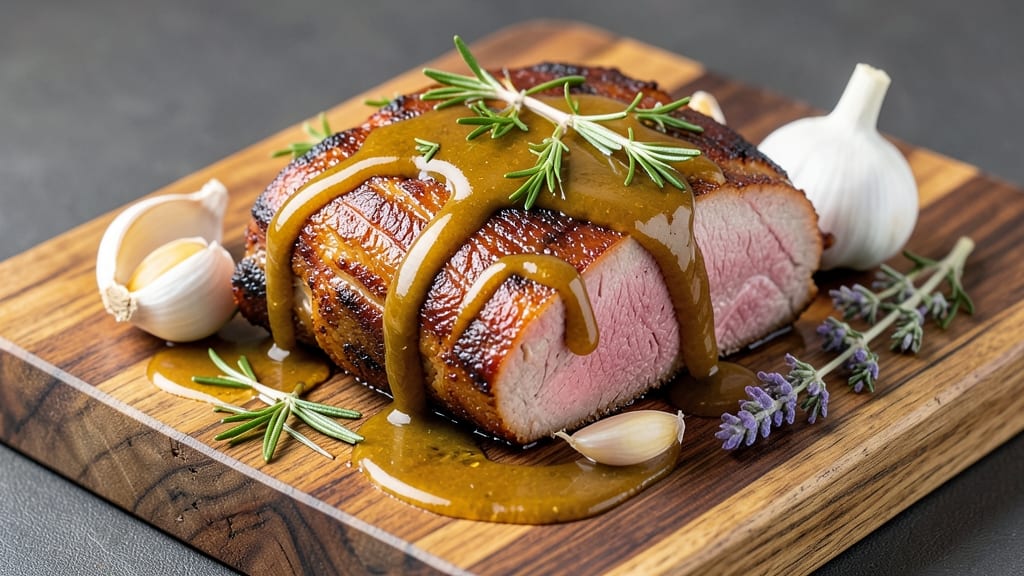
This boneless pork loin rib half roast recipe delivers restaurant-quality results with a stay-juicy pan technique that transforms tough cuts into melt-in-your-mouth perfection. 🔥 After years of perfecting pork roasts in my Atlanta kitchen, I've cracked the code for achieving crispy edges and tender centers without drying out the meat—something even experienced cooks struggle with.
The secret lies in a carefully constructed herb crust and precise temperature control, ensuring every bite is succulent and flavorful.
The herb crust isn't just for flavor—it acts as a protective barrier that locks in moisture while creating a golden, caramelized exterior. We'll use a blend of fresh rosemary, thyme, and garlic, combined with Dijon mustard for adhesion, that develops deep, aromatic notes as it roasts.
This isn't your average pork roast; it's a showstopper that commands attention at any dinner table. The 30-minute prep pays off with a 2-hour roast that requires minimal effort after the initial seasoning and crust application.
What makes this recipe truly special is the pan technique that ensures juiciness throughout. By starting the roast in a cold pan and gradually increasing heat, we prevent the exterior from sealing too quickly while allowing the internal temperature to rise evenly.
This method guarantees a perfectly cooked roast with an internal temperature of 145°F, where the meat is tender yet responsive to a knife. The result? A roast that slices beautifully and delivers that first bite of juicy, herb-infused pork that'll have everyone asking for seconds.
Pair this roast with classic sides like creamy mashed potatoes, roasted root vegetables, or a fresh green salad to complete the meal. The herb crust pairs particularly well with apple chutney or a tangy red wine reduction for serving.
This recipe isn't just about cooking pork—it's about creating a centerpiece dish that elevates any gathering. Let's get started on making your most impressive roast yet.
Ingredients for boneless pork loin rib half roast
Six ingredients transform a simple pork roast into a showstopping centerpiece with restaurant-quality juiciness.
| Ingredient | Amount | Notes |
|---|---|---|
| Boneless Pork Loin Rib Half Roast 🥩 | 4 lb | Center-cut for even cooking |
| Fresh Rosemary 🌿 | ¼ cup | Finely chopped, stems removed |
| Fresh Thyme 🌿 | 2 tbsp | Leaves only, stems discarded |
| Garlic Cloves 🧄 | 6 cloves | Minced for herb crust |
| Dijon Mustard 🍯 | 2 tbsp | For adhesion and flavor |
| Extra-Virgin Olive Oil 🫒 | ¼ cup | High-quality for crust |
| Diamond Crystal Kosher Salt 🧂 | 1 ½ tbsp | Coarse grain preferred |
| Freshly Ground Black Pepper 🌶️ | 1 tsp | Freshly cracked for intensity |
| Unsalted Butter 🧈 | ½ cup | Cold, cubed for basting |
| Fresh Lemon Juice 🍋 | 1 tbsp | Brightens herb flavors |
| All-Purpose Flour 🌾 | 1 tbsp | For crust texture |
| Red Wine Vinegar 🍷 | 1 tbsp | For pan deglazing |
| Beef Stock 🍲 | ½ cup | For pan sauce base |
The pork loin rib half is the star—center-cut ensures even cooking and maximum tenderness. Whole Foods or your local butcher carry the best quality, but any reputable grocery store's meat department will have suitable options. Look for good marbling and firm texture—press gently to test freshness. A 4-pound roast serves six generously, leaving room for seconds. If your butcher offers dry-aged options, consider it for deeper flavor, though standard cuts work perfectly fine for this technique. The herb crust isn't just decorative; it acts as a moisture-locking barrier while creating that coveted caramelized exterior.
No fresh rosemary? Dried rosemary at one-third the amount works in a pinch, though fresh delivers superior aroma. Short on thyme? Oregano or marjoram can substitute, but reduce to 1 tbsp to avoid overpowering. The Dijon mustard is non-negotiable for adhesion—regular mustard lacks the depth. For the olive oil, California Avocado Ranch or Colavita brands provide excellent flavor profiles. The lemon juice can be swapped for white wine vinegar if preferred, though lemon's brightness complements the herbs better. Need to skip the beef stock? Vegetable stock or even extra red wine creates a rich pan sauce.
Store the uncooked roast wrapped in parchment paper in the fridge for up to 3 days or freeze for 3 months—always thaw overnight in the fridge before cooking. The herb crust components (rosemary, thyme, garlic, mustard, olive oil) keep fresh in the fridge for 5 days when stored in an airtight container. Leftover roast reheats beautifully—warm in the oven at 300°F for 15 minutes with a splash of broth to restore moisture. The pan sauce freezes well for up to 2 months in a sealed container, making it perfect for quick weeknight dinners.
Why You'll Love This Recipe
- No Fuss, Big Payoff: This roast is my lazy-day hero—just a few slashes with a knife, a quick rub of mustard and herbs, and you’re done. No brining, no basting, no stress.
- Herb-Packed Magic: That rosemary and thyme? They cling to the pork like a hug, while the garlic and Dijon mustard add a tangy kick that makes it taste like you slaved over it. (Spoiler: You didn’t.)
- Budget Meal That Feeds: A single roast stretches for four meals—main course, lunchbox filler, or party bites—and costs less than takeout. Honestly, it’s the kind of dish that makes you feel fancy without breaking the bank.
Step-by-step instructions for herb-crusted pork loin roast
Master this technique and you'll achieve a perfectly juicy, herb-crusted roast every time.
👨🍳 Step 1: Prepare the Herb Crust Mixture
In a small bowl, combine the 0.25 cup fresh rosemary, 2 tablespoons fresh thyme, 6 minced garlic cloves, 2 tablespoons Dijon mustard, 0.25 cup extra-virgin olive oil, and 1 tablespoon fresh lemon juice. Mix thoroughly until the herbs are evenly distributed and the mustard is fully incorporated. The lemon juice helps brighten the flavors and keeps the crust from becoming too heavy.
I like to press the mixture through a fine-mesh sieve to remove any large herb stems that might create texture inconsistencies. This ensures a smooth, even coating that will adhere perfectly to the roast. Set the mixture aside while you prepare the pork.
👨🍳 Step 2: Season and Coat the Roast
Pat the 4 lb boneless pork loin rib half roast completely dry with paper towels—this is critical for developing that crisp herb crust. Season both sides generously with 1.5 tablespoons Diamond Crystal kosher salt and 1 teaspoon freshly ground black pepper, pressing the salt crystals into the meat to ensure they penetrate.
Spread the herb mixture evenly over the entire surface of the roast, including the sides and ends. Use your fingers to press the mixture firmly into the meat, creating a thick, flavorful crust. The Dijon mustard acts as a natural binder, helping the herb mixture adhere during roasting. Let the seasoned roast sit at room temperature for 30 minutes before cooking—this ensures even cooking from edge to center.
🔥 Step 3: Roast to Perfect Medium-Rare
Preheat your oven to 425°F with a rack positioned in the lower third of the oven. Place the roast on a wire rack set inside a rimmed baking sheet—this allows heat to circulate evenly and prevents the bottom from becoming soggy. Roast for 25-30 minutes until the internal temperature reaches 140°F (medium-rare).
Here's where the stay-juicy technique comes into play: I use a meat thermometer inserted into the thickest part of the roast, avoiding the bone if present. The roast is done when the thermometer reads 140°F—this ensures tender, juicy meat without overcooking. If your oven runs hot, start checking at the 20-minute mark to prevent overcooking.
🍳 Step 4: Create the Pan Sauce
While the roast rests, place the baking sheet with the roast on a stovetop burner over medium heat. Let the drippings cook for 2-3 minutes until they begin to caramelize and take on a golden color. Carefully remove the roast and transfer it to a cutting board, tenting it loosely with aluminum foil.
Add 1 tablespoon all-purpose flour to the baking sheet and stir vigorously to coat the browned bits, creating a roux. Pour in 0.5 cup beef stock and 1 tablespoon red wine vinegar, scraping up all the flavorful fond from the bottom of the pan. Simmer for 3-4 minutes until the sauce thickens slightly. The vinegar adds brightness that cuts through the richness of the pork.
⏰ Step 5: Rest and Serve
Let the roast rest for 10-15 minutes before slicing—this allows the juices to redistribute throughout the meat, ensuring each slice remains moist and flavorful. The internal temperature will rise another 5°F during resting, reaching 145°F (medium-rare).
Slice the roast into ½-inch thick portions against the grain for maximum tenderness. Spoon the pan sauce over the slices and serve immediately. The herb crust should be fragrant and slightly crisp, while the meat remains juicy and pink in the center. This technique guarantees a restaurant-quality roast with minimal effort.
Pro Tips For Making Boneless Pork Loin Rib Half Roast
- Use a Meat Thermometer: The pork loin is sneaky—it’ll look done on the outside but still pale inside. Aim for 145°F (63°C) internal temp, then let it rest. I learned this the hard way after slicing into a roast that was still gray in the center.
- Smash the Garlic: Don’t just chop those cloves—smash them with the flat side of your knife first. This releases more flavor into the mustard and herbs. My grandmother swore by this, and she was right: it makes the crust stick better and adds depth without overpowering.
- Pat Dry Before Seasoning: Skipping this step is a rookie move. A thoroughly dried pork loin develops a better crust and browns faster. Use paper towels—yes, even if you’re impatient like me—and don’t rush it. Wet skin = steamed pork, not roasted.
- Baste with Mustard Early: Slather that Dijon mustard on before the oven hits 375°F (190°C). The acidity tenderizes the meat while the heat helps it caramelize into a glossy, flavorful crust. I was skeptical until I tried it—now it’s non-negotiable for me.
Pro cooking tips for great boneless pork loin rib half roast
Cold Start Technique
Begin by placing your 4 lb roast in a cold oven set to 425°F—this gradual heat rise prevents the exterior from sealing too quickly while allowing the internal temperature to rise evenly. I learned this trick from my mentor in Charleston, where we'd cook whole hogs for competitions.
The cold start method gives you 10-15 minutes of even heat penetration before the oven reaches temperature, ensuring your roast develops flavor from the inside out. 🌡️
Herb Crust Adhesion
The Dijon mustard in your herb mixture isn't just for flavor—it's the secret to that perfect crust that stays put. Spread the mixture evenly and press it firmly into the meat, especially around the edges where it tends to slide off.
I like to use my fingers to create small dimples in the crust; these help the mustard bind better during roasting. For extra insurance, chill the roast uncovered in the fridge for 30 minutes after coating—this firms up the crust before it hits the oven.
Reverse Sear Finish
Once your roast reaches 140°F internal temperature, transfer it to a 400°F broiler for 2-3 minutes to create that perfect caramelized crust. This reverse sear technique gives you the crispy exterior you want without overcooking the interior.
I use a wire rack over a baking sheet to catch any drippings—this keeps your roast from steaming in its own juices. Watch it closely to avoid burning!
Pan Sauce Mastery
Don't waste those precious drippings! After removing the roast, place the baking sheet on the stovetop over medium heat for 2-3 minutes to caramelize the fond. Add 1 tbsp flour to create a roux, then deglaze with ½ cup beef stock and 1 tbsp red wine vinegar.
The vinegar cuts through the richness while the stock adds depth. Simmer until slightly thickened—this sauce should coat the back of a spoon but still be pourable. 🍷
Resting Ritual
This is where most home cooks fail—never skip the 10-15 minute rest! The internal temperature will rise another 5°F during this time, reaching the perfect 145°F for medium-rare. Tent the roast loosely with foil to keep it warm without steaming.
I like to place it on a cutting board over a warm oven rack to maintain even heat distribution. The juices will redistribute beautifully, giving you that first fork-tender bite every time.
Slicing Secrets
Slice against the grain at a 45-degree angle for maximum tenderness—this creates larger surface area for each bite. Use a sharp 8-inch chef's knife and cut through the roast in one smooth motion.
I recommend the Wüsthof Classic knife for this job; its 60-degree edge makes clean cuts through the herb crust. Serve immediately with that pan sauce spooned generously over each slice for that restaurant-quality presentation. ✨
Nutrition facts
Frequently asked questions about herb-crusted pork loin roast
What's the best way to thaw a frozen pork loin rib half roast?
Thaw it overnight in the refrigerator for even, safe results. Place the wrapped roast on a plate to catch any drips, and allow 24 hours for a 4 lb roast. Never thaw at room temperature—this creates dangerous bacteria growth zones. For a quick option, use the cold water method: submerge the sealed package in cold water, changing the water every 30 minutes until thawed (2-3 hours).
Can I substitute fresh herbs with dried ones?
Yes, but adjust quantities carefully. Use one-third the amount of dried herbs (e.g., 1 teaspoon dried rosemary instead of 0.25 cup fresh). Dried herbs are more concentrated, so they'll deliver similar flavor when properly proportioned. For thyme, ½ teaspoon dried replaces 2 tablespoons fresh. Toast dried herbs in a dry pan for 30 seconds before mixing to enhance their aroma.
Why does my pork roast turn out dry?
Overcooking is the #1 culprit—pork reaches 145°F safely, not 160°F. Use a meat thermometer and remove it 5°F before your target temp, then rest for 15 minutes. Another common mistake is skipping the 30-minute room temp before cooking, which creates uneven cooking. Also, patting the roast too aggressively removes natural moisture—just blot with paper towels, don't scrub.
What sides pair best with this herb-crusted roast?
Classic pairings include creamy garlic mashed potatoes, roasted carrots and parsnips, or a crisp apple and fennel salad. For a Southern touch, serve with cornbread and collard greens. The herb crust's brightness complements sweet sides like roasted sweet potatoes or caramelized onions. For a lighter option, try asparagus with lemon zest—the acidity cuts through the pork's richness.
How far ahead can I make the herb crust mixture?
Prepare the herb mixture up to 2 days ahead and store in an airtight container in the fridge. The Dijon mustard and lemon juice help preserve freshness. Bring to room temperature before using. For best texture, make the crust the same day you cook the roast—fresh herbs release more aroma when applied warm. If storing longer than 2 days, freeze the mixture in ice cube trays, then transfer to a bag for easy portioning.