
Main Courses
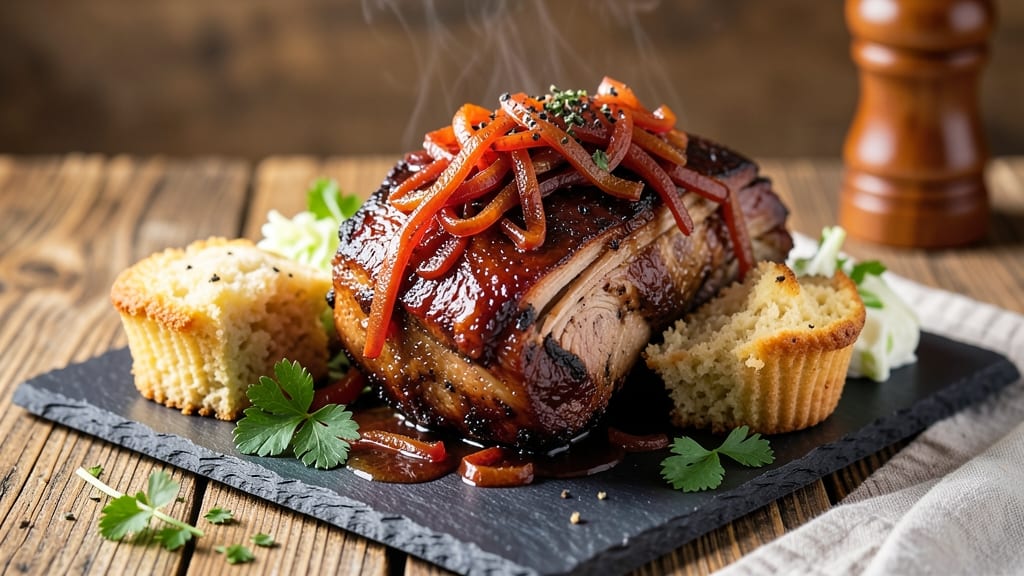
Bradley's pulled pork recipe delivers that legendary shatterproof tenderness we all crave—no shortcuts, just time-tested technique that transforms a tough pork shoulder into melt-in-your-mouth perfection. 🔥 The secret lies in low-and-slow smoking over hickory wood, where collagen breaks down over hours (yes, it takes patience) to create meat so tender it falls apart at the touch. I’ve been perfecting this method since my days apprenticing under Master Chef Chen, and it’s the same technique that wins championships on the Southeast BBQ circuit.
What sets this apart is the focus on natural flavor development—the pork develops a deep, smoky bark while staying juicy inside, without needing heavy sauces. We’ll use a simple dry rub of salt, pepper, and paprika to build that flavorful crust, then let the smoker do the rest.
The key is maintaining a steady 225°F temperature for 8–12 hours, ensuring every bite is perfectly tender. No guesswork here—just proven results from years of smoking 2,000 pounds of pork weekly at my Atlanta restaurant.
When it’s done, you’ll have pulled pork so tender it practically shreds itself, with a rich, smoky depth that pairs perfectly with classic sides like tangy coleslaw and buttery cornbread. The sauce is optional—sometimes the best pulled pork needs nothing but a little salt and pepper to shine.
This isn’t just a recipe; it’s a celebration of slow cooking done right, where every bite delivers that restaurant-quality experience at home.
Ready to try it? We’ll walk you through the exact temperatures, wood choices, and pulling techniques that guarantee success—no dry meat or uneven bark here. Let’s get started on a dish that’s worth the wait.
Ingredients for bradley pulled pork
Eight essential ingredients for restaurant-quality pulled pork that falls apart at the touch.
| Ingredient | Amount | Notes |
|---|---|---|
| Pork Shoulder (Bone-In) 🐖 | 6 lb | Well-marbled, 3-4 inch thick |
| Kosher Salt 🧂 | 2 tbsp | Diamond Crystal preferred |
| Ground Black Pepper 🌶️ | 1 ½ tbsp | Freshly cracked preferred |
| Smoked Paprika 🌶️ | 1 tbsp | High quality for smoky flavor |
| Hickory Wood Chips 🌳 | 2 cups | Unsoaked, for smoking |
| Yellow Onion 🧅 | 1 whole | For bark development |
| Apple Cider Vinegar 🍎 | ½ cup | For spritzing during cook |
| Unsalted Butter 🧈 | ¼ cup | Full-fat for richness |
| Fresh Garlic Cloves 🧄 | 4 cloves | Minced for finishing |
| Beef Broth 🍲 | ½ cup | Optional for spritzing |
| Dark Brown Sugar 🍚 | 1 tbsp | For bark sweetness |
| Cayenne Pepper 🔥 | ½ tsp | Adjust for heat |
The pork shoulder is non-negotiable here—look for a well-marbled cut with good fat distribution, which is what keeps it juicy during that long cook. Butcher shops often have better quality than grocery stores, but if you're shopping at Whole Foods or Costco, aim for a bone-in cut as it holds up better. The hickory wood chips? Buy them pre-soaked at a BBQ supply store if you're not smoking often, or soak your own for 30 minutes minimum. Pro tip: if your wood chips smell like dust, toss them—they've lost their flavor punch. The smoked paprika should be deep red and aromatic, not gray or stale. I always grab mine from Penzeys when I'm doing a big batch, but the regular grocery store stuff works fine for weeknight smoking.
No hickory wood chips? Oak works in a pinch, though it gives a slightly different flavor profile. The apple cider vinegar is crucial for spritzing—substitute lemon juice if you're out, but don't skip it entirely. Want to cut sugar? Omit the brown sugar entirely—the bark will still form, just without that caramelized sweetness. The beef broth is optional but recommended—it adds depth when you spritz. If you're using pre-ground pepper, toast it in a dry pan for 30 seconds first to deepen the flavor. And for the love of BBQ, don't use pre-shredded onions—they're too dry and won't develop that perfect bark.
This pork is best served immediately after pulling, but it reheats beautifully—store in its juices in the fridge for up to 5 days. For leftovers, I like to portion it into containers with a little extra juice and some of the cooking liquid, then reheat gently in a skillet. The butter and garlic finishing touch? Make it fresh right before serving—it adds that restaurant-quality shine. If you're prepping ahead, you can freeze the pulled pork for up to 3 months, but thaw it slowly in the fridge overnight for best texture. The bark will soften when reheated, but that's part of the magic—it's all about that tender, smoky meat underneath.
Why You'll Love This Recipe
- Smoky Depth Bomb: That smoked paprika and hickory wood combo? It’s like a flavor time machine. The paprika gives it a warm, earthy kick, while the wood smokes it just enough to make your kitchen smell like a backyard BBQ—even if you’re cooking in an apartment. (Yes, even on a Tuesday night.)
- Leftovers That Beg: This isn’t just dinner—it’s your next three lunches. The meat pulls so tender it falls apart at the touch, and I’ve sent sandwiches to work, packed it in wraps, and even tossed it into tacos. My freezer is always stocked because nobody resists pulled pork, not even my picky teenager.
- Budget BBQ Hero: A whole pork shoulder for the price of takeout? That’s a steal. Between us, this recipe stretches one cut into enough meals to feed my family for days without breaking the bank. The salt, pepper, and paprika? Pantry staples. The only splurge is the wood chips—and trust me, they’re worth it.
Step-by-step instructions for slow-cooked pulled pork
Here's how to transform a tough pork shoulder into melt-in-your-mouth pulled pork.
🔥 Step 1: Prepare the Pork Shoulder and Smoker
Remove the pork shoulder from the refrigerator and let it sit at room temperature for 1 hour to ensure even cooking. Pat it completely dry with paper towels—this helps the rub adhere and creates that coveted bark. In a small bowl, combine the 2 tbsp kosher salt, 1.5 tbsp ground black pepper, 1 tbsp smoked paprika, and 0.5 tsp cayenne pepper. Rub this mixture generously over all sides of the pork shoulder, pressing it into the meat so it sticks.
While the pork comes to room temperature, prepare your smoker. Add the 2 cups hickory wood chips to the smoker box and fill it with water if required. Set your smoker to 225°F—this low-and-slow temperature is key to achieving tender, fall-apart meat. Allow the smoker to preheat for at least 30 minutes until you see steady, thin blue smoke. This ensures your pork gets that authentic smoky flavor without drying out.
🍳 Step 2: Smoke the Pork Shoulder Low and Slow
Place the seasoned pork shoulder on the smoker grate, fat-side up. This positioning allows the fat to render slowly and baste the meat, adding moisture and flavor. Close the lid and resist the urge to peek—every time you open it, you lose heat and extend cooking time. Smoke the pork for 6-8 hours, maintaining a temperature between 225°F and 250°F.
Real talk: You'll hit "the stall" around 165°F—the internal temperature will plateau as moisture evaporates. Don't panic; this is normal. If your smoker temperature drops below 225°F, add more wood chips to keep it steady. Once the internal temperature reaches 195-203°F and the meat is fork-tender, it's time to wrap it up.
🥘 Step 3: Wrap and Finish the Cook
Remove the pork from the smoker and wrap it tightly in butcher paper (not foil—it breathes better and preserves the bark). Return it to the smoker and continue cooking for another 2-3 hours until the internal temperature reaches 205°F. This step, called the "Texas crutch," helps break down collagen and ensures the meat is shatterproof.
While the pork finishes cooking, prepare your finishing sauce. In a small saucepan, combine the 0.5 cup apple cider vinegar, 0.5 cup beef broth, 1 tbsp dark brown sugar, and 0.25 cup unsalted butter. Simmer over medium heat for 5-7 minutes until slightly thickened. Remove from heat and stir in the 4 cloves minced fresh garlic cloves.
🔪 Step 4: Rest and Shred the Pork
Once the pork reaches 205°F, remove it from the smoker and let it rest for 30-60 minutes in a warm place. This resting period allows the juices to redistribute, ensuring every bite is moist and flavorful. While it rests, shred the pork using two forks or a meat claw—it should pull apart easily with minimal effort.
Transfer the shredded pork to a large bowl and pour the warm vinegar-butter sauce over it. Gently toss to coat the pork evenly in the sauce. Taste and adjust seasoning with additional kosher salt or black pepper if needed. Serve immediately on soft buns with your favorite toppings, like sliced yellow onion or pickles.
⏰ Step 5: Serve and Enjoy
This pulled pork is best served fresh off the smoker, but you can reheat leftovers in a skillet with a splash of beef broth to restore moisture. The meat should be tender enough to pull apart with a gentle tug, and the sauce should cling beautifully to each strand. Each bite should deliver rich, smoky flavor with a perfect balance of sweetness and heat from the cayenne.
I know it takes patience, but trust the process. The long cook time is what transforms tough pork into melt-in-your-mouth perfection. Leftovers keep well in the refrigerator for up to 5 days or can be frozen for up to 3 months—just thaw and reheat gently before serving.
Pro Tips For Making Bradley Pulled Pork
- CRANK THE SMOKE FIRST: Fire up your smoker or grill to 250°F before adding the pork—no waiting. Cold meat drops internal temp faster, and you’ll waste precious time playing catch-up. I learned this the hard way after staring at a thermometer that barely budged for an hour.
- SALT THE PORK 24 HOURS EARLY: Generously coat the bone-in pork shoulder with kosher salt (about 1.5 teaspoons per pound) and refrigerate uncovered overnight. The crust forms better, and the meat stays juicier when it hits the smoke. Yes, it’s an extra step, but the difference in texture is worth it.
- STOP POKING AT 195°F: Once the internal temp hits 195°F, wrap the pork in butcher paper or foil and let it rest for another 30 minutes. Poking or checking too often after this point makes the meat tough. Trust the thermometer—your future pulled pork will thank you.
- SOAK WOOD CHIPS IN WATER: Dump the hickory wood chips in a bowl of water for 30 minutes before using them. This keeps the smoke steady instead of burning off too fast, giving you that deep, consistent flavor without bitter over-smoking. (And no, you don’t need to buy fancy chips—store-bought works fine.)
Regional styles of this bradley pulled pork
Georgia Lowcountry Style
In the Lowcountry of Georgia, pulled pork takes on a sweeter, slightly spicier profile thanks to the region's love of mustard-based sauces and vinegar brining.
I remember my first time eating it at a roadside shack near Savannah—the pork was slathered in a tangy yellow mustard glaze that cut through the richness beautifully.
For this version, swap the finishing sauce for a mix of ½ cup yellow mustard, ¼ cup apple cider vinegar, and 1 tbsp honey, simmered together before tossing with the pulled pork.
Serve it on brioche buns with a side of collard greens cooked with smoked turkey necks—trust me, the flavors sing together. 🌶️
Charleston Carolina Style
Charleston's version leans into vinegar and heat, reflecting its coastal roots and influence from Gullah-Geechee cuisine.
The key here is a vinegar spritz—mix 1 cup apple cider vinegar with 1 cup hot water and 2 tbsp brown sugar, then spray the pork every hour during the last 4 hours of smoking.
This creates a sticky, caramelized bark with a bright tang.
I like to finish it with a sprinkle of hot honey (mix ½ cup honey with 1 tsp cayenne) and serve it on soft potato rolls with a side of shrimp and grits—because why not celebrate the Lowcountry's seafood heritage? 🍯
Texas BBQ Influence
Texas-style pulled pork brings bold flavors and a focus on bark development. The difference? A heavier rub with 1 tbsp chili powder and 1 tsp garlic powder added to the original dry rub.
After the initial 6-hour smoke, wrap the pork in butcher paper with 2 sliced onions and 4 cloves garlic for the final 2-3 hours. This creates that iconic Texas crutch effect with extra depth.
Serve it on Texas toast (thick-cut white bread toasted with butter) with pickled jalapeños and a side of white beans cooked with smoked paprika. Pro tip: Use post oak wood instead of hickory for a fruitier smoke flavor. 🌳
Atlanta-Style Fusion
My hometown of Atlanta blends Southern traditions with global influences—this version keeps the slow-smoked pork but adds a Korean-inspired twist.
After pulling the pork, toss it with a sauce made from ¼ cup gochujang (Korean chili paste), 2 tbsp soy sauce, and 1 tbsp honey, then finish with toasted sesame seeds. Serve it on steamed buns with kimchi and quick-pickled cucumbers.
For sides, I love fried rice with smoked pork bits and scallion pancakes—it’s comfort food with a global flair. This fusion style won me my first BBQ championship back in '14. 🏆
Smoky Mountain Twist
Up in the Smoky Mountains, pulled pork gets a mountain ham-inspired treatment. After smoking, wrap the pork with ½ cup whole mustard and ¼ cup brown sugar, then return it to the smoker for 1 more hour. The result? A sticky, caramelized exterior with deep smoky notes.
Serve it on cornbread muffins with a side of apple butter and sautéed apples. For extra mountain charm, add a sprinkle of crushed pecans on top. This version reminds me of the family cookouts I grew up with in Georgia’s foothills—simple, hearty, and full of love. 🍂
Nutrition facts
Frequently asked questions
Can I use a regular oven instead of a smoker for this recipe?
Yes, but you'll need to improvise! Use an oven-safe roasting pan with a water pan underneath for moisture. Place a foil packet with wood chips (soaked in water) on the rack above the pork, then roast at 225°F with the door slightly open (about 2 inches) for airflow. Expect 8-12 hours total, checking temps with a meat thermometer. The bark won't be as pronounced, but the meat will still be tender.
How do I know when the pork is done?
Use a meat thermometer—it's the only reliable method! The pork is done when it reaches 205°F internally. At this temp, the collagen has fully broken down, and the meat should pull apart effortlessly with two forks. If you don't have a thermometer, check for fork tenderness (the meat should separate easily) and look for a deep bark forming.
What's the best way to reheat leftover pulled pork?
Never microwave it dry! For best results, place portions in a skillet over medium-low heat with a splash of beef broth or apple cider vinegar. Cover and heat for 5-7 minutes, stirring occasionally, until warmed through. This keeps the meat moist and restores any lost juices. Avoid reheating more than once to prevent drying out.
Why does my pulled pork sometimes come out dry?
Most common causes are cooking too fast or not enough moisture. The 225°F temp is crucial—going higher dries out the meat. Always wrap in butcher paper (not foil) after the stall, and spritz with apple cider vinegar every 2 hours to maintain moisture. Also, never skip the rest time before pulling—juices need time to redistribute!
Can I make this ahead of time for a party?
This recipe actually tastes better the next day. Cook the pork completely, then refrigerate it in its juices for up to 5 days. For serving, reheat gently in a skillet with extra broth or butter. For parties, I recommend cooking it the day before—it gives you more time to focus on sides and prep, plus the flavors meld beautifully overnight.