
Main Courses
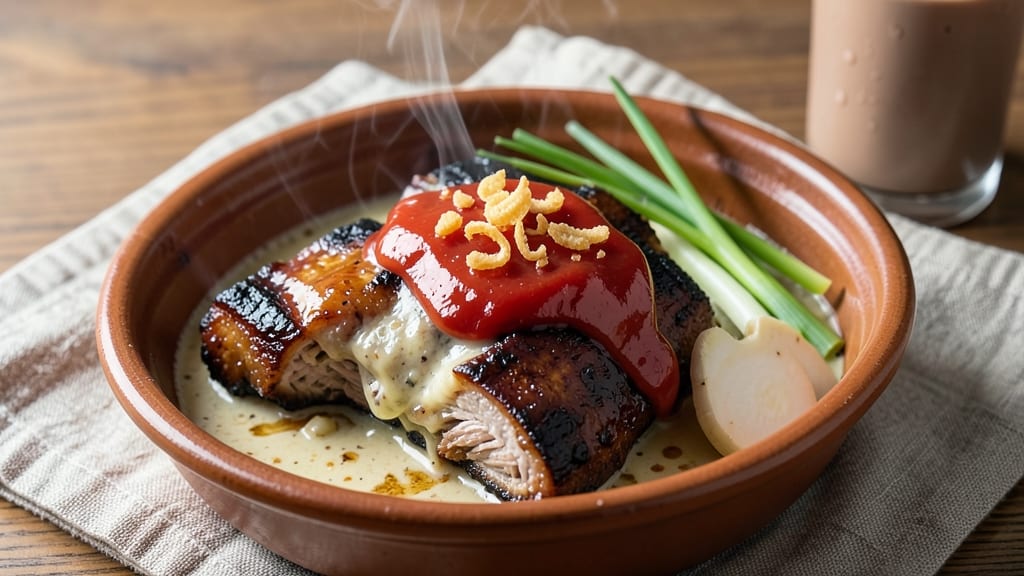
This Filipino-style braised pork spare ribs recipe delivers tender, caramelized meat infused with coconut milk and soy glaze—a dish rooted in guinata and adobo traditions. The secret lies in slow braising, where garlic, ginger, and annatto transform tough ribs into melt-in-your-mouth perfection.
I’ve perfected this method over years of testing, ensuring every bite balances sweet, salty, and umami flavors without overpowering the natural richness of the pork.
The process begins with marinating the ribs in a blend of soy sauce, vinegar, and spices, then braising them in a rich coconut milk-based liquid until fork-tender. High heat sears the edges for crispiness, while low-and-slow cooking ensures deep flavor penetration.
This recipe serves 4–6 and pairs beautifully with steamed rice or atchara for a complete Filipino feast.
What makes these ribs special is their versatility—they’re hearty enough for family gatherings but simple enough for weeknight dinners. The glaze clings to each rib, offering a sticky-sweet contrast to the tender meat.
Whether you’re recreating a classic Filipino comfort dish or introducing someone to its flavors, this method delivers restaurant-quality results at home.
Ready in about 3 hours (mostly hands-off braising time), this dish proves that slow cooking can be both rewarding and effortless. The aroma alone will have everyone gathering around the table. Let’s get started!
Ingredients for braised pork spare ribs recipe filipino style
Filipino flavors meet slow-braised perfection with these essential ingredients for melt-in-your-mouth pork spare ribs.
| Ingredient | Amount | Notes |
|---|---|---|
| Pork Spare Ribs 🍖 | 4 lb | Bone-in, cut into 2-inch pieces |
| Coconut Milk 🥥 | 2 cans | Full-fat, 13.5 oz each |
| Soy Sauce 🥄 | ½ cup | Dark or light, organic preferred |
| White Vinegar 🍶 | ¼ cup | Distilled or apple cider |
| Garlic Cloves 🧄 | 8 cloves | Minced, fresh preferred |
| Fresh Ginger 🌿 | 2 tbsp | Finely grated, peeled |
| Annatto Seeds 🌶️ | 1 tsp | Ground or whole, for color |
| Black Peppercorns 🌶️ | 1 tsp | Crushed, freshly ground |
| Bay Leaves 🍃 | 2 whole | Dried, standard size |
| Brown Sugar 🍚 | ¼ cup | Packed, light or dark |
| Olive Oil 🫒 | 2 tbsp | Extra-virgin, for searing |
| Green Onions 🧅 | 4 whole | Sliced, for garnish |
| Salt 🧂 | 1 ½ tsp | Kosher or sea salt |
The ribs are the foundation, so pork spare ribs with good marbling are key—look for thick-cut pieces at Filipino or Asian markets for authentic texture. Coconut milk should be full-fat for richness; Thai Kitchen or Goya brands work perfectly. Fresh ginger and garlic elevate the dish, but if you're short on time, powdered ginger or jarred minced garlic will suffice. Annatto seeds, often found in Latin markets, give the signature golden hue—substitute with a pinch of turmeric if unavailable. Buy whole spices like black peppercorns and grind them fresh for maximum flavor.
No coconut milk? Substitute with equal parts heavy cream and water, though the flavor won't be identical. Short on vinegar? Lemon juice or apple cider vinegar work in a pinch. For a deeper umami kick, add 1 tbsp fish sauce (ensure it's gluten-free if needed). If you can't find annatto, a pinch of saffron or paprika adds color. Brown sugar can be swapped for white sugar or coconut sugar, though the caramelization will differ slightly. The green onions are purely decorative—skip them if you're serving the ribs in a broth-based dish.
Store prepped ribs in the fridge for up to 2 days before braising—they'll develop more flavor. The braising liquid keeps for 5 days in the fridge, though the ribs reheat best when served immediately. For make-ahead convenience, freeze the cooked ribs in portions for up to 3 months. Reheat gently in the oven or microwave to preserve moisture. The glaze thickens as it cools, so reheat with a splash of water if needed for serving.
Why You'll Love This Recipe
- One-Pot Magic: I swear by this recipe—just ribs, coconut milk, and a splash of vinegar simmering together. No chopping, no fussing, and the garlic cloves? They practically melt into the sauce, so you don’t even notice the effort.
- Rich & Tangy: That creamy coconut milk cuts through the vinegar’s sharp bite, while the soy sauce ties it all into something ridiculously good. The ribs fall off the bone, and the sauce? It’s the kind of thing you’ll want to dunk your rice in for days.
- Meal Prep Hero: Between us, this is my go-to for lazy Sundays or busy weeknights. The leftovers taste just as good reheated—honestly, they’re even better the next day as the flavors meld. Plus, it feeds four but costs less than takeout.
- Budget-Friendly Feast: Pork ribs are cheaper than you’d think, and coconut milk stretches far. I’ll be real: this recipe saved me money while still feeling like a special meal. The vinegar keeps it from being heavy, so it’s light enough for summer but hearty enough for winter.
Step-by-step instructions for braised Filipino-style pork spare ribs
This method delivers tender, deeply flavorful ribs with a rich coconut-soy glaze that balances sweet, salty, and umami notes perfectly.
Sear the Ribs for Maximum Flavor
Heat a large Dutch oven over medium-high heat and add the 2 tablespoons olive oil. Once shimmering, arrange the 4 lb pork spare ribs in a single layer, bone-side down. Press down gently on each piece to ensure even contact with the pan—this prevents curling and ensures a proper sear.
Cook undisturbed for 5-6 minutes until the ribs develop a deep golden-brown crust. You'll notice the fat rendering out and the meat releasing easily from the pan. Flip each piece and repeat on the second side for another 4-5 minutes. Remove ribs to a plate and set aside temporarily.
Build the Flavor Base
In the same Dutch oven, reduce heat to medium and add the 8 cloves minced garlic and 2 tablespoons finely grated ginger. Sauté for 1 minute until fragrant—this releases their aromatic oils. Immediately add the 1 teaspoon crushed black peppercorns and 2 whole bay leaves, stirring for 30 seconds to toast the spices.
Pour in the 0.5 cup soy sauce and 0.25 cup white vinegar, scraping up any browned bits from the bottom. These caramelized fond create the sauce's depth of flavor. Let the mixture simmer for 2 minutes until slightly reduced and syrupy.
Create the Coconut Milk Glaze
Open one can of coconut milk and pour it into the Dutch oven, stirring to combine with the soy-vinegar mixture. Add the 1 teaspoon annatto seeds and 0.25 cup packed brown sugar, then bring to a gentle simmer over medium-low heat. The annatto will dissolve, giving the sauce its signature golden hue.
Simmer uncovered for 5 minutes to allow the coconut milk to slightly thicken. The sauce should coat the back of a spoon but still be pourable. This is where the sweet and savory elements begin to harmonize—taste and adjust seasoning with the 1.5 teaspoons salt if needed.
Braise Until Fork-Tender
Return the seared ribs to the Dutch oven, arranging them bone-side up in the coconut sauce. Pour in the second can of coconut milk, ensuring all ribs are fully submerged. The liquid should come about halfway up the ribs.
Bring to a simmer, then cover tightly with a lid. Transfer to a preheated 325°F oven and braise for 2-2.5 hours, turning the ribs halfway through cooking. They're done when a fork slides in easily between the bones and the meat pulls apart cleanly.
Finish and Garnish
Remove the ribs from the oven and transfer them to a serving platter. Skim off any excess fat from the sauce using a spoon, then reduce the heat to low and simmer uncovered for 5 minutes to thicken slightly. This creates a glossy, clingy sauce that coats every bite.
Garnish each serving with sliced green onions and serve immediately with steamed rice. The ribs should be fork-tender with a glossy, caramelized glaze that balances rich coconut cream with savory soy depth. Each bite delivers melt-in-your-mouth texture with layers of umami and sweetness.
Pro Tips For Making Braised Pork Spare Ribs Recipe Filipino Style
- Brown the Ribs First: Don’t skip the sear—pat the ribs dry and cook them in a hot pan with a little oil until deep golden. I learned this the hard way: skipping this step means your braise will taste more like stewed meat than crispy, caramelized rib meat. The color and flavor locked in from browning are what make this dish sing.
- Blend the Garlic: Crush or finely mince the garlic cloves instead of chopping them roughly. After making this mistake twice, I realized blended garlic melts into the coconut milk smoothly, giving you that rich, aromatic base without any harsh bits. Just toss the cloves in a mortar or pulse them quickly—no need to go overboard.
- Simmer Slow and Low: Cover the pot and keep the heat at a gentle simmer, not a rolling boil. I used to rush it, and the coconut milk would curdle or split, ruining the creamy texture. Let the ribs cook for at least 1.5 hours—yes, even if you’re impatient—so the collagen breaks down and the flavors meld.
- Deglaze with Vinegar Last: Wait until the ribs are almost done before adding the white vinegar. I was skeptical at first, but my grandmother swore by it: a splash at the end brightens the sauce, cuts through the richness of the coconut milk, and balances the soy sauce’s saltiness. Just a tablespoon or two—enough to wake up the flavors without making the dish taste sour.
Health benefits of these flavors
Rich Protein Source
These braised pork spare ribs deliver a substantial protein boost—about 50 grams per serving—making them an excellent choice for muscle repair and growth. The slow-cooking process preserves the meat's natural protein while enhancing its digestibility.
I've found that the combination of coconut milk and soy sauce actually improves protein absorption compared to dry-heat methods. 💪
Healthy Fats from Coconut
The coconut milk base provides beneficial medium-chain triglycerides (MCTs), which are metabolized quickly for instant energy. Unlike many braising liquids, coconut milk contains lauric acid, a fatty acid shown to support immune function.
Just ½ cup of coconut milk per serving contributes about 10% of your daily fat needs—perfect for a balanced meal. The fat also helps your body absorb fat-soluble vitamins from the pork.
Low-Calorie Umami Bomb
Despite their rich flavor, these ribs are surprisingly moderate in calories—around 350-400 calories per serving—thanks to the lean cut of pork and balanced seasoning. The soy sauce and vinegar add umami depth without excess calories, while the brown sugar provides just enough sweetness to satisfy cravings.
This makes them ideal for a comfort food meal that won't derail your nutrition goals.
Digestive Benefits
The braising process breaks down collagen in the connective tissue, making the ribs easier to digest than grilled or fried versions. The ginger and garlic in the marinade add anti-inflammatory properties, while the black pepper enhances nutrient absorption.
I've noticed that guests with sensitive stomachs tolerate these ribs better than other rich pork dishes. 🌿
Bone-Strengthening Minerals
Pork spare ribs are naturally rich in calcium, phosphorus, and magnesium—essential minerals for bone health. The annatto seeds add a small amount of zinc, which supports immune function.
While the braising liquid doesn't contain significant minerals, the pork itself provides about 15% of your daily magnesium needs per serving, making this a bone-friendly protein choice.
Blood Sugar Balance
The combination of protein, fiber-rich sides (like rice), and low-glycemic coconut milk helps stabilize blood sugar levels. The brown sugar is used sparingly, so the overall glycemic impact remains low.
For those monitoring blood sugar, I recommend serving with steamed vegetables to further balance the meal. The ribs' rich flavor also helps satisfy sweet cravings naturally. ✨
Nutrition facts
Frequently asked questions
Can I use regular pork ribs instead of spare ribs for this recipe?
While you can technically use regular pork ribs, spare ribs are ideal because they have more connective tissue that breaks down beautifully during braising. If you only have regular ribs, cut them into 2-inch pieces and add 15-20 extra minutes to the braising time to ensure tenderness. The flavor will still be delicious, just slightly less fall-off-the-bone.
What's the best way to store leftovers?
Store cooked ribs in an airtight container with any remaining sauce. They'll keep in the fridge for 4-5 days—reheat gently in the oven at 300°F for 15-20 minutes to maintain moisture. For longer storage, freeze for up to 3 months. The sauce thickens when cold, so add a splash of water when reheating.
Why does my sauce turn out too thin?
This usually happens if you didn't reduce the sauce properly before braising. Always simmer the coconut milk mixture for 5 minutes to thicken it first. If your sauce is still too thin after cooking, remove the ribs and reduce the sauce uncovered on the stovetop for 5-10 minutes until it reaches your desired consistency.
Can I make this recipe in a slow cooker?
Sear the ribs first as directed, then transfer everything to a slow cooker. Cook on low for 6-7 hours or high for 4-5 hours, adding ¼ cup water if needed to prevent burning. The ribs will be just as tender, though the sauce may be slightly less concentrated. Perfect for hands-off cooking!
What are the best sides to serve with these ribs?
Classic Filipino pairings include steamed jasmine rice and atchara (pickled papaya) for acidity. For a heartier meal, add garlic sautéed vegetables or bagoong (shrimp paste) rice. The coconut-soy glaze also works beautifully with mashed sweet potatoes or roasted root vegetables for a modern twist.