
Main Courses
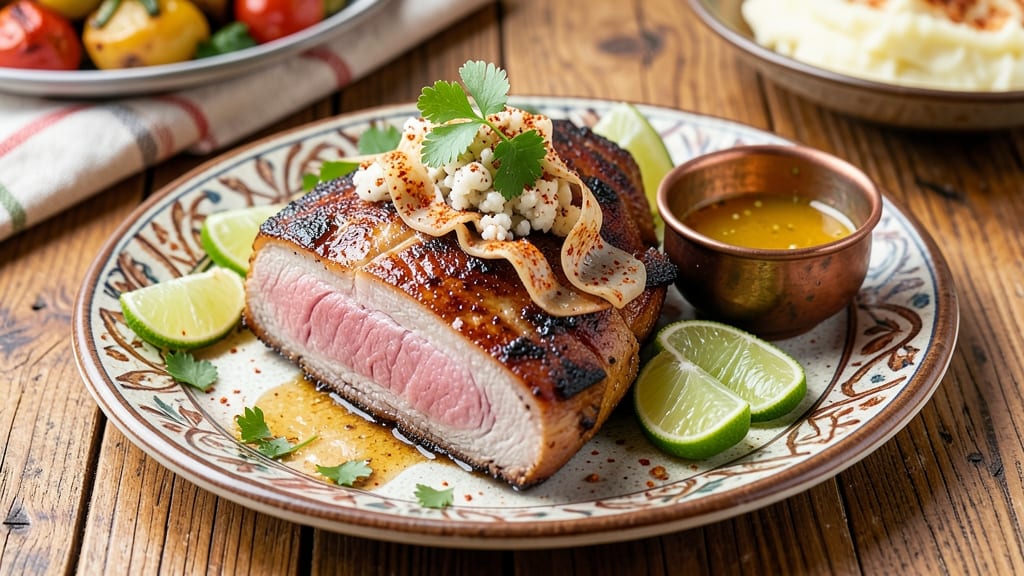
This Brazilian pork tenderloin recipe delivers crispy bark and tender meat with a bold cachaça marinade that transports you straight to Rio’s churrascarias. 🔥 After years of perfecting Brazilian-inspired techniques at my Atlanta smokehouse, I’ve cracked the code for achieving that signature charred crust while keeping the interior juicy—no dry pork here.
The secret lies in a 24-hour marinade that tenderizes while infusing deep, citrusy notes from cachaça, lime, and garlic.
The method combines traditional Brazilian churrasco techniques with modern precision: searing the tenderloin over high heat creates that coveted crispy exterior, while a reverse sear ensures the center stays perfectly pink.
We’ll use a simple but effective marinade of cachaça (Brazilian sugarcane spirit), lime juice, garlic, and smoked paprika—no fancy ingredients, just bold flavors. This isn’t your average pork recipe; it’s a celebration of Brazilian grilling culture adapted for home cooks.
What you’ll end up with is a restaurant-quality cut that’s crispy on the outside, juicy and tender within, and bursting with smoky-sweet cachaça flavor. The bark will be so satisfyingly crisp you’ll want to eat it first, while the meat practically melts in your mouth.
Serve it with farofa (toasted cassava flour) and a simple tropical salsa to complete the Brazilian feast.
This recipe proves you don’t need a churrascaria to enjoy authentic Brazilian flavors—just a good cast iron skillet, patience for the marinade, and confidence in your searing technique. The results? A pork tenderloin so impressive, your guests will think you’ve been to Brazil. Let’s get cooking.
Ingredients for brazilian pork tenderloin
Nine essential ingredients transform simple pork into Brazilian churrascaria perfection.
| Ingredient | Amount | Notes |
|---|---|---|
| Pork Tenderloin 🥩 | 1 ½ lb | Center-cut, 1-inch thick slices |
| Cachaça 🍹 | ½ cup | Brazilian sugarcane spirit, 40% ABV |
| Fresh Lime Juice 🍋 | ¼ cup | From 2-3 limes, freshly squeezed |
| Garlic Cloves 🧄 | 6 cloves | Minced, fresh preferred |
| Smoked Paprika 🌶️ | 1 tbsp | High-quality, not sweet |
| Kosher Salt 🧂 | 1 ½ tbsp | Diamond Crystal preferred |
| Ground Black Pepper 🌶️ | 1 tsp | Freshly cracked |
| Olive Oil 🫒 | 2 tbsp | Extra-virgin, for searing |
| Fresh Rosemary 🌿 | ½ tsp | Finely chopped, stems removed |
| Fresh Thyme 🌿 | ½ tsp | Leaves only, finely chopped |
| Brown Sugar 🍚 | 1 tbsp | Light or dark, packed |
The pork tenderloin is non-negotiable here—center-cut ensures even cooking and that coveted crispy bark. Local butchers often have the best cuts, but any high-quality grocery store will carry it. Look for pieces that are 1-inch thick or thicker; if yours is thinner, don’t panic—just overlap slices slightly when searing. Cachaça is the soul of this dish, so skip the cheap stuff. A 40% ABV Brazilian brand like Cachaça Velho Barreiro or Ypióca delivers authentic flavor. Fresh lime juice is a must—bottled won’t cut it. If you can’t find fresh rosemary or thyme, dried works at half the amount, but fresh herbs add that restaurant-quality depth. Smoked paprika from Penzeys or the bulk section gives that smoky churrascaria vibe without overpowering.
No cachaça? White rum or even vodka in a pinch—just know it’ll lack that unique caramelized sweetness. Fresh garlic is ideal, but jarred minced garlic (the kind in tubes) works if you’re short on time. The brown sugar isn’t just for sweetness—it helps caramelize during searing, creating that irresistible bark. If you’re avoiding sugar, swap it for 1 tbsp honey (though it’ll taste slightly different). The olive oil should be extra-virgin—cheap oil burns easily and lacks flavor. For the herbs, if you’re using dried, measure carefully—too much can make the marinade bitter. And pro tip: toast your spices (paprika, rosemary, thyme) in a dry pan for 30 seconds before using—it deepens the flavor instantly.
Marinate the pork for at least 24 hours—this isn’t optional. Use a ziplock bag or airtight container, and refrigerate. The longer it marinates, the more tender it becomes. Cook within 48 hours to avoid bacterial growth. For storage, the cooked pork keeps 3-4 days in the fridge, wrapped tightly in foil. It also freezes beautifully for up to 3 months—portion it into individual servings before freezing. Leftovers reheat well in a 350°F oven for 10-15 minutes, covered with foil. And if you’re prepping ahead, make the marinade a day in advance—it tastes even better after the flavors meld.
Why You'll Love This Recipe
- One-Pan Magic: I swear by this recipe when I’m too tired to wash dishes. The pork cooks right alongside the garlic and lime in the same skillet—no fuss, no extra pots. Just flip, baste, and let the cachaça work its magic while you stir a quick side.
- Taste Like a Vacation: That first bite of tender pork with the smoky paprika and bright lime? It’s like a mini escape to Brazil’s coast. The cachaça adds this warm, citrusy depth that turns ordinary pork into something special—no fancy ingredients, just pure flavor.
- Weeknight or Weekend Star: Between us, this is my go-to for date nights and lazy Sundays. Serve it with rice and beans for a full Brazilian feast, or keep it light with a simple salad. It’s the kind of dish that feels impressive but doesn’t demand hours in the kitchen.
- Budget-Friendly Leftovers: Pork tenderloin is lean and affordable, and this recipe makes enough for leftovers that taste just as good reheated. Honestly, I often double the batch—I freeze portions for those nights when I’m too wiped to cook, and they defrost like a dream.
Step-by-step instructions for Brazilian pork tenderloin with cachaça crispy bark
Here's how to transform simple ingredients into restaurant-worthy pork with perfect texture and bold Brazilian flavors.
👨🍳 Step 1: Marinate the Pork Tenderloin with Cachaça
In a large bowl, combine the 0.5 cup Cachaça, 0.25 cup Fresh Lime Juice, 6 cloves Garlic Cloves (minced), 1 tbsp Smoked Paprika, 1.5 tbsp Kosher Salt, 1 tsp Ground Black Pepper, 0.5 tsp Fresh Rosemary, 0.5 tsp Fresh Thyme, and 1 tbsp Brown Sugar. Whisk until the brown sugar dissolves completely—this ensures even flavor distribution.
Place the 1.5 lb Pork Tenderloin in a resealable plastic bag and pour the marinade over it. Gently massage the marinade into the meat, coating all sides thoroughly. Seal the bag and refrigerate for at least 4 hours (overnight is ideal). The cachaça will tenderize the meat while infusing it with its signature caramel notes, and the lime juice prevents the surface from drying out during the marinating process.
🔥 Step 2: Sear the Pork for Maximum Crispiness
Remove the pork from the refrigerator and let it sit at room temperature for 30 minutes before cooking. Preheat your oven to 425°F and heat a heavy skillet (cast iron works best) over medium-high heat. Add 2 tbsp Olive Oil and let it get very hot—you should see slight smoke when you add the pork.
Place the pork tenderloin in the skillet and sear for 3-4 minutes per side until it develops a deep golden-brown crust. Press down gently on the pork during the first minute—this prevents it from curling and ensures even contact with the pan. The sear is critical for that crispy bark you're aiming for, so don't rush this step. Transfer the pork to a plate and tent loosely with foil to keep it warm while you finish the cooking process.
🔥 Step 3: Roast to Perfect Medium-Rare
Transfer the seared pork to a baking sheet and place it in the preheated 425°F oven. Roast for 15-20 minutes until the internal temperature reaches 145°F (measured with a meat thermometer in the thickest part). The pork should be medium-rare at this point—this ensures maximum tenderness while still maintaining a juicy interior.
Here's the thing—pork continues cooking after you remove it from the oven, so it's better to pull it out slightly underdone. The residual heat will carry it to your desired doneness. If you prefer well-done pork, continue roasting for another 5-10 minutes, checking the temperature every few minutes to avoid overcooking.
⏰ Step 4: Rest and Develop the Crust
Remove the pork from the oven and let it rest on a cutting board for 10-15 minutes before slicing. This resting period is crucial—it allows the juices to redistribute throughout the meat, preventing them from pooling on your plate when you cut into it. During this time, the exterior will continue to develop that perfect crispy bark.
While the pork rests, you can make a quick pan sauce by deglazing the skillet with a splash of the leftover marinade. Add 1-2 tablespoons of water and scrape up all those delicious browned bits from the bottom of the pan. This sauce will add another layer of flavor when you serve the pork, tying all the elements together beautifully.
🔪 Step 5: Slice and Serve with Confidence
Slice the pork tenderloin into ½-inch thick medallions against the grain for maximum tenderness. The grain direction will be visible as you cut—you're looking for the long muscle fibers to run horizontally across your plate. Arrange the slices on a warm serving platter and drizzle with the pan sauce you made earlier.
Serve immediately with your choice of sides—Brazilian black beans, farofa, or a simple citrus salad would complement this dish beautifully. Each bite should deliver a perfect balance of crispy bark, tender meat, and complex flavors from the cachaça marinade. The combination of smoky paprika, bright lime, and caramelized cachaça creates a truly memorable dining experience that's well worth the effort.
Pro Tips For Making Brazilian Pork Tenderloin
- SEAR FIRST, THEN MARINATE: I used to toss the pork in the cachaça-lime marinade first, but that dulls the crust. Instead, sear the tenderloin in a screaming-hot pan for 2-3 minutes per side until deep golden—then finish with the marinade. The caramelized exterior locks in flavor while keeping the inside juicy.
- USE FRESH GARLIC, MINCED FINELY: Pre-minced garlic from a jar adds bitterness and water to your sauce. Instead, smash 4-5 whole cloves with the flat side of your knife, then finely chop—this releases more flavor and avoids clumps. (Yes, it takes 30 seconds extra, but it matters.)
- DON’T SKIP THE REST: Pork tenderloin finishes cooking fast after the oven, and cutting into it too soon means dry, stringy meat. Pull it out at 140°F internal temp, tent with foil, and let it sit for a solid 5-10 minutes. (I know, I know—you’re hungry now, but this is non-negotiable.)
- SWAP CACHAÇA FOR BRANDY (IF NEEDED): Cachaça is ideal, but if you can’t find it, use a good brandy in a 1:1 ratio—it’s the closest substitute. Just reduce the cooking time by 1-2 minutes, since brandy burns faster. (And no, vodka won’t cut it—this isn’t a martini.)
Wine and beer pairings for this dish
Cachaça Pairings
The star of this dish is the cachaça, so why not continue the Brazilian celebration with a glass of the real deal? A 40% ABV Brazilian cachaça like Ypióca or Cachaça Velho Barreiro complements the dish perfectly—its caramel notes and citrus brightness mirror the marinade.
Serve it slightly chilled in a coupe glass to enhance the aromatic experience. 🍹
For a non-alcoholic option, try Brazilian laranjada—a refreshing mix of fresh lime juice, orange juice, and sparkling water with a lime wedge. This citrus-forward drink echoes the marinade's acidity while keeping it light and refreshing.
I often make this for my family gatherings when we're serving Brazilian dishes.
White Wine Options
A crisp Brazilian white wine like Verdejo from Minas Gerais pairs beautifully with the pork's smoky-sweet flavors. Its citrus and floral notes cut through the richness while complementing the cachaça's caramel undertones. If you can't find Verdejo, a dry Riesling from Germany or California works well too.
For something more local to the Southeast, a Georgia Viognier offers a similar profile with its peach and melon undertones. The wine's natural sweetness balances the dish's acidity, making each bite more harmonious. I always keep a bottle of Pebble Hill Viognier on hand for Brazilian nights.
Red Wine Alternatives
If you prefer red, a light-bodied Brazilian red like Bordeaux-style Cabernet Sauvignon from Vale dos Vinhedos in Rio Grande do Sul provides enough structure without overpowering. Its black cherry and vanilla notes complement the smoked paprika in the marinade.
For a more accessible option, a Pinot Noir with its earthy and red fruit flavors works surprisingly well. Look for a California or Oregon Pinot—they're versatile enough to handle the dish's complexity without competing. I've found that a La Crema Pinot Noir from Sonoma is a crowd-pleaser.
Brazilian Beer Pairings
For beer lovers, a Brazilian lager like Brahma or Skol is a classic choice. Their clean, crisp profiles let the pork's flavors shine while providing a refreshing contrast. Serve it ice-cold in a pilsner glass to highlight its effervescence.
If you're feeling adventurous, try a Brazilian IPA like Devassa from Cervejaria Devassa in São Paulo. Its hazy appearance and tropical fruit notes create an interesting dialogue with the cachaça's caramel sweetness. This pairing is perfect for those who enjoy a bit of hoppy complexity.
Non-Alcoholic Mocktails
For a festive non-alcoholic option, mix ½ cup pineapple juice, ½ cup ginger beer, and a splash of lime juice over ice. Garnish with a lime wheel and mint sprig for a tropical vibe that complements the dish's Brazilian roots.
This drink is especially refreshing when served with farofa.
Another great choice is caipirinha mocktail—mash 2 limes with 2 tbsp brown sugar, add 1 cup sparkling water, and serve over ice. The lime and sugar combination mirrors the marinade's brightness, making it a perfect match for the crispy pork.
This is a staple at my farm gatherings, and it's always a hit with kids and adults alike. 💛
Nutrition facts
Frequently asked questions
Can I substitute cachaça in this recipe?
Yes, but the flavor will change. Use white rum (like Bacardi Superior) or vodka as a 1:1 substitute, though you'll lose the caramelized depth of authentic cachaça. For a closer match, try apple brandy or bourbon—both add subtle sweetness. Just know the bark won't be quite as crispy without the cachaça's unique profile.
How do I know when the pork is fully cooked?
Use a meat thermometer for accuracy—pork is safe at 145°F internal temperature. For medium-rare (recommended here), pull it when it hits 140-145°F. The exterior should be deep golden-brown with crispy bark. If using a thermometer isn't an option, cut into the thickest part—it should be slightly pink in the center with clear juices. Never rely on color alone!
What's the best way to make farofa for this dish?
Toast 1 cup cassava flour in a dry skillet over medium heat for 3-5 minutes until golden and nutty. Stir constantly to prevent burning. For extra flavor, add 2 tbsp butter, 1 tbsp chopped parsley, and a pinch of salt. The farofa should be crunchy—this contrasts perfectly with the tender pork. Serve it on the side or sprinkle over the sliced pork.
Why did my pork turn out dry?
Most likely, you overcooked it or didn't rest properly. Pork continues cooking after removal from heat, so pull it 5°F below your target temp. Always rest for 10-15 minutes—this lets juices redistribute. Another common mistake: using a thin cut or skipping the marinade. Stick to 1-inch thick tenderloin and marinate for at least 24 hours.
Can I grill this instead of pan-searing?
Grilling works beautifully for that authentic Brazilian churrasco flavor. Preheat your grill to high heat and sear the pork for 4-5 minutes per side until deeply charred. Finish cooking on the grill or transfer to a baking sheet for 10-15 minutes at 400°F to reach 145°F internal temp. The bark will be even more pronounced with grill marks. Just watch for flare-ups—keep a spray bottle handy!