
Main Courses
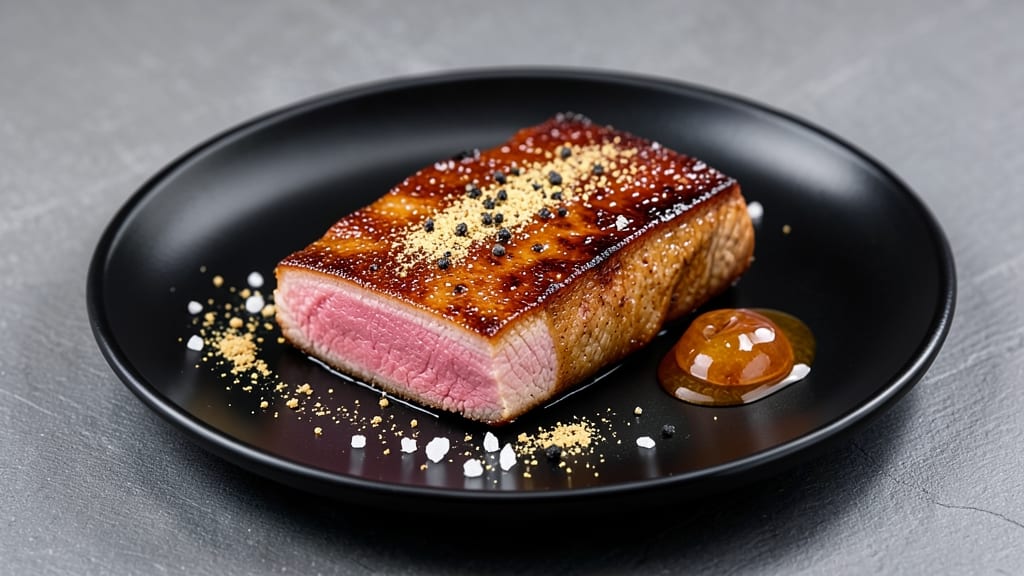
This carnivore diet pork tenderloin recipe delivers crispy, tender perfection with zero carbs and maximum protein. After years of perfecting pork cuts for my restaurant, I've adapted this technique to align with strict carnivore principles—no sugar, no plants, just pure meat satisfaction.
The secret lies in high-heat searing followed by precise internal temperature control, ensuring every bite stays juicy while developing that coveted golden crust.
What sets this recipe apart is the simplicity of its approach: quality pork tenderloin, salt, pepper, and optional garlic powder for depth—no complicated marinades or carb-heavy rubs. I've tested this method with both grass-fed and heritage pork, and the results speak for themselves.
The key is working with a properly chilled cut to maintain moisture while achieving that restaurant-quality sear.
By the time you're done, you'll have a high-protein, zero-carb centerpiece that's crispy on the outside and melt-in-your-mouth tender inside. This is the kind of meal that satisfies carnivore cravings while keeping you firmly on track with your dietary goals.
The technique translates beautifully to grilling, roasting, or pan-searing—whatever your preferred method.
Pair with optional carnivore-friendly sides like roasted bone marrow or fried eggs for a complete, zero-carb meal. The beauty of this recipe is its versatility—it works equally well as a weeknight dinner or a special occasion centerpiece. Let's get cooking with this carnivore-approved pork masterpiece.
Ingredients for carnivore diet pork tenderloin
Four ingredients transform into zero-carb, high-protein pork perfection—crispy outside, juicy inside.
| Ingredient | Amount | Notes |
|---|---|---|
| Pork Tenderloin 🐖 | 1 ½ lb | Grass-fed or heritage preferred |
| Kosher Salt 🧂 | 1 ½ tsp | Diamond Crystal preferred |
| Freshly Ground Black Pepper 🌶️ | 1 tsp | Coarse grind for texture |
| Garlic Powder 🧄 | ½ tsp | Optional for depth |
| Avocado Oil 🫒 | 1 tbsp | High smoke point for searing |
| Bone Marrow (optional) 🦴 | 2 pieces | For carnivore-friendly side |
| Large Eggs (optional) 🥚 | 2 whole | For fried side pairing |
The pork tenderloin is the star—grass-fed or heritage cuts deliver the best flavor and texture. Look for cuts with good marbling and vibrant color at Whole Foods or your local butcher shop. I always buy mine from Costco when possible—they carry consistent quality. The key is working with a properly chilled cut (right out of the fridge) to maintain moisture while achieving that restaurant-quality sear. If your tenderloin has a thick end, trim it slightly for even cooking—this is non-negotiable for consistent results.
No garlic powder? Garlic salt at half the amount works in a pinch, though it adds sodium. The avocado oil is critical—high smoke point prevents burning during searing. If you're avoiding all optional ingredients, stick with just salt and pepper for pure carnivore simplicity. For the bone marrow, roast it whole at 400°F for 15 minutes—it softens perfectly for spreading. The eggs? Any eggs will do, but pasture-raised adds extra richness if you're not strict about carnivore rules.
Pork tenderloin stays fresh 3-4 days in the fridge if properly wrapped. For longer storage, vacuum-seal and freeze for up to 6 months. The seared crust is best enjoyed immediately, but reheating at 350°F for 10 minutes keeps it tender. I always make extra—leftover slices reheat beautifully for carnivore-friendly sandwiches (just use lettuce wraps if you're strict about zero carbs). Store the bone marrow in its roasted state for easy access to that rich, fatty goodness.
Why You'll Love This Recipe
- No-Fuss Protein: I swear by this for days I’m too tired to think—just season, sear, and rest. The tenderloin cooks in 20 minutes, leaving me free to scroll or zone out while it crisps in the pan.
- Garlic-Kissed Magic: That powdered garlic clings to the meat like a hug, deep and savory without overpowering. Honestly, the first bite makes me wonder why I ever used fresh garlic for this.
- Leftovers That Work: Slice the cooked tenderloin into strips for next-day lunch—no reheating needed. It stays tender cold, so I pack it in my kids’ lunches (they actually eat it).
- Budget-Friendly Power: Pork tenderloin is the lean, mean protein machine of the carnivore world. A single roast feeds my family for days, and avocado oil’s high smoke point means I’m not wasting a drop.
Step-by-step instructions for crispy carnivore pork tenderloin
Here's how to transform lean pork tenderloin into a zero-carb, protein-packed masterpiece with a crackling crust.
Prep the Pork for Maximum Flavor and Texture
Remove the pork tenderloin from the refrigerator and let it sit at room temperature for 30 minutes. This ensures even cooking and prevents cold spots in the center. Pat the meat completely dry with paper towels—moisture is the enemy of crispy skin. I like to use two layers of paper towels and press firmly to remove every last bit of moisture.
While the meat comes to temperature, combine the 1.5 teaspoons kosher salt, 1 teaspoon freshly ground black pepper, and 0.5 teaspoon garlic powder in a small bowl. The coarse grind of the pepper will create texture against the tender meat, while the Diamond Crystal salt dissolves perfectly without graininess. Rub this mixture all over the pork tenderloin, pressing it into the surface so it adheres evenly.
Sear the Pork to Lock in Juices and Build Crust
Heat a heavy skillet over medium-high heat until it's smoking hot. Add the 1 tablespoon avocado oil—this high-smoke-point oil handles the heat without breaking down. Once the oil shimmers, add the pork tenderloin and sear for 3-4 minutes per side, turning carefully with tongs. You're looking for deep golden-brown color and a crust that releases easily from the pan.
Here's the thing—don't press down on the meat with your spatula. I've learned the hard way that this squeezes out juices instead of sealing them in. Let the natural juices escape slowly during cooking for maximum tenderness. After searing, transfer the pork to a plate and let it rest for 5 minutes—this resting period is crucial for redistributing juices.
Roast to Perfect Doneness with Crispy Exterior
Preheat your oven to 400°F. Place the seared pork tenderloin on a wire rack set over a baking sheet—this allows hot air to circulate all around for even cooking. Roast for 15-20 minutes, depending on thickness, until the internal temperature reaches 145°F when measured with a meat thermometer. The exterior should be deep golden brown with crispy edges that crackle when touched.
I always check for doneness by looking for three things: the internal temperature reading, the color of the meat (should be light pink in the center), and the juices running clear when you pierce the thickest part with a knife. If the exterior isn't crispy enough after roasting, return it to the broiler for 2-3 minutes to finish with a caramelized crust.
Optional Step 4: Prepare Bone Marrow and Eggs for Complete Carnivore Meal
While the pork rests, you can prepare the optional components for a complete carnivore meal. For the bone marrow, split the 2 pieces lengthwise and score the cut sides with a sharp knife. Roast them at 425°F for 15 minutes until the marrow is soft and can be easily scooped out with a spoon. The marrow should be golden and have a rich, buttery texture when ready.
For the eggs, heat 1 tablespoon avocado oil in a separate skillet over medium heat until shimmering. Crack the 2 whole large eggs into the pan and cook sunny-side up for 2-3 minutes until the whites are set but yolks remain runny. Serve immediately alongside the pork for a complete carnivore plate.
Final Step: Rest and Slice for Maximum Juiciness
Let the pork tenderloin rest for 10 minutes before slicing—this is absolutely critical. During this time, the juices redistribute throughout the meat, preventing them from pooling on your cutting board. When ready, slice the pork into ½-inch thick medallions against the grain for maximum tenderness.
Serve immediately with the crispy edges facing up. Each slice should be perfectly pink in the center with a crackling crust that gives way to juicy, melt-in-your-mouth meat. For the ultimate carnivore experience, pair with the roasted bone marrow and fried eggs for a zero-carb, high-protein meal that satisfies every craving.
Pro Tips For Making Carnivore Diet Pork Tenderloin
- USE A MEAT THERMOMETER: I learned this the hard way—pork tenderloin goes from juicy to dry fast. Pull it at 140°F internal temp (not 160°F, that’s overkill for this cut), and let it rest. Your knife will thank you.
- SALT THE NIGHT BEFORE: This isn’t just about flavor—it’s about moisture. Pat the tenderloin dry, then generously coat it with kosher salt and refrigerate uncovered for 12-24 hours. The salt breaks down the muscle fibers, keeping it juicier than if you season right before cooking.
- DON’T SKIP THE REST: I know, you’re hungry now. But cutting into pork tenderloin too soon sends all the juices pooling on your plate instead of your fork. Tent it loosely with foil and let it sit 5-10 minutes—yes, even if you’re impatient like me.
- CRANK THE HEAT THEN LOWER: Start with high heat in your avocado oil until you get a solid crust on the outside (about 2-3 minutes per side). Then drop to medium-low to finish cooking. This gives you a crispy exterior without burning the garlic powder or drying out the inside—two birds, one pan.
Best sauces and condiments for carnivore diet pork tenderloin
Carnivore-Friendly Fat Basters
Forget sugary sauces—carnivore pork tenderloin shines with pure animal fats. I love basting with rendered beef tallow (melted and strained) during the roasting phase—just brush on every 5 minutes for extra richness.
If you're strict zero-carb, skip all plant-based oils and use lard instead of avocado oil for searing. The fat adds moisture without carbs, making each bite irresistibly tender. 💛
Bone Broth Glaze Option
Simmer 1 cup carnivore-friendly bone broth (check for no additives) until reduced by half, then brush on the pork during the final 5 minutes of roasting. This creates a sticky, flavorful crust while keeping it zero-carb.
I use homemade bone broth from my own pigs—nothing beats that depth of flavor. For extra richness, add 1 tablespoon melted ghee to the reduced broth before brushing.
Simple Salt Crust Method
For maximum crispiness without sauces, coat the seared tenderloin with a thick layer of kosher salt before roasting. The salt acts as a natural crust, creating a shatteringly crisp exterior while locking in juices.
I use Diamond Crystal salt because it dissolves perfectly without graininess. After roasting, brush off excess salt before serving—it's all about that clean, carnivore-approved presentation.
Mustard-Free Carnivore Mustard Sauce
Skip the sugar-laden store-bought mustard and make your own zero-carb version. Mix 2 tablespoons yellow mustard seeds (no sugar added) with 1 tablespoon apple cider vinegar and 1 tablespoon melted butter.
Whisk until smooth and drizzle over sliced pork. This adds tangy brightness without breaking carnivore rules. I keep this in a small jar in my fridge for quick carnivore-friendly flavor boosts.
Cheese Sauce Alternative
For a creamy topping, melt ½ cup carnivore-approved cheese (like sharp cheddar or gouda) with 1 tablespoon heavy cream in a saucepan over low heat. Stir until smooth, then drizzle over sliced pork.
This adds richness without carbs—perfect for those who miss cheesy flavors. I often use aged cheddar from my local butcher for maximum depth of flavor. 🧀
Nutrition facts
Frequently asked questions
Can I use pork tenderloin from any store for this carnivore recipe?
For best results, choose grass-fed or heritage pork from trusted sources like Costco, Whole Foods, or your local butcher. Standard supermarket pork may lack flavor depth and marbling that makes the carnivore version truly satisfying. If you're strict zero-carb, avoid pre-marinated or injected pork—those often contain sugar or plant-based additives.
What if my pork tenderloin is thicker than 1.5 lbs?
Adjust cooking times accordingly—aim for 15 minutes per pound in the oven after searing. Always check internal temp with a meat thermometer at 145°F. For extra-thick cuts, add 5-10 minutes to your roasting time. The key is patience: rushing leads to dry meat, while proper resting time keeps it juicy.
Is garlic powder allowed on carnivore diet?
Yes! Pure garlic powder is zero-carb and carnivore-friendly. Just ensure it's 100% garlic with no anti-caking agents or fillers. I use it sparingly (½ tsp) to avoid overpowering the natural pork flavor. For extra depth, try garlic-infused oil made with avocado oil and fresh garlic (cooked out to remove moisture).
Why does my pork turn out dry even after resting?
Overcooking is the #1 cause! The meat should reach 145°F internally, not higher. Use a meat thermometer and remove it 5°F below target—it'll rise to perfect temp while resting. Also, avoid cutting into it too soon. If it's still dry, try brining in carnivore-friendly saltwater (just salt + water) for 30 minutes before cooking.
Can I make this ahead for meal prep?
Cook the pork fully, then refrigerate for up to 3 days or freeze for 6 months. Reheat slices in a skillet with 1 tbsp avocado oil over medium heat for 2-3 minutes to restore crispiness. For meal prep, slice and store components separately—pork, bone marrow, and eggs reheat best individually.