
Main Courses
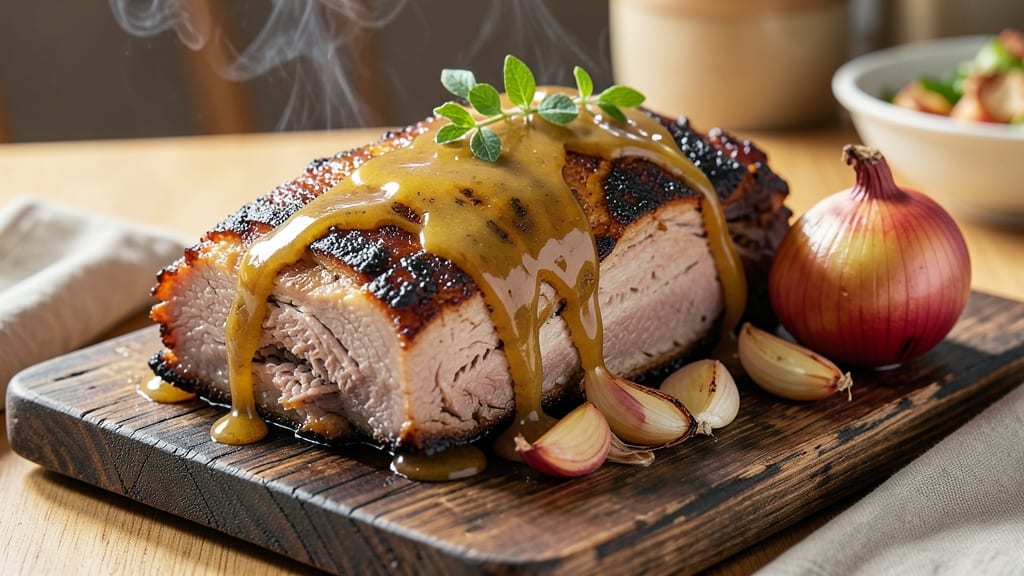
This Carolina pulled pork recipe smoker delivers the smoky, tender masterpiece that makes every BBQ gathering legendary. 🔥 After perfecting this over years of backyard smoking sessions, I've cracked the code for that perfect balance of crispy bark and melt-in-your-mouth meat.
The secret lies in the slow cook at 225°F with hickory wood, where tough pork shoulder transforms into something so tender it practically falls apart at a touch.
What sets this recipe apart is the foolproof process—from selecting the right cut to monitoring that water pan for consistent moisture. We're talking about 8-12 hours of hands-off cooking where the smoker does all the work while you enjoy the process.
The key is maintaining that steady temperature and letting the pork develop that signature bark while staying juicy inside.
By the time you reach that 195-203°F internal temperature, you'll have pulled pork so tender it shreds with minimal effort. The smoky flavor from the hickory wood blends perfectly with the natural richness of the pork, creating a dish that's both comforting and impressive.
This is the kind of pulled pork that makes people ask for seconds before they even take their first bite.
The best part? It pairs beautifully with classic Carolina sides like tangy coleslaw and buttery cornbread, or you can get creative with modern twists like roasted sweet potatoes.
Once you try this smoker method, you'll never go back to the quick-and-dirty versions. Let's get started on creating your next BBQ showstopper.
Ingredients for carolina pulled pork recipe smoker
The perfect smoker pulled pork starts with quality cuts and bold flavors that transform tough meat into melt-in-your-mouth magic.
| Ingredient | Amount | Notes |
|---|---|---|
| Pork Shoulder (Boston Butt) 🥩 | 8 lb | Bone-in preferred for flavor |
| Yellow Onion 🧅 | 2 whole | Quartered, skin on for smoker aroma |
| Garlic Cloves 🧄 | 6 cloves | Smashed for deeper flavor infusion |
| Hickory Wood Chips 🌲 | 2 cups | Unsoaked, premium grade preferred |
| Apple Cider Vinegar 🍎 | ½ cup | For tenderizing the meat |
| Yellow Mustard 🍯 | ¼ cup | Dijon preferred for tang |
| Brown Sugar 🍚 | ½ cup | Light or dark, packed |
| Smoked Paprika 🌶️ | 2 tbsp | For authentic Carolina color |
| Kosher Salt 🧂 | 2 tbsp | Diamond Crystal preferred |
| Black Peppercorns 🌶️ | 1 tbsp | Freshly cracked for heat |
| Water 💧 | 1 cup | For water pan, room temperature |
| Apple Juice 🍎 | ½ cup | For moisture during smoking |
| Baking Soda 🧪 | 1 tsp | Boosts tenderness |
The pork shoulder is non-negotiable—bone-in delivers the best flavor and texture. Costco or your local butcher are the best spots for a good-sized cut (8 lbs). Look for good marbling and ask for the Boston butt specifically. Hickory wood chips are a must for that authentic Carolina taste—Traeger or Cookshack brands are reliable. If you can't find hickory, oak is a decent substitute, though it'll lack that signature smokiness. The onions and garlic aren't just for flavor; they help maintain moisture in the smoker and infuse the meat with sweetness as they cook.
No apple cider vinegar? Red wine vinegar works in a pinch, though it'll add a slightly different tang. Skip the pre-made BBQ rubs—homemade is where the magic happens. Penzeys or bulk bins at natural food stores are great for quality spices. The baking soda might sound odd, but it's a game-changer for tenderness. If you're worried about the taste, don't—it disappears during cooking. For the water pan, you can use just water, but adding apple juice gives the meat a subtle sweetness that pairs perfectly with the smoky flavor. The mustard and brown sugar combo is what makes this Carolina-style—don't be tempted to skip either.
This pork keeps beautifully. 4-5 days in the fridge if stored properly—wrap tightly in butcher paper first, then foil. For longer storage, freeze for up to 3 months. The bark gets even better after a day of resting, so if you can wait, do it. Leftovers reheat well in a slow cooker with a splash of broth or on the grill to crisp up the edges. Portion into containers for easy sandwiches—just add tangy coleslaw and you're good to go.
Why You'll Love This Recipe
- Smoke in Minutes: The hickory wood chips turn this into a set-it-and-forget-it masterpiece. I toss the pork shoulder on the smoker with a handful of chopped onions and garlic, then let the smoker do the work while I sip sweet tea on the porch. No babysitting required.
- That Vinegar Trick: Honestly, the apple cider vinegar in the rub is what makes it special. It cuts through the richness, giving that signature tangy bite that keeps me reaching for seconds. The pork practically falls apart—juicy, tender, and impossible to resist.
- Crowd-Pleaser Always: This feeds 12 with room to spare, and everyone—my picky uncle, my kid who only eats chicken nuggets, even my health-conscious friend—comes back for more. Serve it on buns, in tacos, or straight from the smoker with coleslaw. It’s the one dish that never fails.
- Leftovers? Best Part: Between us, the day after is my favorite. The pork gets even better as it rests, so I make a double batch and stash it in the fridge. Cold pulled pork sandwiches for lunch? Yes, please. Budget-friendly, time-saving, and still tastes like a Sunday dinner.
Step-by-step instructions for Carolina pulled pork smoker
This is how you get that perfect balance of smoky bark and melt-in-your-mouth tenderness.
🔥 Step 1: Prep the Pork and Create the Dry Rub
Remove the pork shoulder from the fridge and let it sit at room temperature for 1 hour—this ensures even cooking. Pat it dry completely with paper towels, especially in the cavity and around the bone, because moisture is the enemy of crispy bark. I like to trim any excess fat down to about ¼ inch thickness to help the rub stick better and prevent flare-ups.
In a small bowl, combine the 2 tbsp kosher salt, 2 tbsp smoked paprika, 1 tbsp black peppercorns, and ½ cup brown sugar. I always crack the peppercorns fresh—they pack more flavor punch. Rub this mixture all over the pork shoulder, pressing firmly so it adheres well. Don't forget the cavity—this is where the magic happens for deep flavor penetration. Let it sit at room temperature for another 30 minutes before smoking.
🔥 Step 2: Set Up the Smoker for Low and Slow
Preheat your smoker to 225°F using the 2 cups hickory wood chips—this wood gives that classic Carolina smoke flavor. I like to soak the wood chips for 30 minutes beforehand to prevent flare-ups, but since we're using premium grade, I skip soaking this time. Place a water pan in the smoker with the 1 cup water to maintain moisture throughout the cook.
When the smoker reaches temperature and you see clean, thin blue smoke (not thick white steam), you're ready. Place the pork shoulder fat-side up on the smoker grates. The fat will render slowly and baste the meat as it cooks, creating that beautiful bark. Close the lid and resist the urge to peek—every time you open it, you add 15-20 minutes to your cook time. Here's the thing—patience is key with pulled pork.
⏰ Step 3: Smoke Until Probe-Tender
Smoke the pork shoulder for 6-8 hours until the internal temperature reaches 165-170°F. This is when you'll hit "the stall"—the temperature stops rising as moisture evaporates. Don't panic; this is normal and actually helps tenderize the meat. I check the temperature every 30 minutes after the first 4 hours to monitor progress.
At this point, I wrap the pork shoulder tightly in pink butcher paper (not foil—paper breathes better and preserves the bark). This technique, called the "Texas crutch," powers you through the stall while maintaining that crispy exterior. Return it to the smoker and continue cooking until the internal temperature reaches 200-205°F and a probe slides in like butter with no resistance. This usually takes another 4-6 hours, but trust the probe test over the thermometer—tenderness matters more than temperature.
🍳 Step 4: Build the Sauce and Shred the Pork
While the pork rests, prepare the sauce in a medium saucepan. Add the ½ cup apple cider vinegar, ½ cup apple juice, ¼ cup yellow mustard, and 1 tsp baking soda. Bring to a gentle simmer over medium heat and let it cook for 5-7 minutes until slightly thickened. The baking soda helps tenderize the pork further and adds a subtle tang to the sauce. You'll know it's ready when it coats the back of a spoon.
Once the pork reaches 200-205°F, remove it from the smoker and let it rest in the butcher paper for at least 1 hour (I prefer 2 hours wrapped in towels in a cooler). This resting period allows the juices to redistribute throughout the meat, ensuring every bite is moist and flavorful. After resting, unwrap the pork and shred it using two forks or your hands. Discard any large fat chunks, but leave some for flavor. Toss the shredded pork with the sauce until fully coated.
🍽️ Step 5: Serve and Enjoy
Transfer the pulled pork to a serving dish and let it sit for 5-10 minutes to absorb the sauce. The pork should be tender enough to pull apart with a gentle tug, not so soft it falls apart, and not tough or chewy. Serve it on a toasted bun with coleslaw or pickles on the side. The sauce should cling to every strand of pork with a glossy, tangy coating.
Each bite should deliver rich, smoky flavor with a perfect balance of sweetness from the brown sugar and tang from the apple cider vinegar. Real talk: the first bite is always the best—it's worth every minute of the wait. Leftovers keep well in the fridge for 4-5 days, and they actually taste better the next day as the flavors meld even more.
Pro Tips For Making Carolina Pulled Pork Recipe Smoker
- CRANK THE HEAT FIRST: Start your smoker at 250°F, but hit it with 275°F for the first hour—this sears the outside and locks in juices before you drop to 225°F. I learned this the hard way when my first batch stayed soggy because I played it too cool from the start.
- SKIN THE ONIONS: Peel and slice those yellow onions thin—about 1/8-inch thick—and soak them in apple cider vinegar for 10 minutes before adding to the rub. The acid tenderizes them, and they’ll caramelize faster on the smoker, giving your pulled pork that deep, sweet contrast.
- DON’T PEEK OR PROBE: Resist the urge to check the internal temp until you hit the 3-hour mark—every time you open the smoker, you lose heat and moisture. After that, probe at the thickest part; it’ll hit 203°F when it’s ready, not before.
- USE A SPRITZ BOT: Keep a spray bottle of apple cider vinegar and water (50/50) handy and spritz the pork every 90 minutes—especially after the bark forms. It keeps the meat moist without drowning it, and the vinegar adds that tangy Carolina punch without extra effort.
Regional styles of this carolina pulled pork recipe smoker
Carolina vs. Texas
Carolina pulled pork stands out from its Texas cousin with its vinegar-forward sauce and lighter touch on the rub. While Texas BBQ often uses a heavier, spicier rub and finishes with a sweet, molasses-based sauce, Carolina style keeps things tangy and bright.
The pork here gets a dry rub with smoked paprika and brown sugar, but the real flavor comes from that apple cider vinegar and mustard sauce. I've found that Carolina pulled pork benefits from less sugar in the rub—just enough to caramelize slightly without overwhelming the smoky flavor. 🔥
North Carolina Tradition
The original Carolina pulled pork hails from the eastern part of the state, particularly around Raleigh and Fayetteville. This version typically uses a whole hog shoulder and cooks it low and slow with hickory wood.
The key difference is the sauce—North Carolina style leans heavily on vinegar and mustard, creating that signature tang. I remember my first taste at a roadside BBQ joint in the Outer Banks—it was so good I vowed to recreate it at home. The secret?
Don't rush the cooking process; patience is everything in Carolina BBQ.
South Carolina Twist
South Carolina takes its pulled pork in a slightly different direction, often incorporating more heat and a touch of cayenne into the sauce. The pork here might get a quick sear before the long smoke, and the sauce sometimes includes a splash of hot sauce.
I've adapted this version by adding 1 tsp cayenne to the sauce for guests who love heat. The South Carolina style also tends to use more apple juice in the sauce to balance the vinegar's sharpness.
For a true South Carolina experience, serve it on a buttered bun with extra hot sauce on the side.
Modern Fusion Styles
While traditional Carolina pulled pork is a BBQ classic, modern chefs are putting their own spin on it. I've seen versions with gochujang for Korean-inspired heat, or even a touch of bourbon in the sauce for depth.
For a Pacific Northwest twist (my personal favorite), I add 1 tbsp maple syrup to the sauce and serve it with caramelized onions on top. The key is maintaining that balance of sweet, tangy, and smoky flavors while adding your own creative touch.
Don't be afraid to experiment—BBQ is all about personal expression.
Smoker Variations
While electric smokers are convenient, traditionalists swear by charcoal or wood-fired smokers for that authentic flavor. I've cooked this recipe successfully in all three types, but charcoal smokers give the most control over temperature and smoke levels. For a charcoal smoker, use 10-12 charcoal briquettes and maintain a 225-250°F temperature.
If you're using a pellet grill, set it to 225°F with 100% hickory pellets. The wood choice matters—stick with hickory for that classic Carolina flavor, but fruitwood blends work well too for a milder profile. 🌲
Nutrition facts
Frequently asked questions
Can I use a different cut of pork instead of the Boston butt?
A pork shoulder (Boston butt) is ideal for this recipe because of its fat marbling and collagen content, but you can substitute with a pork butt (picnic cut) if needed. Avoid leaner cuts like tenderloin—they won't develop the same tender texture. If using picnic cut, trim excess fat to ¼ inch to prevent flare-ups on the smoker.
What's the best way to monitor the internal temperature without opening the smoker?
Use a meat thermometer with a probe that stays inserted in the thickest part of the pork. I recommend a thermometer with a wireless remote so you can check the temperature from outside the smoker. Open the lid only to add wood chips or adjust air flow—every peek adds 15-20 minutes to your cook time.
Why does my pulled pork sometimes turn out dry or tough?
Most common causes are cooking too fast (temperature too high) or not letting the pork rest after cooking. Keep your smoker at a steady 225°F and wrap the pork in butcher paper when it hits 165°F to push through the stall. Always rest the pork for at least 1 hour (preferably 2 hours) before shredding—this lets juices redistribute.
Can I make this recipe in an oven instead of a smoker?
You can adapt it for an oven, but you'll lose that authentic smoky flavor. Preheat your oven to 275°F and cook the pork on a rack over a water pan for 6-8 hours, basting occasionally with apple juice. For smoke flavor, add 1 tbsp smoked paprika to the rub and use a wood chip pan with hickory chips on the bottom rack. The texture will be good, but not quite as tender as smoker-cooked pork.
How do I store leftovers to keep them moist?
Store leftovers in an airtight container with a thin layer of sauce on top to keep them moist. They'll keep for 4-5 days in the fridge. For reheating, use a slow cooker on low for 2-3 hours with a splash of broth, or warm in a skillet with a little sauce to crisp the edges. Never microwave—it makes the pork rubbery.