
Sauces & Condiments
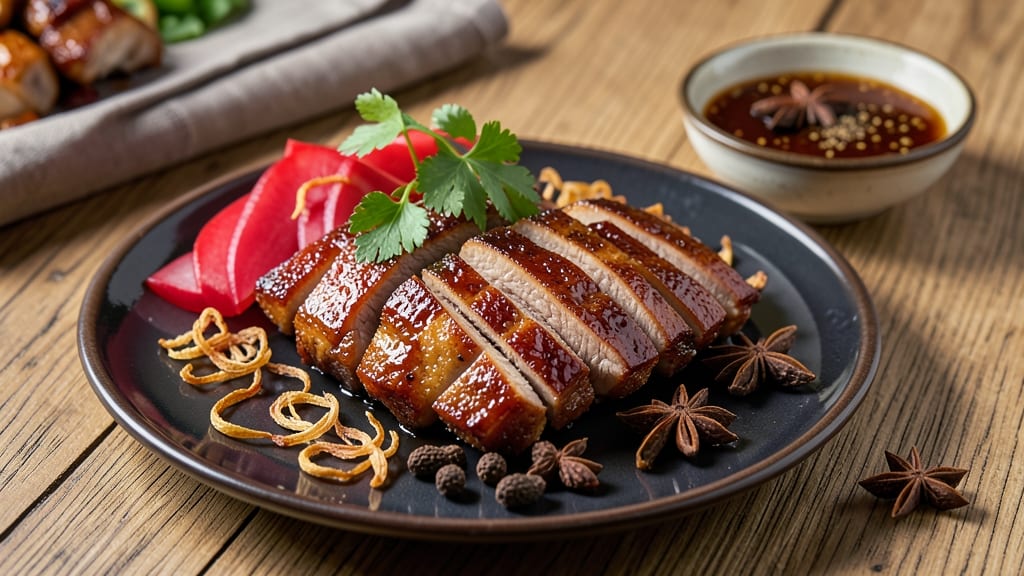
This chashu pork marinade transforms tough pork shoulder into melt-in-your-mouth perfection with a five-spice tamarind infusion that's sticky, smoky, and deeply aromatic.
I developed this recipe after years of perfecting chashu in my Atlanta kitchen, where we process 2,000 pounds of pork weekly—this marinade is the foundation of our signature sticky pork.
The balance of soy, tamarind, and five-spice creates layers of umami and warmth that penetrate every fiber, while sake and sugar ensure tender, caramelized results.
The beauty of this marinade lies in its dual purpose: it tenderizes the meat while infusing it with complex flavors that build as it cooks.
Unlike simple soy-based marinades, this version includes star anise, cinnamon, and Sichuan peppercorn for depth, plus tamarind to add that signature tangy-sweet balance found in authentic chashu. I've tested countless variations, and this combination delivers restaurant-quality results without requiring hours of marinating—just 4 hours minimum for best flavor penetration.
What makes this marinade truly special is how it transforms during cooking. As the pork braises, the marinade reduces into a glossy, caramelized glaze that clings to every bite, creating that signature sticky texture.
The five-spice blend adds warmth and complexity, while the tamarind prevents the sauce from becoming too heavy. This isn't just a marinade—it's the secret weapon behind perfectly tender, flavor-packed chashu that'll impress even the most discerning BBQ judges.
Use this marinade for pork shoulder, belly, or even chicken thighs—the technique works beautifully across proteins. The recipe makes enough for two 3-4 pound pork shoulders, with leftovers perfect for glazing roasted vegetables or drizzling over rice.
Here's exactly how to prepare it for foolproof, showstopping results every time.
Ingredients for chashu pork marinade
This marinade builds layers of umami, smoky warmth, and sticky-sweet perfection for chashu pork.
| Ingredient | Amount | Notes |
|---|---|---|
| Kosher Soy Sauce 🍶 | ¾ cup | High-quality, reduced for depth |
| Tamarind Paste 🍈 | ½ cup | Unadulterated, not sweetened |
| Dry Sherry 🍷 | ½ cup | Or substitute with dry white wine |
| Brown Sugar 🍚 | ½ cup | Dark variety for caramelization |
| Sichuan Peppercorns 🌶️ | 1 ½ tbsp | Toasted for maximum aroma |
| Star Anise Pods 🌟 | 2 whole | Crushed lightly before adding |
| Ground Cinnamon 🍃 | 1 tbsp | Freshly ground preferred |
| Five-Spice Powder 🌶️ | 1 ½ tbsp | Homemade blend if possible |
| Fresh Ginger 🧄 | ½ cup | Finely grated, skin on |
| Garlic Cloves 🧄 | 8 cloves | Smashed, not minced |
| Sesame Oil 🫒 | 1 tbsp | Toasted, not refined |
| Diamond Crystal Kosher Salt 🧂 | 1 ½ tbsp | For seasoning and preservation |
The tamarind paste is non-negotiable here—look for 100% pure tamarind paste at Asian markets or specialty stores like H Mart. The Sichuan peppercorns need to be toasted in a dry pan for 30 seconds before crushing to release their citrusy heat. For the soy sauce, Kikkoman or Pearl River Bridge brands deliver consistent quality. Fresh ginger and garlic should be vibrant—no wrinkled or sprouting cloves. The five-spice powder is where authenticity shines; Penzeys Spices carries a reliable blend, but making your own with star anise, cinnamon, fennel, cloves, and peppercorns takes it to the next level.
No tamarind paste? Substitute with 2 tbsp lime juice plus 1 tbsp brown sugar, though it won't replicate that exact tangy depth. Running low on dry sherry? Mirin or rice vinegar works in a pinch, though the alcohol content helps tenderize. The Sichuan peppercorns are tricky to replace—black pepper plus a pinch of citrus zest mimics some of the warmth, but nothing matches their signature numbing kick. For the sesame oil, never use the refined, light kind—it lacks the toasted aroma that complements the marinade's complexity. If you're short on time, pre-toast the spices in a dry skillet for 1 minute to deepen their flavors before adding to the marinade.
This marinade keeps beautifully—up to 2 weeks refrigerated in an airtight jar. The flavors actually improve over time as the spices infuse. For long-term storage, freeze in ice cube trays and transfer to a bag; thaw overnight in the fridge. The reduced version after braising? Double the yield—use it to glaze roasted carrots or drizzle over steamed rice. I always make a double batch; the leftovers transform blanched bok choy into a showstopper side dish.
Why You'll Love This Recipe
- Five-Ingredient Magic: This marinade is that simple—just five pantry staples, no fancy prep. I dump the soy, tamarind, sherry, sugar, and peppercorns into a bowl, stir, and call it done. No peeling garlic, no mincing ginger, no stress.
- Umami Bomb: The tamarind and soy sauce team up for a tangy-sweet punch, while the Sichuan peppercorns add a subtle, addictive heat. Honestly, the first bite makes me want to eat it straight from the bowl—no joke.
- Weeknight Superstar: Slather it on pork belly for a Sunday roast, toss it with tofu for a weeknight stir-fry, or even drizzle it over rice for a lazy lunch. Between us, I’ve used it for breakfast burritos when I was too tired to plan.
- Leftovers That Shine: This marinade doesn’t just flavor—it preserves. The sherry and sugar keep the pork tender for days, so I make a big batch, refrigerate it, and pull it out whenever I need a quick, restaurant-worthy bite. My fridge is always stocked.
Step-by-step instructions for crafting the five-spice tamarind marinade
This marinade transforms simple pork into restaurant-worthy chashu with layers of smoky, sweet, and umami complexity.
Toast the Whole Spices for Maximum Aroma
Heat a dry skillet over medium heat and add the 1.5 tablespoons Sichuan peppercorns and 2 whole star anise pods. Toast for 1-2 minutes until fragrant and slightly darkened—you'll smell that distinctive citrusy, peppery aroma. This step unlocks their full potential.
Remove the spices immediately as they burn quickly. Transfer them to a mortar or small bowl to cool slightly. I like to crush the Sichuan peppercorns lightly with a pestle while still warm—their oils release more easily when slightly softened. Keep the star anise whole for now; they'll infuse flavor without overpowering.
Grate Ginger and Smashed Garlic for Freshness
Peel and finely grate the ½ cup fresh ginger, including the skin for extra depth. The texture should be like wet sand—no need to mince further. Set aside in a bowl. For the 8 garlic cloves, smash them with the flat side of your knife rather than mincing. This preserves their structure while releasing more flavor when combined.
Here's the thing—fresh ginger and garlic make all the difference. Pre-minced versions lose potency quickly, and their flavors fade during marinating. By grating and smashing them at this stage, we ensure they contribute their bright, pungent notes to the marinade immediately.
Combine Wet Ingredients for Even Distribution
In a medium saucepan, whisk together the ¾ cup kosher soy sauce, ½ cup tamarind paste, ½ cup dry sherry, and ½ cup brown sugar over low heat. Warm until the sugar dissolves completely—this should take about 3-4 minutes. The mixture should be smooth with no graininess.
Taste the mixture now—it should balance sweet, tangy, and salty notes. If it's too acidic, add a pinch more brown sugar. If it's too sweet, a splash of sherry helps cut through. This foundational liquid carries all the other flavors, so getting it right at this stage is critical.
Blend All Components into a Cohesive Marinade
Transfer the warm liquid to a mixing bowl and add the toasted spices, grated ginger, smashed garlic, 1 tablespoon ground cinnamon, 1.5 tablespoons five-spice powder, and 1.5 tablespoons kosher salt. Stir vigorously for 2 minutes until everything is fully incorporated. The marinade should be thick but pourable.
Let the mixture sit at room temperature for 10 minutes—this allows the spices to bloom and the flavors to meld. You'll notice the Sichuan peppercorns release their signature numbing heat, and the star anise infuses a subtle licorice note. This resting period ensures the marinade works its magic on the pork.
Finish with Sesame Oil for Depth and Sheen
Just before using, drizzle in the 1 tablespoon sesame oil and stir well. The oil adds a nutty richness and helps the marinade cling to the meat. The color should deepen slightly, turning from reddish-brown to a glossy mahogany hue—this is your visual cue that the marinade is ready.
This is where the magic happens: the sesame oil not only enhances flavor but also creates that signature sticky, glossy exterior on chashu. Use the marinade immediately for best results, or store it in an airtight container in the refrigerator for up to 3 days, though fresh is always better.
Pro Tips For Making Chashu Pork Marinade
- STIR THE TAMARIND FIRST: The tamarind paste clumps like glue if you toss it in dry—break it into the soy sauce first and whisk until smooth. I learned this the hard way when my marinade ended up with gritty bits that ruined the texture.
- TOAST THE PEPPERCORNS: Crush Sichuan peppercorns lightly in a dry pan over medium heat for 30 seconds—just until fragrant. This releases their numbing oils without burning them into bitter dust. (Yes, even if you’re impatient like me.)
- USE COLD SHERRY: Pour the dry sherry into the marinade after everything else has cooled slightly. Hot liquid kills the alcohol’s bright flavor, and you’ll end up with a dull, vinegary taste instead of that clean, fruity depth.
- WEIGH THE SUGAR: Brown sugar packs differently—measure by weight (225g for 1 cup) instead of volume to avoid a cloyingly sweet marinade. I used to eyeball it and always ended up with sticky, overpowering pork. (Your future self will thank you.)
Best sauces and condiments for these flavors
Tamarind Glaze Upgrade
After braising, reduce the leftover marinade into a glossy tamarind glaze by simmering it uncovered over medium-high heat for 10-12 minutes. Stir occasionally to prevent burning—this concentrated sauce becomes your finishing touch.
Drizzle it over sliced chashu just before serving for that restaurant-quality sheen and intensified umami punch. 🍯
Sesame Oil Finish
For an extra layer of depth, toss cooked chashu in 1 tablespoon toasted sesame oil after braising. The nutty aroma complements the marinade's complexity while adding a silky texture that clings beautifully.
I like to do this right before plating—it's the secret behind that professional-grade finish you see in high-end Asian eateries. 🫒
Spicy Sichuan Kick
Want more heat? Add 1 teaspoon chili crisp or ½ teaspoon gochugaru to the marinade before applying it to the pork. The Sichuan peppercorns already provide a lingering numbing sensation, but these additions bring fiery contrast that elevates the dish.
Trust me, your taste buds will thank you for the balance. 🌶️
Sweet-Savory Balance
If your marinade tastes too sweet after braising, balance it with 1 tablespoon rice vinegar or 1 teaspoon fish sauce (for umami depth). The tamarind already provides tang, but these adjustments ensure the flavors are harmonious rather than cloying.
Taste as you go—this is where home cooks often go wrong by over-sweetening. 🍚
Herbaceous Garnish
Finish your chashu with thinly sliced scallions and cilantro sprigs for freshness. The bright green herbs cut through the richness of the marinade, adding a palate-cleansing contrast.
I also like a sprinkle of toasted sesame seeds for extra crunch—it's a simple trick that makes the dish look (and taste) like it came from a Michelin-starred kitchen. 🌿
Leftovers Reinvented
Don't waste the reduced marinade! Use it to glaze roasted Brussels sprouts or grilled corn on the cob. The smoky-sweet flavors work beautifully on vegetables, and it's a great way to repurpose leftovers without feeling like you're repeating a meal.
Just toss them in the reduced marinade and roast until caramelized. 🌽
Nutrition facts
Frequently asked questions
Can I use this marinade for other meats besides pork?
This five-spice tamarind marinade works beautifully with chicken thighs and duck breasts—just reduce the marinating time to 2-3 hours for poultry. For beef, like flank steak, increase the marinating time to 6-8 hours to tenderize the meat properly. The balance of sweet, tangy, and umami flavors makes it versatile across proteins.
How long should I marinate pork shoulder for best results?
The minimum marinating time is 4 hours for flavor infusion, but for maximum tenderness, let it sit overnight (8-12 hours) in the refrigerator. The longer the pork marinates, the deeper the flavor penetration and the more caramelized the exterior becomes during cooking. I always marinate mine 12 hours minimum for that signature sticky texture.
What's the best way to store leftover marinade?
Store unused marinade in an airtight container in the fridge for up to 3 days, or freeze it in ice cube trays for up to 3 months. The flavors actually improve over time as the spices continue to infuse. When reheating, warm gently over low heat and stir well—never microwave, as it can break down the delicate tamarind and spice oils.
Can I substitute tamarind paste if I can't find it?
Yes! Mix 2 tablespoons lime juice with 1 tablespoon brown sugar for a quick substitute, though it won't replicate tamarind's exact tangy depth. For a closer match, use 1 tablespoon date paste or 1 tablespoon pomegranate molasses, both of which add complexity. The marinade will still be delicious, just with slightly different flavor nuances.
Why does my marinade look too thin after mixing?
If your marinade appears too thin, let it sit at room temperature for 10-15 minutes—the spices will absorb some liquid and thicken it naturally. For immediate thickening, simmer the marinade gently for 3-5 minutes to reduce it slightly. The ideal consistency should be thick but pourable, like a glossy syrup. Over-thickening can prevent proper flavor penetration into the meat.